

Executive Overview
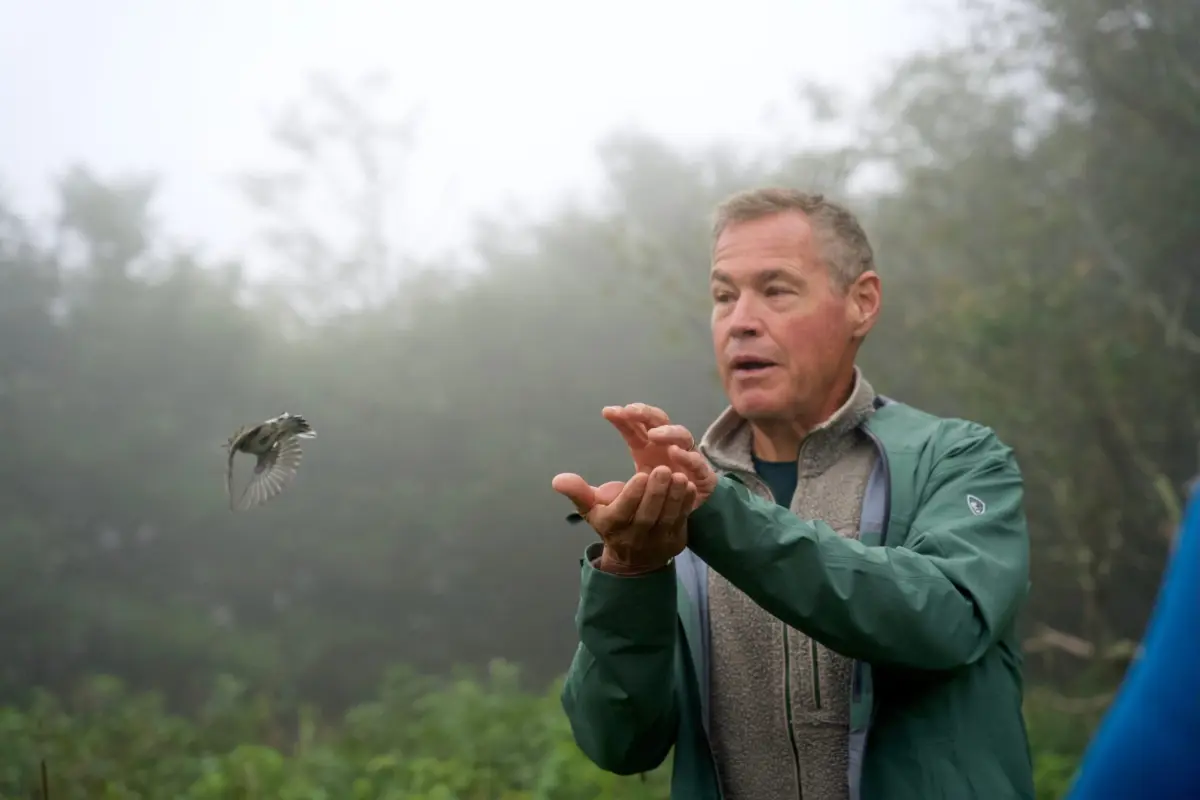
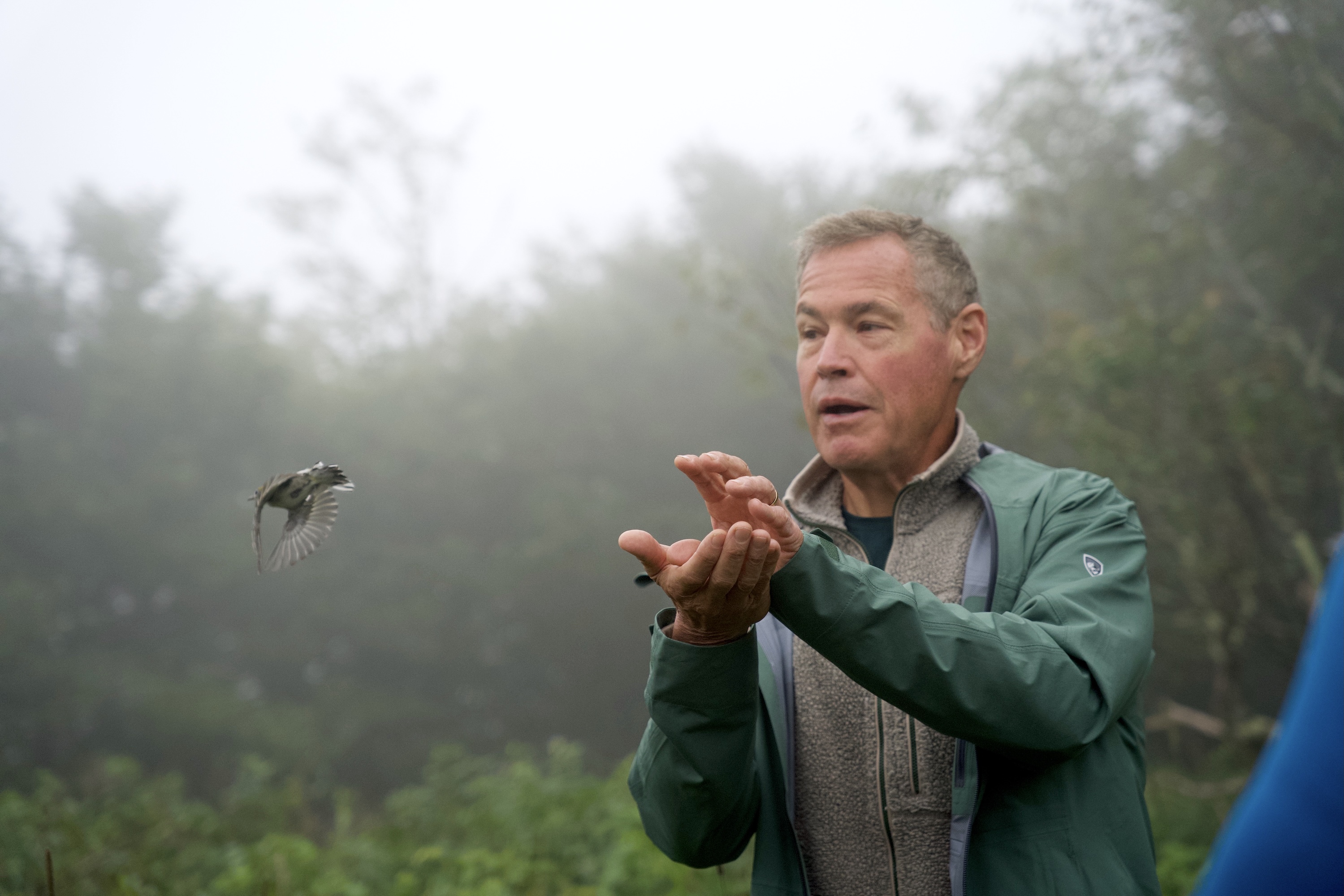
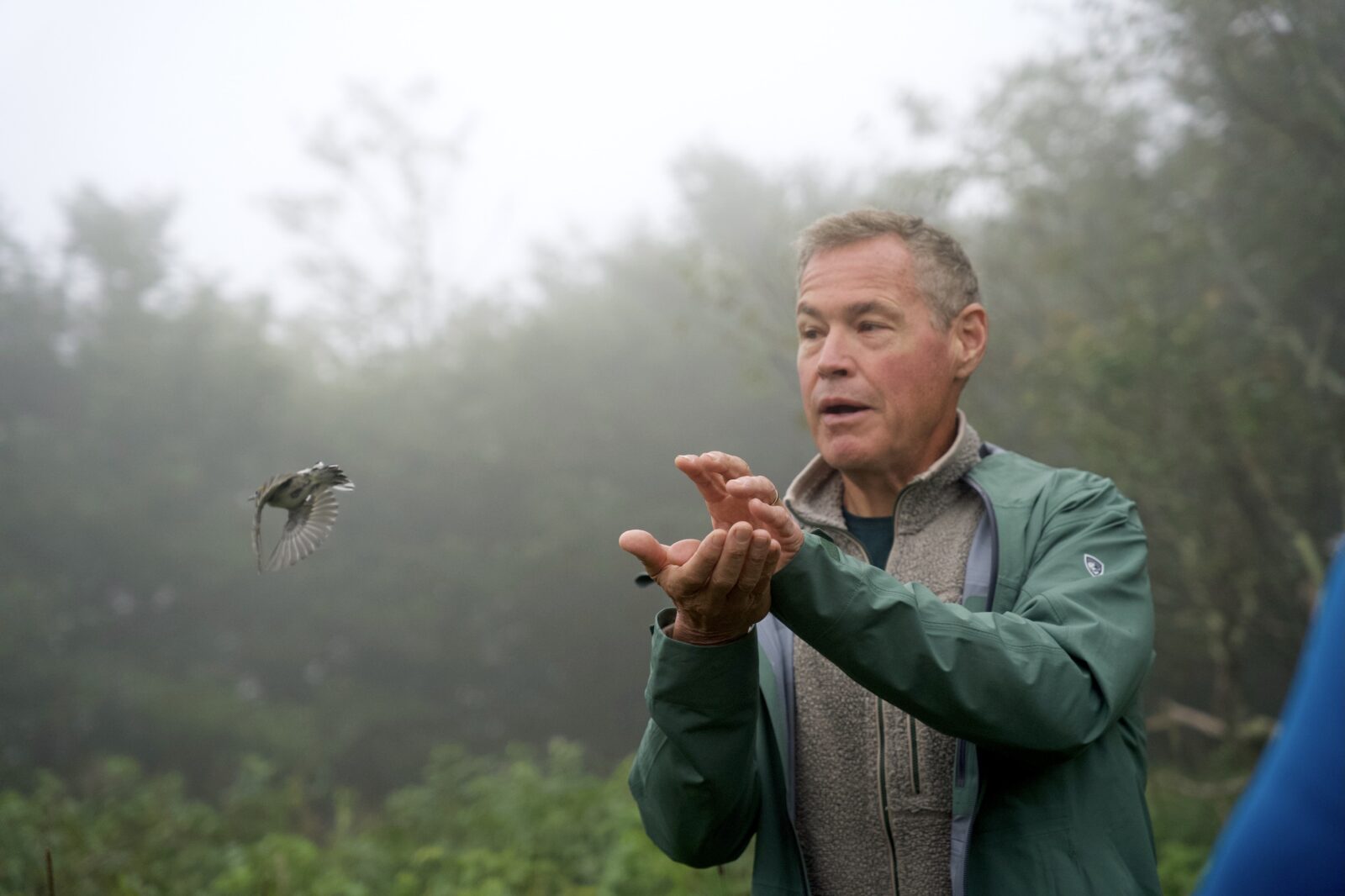
For nearly three decades, television audiences have watched conservationist and biologist Jeff Corwin traverse the globe, wading through the murky waters of Panama in search of boa constrictors, scaling the heights of Gibraltar to observe Barbary macaques, and uncovering rare tenrecs in the isolated jungles of Madagascar. Yet, in his latest television venture, Corwin has shifted his focus away from exotic international frontiers to examine a biodiversity hotspot right in his own backyard.
His new ABC series, Jeff Corwin’s Southern Wild, explores the astonishing ecological landscape nestled between the ancient Appalachian mountain chain and the sweeping windswept shores of the Outer Banks in North Carolina. Premiering on October 3, the series serves as both a dazzling celebration of the Tar Heel State’s natural wealth and a deeply human story. Rather than focusing solely on charismatic megafauna or picturesque vistas, Corwin’s newest project highlights a vast, interconnected network of scientists, field researchers, state and federal agencies, and non-governmental organizations dedicated to safeguarding the region’s wild spaces for future generations.
Partnering with institutions like Lees-McRae College in Banner Elk, North Carolina, the series captures groundbreaking conservation efforts: from scientists carrying ancient, vulnerable fish populations across rugged mountain terrain in backpacks to reintroduce them to historic waters, to researchers tracking elusive bat populations via innovative iPhone-based monitoring networks. In an exclusive interview with Garden & Gun, Corwin reflects on the unique ecological palette of North Carolina, the catastrophic resilience of ecosystems following the devastation of Hurricane Helene, and the vital importance of protecting the region’s unsung, "weird and wonderful" species—affectionately including the giant aquatic salamanders known locally as snot otters.
Detailed Chronology: A Career of Global Exploration Yields a Southern Epiphany
To understand the genesis of Jeff Corwin’s Southern Wild, one must look back at the trajectory of Corwin’s storied career in wildlife media, which began in the late 1990s. As a defining voice in nature television, Corwin helped pioneer an era of adventure-driven conservation education that inspired a generation of young viewers to pursue careers in environmental science, herpetology, and zoology.
For decades, his trademark enthusiasm drew viewers into distant, untamed corners of the planet. However, prolonged field research and continuous travel eventually led the biologist to recognize the profound, underappreciated ecological complexity found within the United States, specifically within the varied topographies of the American South.
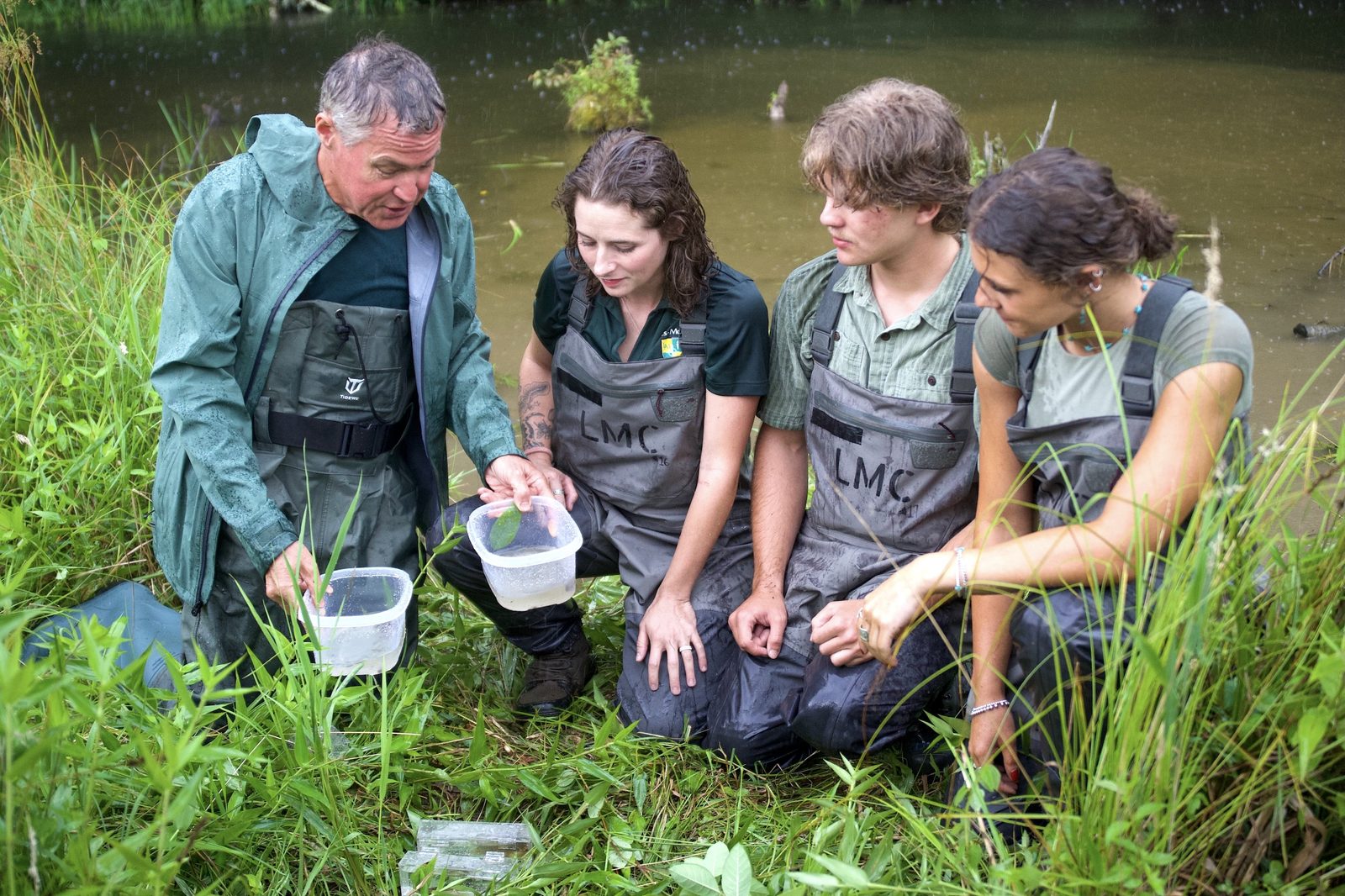
The production of Southern Wild represents a deliberate evolution in Corwin’s storytelling philosophy. While early television projects often prioritized the raw spectacle of exotic wildlife encounters, his latest series places equal weight on the human infrastructure required to maintain biodiversity. The journey began with extensive field surveys conducted alongside academic partners, such as Lees-McRae College professor Anna Bigler and students Macen Lineberger and Torrie Oldham, performing rigorous herpetological surveys in the Blue Ridge Mountains.
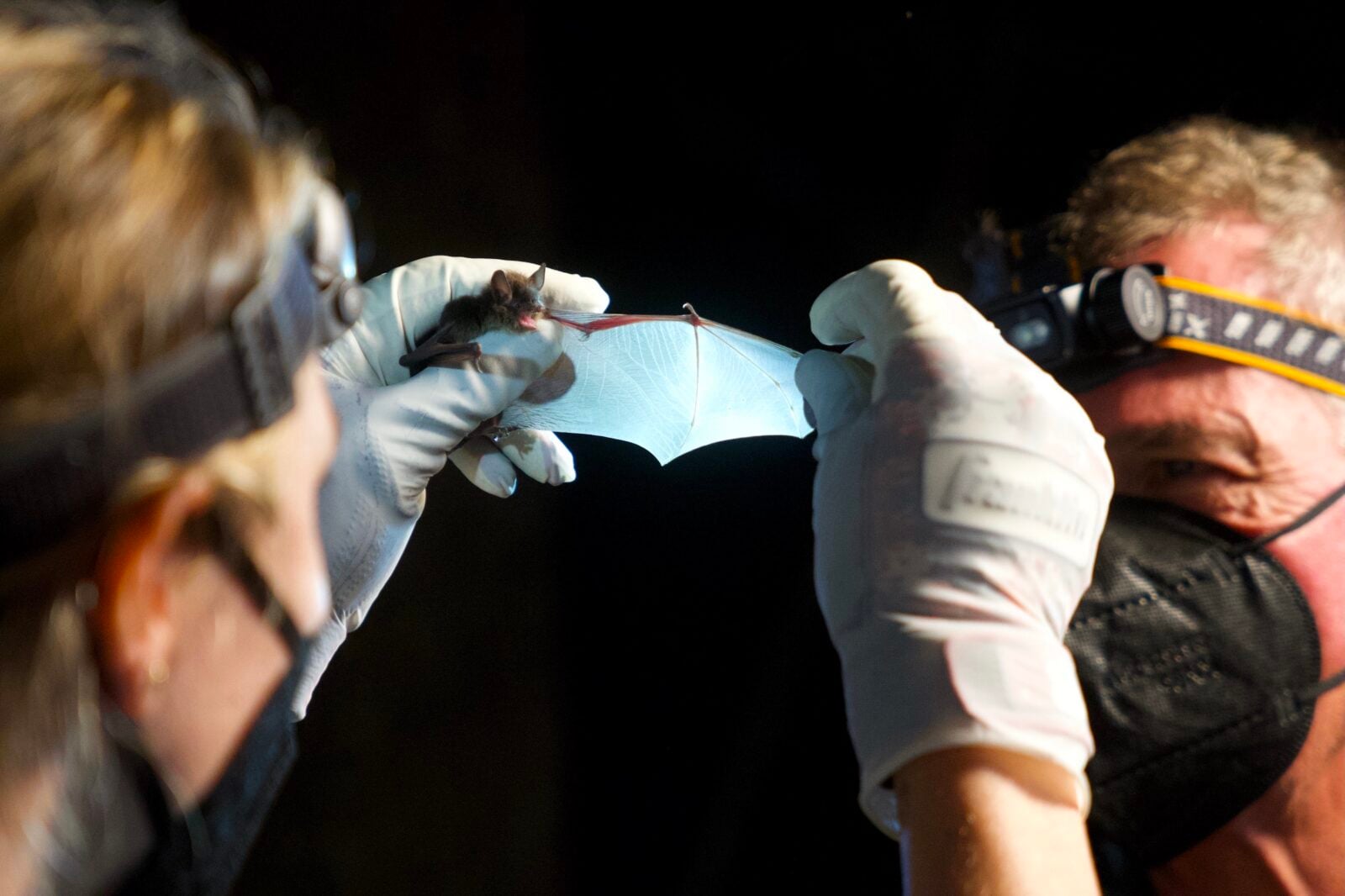
As production progressed through state parks, dense temperate rainforests, and coastal estuaries, Corwin documented a wide array of conservation milestones, including the successful medical relocation of two rescued black bears into a rehabilitated habitat designed to foster long-term survival. The timeline of the series captures not only the daily grind of field biology—ranging from bat-banding operations with North Carolina Wildlife Resources Commission biologist Katherine Etchison to riverine fish surveys—but also the sudden, humbling challenges posed by environmental disasters like Hurricane Helene, which tested the resilience of both the local human communities and the natural habitats that surround them.
Supporting Context & Metrics: The Ecological Tableau of the Tar Heel State
What makes North Carolina an exceptional subject for a dedicated conservation series is its unique geographical and climatic convergence. As Corwin explains, the state functions as an extraordinary amalgamation of conflicting and complementary ecosystems.
"When you get into North Carolina, you get this incredible amalgamation, this wondrous blend of both the warm, almost subtropical ecology, where you’ve got alligators and you’ve got the Outer Banks, and you get red wolves and this diverse habitat," Corwin notes. "And then something incredible happens when you begin to go up in altitude, and you go into the Blue Ridge Mountains, and you go into the foothills of Appalachia. You see there is a flip in what the biodiversity is."
The Altitudinal Gradient and Endemic Species
This dramatic shift in elevation creates a temperate rainforest environment in the high country, giving rise to species found nowhere else on Earth. Among these localized biological marvels is the Yonahlossee salamander, a species restricted to a remarkably small patch of forested mountain terrain in North Carolina.
Similarly, the state’s freshwater systems harbor staggering biodiversity. The brook trout native to the high-elevation streams possess patterns and vibrant colorations so striking that casual observers might mistake them for artificial intelligence-generated imagery. Yet, as Corwin emphasizes, these living masterpieces are entirely real products of evolutionary adaptation.
The Unsung Heroes: "Snot Otters" and Micro-Biodiversity
While charismatic mammals like red wolves, black bears, and timber rattlesnakes capture public imagination, the health of North Carolina’s ecosystems depends heavily on lesser-known, often misunderstood species.
A prime example is the Eastern hellbender—colloquially known as the "snot otter." Belonging to the ancient cryptobranchid family of giant salamanders, the hellbender has vanishing counterparts worldwide; its relative in China has been heavily impacted by overexploitation, while the Japanese giant salamander is restricted to isolated streams near the Kyoto Prefecture. The presence of thriving snot otter populations throughout many North Carolina streams serves as a biological indicator of pristine, oxygen-rich freshwater habitats.
"You want to see these big charismatic species, right? But it’s the little things that sometimes matter the most because they are the individual sparkles that allow this whole wild place to shimmer so brilliantly, biologically," Corwin asserts. "They’re the little bits and pieces that tie it all together."
The show’s comprehensive scope touches on a massive cross-section of the state’s wildlife portfolio, including:
- Red-cockaded woodpeckers and their specialized old-growth pine habitat requirements.
- Bog turtles, one of North America’s smallest and most vulnerable reptile species.
- Sea turtles utilizing the protective barrier islands of the Outer Banks for nesting.
- Red drum populations populating the coastal estuaries.
- Timber rattlesnakes maintaining critical apex predator dynamics in forest floors.
Official Statements & Field Insights
Speaking directly with Garden & Gun, Jeff Corwin elaborated on the operational philosophy driving the new series, the lessons learned from recent natural disasters, and the emotional resonance of meeting conservationists who grew up watching his early television programs.
On the Resilience of Wild Spaces Post-Hurricane Helene
Just over two years prior to the show’s release, Western North Carolina was struck by Hurricane Helene, a catastrophic storm that wrought unprecedented devastation across mountain communities, river valleys, and wildlife corridors. When asked what it was like to film in an area still recovering from such trauma, Corwin pointed to the profound buffering capacity of resilient ecosystems.
"Hurricane Helene was catastrophic and caused great impact on the wildlife and the people," Corwin shares. "लेकिन [But] because North Carolina has such an abundance of wild space, that habitat contributes to the resiliency, so it was able to bounce back. We were in this river system yesterday in Pisgah National Forest, and the biologist was like, ‘All the trout were wiped out after Hurricane Helene, and two months later they were back spawning.’ That’s what North Carolina is. Why do these places recover? Yes, human determination, what it means to be a community. But also do not undercut the value of that resilient wild space to be your buffer, to literally have your ecological back, and that’s what I see in North Carolina that I don’t see in a lot of other places."
On Inspiring a Generation of Conservationists
Having spent nearly thirty years broadcasting environmental stories into living rooms across the globe, Corwin frequently encounters young field scientists whose career paths were directly influenced by his early work. For a biologist who maintains a private, low-profile lifestyle—spending his summers as a commercial fisherman and living on a 22-acre island off the coast of New England—these encounters offer a profound sense of validation.
"It’s probably the best reward I get, and it’s both moving and humbling and a little embarrassing in a way, because I don’t live a limelight life," Corwin admits. "I’m a very private person… When you go in and you’re working with this person in their twenties or their thirties and you find out that you’ve been a part of how they’ve come to be, it’s very rewarding. You kind of feel like, Man, that’s what I wanted to do. The animals are cool, the hikes, the adventure, the outdoor recreation, the diversity of North Carolina—unarguably awesome. But it’s the people that have come together, determined to ensure that this wild resource survives—that’s what thrills me."
Future Outlook: The Next Era of Southern Conservation
As Jeff Corwin’s Southern Wild makes its official television debut, the series arrives at a crucial crossroads for American environmentalism. Rapid commercial development, climate volatility, and habitat fragmentation continue to pose severe threats to regional ecosystems, even in biologically rich states like North Carolina.
However, the collaborative model showcased in the series—bridging academic institutions like Lees-McRae College, state wildlife commissions, non-profit conservation groups, and local communities—offers a scalable blueprint for regional stewardship. By demonstrating that effective conservation requires grassroots community determination as much as institutional funding, Corwin’s work challenges viewers to look closely at their own local environments and recognize the fragile, interconnected web of life sustaining them.
Ultimately, Southern Wild transcends traditional wildlife documentary filmmaking. It stands as a testament to the enduring power of ecological resilience and a tribute to the dedicated network of scientists and citizens working tirelessly behind the scenes. As the series rolls out its episodes across ABC and associated platforms, it promises to inspire a brand-new generation of conservationists to protect the wild spaces stretching from the high peaks of the Appalachians down to the shifting sands of the Outer Banks.

0 Comments