

Executive Overview
In a monumental development for the American agricultural sector, U.S. Secretary of Agriculture Brooke Rollins has officially announced a sweeping federal recovery initiative designed to deliver more than $531 million in congressionally mandated relief directly to Georgia’s hard-hit farming communities. This substantial financial lifeline is being channeled through a specialized block grant agreement forged between the United States Department of Agriculture (USDA) and the Georgia Department of Agriculture (GDA).
The primary catalyst for this massive funding allocation is the severe, multi-faceted devastation wrought by Hurricane Helene, which tore through the American Southeast, leaving a path of catastrophic structural, crop, and timber destruction in its wake. For Georgia—a state whose economy is deeply anchored by its vibrant agricultural industry—the storm represented an unprecedented blow to generational family farms, livestock operations, and extensive crop acreage.
Under the leadership of Secretary Rollins and state agricultural authorities, this financial injection aims to bridge the monumental gap between the immediate losses suffered during the disaster and the long-term economic viability of the region. State officials, led by Georgia Agriculture Commissioner Tyler Harper, spent hundreds of hours in rigorous negotiations with federal counterparts to ensure that the Peach State secured the maximum possible level of federal assistance.
As the distribution mechanism shifts into high gear, eligible producers who suffered devastating losses can look forward to much-needed relief designed to stabilize operations, settle mounting debts, and prepare fields for upcoming planting seasons. This report offers an exhaustive look at the background of the disaster, the mechanics of the block grant distribution, official perspectives, and the broader economic implications for the American food supply chain.
Detailed Chronology: From Disaster Strike to Federal Relief
To fully understand the weight of the $531 million block grant agreement, it is necessary to retrace the timeline of events that precipitated this unprecedented federal intervention. The journey from catastrophic storm damage to institutional financial recovery involves months of coordinated disaster assessment, legislative advocacy, and administrative negotiation.
The Strike of Hurricane Helene
Late in the tropical season, Hurricane Helene intensified into a monstrous, wide-reaching weather system before making landfall. While coastal regions braced for traditional hurricane impacts, Helene’s unique atmospheric trajectory maintained its destructive hurricane and tropical-storm-force winds deep inland, carrying the devastation straight through the heart of Georgia’s agricultural belt.
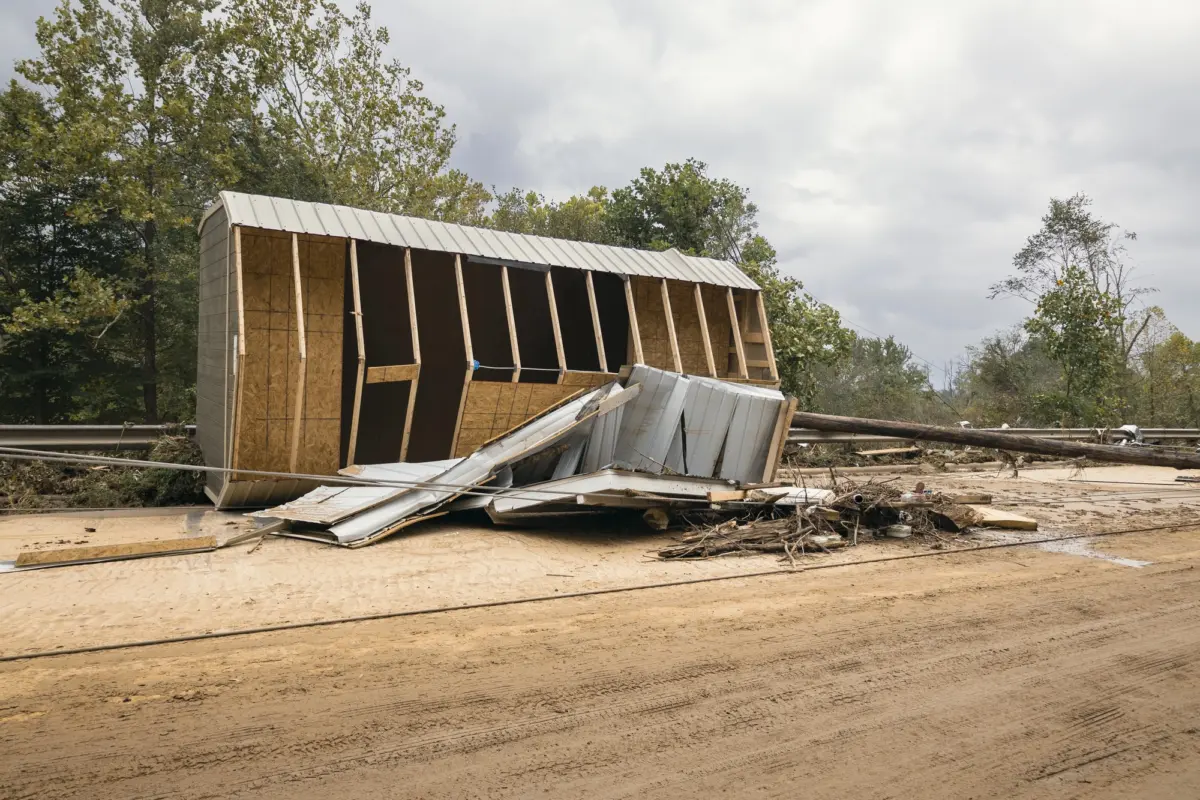
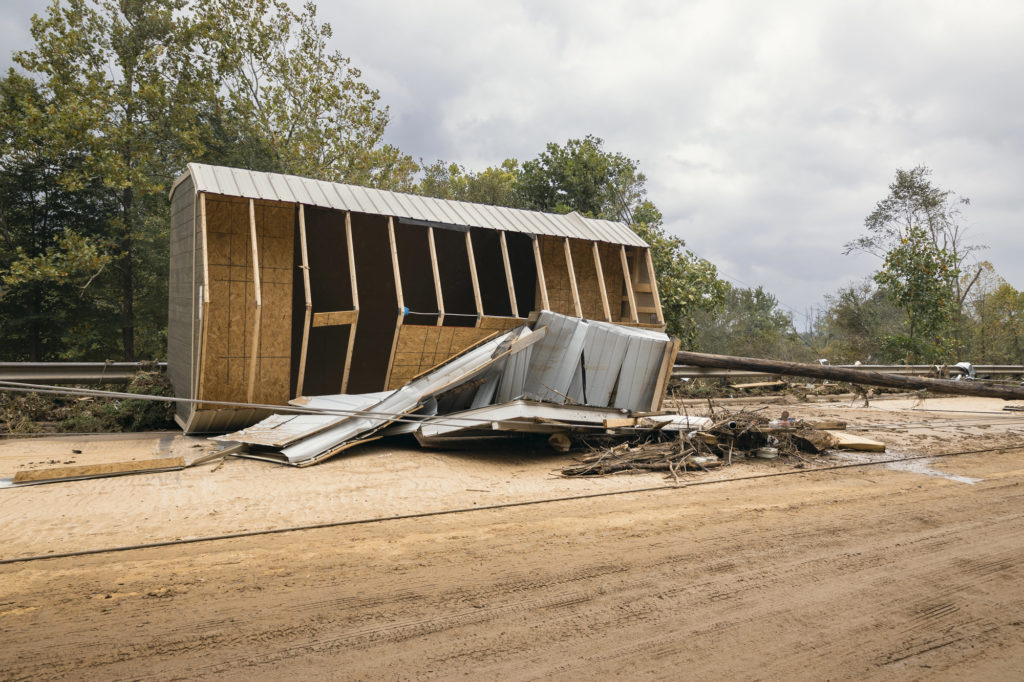
As the storm swept across the state, it brought torrential downpours, devastating wind gusts, and severe flooding. The timing of the storm could scarcely have been worse, coinciding directly with the harvest periods for several key southeastern crops. Cotton bolls were beaten into the mud, pecan orchards suffered catastrophic structural damage with mature trees uprooted by the thousands, and peanut and vegetable crops were submerged under relentless floodwaters. Furthermore, the storm crippled rural infrastructure, knocking out electrical grids for weeks, destroying irrigation pivots, and devastating agricultural outbuildings, barns, and storage facilities.
Immediate Aftermath and Damage Assessments
In the immediate wake of the disaster, local extension agents, state agricultural officials, and federal representatives mobilized rapidly to conduct preliminary damage assessments. The initial figures painted a grim picture. Millions of acres of productive farmland were impacted, with losses spreading across traditional row crops, horticulture, specialty crops, and the state’s massive timber industry.
Recognizing that local and state resources alone would be wholly inadequate to address the monumental scale of the destruction, state leaders immediately began petitioning Washington for federal disaster declarations and emergency funding packages.
Legislative Advocacy and Congressional Action
The path to securing $531 million required significant bipartisan cooperation and relentless advocacy within the halls of Congress. Georgia’s congressional delegation, working alongside state agricultural leadership, pressed the legislative branch to recognize the unique vulnerabilities of southern agriculture in the wake of Helene.
Through concerted legislative pressure, Congress ultimately mandated specific recovery assistance targeted at agricultural producers affected by the hurricane. This legislative mandate laid the groundwork for the USDA to step in with specialized funding mechanisms. However, securing congressional authorization was only the first hurdle; designing an equitable, efficient, and legally compliant distribution framework required intense administrative collaboration between federal and state agencies.
The Block Grant Agreement and Final Announcement
Following months of meticulous negotiations, USDA Secretary Brooke Rollins and Georgia Agriculture Commissioner Tyler Harper finalized the block grant agreement that officially unlocks the funds. By choosing a block grant model, the USDA empowered the Georgia Department of Agriculture to directly manage and distribute the financial relief. This approach ensures that local authorities—who possess an intimate, granular understanding of Georgia’s diverse agricultural landscape—can tailor the distribution process to meet the specific, pressing needs of the state’s farmers, mitigating bureaucratic delays and getting cash into the hands of producers when they need it most.
Supporting Context & Metrics: The Scale of Destruction in Georgia Agriculture
To appreciate the significance of a $531 million recovery package, one must examine the fundamental metrics that define Georgia’s agricultural economy and the specific vulnerabilities exposed by Hurricane Helene.
Georgia’s Agricultural Footprint
Agriculture is the bedrock of Georgia’s economy, contributing tens of billions of dollars annually and supporting hundreds of thousands of jobs across the state. Georgia consistently ranks at or near the top nationwide in the production of several vital commodities, including:
- Peanuts: A cornerstone of southern agriculture, representing a massive share of the domestic market.
- Cotton: A globally traded commodity heavily reliant on the weather conditions of the Deep South.
- Pecans: A specialty crop requiring decades of cultivation, making tree losses uniquely devastating and irreversible in the short term.
- Blueberries and Horticulture: High-value specialty crops vulnerable to heavy winds and standing water.
- Poultry and Livestock: Industries dependent on a steady, secure supply of locally and regionally produced feed grains.
Financial Toll on Producers
When Hurricane Helene swept through Georgia, it did not discriminate among commodities. Row crop farmers saw their harvest-ready yields decimated in a matter of hours. For instance, open-boll cotton crops were severely downgraded in quality or entirely lost due to wind-blown rain and debris.
Pecan growers faced perhaps the most emotionally and financially devastating blow: mature trees that take 10 to 15 years to reach peak production were snapped like toothpicks by tornadic winds. Replanting an orchard requires immense capital investment with a virtually nonexistent return on investment for over a decade.
Beyond crops, the infrastructure deficit created by the storm was staggering. Thousands of miles of fencing were destroyed, letting livestock wander off. Rural electric cooperatives faced monumental repair bills to restore power to automated feeding systems, milking parlors, and grain drying facilities. Irrigation systems—vital for sustaining yields during dry summer months—were twisted into scrap metal across thousands of acres.
The Role of Block Grants in Disaster Relief
Federal disaster assistance often gets bogged down by rigid, one-size-fits-all national guidelines that fail to account for the unique operational realities of regional farming. The block grant mechanism utilized in this $531 million package bypasses many of these traditional bureaucratic hurdles. By allocating a lump sum to the Georgia Department of Agriculture, the state is equipped to deploy targeted relief grants directly to verified applicants who suffered documented losses. This methodology ensures maximum transparency, localized accountability, and speed of delivery—critical factors for farm families teetering on the edge of insolvency following a catastrophic season.
Official Statements and Leadership Perspectives
The announcement of the $531 million recovery package elicited strong reactions from federal and state leaders, underscoring a unified commitment to stabilizing the agricultural backbone of the American South.
U.S. Secretary of Agriculture Brooke Rollins
In her official remarks announcing the funding, U.S. Secretary of Agriculture Brooke Rollins emphasized the unwavering federal commitment to the American farmer. Rollins articulated a clear message regarding the strategic importance of national food security:
"President Trump has our farmers’ backs and will ensure you have the resources you need to continue to produce the safest, most reliable, and most abundant food supply in the world."
Rollins highlighted that agricultural resilience is intrinsically tied to national security. By stepping in with robust congressionally mandated relief, the USDA aims to insulate domestic markets from supply chain disruptions caused by extreme weather events. Her statements reassure producers that federal agencies recognize the existential threats posed by severe climate anomalies and stand ready to provide meaningful financial backing.
Georgia Agriculture Commissioner Tyler Harper
State-level leadership played an instrumental role in bringing these funds to fruition. Georgia Agriculture Commissioner Tyler Harper expressed immense pride in the tireless efforts of his departmental team, noting the sheer volume of work required to secure the maximum possible federal allocation.
Harper did not mince words regarding the severity of the crisis and the necessity of the funds:
"This funding is absolutely essential to help our farm families bounce back from Hurricane Helene. Our team invested hundreds of hours into the negotiations process to secure the maximum possible amount of federal funding for the state and our producers."
Harper confirmed the operational rollout of the initiative, noting that the state is prepared to rapidly distribute the $531 million via block grants to individuals and families who submitted applications detailing their storm-related damages from the previous year. His remarks reflect a deep personal and professional dedication to safeguarding Georgia’s rural communities against forces entirely outside their control.
Future Outlook: Building Resilience and Ensuring Long-Term Food Security
While the infusion of $531 million provides an essential financial bridge for Georgia producers, the broader conversation within the agricultural community is rapidly shifting toward long-term resilience, risk management, and systemic adaptation.
Rebuilding and Replanting
For many Georgia producers, the immediate priority is survival: settling outstanding operational loans, purchasing seed and fertilizer for upcoming planting cycles, and repairing damaged physical infrastructure. The block grant funds will serve as vital working capital, allowing farmers to clear debris, restore damaged irrigation pivots, and replace lost equipment.
For specialty crop growers, particularly pecan and orchard farmers, the timeline is considerably longer. Rebuilding an orchard requires patient capital, specialized rootstock, and years of careful husbandry. State and federal agricultural extension offices are expected to play a crucial role in providing technical assistance and guidance to help these producers restructure their operations for future sustainability.
The Growing Threat of Extreme Weather
Hurricane Helene is part of an alarming trend of increasingly intense, unpredictable weather events impacting agricultural regions across the United States. From severe droughts in the Midwest to catastrophic hurricanes in the Southeast, modern agricultural producers face unprecedented environmental volatility.
This reality is reshaping how agricultural policy is formulated. Discussions in Washington and state capitals increasingly focus on bolstering crop insurance programs, investing in climate-resilient infrastructure, and expanding discretionary disaster funds that can be deployed rapidly without requiring prolonged, ad-hoc legislative battles for every major storm.
Ensuring a Stable Food Supply
Ultimately, the distribution of these block grants is not merely an act of localized charity; it is a vital investment in the stability of the global food supply chain. Georgia’s agricultural output feeds millions of Americans and contributes significantly to international export markets. By ensuring that Georgia’s farm families can weather the storm and return to their fields, the USDA and the Georgia Department of Agriculture are safeguarding the predictability, safety, and abundance of the nation’s food supply for years to come.
As the distribution process accelerates in the coming weeks, the eyes of the agricultural world will remain fixed on Georgia—watching a resilient community rebuild, replant, and rise once again from the wreckage of historic natural disaster.

0 Comments