

Executive Overview
For decades, the 469-mile ribbon of asphalt known as the Blue Ridge Parkway has served as the undisputed architectural and scenic spine of the American Appalachian highlands. Conceived during the depths of the Great Depression as a monumental New Deal public works project, the parkway was engineered to stitch together two of the nation’s premier natural preserves—Virginia’s Shenandoah National Park and North Carolina’s Great Smoky Mountains National Park.
Yet, as traveler and journalist Lindsey Liles discovered during a transformative multi-day expedition through the North Carolina and Virginia stretches of the highway, the true essence of the parkway defies rigid itineraries. Stripping away the compulsion for precise timing reveals a living ecosystem where centuries-old musical traditions, a burgeoning culinary revolution, and resilient mountain communities intersect.
Navigating the parkway today requires more than a casual glance at a GPS unit. In the wake of historic environmental disruptions—most notably the devastation wrought by Hurricane Helene in late 2024—the route demands respect, adaptability, and an offline map. This report chronicles a journey that embraces the unexpected, capturing a landscape deeply respectful of its past yet dynamically re-inventing its future.
Detailed Chronology: A Milepost-by-Milepost Exploration
Day One: Roots of the Sound and the Rebirth of a Diner
The expedition begins just north of the North Carolina border at Milepost 213: the Blue Ridge Music Center in Galax, Virginia. Serving as an institutional gateway to the cultural heritage of the highlands, the center traces the provenance of mountain music directly to the watershed 1925 Asheville recording sessions. According to former long-time director Richard Emmett, those near-mythic recordings "lit the fuse that led to the growth and development of country, bluegrass, and Americana music." Today, that sonic legacy persists through daily live performances and the seasonal Milepost Music series, providing travelers with an indispensable auditory backdrop—featuring artists like the Steep Canyon Rangers and the Chatham Rabbits—for the miles ahead.
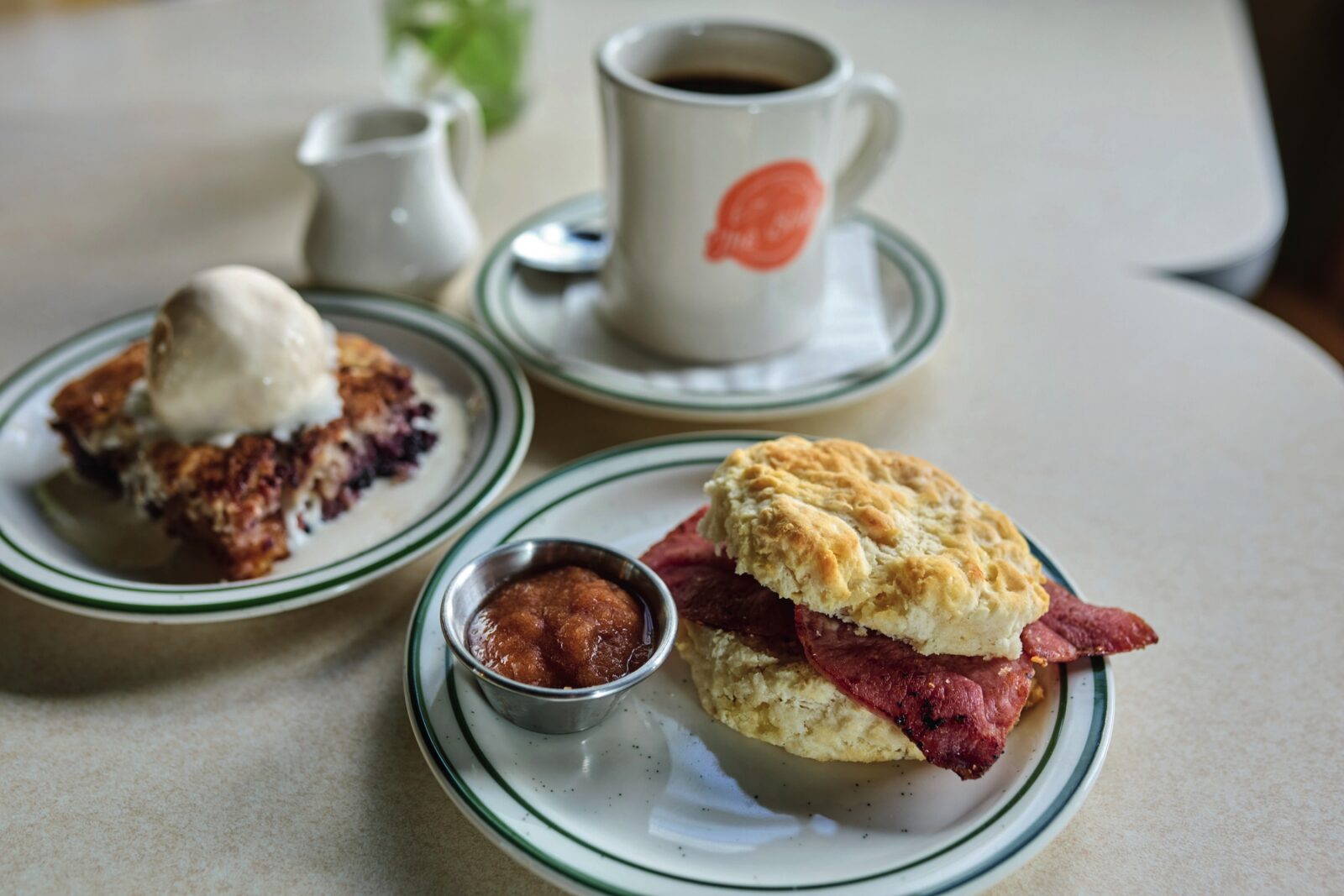
Moving south into North Carolina, the journey hits a poignant historical marker at Milepost 241: Doughton Park. Here stands The Bluffs Restaurant, originally opened in 1949 as the parkway’s inaugural sit-down diner. Following its closure in 2010—a severe blow to local morale—a dedicated public funding campaign led by the Blue Ridge Parkway Foundation successfully orchestrated its triumphant reopening. Retaining its mid-century character, complete with checkerboard flooring and comforting Southern classics, the diner serves time-tested staples, from house-made pinto beans to crispy fried chicken that tastes of home.
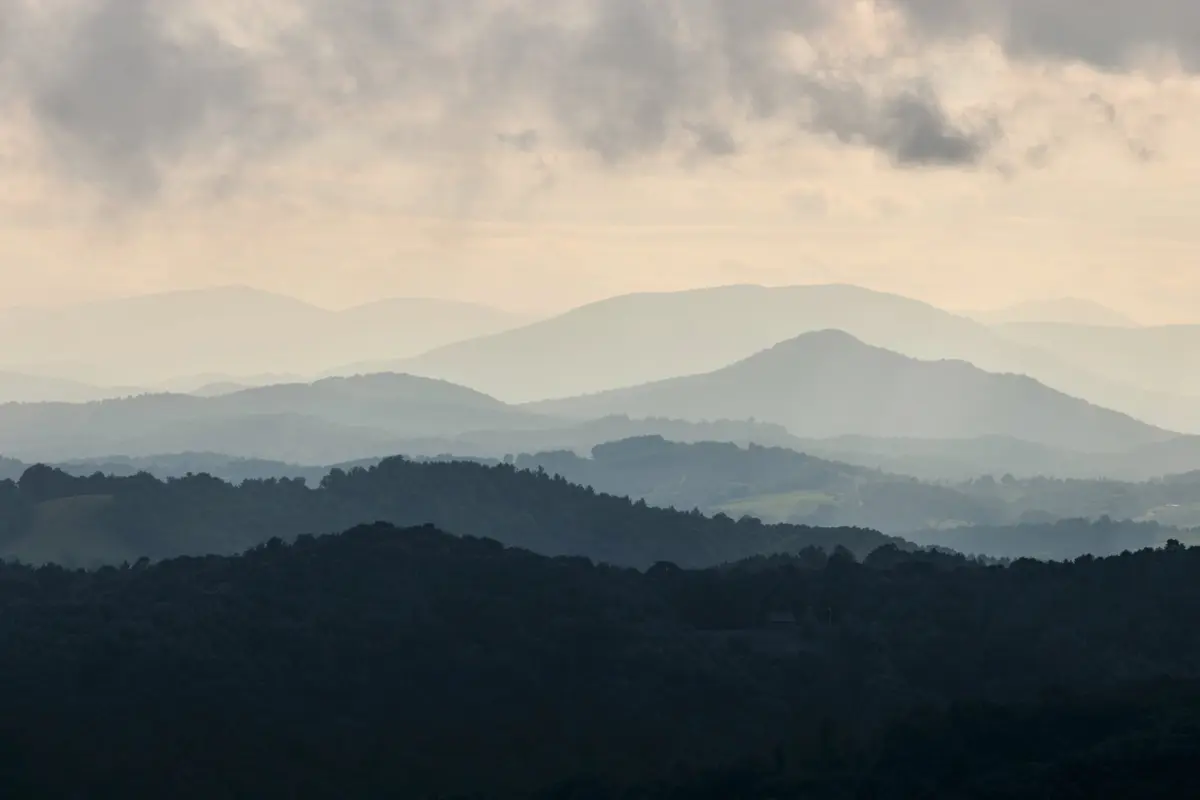
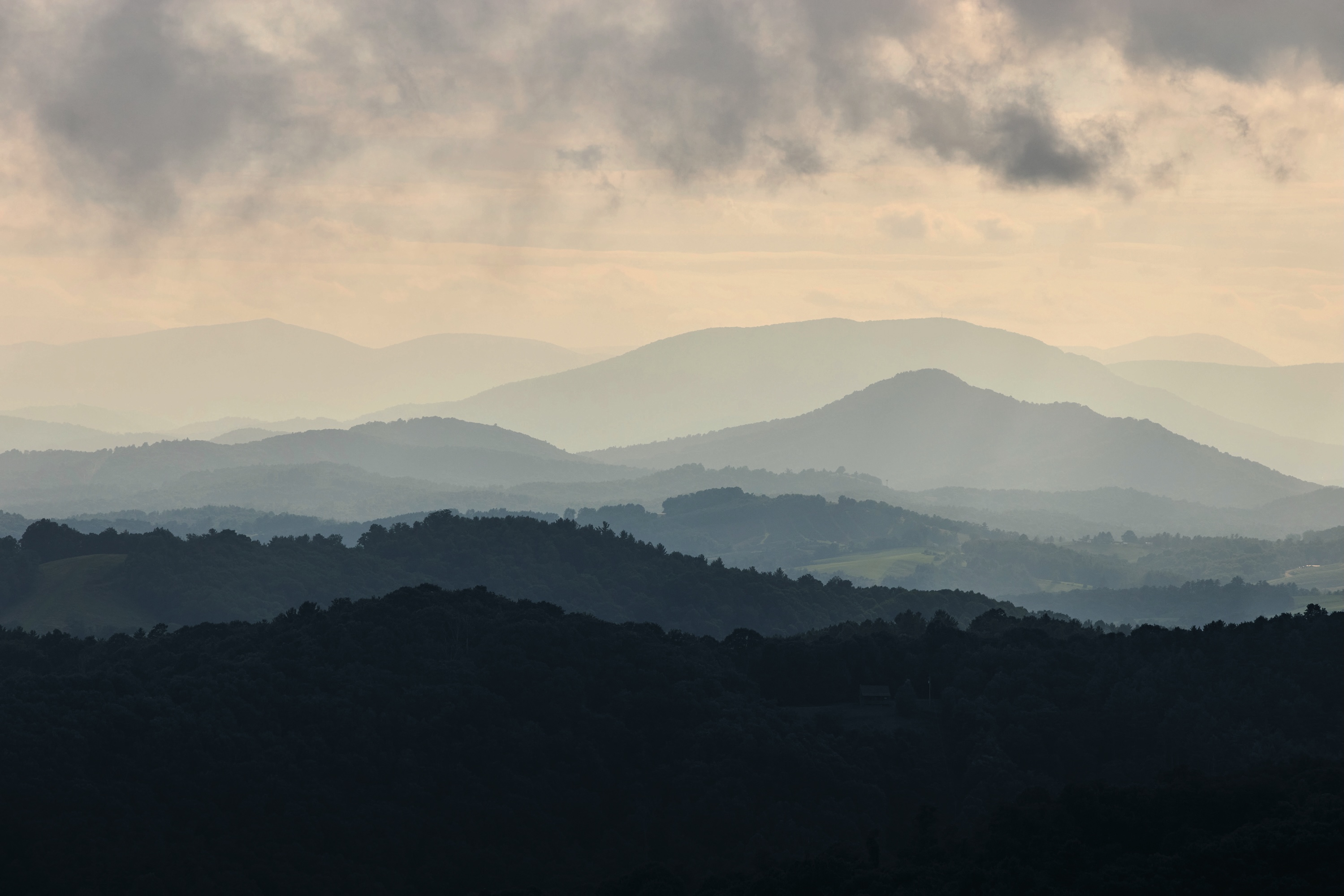
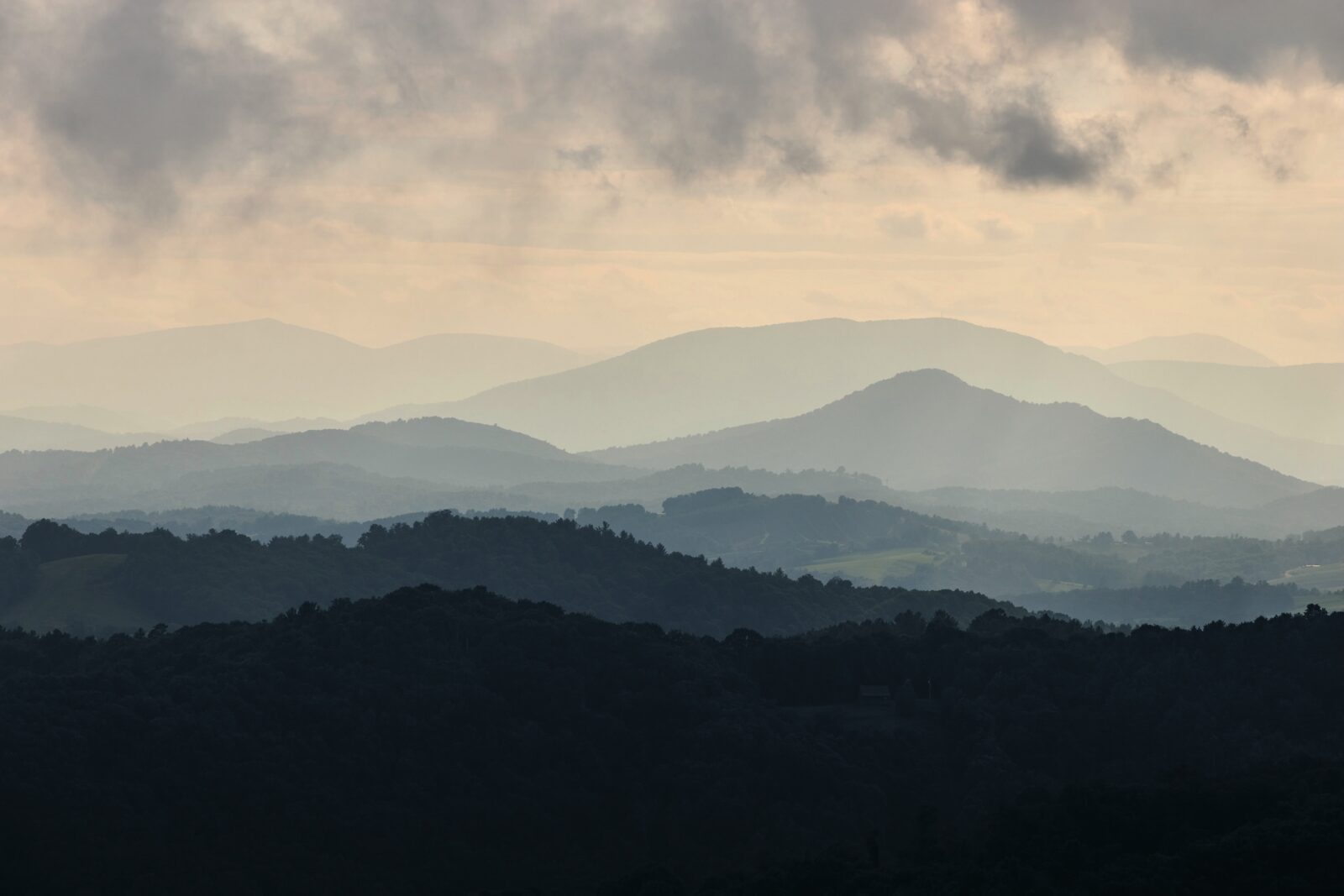
As afternoon rain casts a silvery glow across the deciduous canopy, the motorist faces the enduring paradox of the parkway: the constant tension between wanting to absorb the breathtaking vistas of the blue-tinged valleys and the absolute necessity of keeping one’s eyes firmly on the winding two-lane pavement.
Day Two: Mountain Modernism in Boone and Blowing Rock
By evening, the descent into downtown Boone offers a masterclass in modern mountain hospitality. A stay at The Horton Hotel, distinguished by its popular rooftop firepit, places travelers within walking distance of King Street’s vibrant commercial corridor. Culinary and retail explorations here reveal a community striking a balance between heritage craftsmanship and contemporary style:
- Appalachia Cookie Company: Purveyors of fresh, warm, decadent baked goods.
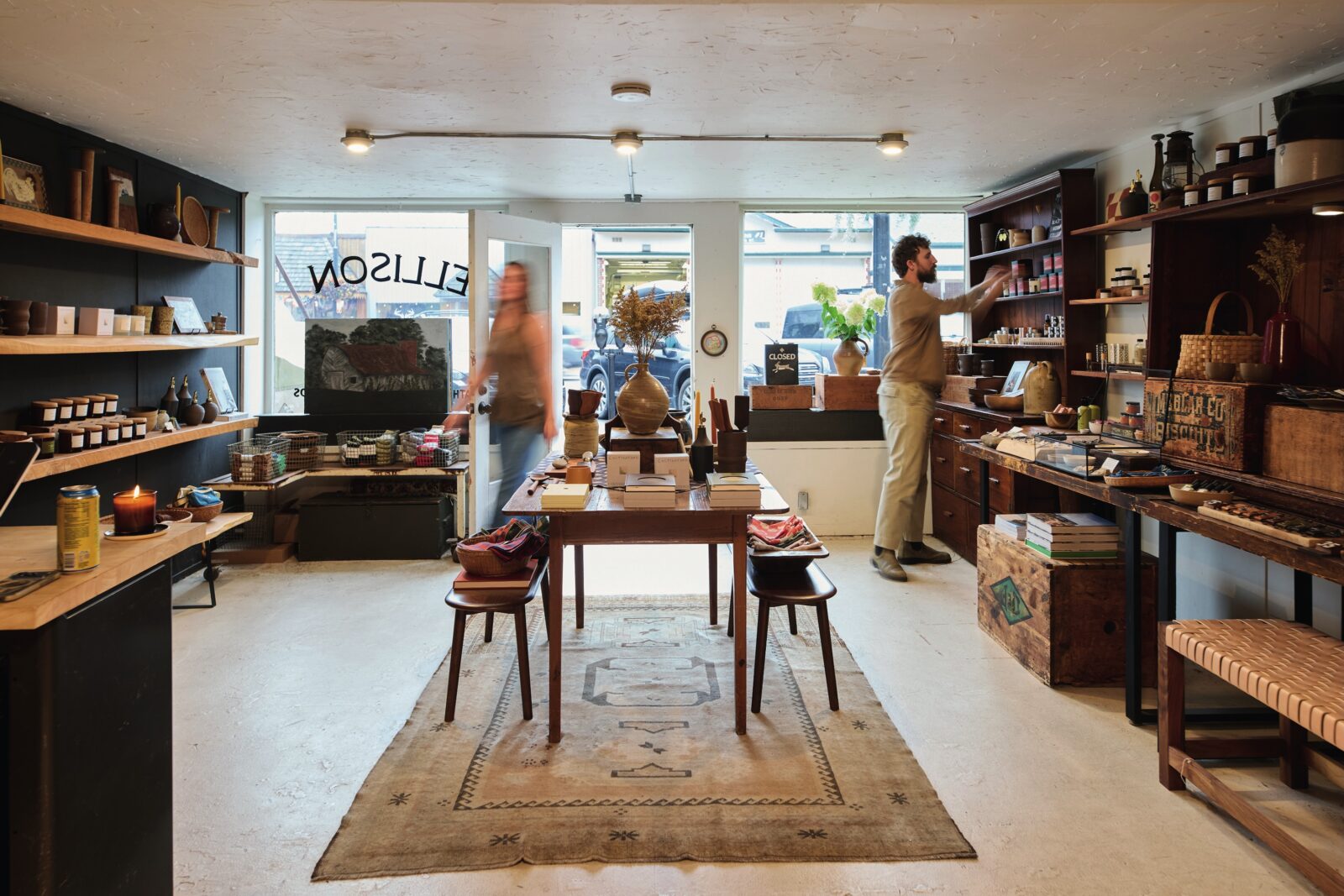
- Ellison: A high-end boutique showcasing regionally sourced leather goods and bespoke ceramics.
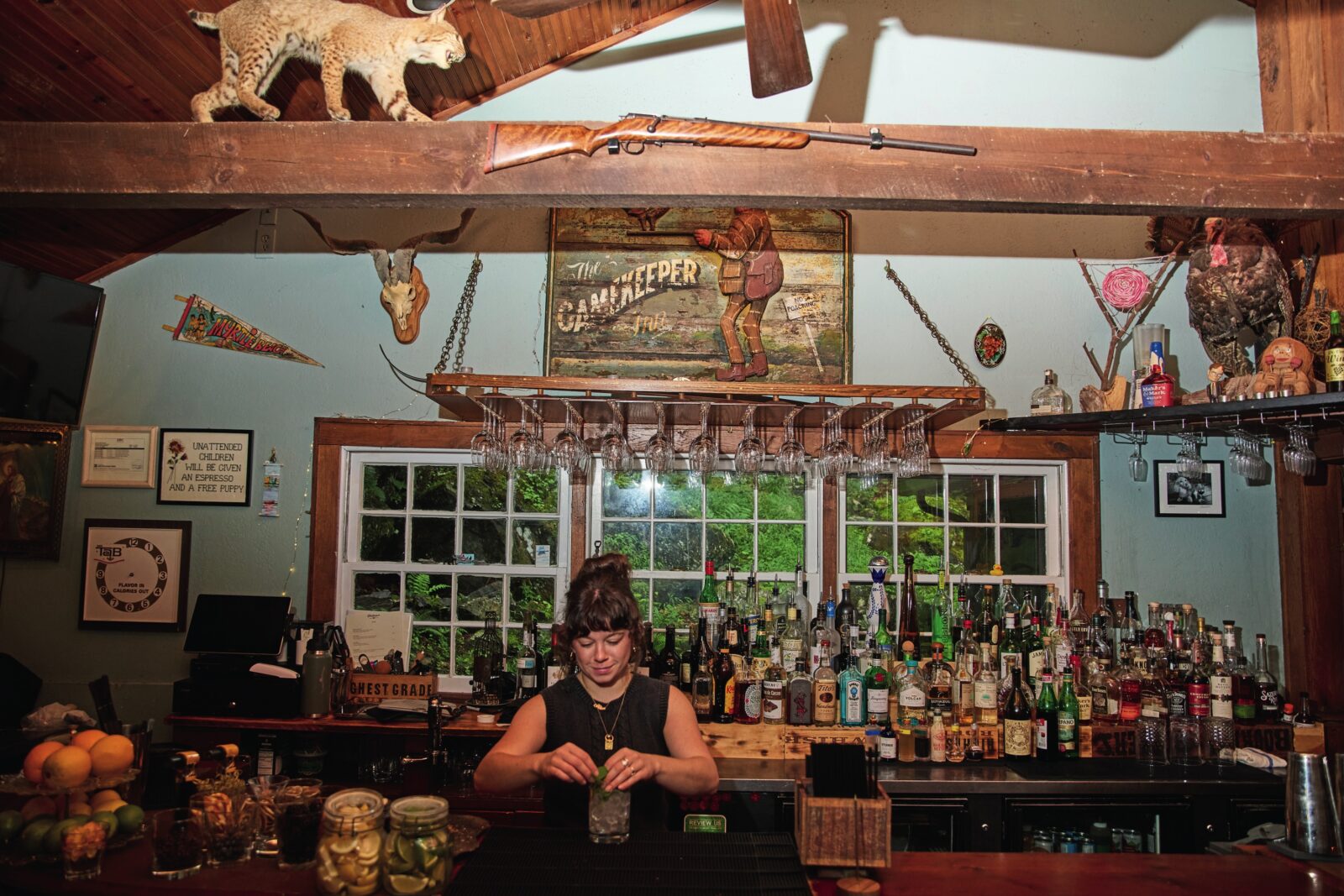
- The Gamekeeper: Located a short, serpentine fifteen-minute drive up a moss-draped, boulder-strewn hillside outside of town, this rustic cottage serves "mountain-modern cuisine." Helmed by quirky proprietor Ken Gordon—whose philosophy insists that adventurous roads deserve adventurous menus—the establishment plates exceptional local fare, including melt-in-your-mouth Carolina bison short ribs and pickled quail eggs.
The following morning brings breakfast at Melanie’s Food Fantasy before a short jaunt to neighboring Blowing Rock. Architectural preservation shines here through structures like Edgewood Cottage, situated near the Blowing Rock Art & History Museum. Artists-in-residence frequently occupy the cottage, drawing inspiration from nearby cultural assets like Moses Cone Manor and Bass Lake.
The Cone estate—spanning a sprawling white Colonial Revival mansion built by textile magnate Moses Cone, affectionately known as the "Denim King"—now serves as a hub for the Southern Highland Craft Guild. Navigating this stretch toward Asheville, however, underscores the practical realities of modern travel in Western North Carolina. Post-Helene recovery efforts mean occasional detours; travelers are heavily cautioned that cellular networks and automated navigation apps frequently fail in these rugged ravines, making traditional paper maps essential survival tools.
Day Three: Heirloom Orchards and Roaring Twenties Asheville
Due to the engineered geometry of the parkway, rushing is structurally impossible. This design quirk gifts travelers with accidental discoveries, such as the Orchard at Altapass (roughly an hour northeast of Asheville). This nonprofit preservation site safeguards dozens of heirloom apple varieties, including Virginia Beauties and York Imperials, offering visitors a slice of warm pie and a tangible connection to agricultural history.
Upon reaching Asheville, accommodations shift to Zelda Dearest, a boutique hotel comprising four meticulously restored turn-of-the-century homes. With twenty rooms themed around Jazz Age icon Zelda Fitzgerald, the property features architectural quirks like turrets, curved ceilings, and sunrooms.
Dinner at Neng Jr.’s highlights a vital reality of contemporary Appalachia: its increasing cultural diversity. Chef Silver Iocovozzi and his husband, Cherry, curate an intimate dining experience that marries traditional Filipino cooking techniques with hyper-local Appalachian ingredients. Diners seated at the bar are treated to dishes like smoky adobo chicken, grilled tilefish over fresh greens, and oysters paired with jammy cured quail egg yolks—all washed down with crisp, foraged crab-apple fermented Virginia ciders.
Day Four: Botanical Wonders and High-Altitude Ridges
Departing Asheville after a pastry run to Owl Bakery, the road leads directly to the North Carolina Arboretum. Celebrating its fortieth anniversary, the 434-acre sanctuary features an acclaimed bonsai garden housing a meticulous miniature representation of Mount Mitchell—the highest peak east of the Mississippi River—complete with native white spruce and woolly yarrow.
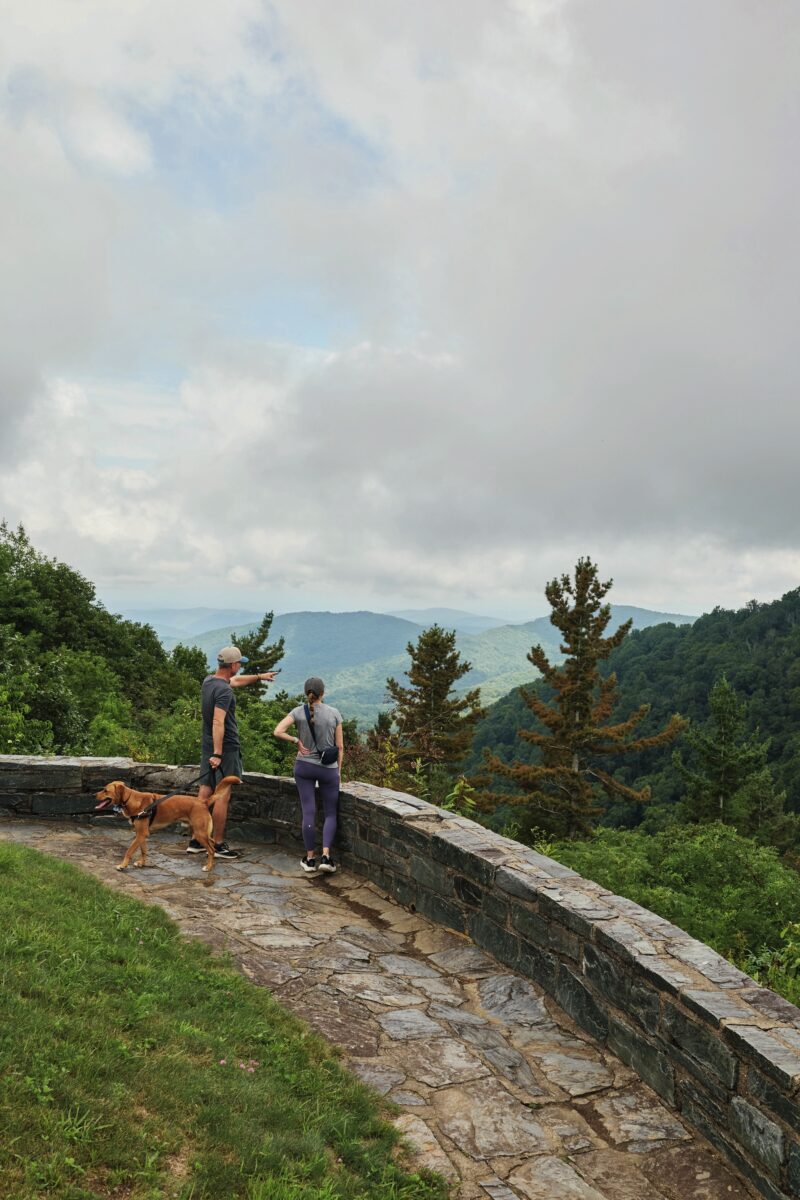
Further south at Milepost 420, the journey transitions from automotive touring to pedestrian immersion at Black Balsam Knob. Ascending the Art Loeb Trail into an atmosphere chilled by balsam fir and red spruce, hikers reach a panoramic vista at 6,214 feet. Contemplating the landscape from this elevation invites reflection on the region’s ecological history. Though generations of early-twentieth-century logging stripped the mountains of their ancient old-growth canopies, the regenerating secondary forests now harbor an extraordinary array of biodiversity—from migratory warblers and lungless salamanders to black bears—thriving far below the silvery line of the parkway.
Day Five: The Finale at Cataloochee Ranch
The final leg of the parkway delivers travelers to the threshold of Cataloochee Ranch, a historic mountain resort perched dramatically above Maggie Valley and directly adjacent to the Great Smoky Mountains National Park. Operated by proprietors Annie and David Colquitt, the property bridges rustic mountain heritage with refined luxury. Cabins outfitted with stone chimneys, tin roofs, heated bathroom floors, and plush king beds offer an ideal sanctuary.
Dinner at the ranch’s on-site restaurant—featuring locally sourced trout with perfectly crisped skin—caps an itinerary defined not by rigid schedules, but by the spontaneous rhythms of the natural world: wild turkeys strutting across the tarmac, groundhogs peering from grassy verges, and the gentle patter of sudden afternoon mountain rain.
Supporting Context & Metrics
| Category | Metric / Detail | Significance |
|---|---|---|
| Infrastructure | 469 Miles | Total continuous length of the scenic parkway connecting Virginia and North Carolina. |
| Historical Milestone | 1935 | Official commencement of New Deal-era construction under federal relief programs. |
| Cultural Foundation | 1925 | The historic Asheville recording sessions that catalyzed modern country, bluegrass, and Americana music. |
| Ecological Altitude | 6,214 Feet | Peak elevation reached along the Art Loeb Trail at Black Balsam Knob (Milepost 420). |
| Post-Disaster Recovery | 2024 (Hurricane Helene) | Watershed environmental event requiring ongoing infrastructure repairs and offline navigation precautions. |
Official Statements and Regional Perspectives
The preservation and ongoing evolution of the Blue Ridge Parkway depend heavily on coordinated stewardship between federal agencies, non-profit foundations, and local cultural leaders.
Reflecting on the cultural continuity of the region, Richard Emmett, former long-term director of the Blue Ridge Music Center, emphasized the enduring resonance of the highland sound:
"The 1925 Asheville sessions were nearly forgotten recordings that first captured the authentic Appalachian sound, acting as the fundamental spark that ignited the commercial growth of country, bluegrass, and Americana music across the globe."
Highlighting the adventurous spirit required to experience modern mountain culture, restaurateur and innkeeper Ken Gordon of The Gamekeeper noted:
"Coming to the mountains is an adventure. Driving up the road to get here is an adventure. Why not be adventurous in what you order, too?"
Furthermore, regional transportation and conservation authorities continue to stress traveler preparedness. Following the structural challenges introduced by severe weather events in late 2024, parkway officials and local tourism boards consistently issue guidance reminding motorists that digital mapping applications—such as standard smartphone GPS systems—frequently fail in remote mountain gorges. Stakeholders strongly advocate for reliance on physical, printed maps and localized ranger updates to ensure both traveler safety and the protection of fragile roadside ecosystems.
Future Outlook
As the Blue Ridge Parkway looks toward the remainder of the twenty-first century, its core mission is undergoing a delicate balancing act. On one hand, federal land managers and regional foundations face the pressing challenge of climate resilience, upgrading drainage, slope stabilization, and roadway infrastructure to withstand increasingly volatile weather patterns and severe precipitation events like those experienced in recent years.
Simultaneously, the cultural landscape surrounding the parkway is expanding. No longer defined solely by historical preservation of pioneer homesteads and traditional mountain crafts, the economic corridor is embracing a more inclusive and dynamic identity. The infusion of diverse culinary talent—exemplified by contemporary Appalachian-fusion dining concepts—alongside a renewed commitment to indigenous ecological management, ensures that the parkway remains a living, breathing artery of American culture rather than a static museum exhibit.
For travelers willing to relinquish tight schedules, stow their smartphones, and embrace the meandering pace of the ridge lines, the Blue Ridge Parkway offers an enduring promise: a journey where the detours, the spontaneous conversations in roadside diners, and the quiet moments above the clouds invariably prove more memorable than any final destination.

0 Comments