By Agricultural and Commodities Desk Published: October 2026
Executive Overview
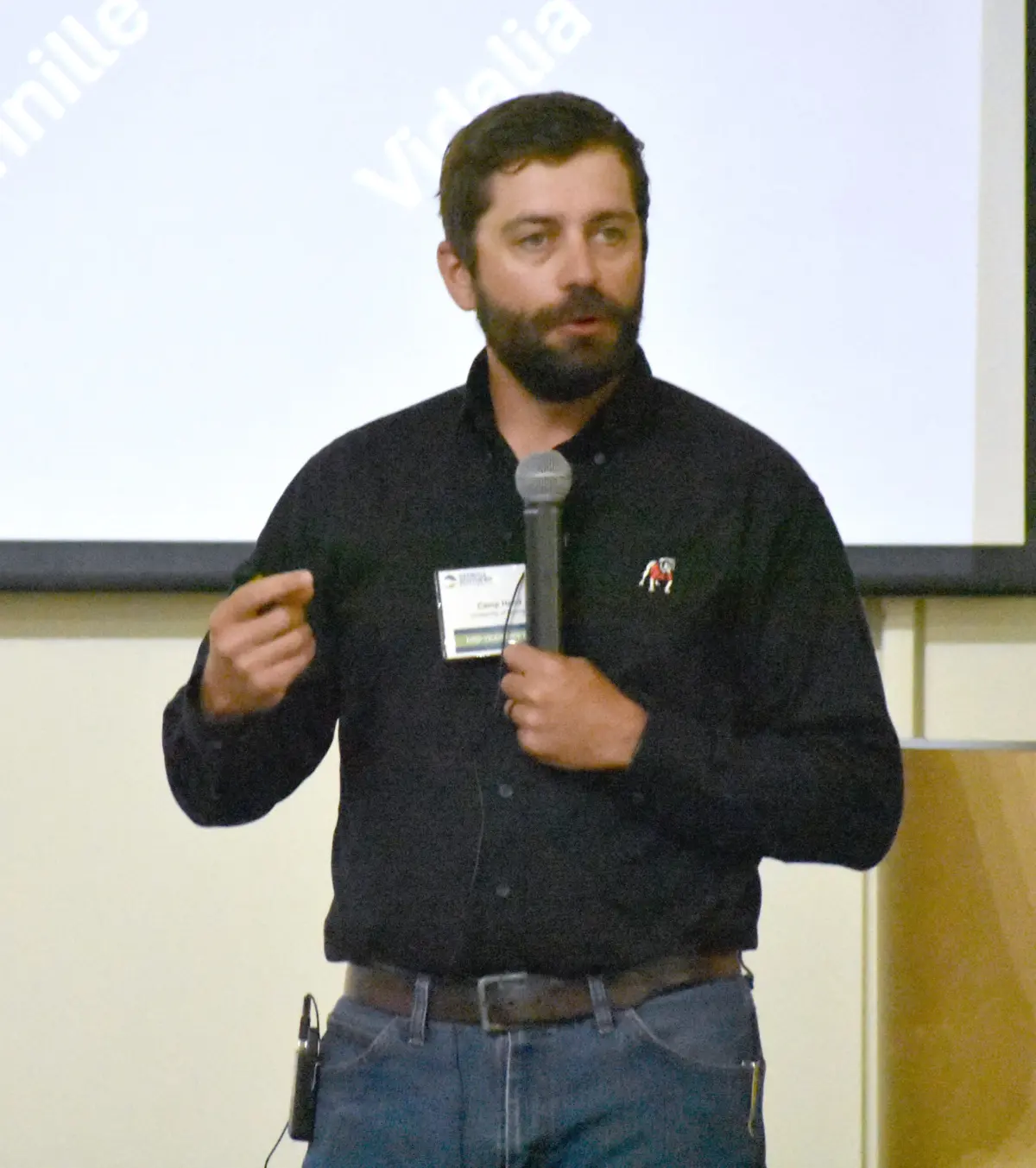
Georgia’s agricultural sector is facing a critical bottleneck as a surge of unseasonal heavy rainfall sweeps across the state’s prime cotton-producing regions. The Georgia Cotton Commission, alongside University of Georgia (UGA) Extension cotton agronomist Camp Hand, has issued urgent advisories to growers, urging extreme caution regarding harvest and defoliation plans over the coming weeks.
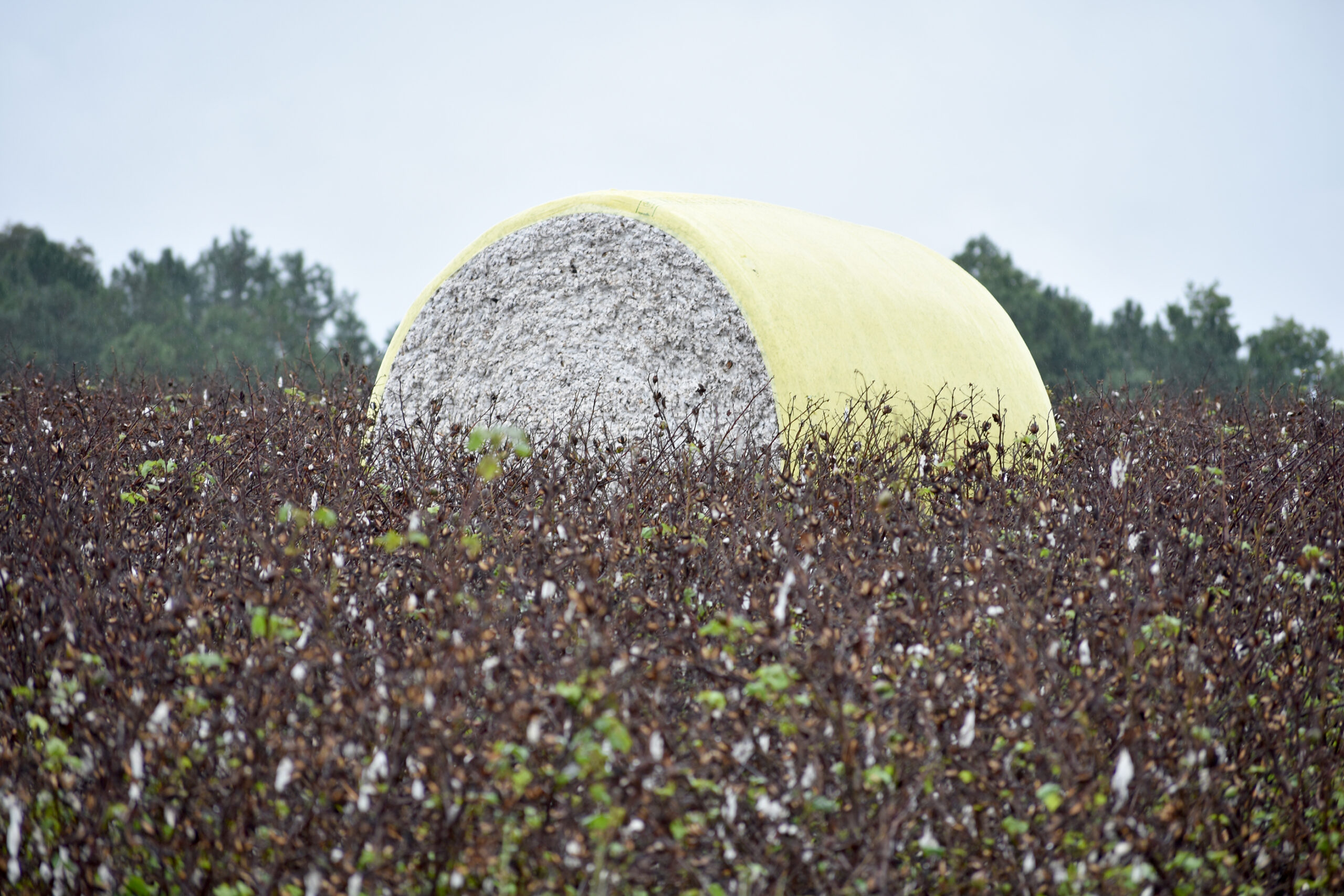
With torrential downpours dumping inches of rain across southern Georgia—most notably drenching Tifton with nearly four inches in a single weekend—fields have transformed into waterlogged tracts of heavy mud. For cotton producers, the timing could hardly be worse. The crop sits at a vulnerable stage where bolls are fully open or nearing maturity. Trying to force machinery into saturated soils risks catastrophic equipment damage, severe soil compaction that will impact future crop cycles, and substantial yield and fiber quality losses.
This comprehensive report examines the immediate operational challenges facing Georgia cotton farmers, analyzes regional weather data, outlines the science and necessity of delayed defoliation, and evaluates the broader economic and seasonal outlook for the state’s multi-million-dollar cotton industry.
Detailed Chronology: The Storm Front and Field Realities
The current operational standstill is the direct result of a powerful weather system that stalled over the Southeast during the early days of October. According to data compiled by the UGA Weather Network, the deluge hit agricultural communities with relentless force between October 2 and October 4, catching many farmers midway through their pre-harvest management schedules.
The October Deluge by the Numbers
Tifton, Georgia: Recorded a staggering 3.87 inches of rainfall, bringing localized field operations to an immediate halt and severely compromising soil bearing capacity.
Albany, Georgia: Received approximately 3.33 inches, triggering localized flooding risks in low-lying agricultural corridors and leaving low spots completely submerged.
Waycross, Georgia: Accumulated a notable 1.36 inches, compounding existing moisture retention issues in regional soils.
This sudden influx of water disrupted a critical window for agricultural logistics. October is historically a month defined by steady harvesting, optimal field drying conditions, and the methodical application of harvest-aid chemicals. Instead, producers are forced to watch from the sidelines as standing water pools in row middles, and previously defoliated cotton bolls face sustained high-humidity conditions.
According to Hand and regional extension agents, the immediate fallout involves halted harvest schedules. Combines, pickers, and boll buggies—weighing several tons when fully loaded—cannot traverse mud without causing severe structural damage to the field and risking the financial ruin of sinking a half-million-dollar picker.
The High Cost of Impatience: Equipment, Soil Health, and Yield Degradation
In the high-stakes environment of row-crop agriculture, the psychological pressure to harvest mature crops before weather conditions deteriorate is immense. However, UGA Extension specialists emphasize that yielding to impatience in saturated conditions multiplies losses rather than mitigating them.
The Dangers of Sub-Surface Compaction and Sinking Machinery
Operating heavy farm machinery on wet soils creates deep ruts that destroy bed profiles, disrupt subsurface drainage, and cause severe soil compaction. This compaction restricts root growth for future crops—such as peanuts, corn, or the following year’s cotton—leading to persistent yield penalties that can plague a farm for multiple seasons.
Worse yet is the acute risk of getting expensive harvest machinery permanently stuck. Camp Hand, reflecting on his own field experiences, offered a blunt warning to producers:
"I’m a fairly impatient person myself. I’ve been known to sink a tractor every now and then, but it’s not worth it. I mean, just wait until you can safely get out there and do some stuff that’s not going to put you further behind. You don’t want to get out there and sink a picker and then do something bad to any of the heads, God forbid, or the machine itself. Doing something like that, sinking a picker, creates problems the next year on the next crop."
Quality Loss and Weathering in Open Bolls
Beyond physical infrastructure risks, standing cotton is highly susceptible to quality degradation when exposed to prolonged moisture. Open bolls exposed to heavy rain and high humidity experience fiber staining, seed sprouting inside the boll (vivipary), and microbial breakdown. Even if the lint is eventually harvested, the fiber quality—measured by parameters such as strength, micronaire, and color grade—often suffers significant discounts at the gin, directly cutting into producer profit margins.
Official Guidance: The Science of Defoliation and Timing
A central component of the advisory issued by the Georgia Cotton Commission and UGA Extension focuses on the management of harvest-aid chemicals, commonly known as defoliants.
Why Defoliation Requires Sunshine and Warmth
Defoliants are chemical agents applied to cotton plants to induce leaf drop and open remaining bolls, facilitating an efficient, clean harvest by mechanical pickers. However, these chemicals do not act in a vacuum; their efficacy is profoundly tied to environmental conditions, particularly ambient temperature and solar radiation.
Hand explicitly advised growers to refrain from applying defoliants throughout the storm-impacted weeks of early October:
"It’s slowing us down in terms of getting some stuff defoliated. Of course, anything that has been defoliated is not getting harvested this week and it might not until the middle of next week… Anything that’s gotten defoliated is susceptible to some kind of loss from this, whether it’s quality or direct losses. Then it just puts us behind. That’s kind of the biggest concern is it just putting us behind."
Furthermore, Hand highlighted the critical role of sunlight in chemical activation:
"I mean, middle of next week, maybe like Oct. 15, maybe we can start back once the sun comes out. You really need sunshine for these things to work, for these defoliants to work. Temperature’s a big part of it, but sunshine just helps it so much."
Applying defoliants under cloudy, wet, and cool conditions results in poor leaf drop, leaves sticking to the harvested lint (trash content), and wasted chemical expenditure. Growers must monitor weather forecasts closely, waiting for a high-pressure system to clear skies and elevate daytime temperatures before resuming spray programs.
Supporting Context: The Georgia Cotton Industry at a Glance
To fully understand the gravity of weather delays in Georgia agriculture, one must view the sector through an economic lens. Georgia consistently ranks among the top cotton-producing states in the United States, frequently trading spots with Texas and Mississippi for national prominence.
Economic Impact: Cotton is a cornerstone of Georgia’s agricultural economy, contributing billions of dollars annually in farm-gate value, processing, and export revenues.
Global Export Market: A significant percentage of Georgia upland cotton is exported to international textile mills across Asia, meaning that harvest delays can ripple through global supply chains, affecting delivery schedules and forward-contract commitments.
Logistical Cascades: Cotton harvest coincides with the harvesting of other major southern row crops, including peanuts and soybeans. When weather events stall cotton, it compresses the operational window for processing multiple commodities simultaneously, straining drying facilities, gins, and rural transport infrastructure.
Future Outlook: Navigating the Back Half of October
As the agricultural community looks past the initial wave of storms, the primary concern shifts to weather patterns forecasted for the remainder of October.
Key Factors to Watch:
Extended Rain Projections: Meteorological models indicate the potential for additional heavy rainfall systems heading into subsequent weekends. If these systems materialize, the projected October 15 restart date for defoliation and harvesting could be pushed back even further.
Soil Drying Rates: With temperatures beginning their seasonal autumn descent, soil drying rates will slow down compared to summer months. Extension agents recommend utilizing soil moisture sensors and local weather station data to assess trafficability before moving heavy equipment into fields.
Gin Coordination: Producers should maintain close communication with their local cotton gins. Managing module yards and coordinating delivery schedules will be vital once harvesting resumes en masse to prevent bottlenecks at the ginning facilities.
Strategic Recommendations for Producers
Hold Off on Spraying: Refrain from applying harvest aids until clear skies, low humidity, and consistent daytime temperatures above 65°F–70°F return.
Prioritize Field Scouting: Inspect pre-defoliated fields for boll rot, sprouting, and hard lock, prioritizing those blocks for harvest as soon as field conditions permit traffic.
Equipment Maintenance: Utilize the forced downtime to service pickers, check spindle wear, ensure moisture sensors are calibrated, and prepare transport vehicles so that operations can run at peak efficiency during the next weather window.
By exercising patience, monitoring localized weather and soil conditions, and adhering to UGA Extension recommendations, Georgia cotton producers can minimize long-term crop damage and protect both their soil health and their bottom lines through the remainder of the 2026 harvest season.




0 Comments