

Executive Overview
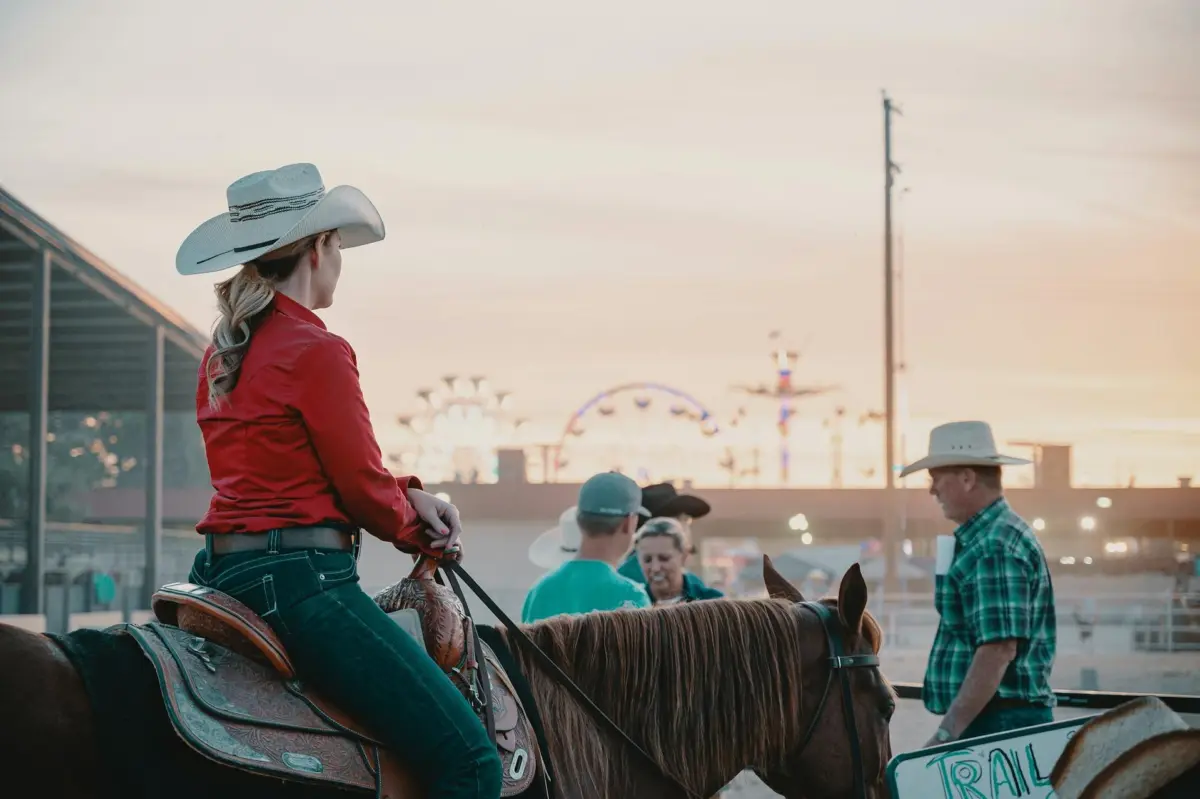
As the crisp autumn air settles over Perry, Georgia, the state’s agricultural community prepares for its premier annual showcase: the Georgia National Fair. Anticipated to draw upwards of half a million visitors over its multi-day run, the fairgrounds transform into a bustling epicenter of education, competition, and celebration. Among the prominent organizations establishing a major presence this year is the Georgia Beef Board (GBB).
In an exclusive interview with Southeast AgNet, Wyatt Doolittle of the Georgia Beef Board outlined the organization’s strategic vision for the upcoming exposition. Positioned primarily within the highly trafficked Georgia Grown building, GBB representatives are poised to engage with hundreds of thousands of consumers. For the state’s cattle producers, the fair is far more than a recreational event—it represents a vital, high-volume public relations and educational platform.
In an era defined by consumer curiosity, shifting dietary trends, and complex supermarket labeling, the Georgia Beef Board’s initiative focuses on transparency. By bridging the physical and informational gap between rural pastures and urban or suburban dinner tables, GBB aims to demystify cattle production, promote beef nutrition, and foster long-term trust in local agriculture.
Detailed Chronology: The Road to the Fairgrounds
Planning for an event of the magnitude of the Georgia National Fair does not happen overnight. It is the culmination of a year-round operational cycle executed by agricultural boards, livestock associations, and fair organizers.
Spring to Mid-Summer: Strategic Alignment
Months before the first livestock trailer rolls onto the Perry fairgrounds, the Georgia Beef Board begins its collaborative planning. This phase involves coordinating with the Georgia Department of Agriculture, mapping out booth designs within the Georgia Grown building, and organizing educational materials tailored to contemporary consumer inquiries. Staff and volunteers review previous years’ feedback to identify which topics—such as meat cuts, sustainability practices, and nutritional guidelines—sparked the most interest.
Late Summer: Securing Resources and Personnel
As harvest and cattle management cycles peak across the state, the GBB finalizes its roster of on-site personnel. This includes recruiting industry experts, nutritionists, and passionate cattle producers who can speak authentically about their daily operations. Training sessions are conducted to ensure consistent messaging regarding animal welfare, environmental stewardship, and beef safety standards.
The Eve of the Fair: Installation and Logistics
In the days immediately preceding the grand opening, logistics take center stage. Educational displays are erected, interactive digital tools or print brochures are stocked, and promotional merchandise is organized. The goal is to create an inviting, professional environment that immediately draws foot traffic away from the crowded concourses and into a space dedicated to agricultural literacy.
Opening Day and Beyond: Direct Consumer Engagement
Once the gates open, the primary operational phase begins. From morning until evening, GBB representatives engage in a continuous dialogue with the public. Face-to-face interactions dominate the schedule, transforming abstract agricultural concepts into tangible, relatable stories shared by the men and women who raise the cattle.
Supporting Context & Metrics: The Scale of Georgia’s Beef Industry
To understand the significance of the Georgia Beef Board’s presence at the state fair, one must examine the economic and cultural footprint of the state’s cattle sector.
Economic Impact and Production Scale
Georgia boasts a robust cattle and calf industry that contributes significantly to the state’s multi-billion-dollar agricultural economy. Thousands of family-owned farms operate across the state’s diverse physiographic regions—from the rolling pastures of the Piedmont to the coastal plains. These operations range from cow-calf enterprises supplying feeder cattle to backgrounding and finishing operations.
The Consumer Landscape
Despite Georgia’s rich agricultural heritage, a widening demographic gap exists between producers and consumers. The majority of the state’s population resides in metropolitan areas, particularly the Atlanta metropolitan region. Many urban and suburban residents are generations removed from primary production agriculture.
This disconnect often gives rise to misconceptions regarding:

- Animal Husbandry: How livestock are housed, fed, and treated throughout their lifespans.
- Environmental Stewardship: The role of ruminant livestock in land management, soil health, and carbon cycling.
- Nutritional Value: Understanding the role of protein in a balanced diet, alongside the micronutrient profile of beef (iron, zinc, B-vitamins).
- Supermarket Nomenclature: Deciphering complex packaging labels such as "grass-fed," "grain-fed," "organic," "natural," and various USDA quality grades (Prime, Choice, Select).
The Role of Checkoff Programs
The Georgia Beef Board operates under the federal Beef Promotion and Research Act (the Beef Checkoff), which levies a nominal assessment on cattle sales to fund promotion, research, and consumer information programs. Events like the Georgia National Fair serve as a direct application of Checkoff funds, providing an accountable, measurable return on investment by directly educating the public.
Official Statements and Insights
Wyatt Doolittle’s commentary captures the core philosophy driving the Georgia Beef Board’s outreach strategy. Highlighting the sheer volume of attendees, Doolittle emphasized the unmatched scale of the opportunity.
"The Georgia National Fair is about to kick off here in Perry and for the Beef Board, it is one of the biggest opportunities of the year to connect directly with consumers. So more than 500,000 people are expected to attend the fair and hundreds of thousands of those visitors will make their way through the Georgia Grown building," Doolittle stated.
The strategic placement within the Georgia Grown building places the beef industry shoulder-to-shoulder with other premier Georgia commodities, creating a unified front for state agriculture. Doolittle elaborated on the breadth of the conversations initiated at the booth:
"That gives us a tremendous opportunity to put beef, Georgia cattle producers, and agriculture directly in front of families from across the state. Throughout the fair, the Beef Board will be on site talking with consumers about everything from beef nutrition, to cooking, to where their food comes from, and the role that cattle producers play in Georgia agriculture. One of the most important parts of being at the fair is simply having those face-to-face conversations."
Addressing the evolving mindset of the modern shopper, Doolittle pointed out that today’s consumers are more inquisitive—and occasionally more skeptical—than ever before. Providing accurate, science-based information is vital for maintaining consumer confidence.
"Consumers have more questions than ever about how cattle are raised, what labels mean at the grocery store, and how to select different cuts of beef," Doolittle noted. "And the fair gives us that opportunity to answer those questions directly and build trust with people who may have never stepped foot on a cattle operation. So if you’re headed to Perry for the Georgia National Fair, stop by the Georgia Grown building and visit the Georgia Beef Board."
Future Outlook: Strengthening the Producer-Consumer Bridge
As agricultural industries nationwide navigate rapid technological changes, evolving regulatory environments, and shifting dietary preferences, proactive communication remains paramount. The initiatives undertaken by the Georgia Beef Board at the Georgia National Fair offer a blueprint for sustainable agricultural outreach.
Embracing Educational Innovation
Looking ahead, organizations like the GBB are exploring innovative ways to maintain engagement long after the fairgrounds close. Integrating digital resources—such as QR codes linking to virtual farm tours, digital recipe books, and transparent sustainability reports—allows ephemeral fair interactions to evolve into lasting digital relationships.
Fostering Long-Term Advocacy
By demystifying the journey of beef from pasture to plate, the Georgia Beef Board helps cultivate a well-informed consumer base that values local agriculture. When shoppers understand the dedication, veterinary care, and land stewardship invested by Georgia cattle producers, they are more likely to support local markets, appreciate fair pricing, and advocate for pro-agricultural policies.
Ultimately, the annual gathering in Perry, Georgia, is more than a celebration of the harvest season; it is an ongoing dialogue. Through the persistent, welcoming presence of organizations like the Georgia Beef Board, the bonds between rural producers and urban consumers grow stronger year after year, ensuring a resilient future for Georgia agriculture.
Reporting and audio coverage provided by Elizabeth Sanders for Southeast AgNet.

0 Comments