

By Stephanie Hunt | Published in Garden & Gun (October/November 2026)
Executive Overview
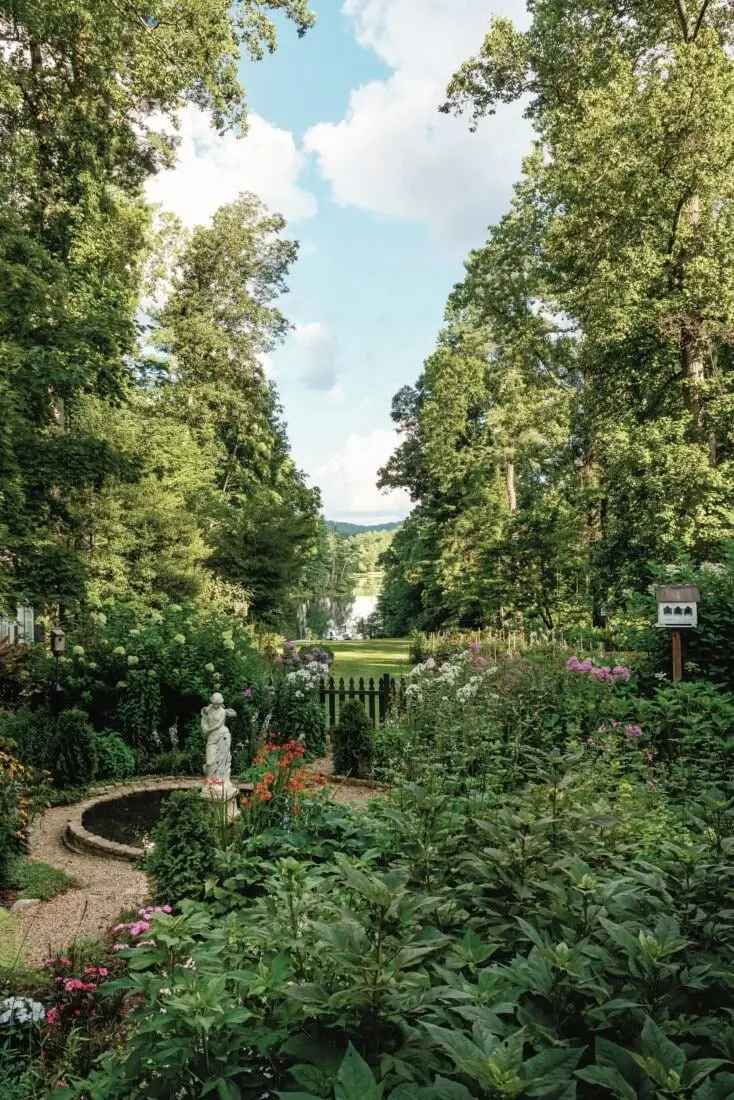
High in the Blue Ridge Mountains of Flat Rock, North Carolina, past an avenue of towering hemlocks and ancient pines, stands an 1876 Victorian cottage with a sweeping, welcoming porch. Framed by drifts of hydrangeas, pink roses, and a classical marble nymph sculpture, the twelve-acre property looks out over the glassy expanse of Highland Lake. For Marty Whaley Adams Cornwell—an accomplished Charleston-born artist and scion of one of the South’s most celebrated horticultural families—this mountain sanctuary represents far more than a seasonal escape from the oppressive Lowcountry heat. It is a living canvas, a repository of family history, and the evolution of a horticultural tradition that has spanned generations.
For decades, Marty and her mother, the legendary Emily Whaley—author of the beloved memoir Mrs. Whaley and Her Charleston Garden—tended this mountain plot as a collaborative labor of love. Following her mother’s passing in 1998 and the eventual sale of the iconic 58 Church Street property in Charleston in 2023, Marty made Flat Rock her permanent home. Here, she traded the rigid, formal parameters of Loutrel Briggs-designed Lowcountry gardens for a looser, more exuberant floral utopia. Blending deep-seated botanical heritage with the wild, fertile exuberance of the Southern mountains, Cornwell has crafted a sanctuary where art, memory, and nature endlessly intertwine.
Detailed Chronology
1. The Roots of a Horticultural Dynasty (Early to Mid-20th Century)
Marty Whaley Adams Cornwell’s connection to the soil is genealogical. Growing up immersed in the South’s rich landscape traditions, she was surrounded by master gardeners. Her great-grandmother and grandmother set an early standard for botanical curation, the latter maintaining a home in Pinopolis, South Carolina, defined by manicured camellias, towering walls of sweet peas climbing rickety wooden fences, and breathtaking indoor floral arrangements.
However, the definitive chapter of the family’s gardening lore was written at 58 Church Street in historic downtown Charleston. There, renowned landscape architect Loutrel Briggs designed a formal green space that her mother, Emily Whaley, meticulously tended for decades. Young Marty spent her formative years leafing through seed catalogues—the primary lifeline for sourcing plants before local nurseries became commonplace—while her mother ordered violas, stock, and snapdragons to maintain the property’s legendary blooms.
2. Discovering Flat Rock (1984)
The North Carolina chapter began in 1984, when Marty and her first husband acquired the 1876 white clapboard Victorian house and its surrounding twelve acres. The property held deep sentimental value: Marty had spent her childhood summers just across the water at an Arts and Crafts–style house built by her great-grandfather.
"Daddy taught me to swim in this lake," Marty recalls. "So when we bought the house, it felt like coming home."
3. The Mother-Daughter Collaboration (1988–1998)
Following her divorce in 1988, Marty found an ideal co-owner and coconspirator in her mother. Until Emily Whaley’s death in 1998, the pair transformed the Flat Rock acreage into an artistic haven. While Emily painted and wrote on the back porch, Marty set up her easel on the front porch. During her seventies, Emily actively dug up volunteer sprouts from a century-old maple tree on the property, transplanting them along the lawn’s edges toward the lake. Today, those mature maples grow alongside blue hydrangeas successfully propagated from Marty’s older sister’s 1950s wedding bouquet.
4. Sculpting the Landscape (1998–2022)
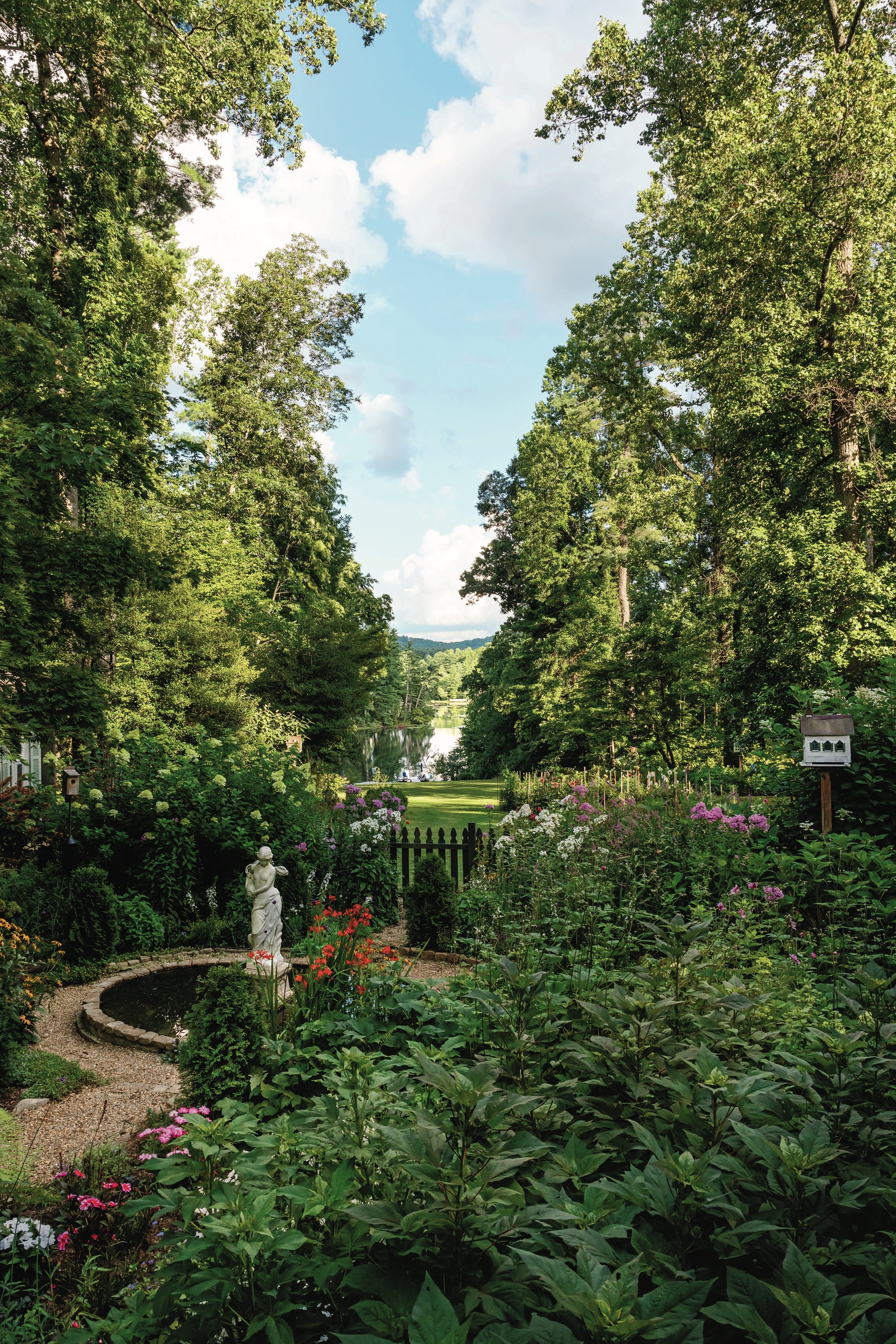
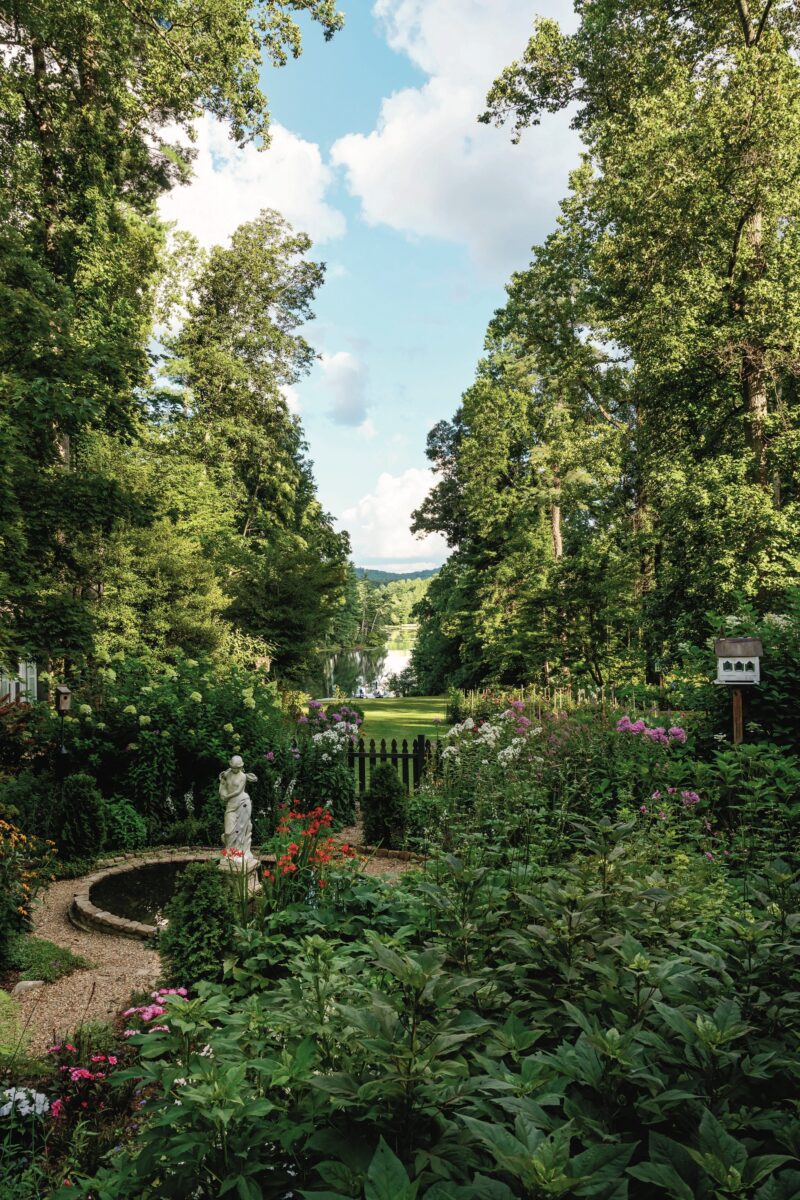
Over the next three decades, Marty spearheaded the garden’s physical transformation. When two massive pines near the center of the property were struck by lightning—a dramatic incident during which her mother was playing bridge on the porch—Marty seized the opportunity to redesign the space. She engineered a centerpiece oval pond framed by elegant statuary transported from her great-aunt’s historic garden near Charleston. The pond was consciously designed to evoke the serene pool at 58 Church Street, a famous Lowcountry landmark immortalized on the cover of Garden & Gun‘s debut issue in 2007, where author Pat Conroy famously stood.
5. Permanent Transition and Stewardship (2022–Present)
In 2022, Marty made the permanent move to Flat Rock, trading Charleston’s heavy humidity for mountain breezes. The following year brought profound personal transition: after a two-year emotional struggle, she sold her Charleston home and "Mrs. Whaley’s Garden" to care for her ailing second husband, Charles Cornwell, who passed away on the property in 2024.
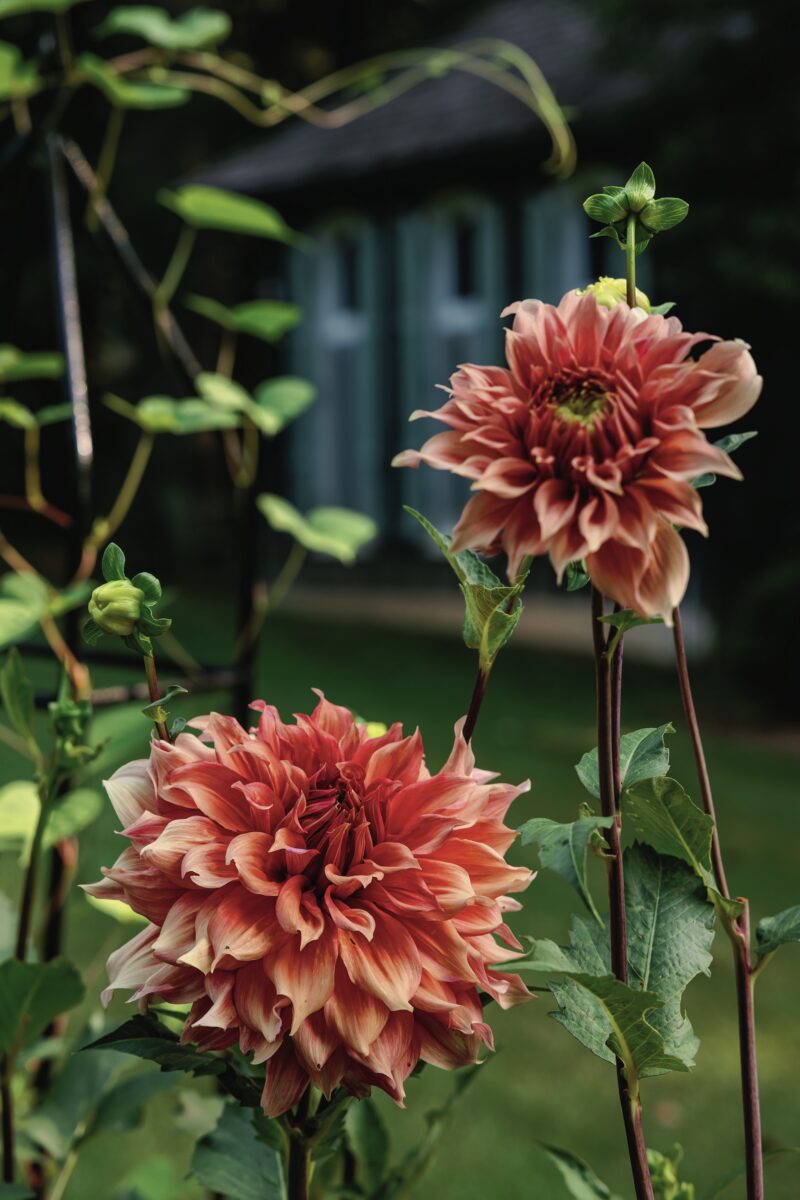
Finding solace in the rhythms of nature, Marty embraced the philosophy passed down by her mother: "A storm blowing through makes room for something new." Today, the new owners of the Church Street property are actively restoring the eighteenth-century house and its historic garden—a development that brings Marty immense peace. Meanwhile, her son’s partner, florist Kylie Ammerman, continues the family tradition of working botanical magic on the grounds, utilizing the abundant dahlias that thrive in the rich mountain soil.
Supporting Context & Metrics
- Geographic Scope: A 12-acre historic estate situated in Flat Rock, North Carolina, featuring an 1876 Victorian clapboard residence, a central oval water feature, and direct frontage on Highland Lake.
- Botanical Diversity: The property showcases a rich mix of heirloom and contemporary plantings, including David phlox, Angelonia, Strawberry Sundae hydrangeas, Sierra Glow dahlias, monarda (bee balm), moonflowers from seed, variegated Solomon’s seal, and fall-blooming anemones.
- Architectural & Artistic Additions: Includes a custom framing studio constructed using salvaged 19th-century windows sourced locally, serving as a workspace for Marty’s floral still-life paintings and preparations for her solo art exhibition at Flat Rock’s Marsha Hammel Studio.
- Literary Legacy:
- Mrs. Whaley and Her Charleston Garden by Emily Whaley (chronicling the stewardship of 58 Church Street).
- Feature coverage in Garden & Gun (October/November 2026 issue).
Official Statements & Reflections
Reflecting on the emotional resonance of her lifelong engagement with the land, Marty Whaley Adams Cornwell emphasizes the therapeutic and spiritual dimensions of gardening:
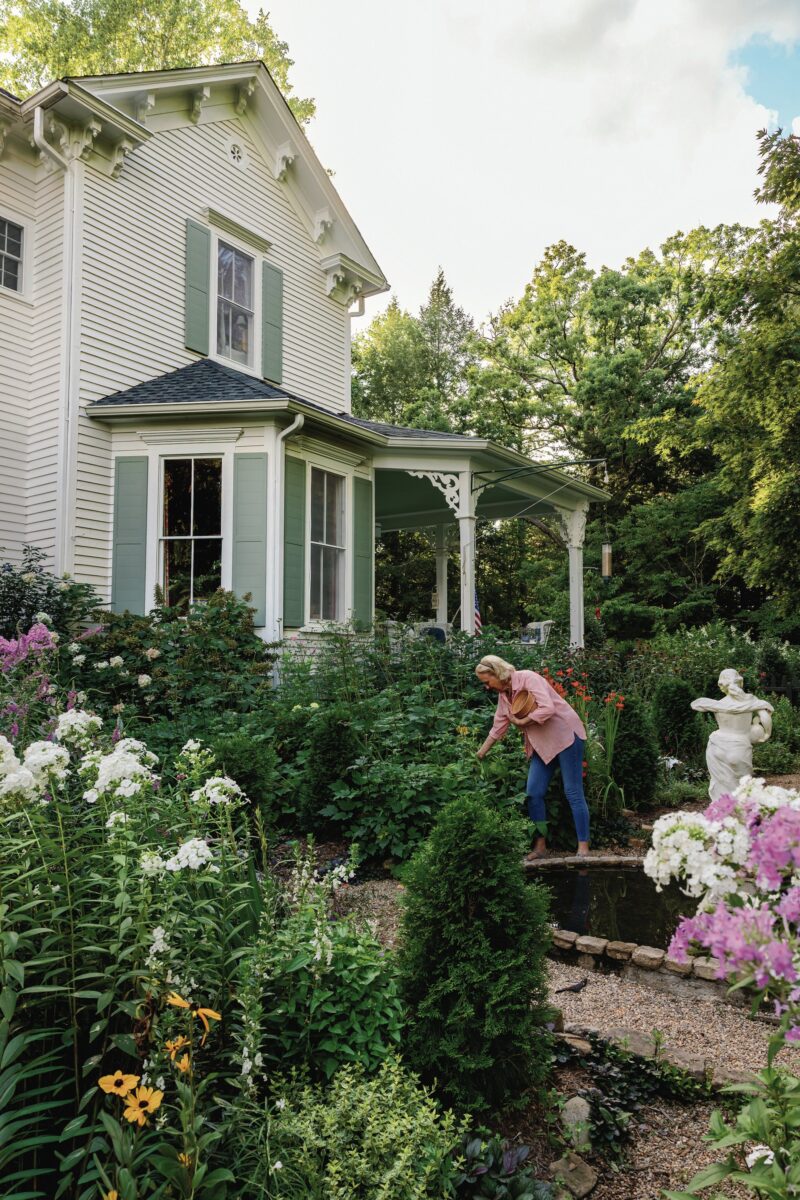
"When I sit on this porch and look out at the lilies, at the bees drunk on the monarda, it soothes about any problem," Marty notes, her cadence carrying the warmth of her Lowcountry origins. "Just listen to that woodlark; it’s like church."
Drawing parallels between her dual passions for horticulture and visual arts, she explains:
"A garden is like a painting: Stir a little here, mix a little color there. Things practically grow themselves here. They just take off. It’s just so miraculous, to plant moonflowers from seed and watch them come up. I mean, how could I not be a gardener?"
Commenting on the inevitability of change and the passing of the torch in Charleston, she invokes her mother’s timeless wisdom:
"Gardening reminds you that everything has a season. As Mama would say, ‘A storm blowing through makes room for something new.’"
Future Outlook
As Marty Whaley Adams Cornwell enters her sixth decade as a professional painter, her life in Flat Rock has reached a harmonious equilibrium. With her upcoming solo exhibition slated for October at the Marsha Hammel Studio, her days are divided between the canvas and the soil.
The transition of the Charleston estate to new stewards ensures that the Whaley family legacy endures in the Lowcountry, while the Flat Rock sanctuary continues to thrive as an intergenerational family refuge. Supported by a new generation of floral artists and caretakers—including florist Kylie Ammerman—the property stands as a testament to the resilience of Southern gardening traditions. By abandoning the strict geometric confines of formal Lowcountry design in favor of an organic, blooming utopia, the Whaley-Cornwell family has secured a permanent, living monument to memory, art, and the healing power of nature.

0 Comments