

Executive Overview
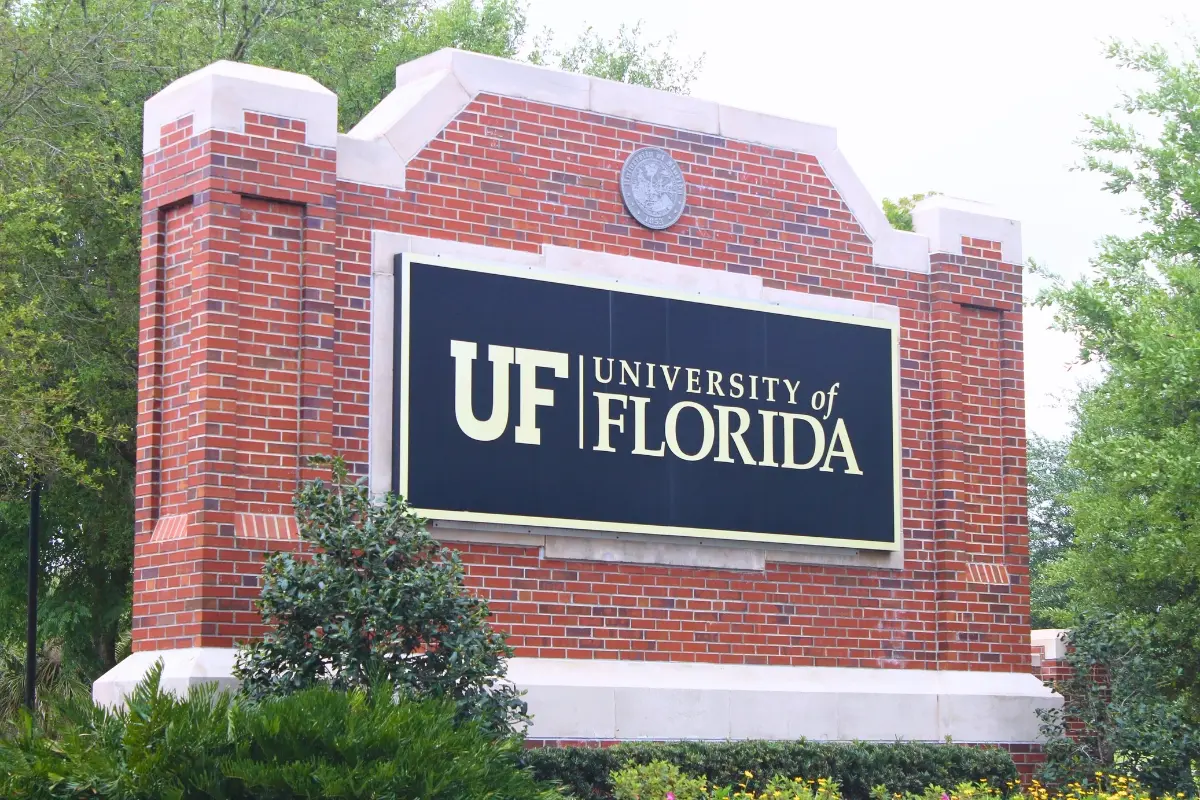
In a landmark recognition that reflects shifting dynamics within American higher education, the University of Florida (UF) has been ranked No. 4 among public universities nationwide in TIME magazine’s inaugural “America’s Best Colleges 2026-2027” evaluation. Developed in partnership with the international market research and data analytics firm Statista, the new ranking framework signals a major departure from traditional higher education assessment models. Rather than relying heavily on legacy prestige metrics or peer reputation surveys, the TIME/Statista study prioritizes tangible return on investment (ROI), post-graduation outcomes, academic environment, and overall student satisfaction.
The University of Florida’s elevated standing places it in an elite cadre of public institutions, trailing only the University of Michigan (No. 1), the University of Virginia (No. 2), and the University of California, Berkeley (No. 3). The recognition underscores UF’s trajectory over the past decade from a strong regional flagship institution into a national powerhouse in research, artificial intelligence education, and career mobility.
       TOP PUBLIC UNIVERSITIES: TIME "AMERICA'S BEST COLLEGES 2026-2027"
 ┌─────────────────────────────────────────────────────────────────────────┐
 │  1. University of Michigan, Ann Arbor                                   │
 │  2. University of Virginia                                              │
 │  3. University of California, Berkeley                                  │
 │  4. UNIVERSITY OF FLORIDA                                               │
 └─────────────────────────────────────────────────────────────────────────┘
The emergence of TIME’s college rankings comes at a critical juncture for higher education in the United States. As tuition rates across the country continue to rise and student loan debt remains a key economic issue, families and prospective students are increasingly evaluating higher education through an analytical lens focused on financial ROI and career readiness. UF’s strong showing validates Florida’s policy of capping public university tuition while simultaneously pumping state resources into elite faculty recruitment and research infrastructure.
Detailed Chronology: The Blueprint of an Academic Ascent
The University of Florida’s placement among the nation’s top four public institutions is not an accidental spike; it is the culmination of a decade-long, structured effort by state leaders, university trustees, and academic administrators to recalibrate the university’s operational model.
                  CHRONOLOGY OF STRATEGIC MILESTONES

   2013 ─────────► Florida Legislature passes Florida Preeminence Act
   2018–2021 ────► Expansion of HiPerGator AI Supercomputer Infrastructure
   2024 ─────────► SmartAsset ranks UF #1 Best-Value Public University
   July 2025 ────► Ranked #1 in AI Readiness among Large-Enrollment Institutions
   2026 ─────────► TIME / Statista Ranks UF #4 Public University Nationally
The Legislative and Institutional Catalyst (2013–2020)
The foundation of UF’s current standing was laid in 2013, when the Florida Legislature passed the Florida Preeminence Act. The statute created a metric-based system designed to propel state flagship institutions into top-tier national rankings. The framework incentivized high graduation rates, retention metrics, research expenditures, and patent output.
Capitalizing on state funding allocations, UF embarked on a transformative faculty hiring plan, recruiting hundreds of research-focused faculty across engineering, agriculture, medicine, and business. This influx of capital coincided with aggressive investments in STEM infrastructure and campus facilities, laying the groundwork for rapid advancements in research productivity.
The Artificial Intelligence Pivot (2020–2024)
While many institutions pursued generalized expansion, UF executed a focused pivot toward artificial intelligence and high-performance computing. Driven by a major private donation from NVIDIA co-founder and UF alumnus Chris Malachowsky, alongside institutional match funding, the university deployed the HiPerGator supercomputer—one of the most powerful AI supercomputers in academia.
Unlike peer institutions that restricted supercomputing assets to computer science departments, UF introduced an "AI Across the Curriculum" initiative. This strategy integrated AI literacy and computational tools into diverse fields, including veterinary medicine, journalism, agronomy, and liberal arts.
Recent Benchmark Achievements (2024–2026)
Before the TIME ranking, several external metrics demonstrated UF’s growing momentum:
- SmartAsset Value Ranking: Earlier in the benchmark cycle, financial technology firm SmartAsset ranked UF the No. 1 best-value public university in the United States. The evaluation emphasized low net in-state tuition, minimal student debt burdens upon graduation, and high initial post-graduate salaries.
- Artificial Intelligence Leadership Recognition: In July, national academic surveys ranked UF No. 1 among the nation’s largest-enrollment public universities for artificial intelligence readiness. The distinction cited UF’s comprehensive AI course offerings, cross-disciplinary research centers, and industry partnership pipelines.
- Publication of TIME’s Inaugural Assessment: The publication of TIME‘s inaugural list marks a validation of these strategic initiatives. By ranking UF No. 4 among public universities, the evaluation confirms that the university’s investments in technology, affordability, and practical skill development align with consumer demand for high-ROI higher education.
Supporting Context, Quantitative Metrics, and Ranking Methodology
Understanding the significance of the TIME/Statista ranking requires examining the underlying evaluation methodology, which differs markedly from legacy ranking systems.
The Statista Framework: Measuring Real-World Outcomes
Historical university rankings have frequently faced criticism for over-indexing on institution wealth, alumni donation percentages, and subjective peer reputation surveys—metrics that often favor private Ivy League universities and long-established northeastern institutions.
In contrast, the TIME/Statista methodology focuses heavily on measurable student outcomes and practical value:
                  TIME / STATISTA RANKING WEIGHT DISTRIBUTION
 ┌─────────────────────────────────────────────────────────────────────────┐
 │  [████████████████████████████████] Student Outcomes & Post-Grad ROI    │
 │  [███████████████████████████] Learning Environment & Instructional Quality│
 │  [██████████████████] Student Appeal, Accessibility & Retention Metrics  │
└─────────────────────────────────────────────────────────────────────────┘- Post-Graduation Financial Outcomes & ROI: Evaluating median earnings of graduates relative to the cost of attendance, early-career debt-to-income ratios, and upward economic mobility indicators.
- Learning Environment and Academic Depth: Assessing student-to-faculty ratios, faculty research output, degree completion velocity, and operational funding per student.
- Student Appeal and Satisfaction: Analyzing application volume growth, enrollment retention rates, campus health metrics, and institutional accessibility for broad socioeconomic demographics.
The Economic Model: High ROI via Cost Suppression
A primary factor driving UF’s high ranking in value-centric models is the state of Florida’s tuition structure. While public university tuition has surged across much of the United States over the past two decades, Florida implemented a sustained freeze on in-state undergraduate tuition.
┌──────────────────────────────────────────────────────────────────────────┐
│                      THE UNIVERSITY OF FLORIDA ROI FORMULA               │
├──────────────────────────────────────────┬───────────────────────────────┤
│  Low Cost Basis                          │ High Market Output            │
├──────────────────────────────────────────┼───────────────────────────────┤
│  • In-state tuition frozen for over 10 yrs│ • Top-tier research output    │
│  • Florida Bright Futures Scholarship    │ • Industry AI integration     │
│  • Low average student debt load         │ • Elite corporate recruitment │
└──────────────────────────────────────────┴───────────────────────────────┘
When coupled with the state’s Bright Futures Scholarship Program—which covers up to 100% of tuition for qualified high-achieving resident students—the average net cost for a UF degree is significantly lower than that of its peer institutions in the top five. Consequently, UF graduates enter the labor market with lower debt burdens, dramatically amplifying their net financial return on investment relative to peers from higher-cost states.
Comparative Landscape: Top Public Universities
The top tier of TIME‘s public university ranking illustrates the competitive balance across major public research university systems:
| National Rank (Public) | Institution | Primary Distinguishing Strengths |
|---|---|---|
| No. 1 | University of Michigan (Ann Arbor) | Extensive research enterprise, global alumni network, broad academic breadth |
| No. 2 | University of Virginia | High graduation rates, legacy liberal arts traditions, strong career placement |
| No. 3 | University of California, Berkeley | Elite research output, technology transfer, strong STEM reputation |
| No. 4 | University of Florida | Unmatched affordability, AI infrastructure, rapid ROI, high student appeal |
While Michigan and UC Berkeley have historically dominated legacy research spending, UF’s ascension highlights how modern public flagships can leverage low cost structures and forward-looking technologies (like AI) to deliver comparable student value.
Official Statements and Leadership Reaction
Following the release of the ranking, institutional leaders at the University of Florida highlighted the alignment between the university’s long-term strategic plans and the metrics utilized by TIME and Statista.
Board of Trustees Perspective
Mori Hosseini, Chair of the UF Board of Trustees, emphasized that the new ranking reflects the institution’s commitment to tangible student success over institutional posturing.
"This ranking confirms what our students experience every day: a world-class learning environment, faculty and programs that prepare them to succeed after graduation, and a university that the best and brightest actively seek out," said Mori Hosseini, Chair of the UF Board of Trustees. "The University of Florida stands alongside the nation’s most elite institutions because of the outcomes we deliver for our students."
Hosseini’s remarks underscore the board’s emphasis on measurable deliverables—specifically career placement, wage data, and workforce alignment—which have driven major resource allocations across the university’s 16 colleges over the past five years.
Executive Administration Reaction
University of Florida President Stuart Bell framed the national recognition as a testament to the collective efforts of the campus community, noting that national ranking systems are increasingly recognizing UF’s balanced academic ecosystem.
"University of Florida students, faculty and staff should be proud of this ranking," said UF President Stuart Bell. "It’s a reflection of the hard work they all put in every day to make this one of the country’s leading universities, and people are taking notice."
Administrative leaders point out that achieving top-tier national rankings requires maintaining excellence across multiple fronts simultaneously: sustaining high-impact scientific research while preserving low-cost access for undergraduate students.
Future Outlook and Strategic Implications
The University of Florida’s placement at No. 4 among public universities in TIME’s rankings provides momentum, but it also presents strategic challenges and opportunities as higher education enters a volatile economic era.
                         FUTURE STRATEGIC DIRECTIVES
 ┌─────────────────────────────────────────────────────────────────────────┐
 │ [1] EXPAND HI-TECH RESEARCH   │ Accelerate commercial AI applications    │
 │ [2] WORKFORCE ALIGNMENT       │ Expand industry recruitment pipelines    │
 │ [3] MAINTAIN AFFORDABILITY    │ Preserve tuition structure & scholarships│
 │ [4] TALENT RETENTION          │ Defend faculty bench against national    │
 │                               │ competition                              │
 └─────────────────────────────────────────────────────────────────────────┘
Navigating National Demographic Shifts
Higher education in the United States faces an impending "demographic cliff"—a decline in high school graduate populations resulting from lower birth rates during the 2008 financial crisis. Institutions in the Northeast and Midwest are expected to face sharp enrollment declines.
However, Florida’s population growth, combined with UF’s national profile, positions the university to withstand these demographic headwinds. A high ranking in student outcomes and value makes UF an increasingly attractive destination for out-of-state talent seeking affordable alternatives to costly private institutions.
Accelerating the AI Commercialization Ecosystem
Having established a national lead in artificial intelligence academic integration, UF’s next operational horizon is commercialization and industry partnership. The university is focusing heavily on translating its high-performance computing assets into high-tech business incubation:
- Industry Partnerships: Expanding research initiatives with major technology firms, defense contractors, and healthcare organizations seeking to leverage HiPerGator’s computing power.
- Workforce Development: Ensuring that graduates across non-technical majors—such as business, agricultural sciences, and health disciplines—leave the university with applied credentials in data analytics and computational tools.
Preserving Quality Amid Rapid Scaling
As public demand for access to UF increases, the administration faces the ongoing challenge of managing enrollment growth without compromising instructional quality or inflating student-to-faculty ratios. Maintaining the No. 4 national standing will require:
- Sustaining Faculty Recruitment: Continuing to attract top-tier researchers and educators in a competitive national market.
- Capital Investments: Expanding research facilities, lab spaces, and student housing to accommodate high-level academic research.
- Preserving Low Debt Metrics: Working alongside state lawmakers to keep tuition affordable and protect scholarship funds amid broader inflationary pressures.
Conclusion
The TIME magazine "America’s Best Colleges 2026-2027" ranking confirms that the criteria for institutional prestige are evolving. By placing outcomes, cost-efficiency, and modern instructional tools at the core of its strategy, the University of Florida has validated a model for public higher education that delivers elite academic outcomes without high student debt burdens. As the higher education landscape continues to transform, UF’s trajectory offers a template for how state flagship institutions can balance elite research ambitions with broad economic access.

0 Comments