When travelers envision the state of Florida, images of sun-drenched white-sand beaches, crystal-clear freshwater springs, and nostalgic, mid-century roadside attractions typically dominate the imagination. Famed for its sub-tropical climate and famously flat topography—where the highest natural point, Britton Hill, sits a modest 345 feet above sea level—the Sunshine State is rarely associated with dramatic elevation changes or cascading waters. Yet, beneath this seemingly flat landscape lies a surprisingly diverse, ecologically rich, and geologically fascinating collection of waterfalls.
Spanning natural sinkhole drops, rushing river rapids, spring-fed jungle cascades, and meticulously manicured cultural features, Florida’s waterfalls offer an unexpected respite from the sweltering heat. They invite hikers, road-trippers, and nature enthusiasts to experience a different side of the peninsula. This investigative guide explores the premier waterfall destinations across the state’s distinct geographic regions—from Northwest Florida down to Southeast Florida—providing essential logistical advice, safety protocols, and contextual background to help travelers plan their next great Sunshine State road trip.
Detailed Chronology & Regional Breakdown
To fully understand and appreciate the distribution of waterfalls across Florida, one must examine them through a regional lens. Because the state’s geology varies wildly—shifting from the rolling limestone hills of the Panhandle to the wetland preserves of the Northeast and the engineered flatwoods of the central peninsula—each waterfall destination offers a unique historical and environmental narrative.
Northwest Florida: The Panhandle’s Dramatic Drops
Falling Waters State Park (Chipley)
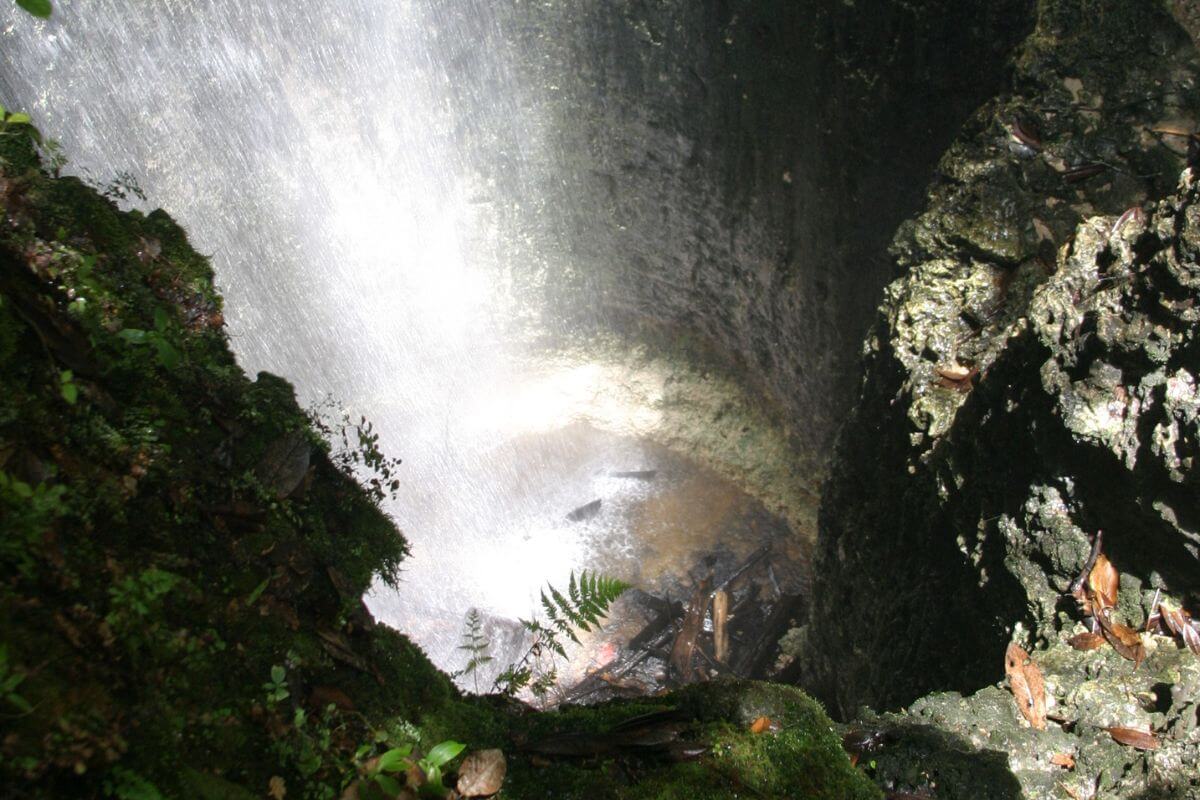
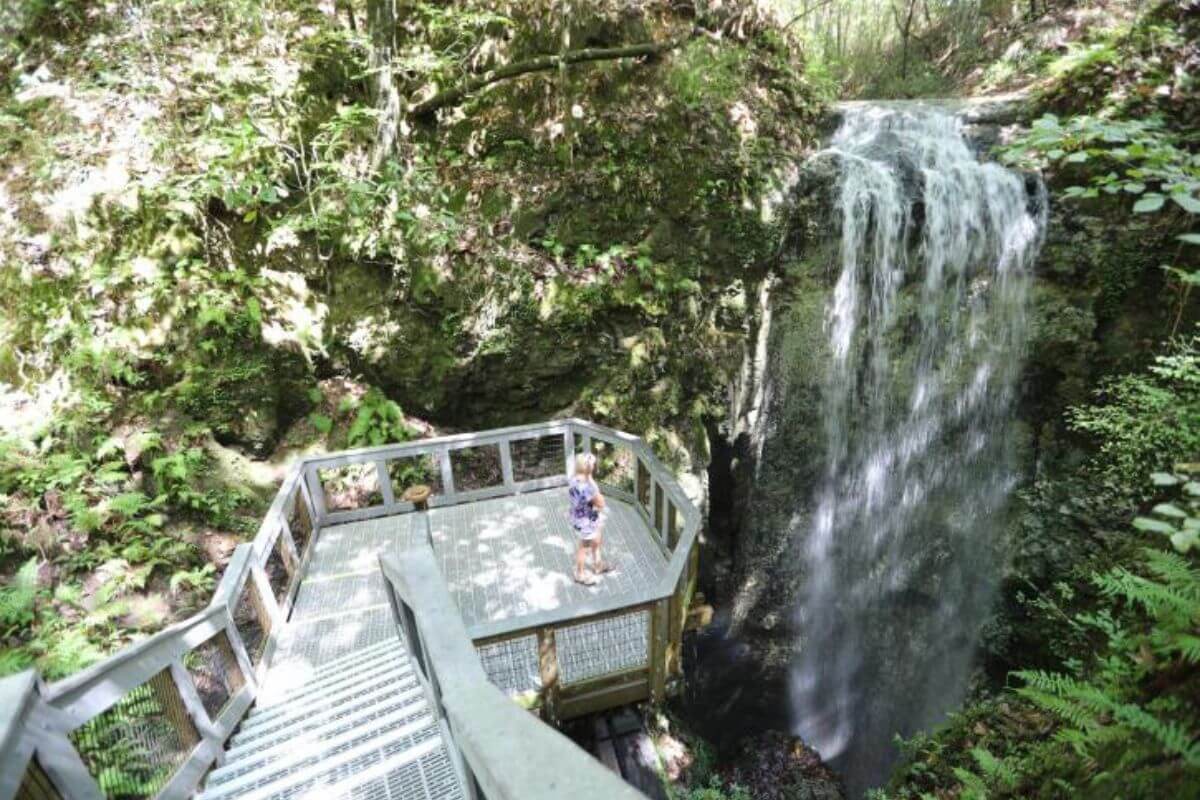
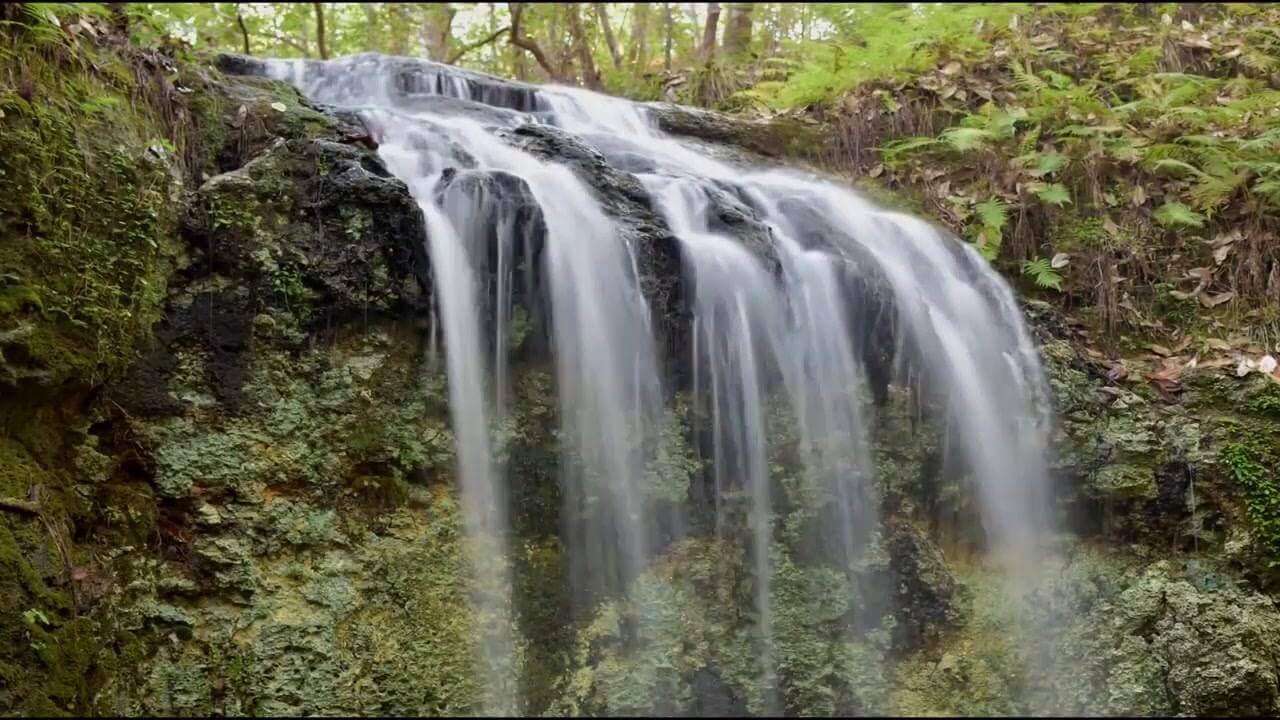
The crown jewel of Florida’s natural waterfall landscape is undoubtedly located in the Panhandle. Falling Waters State Park, situated in Washington County near Chipley, is home to the state’s tallest waterfall. Here, a crystalline stream flows across the upland forest floor before abruptly plunging 73 feet into a massive, 100-foot-deep cylindrical sinkhole.
Geologically, this phenomenon is tied to Florida’s extensive karst topography, where acidic rainwater slowly dissolves underlying limestone, creating subterranean cavities. Visitors to the park can observe the roaring cascade from an accessible wooden boardwalk and observation deck, or hike down the Sinkhole Trail to experience the cool mist rising from the bottom of the basin. Historically, the area was also the site of an early 20th-century gristmill and oil-drilling operations, adding a layer of industrial history to this natural wonder.
North Central & Northeast Florida: Rivers, Forests, and Wetlands
Steinhatchee Falls (Steinhatchee)
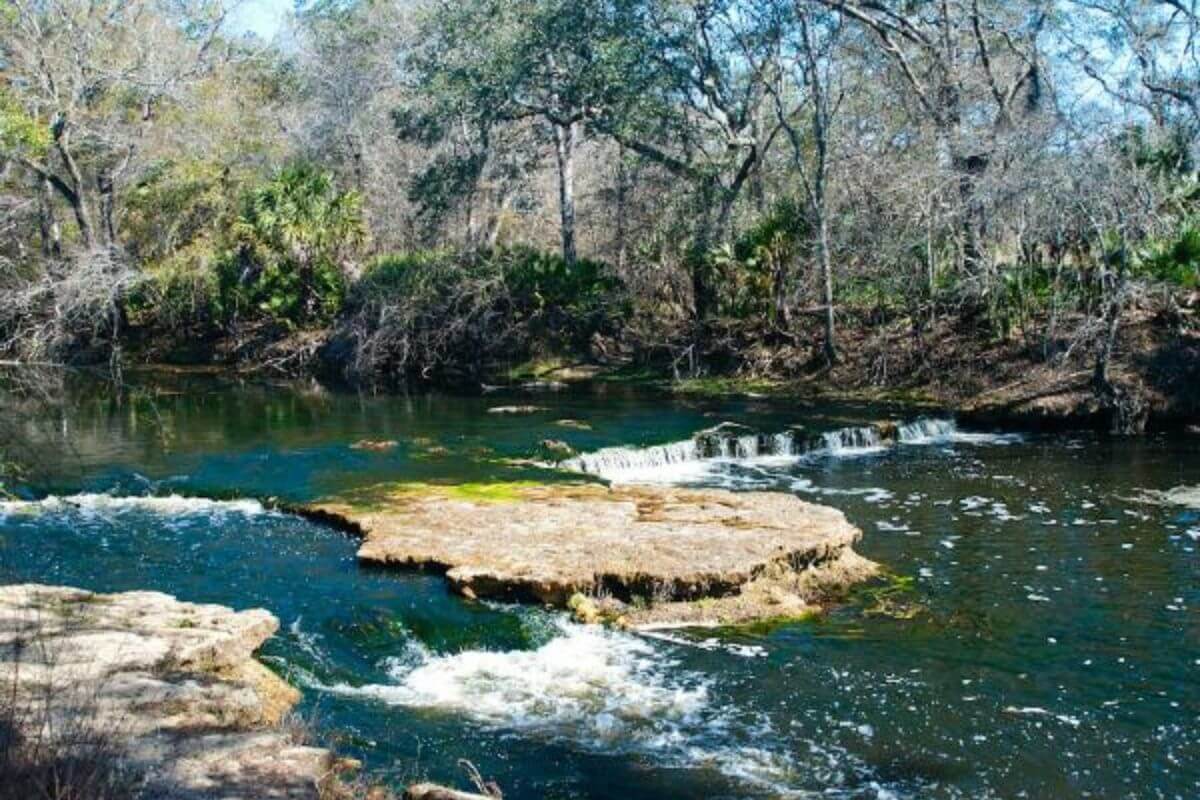
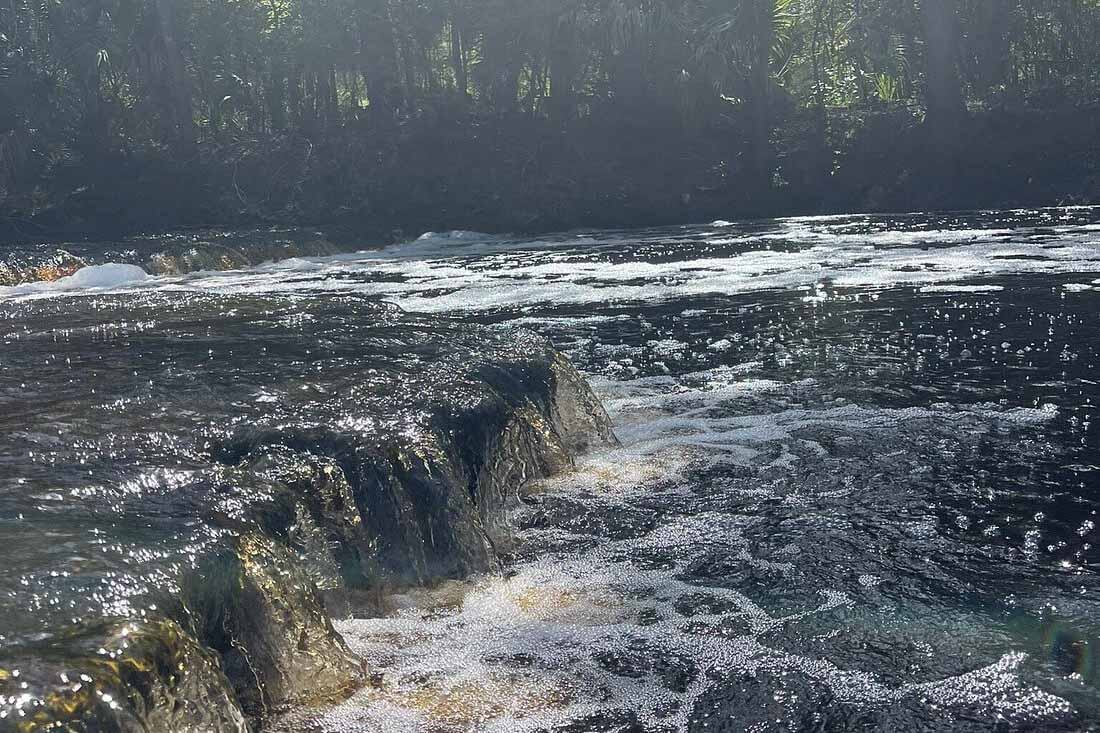
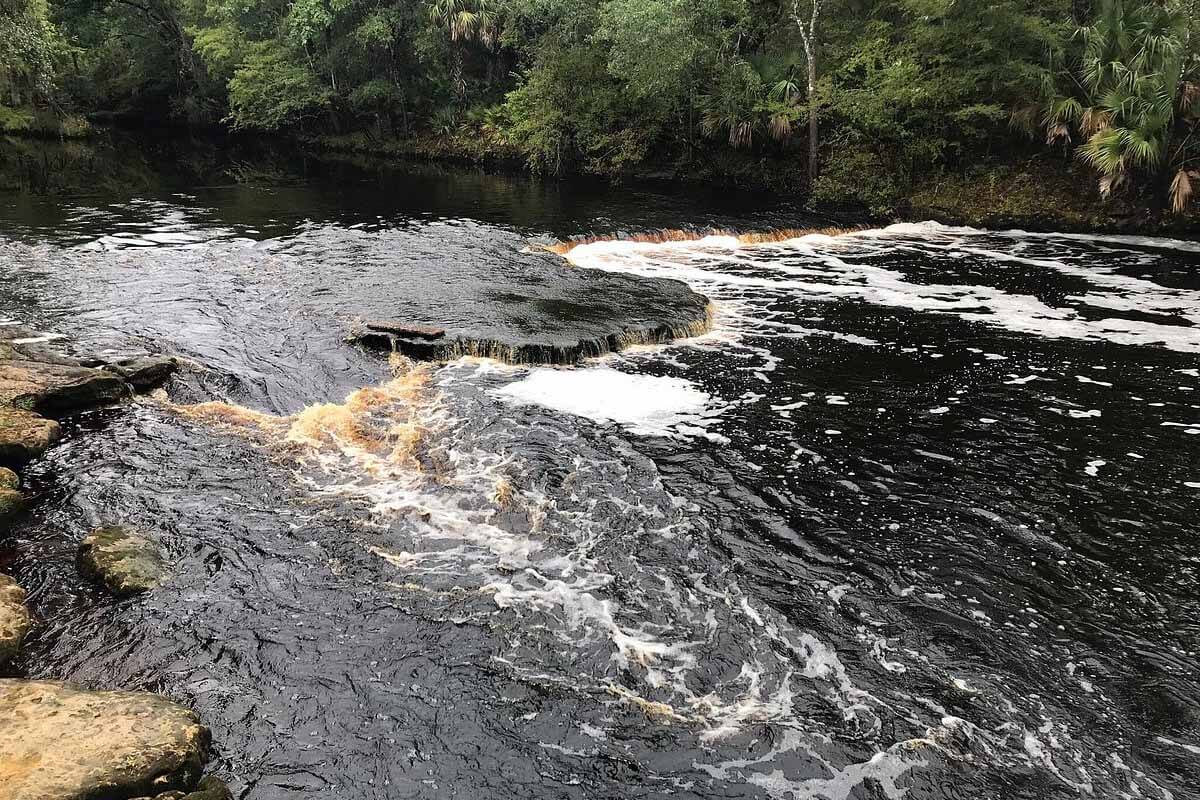
Moving eastward into the Nature Coast, the landscape transitions to slow-moving blackwater rivers and pine flatwoods. Steinhatchee Falls, situated along the Steinhatchee River, offers a starkly different visual experience than Falling Waters. Rather than a vertical drop into a subterranean abyss, these falls present a wide, picturesque limestone ledge where the river drops approximately four feet.
Historically, this site has served as a crossroads for centuries. Long before European contact, Native American tribes frequented the shoals. Later, early Florida pioneers utilized the natural limestone shelf as a ford to cross the rushing river. Today, managed by the Florida Fish and Wildlife Conservation Commission, the site provides visitors with access to pristine kayaking routes, swimming holes, and shaded picnic areas.
Bulls Bay Preserve (Jacksonville)
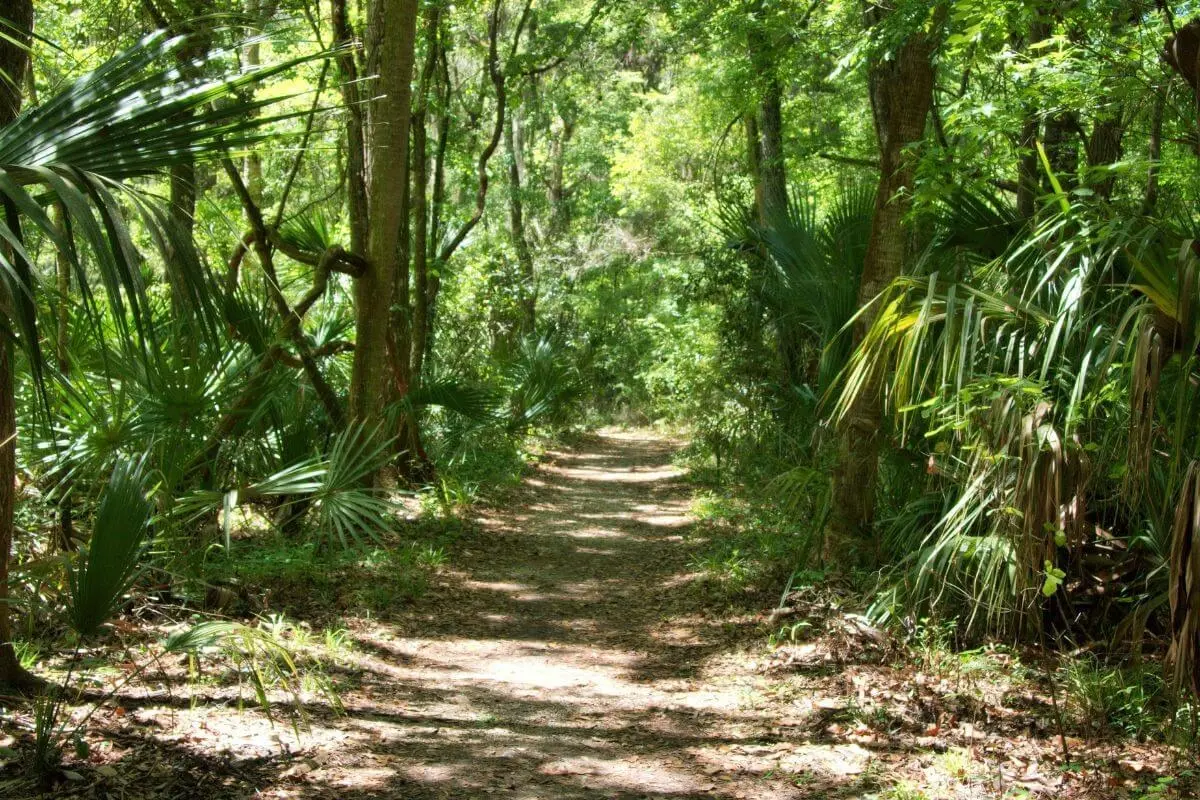
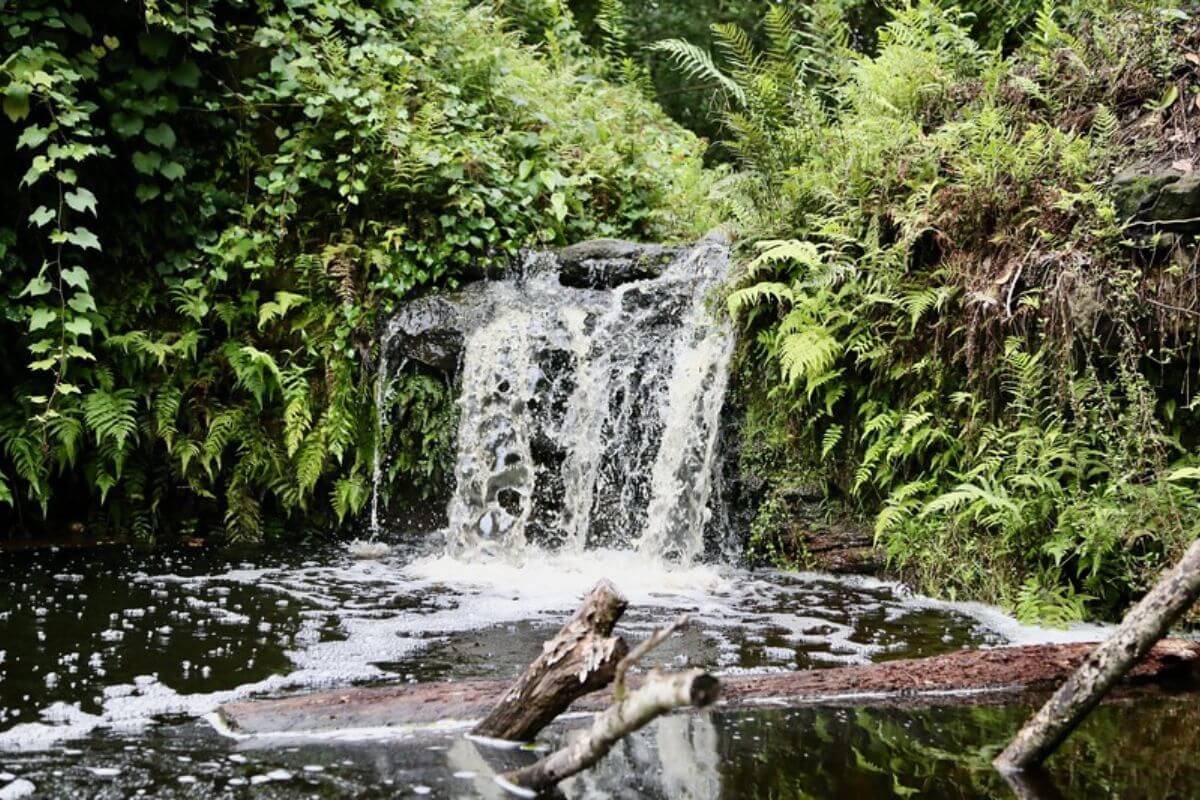
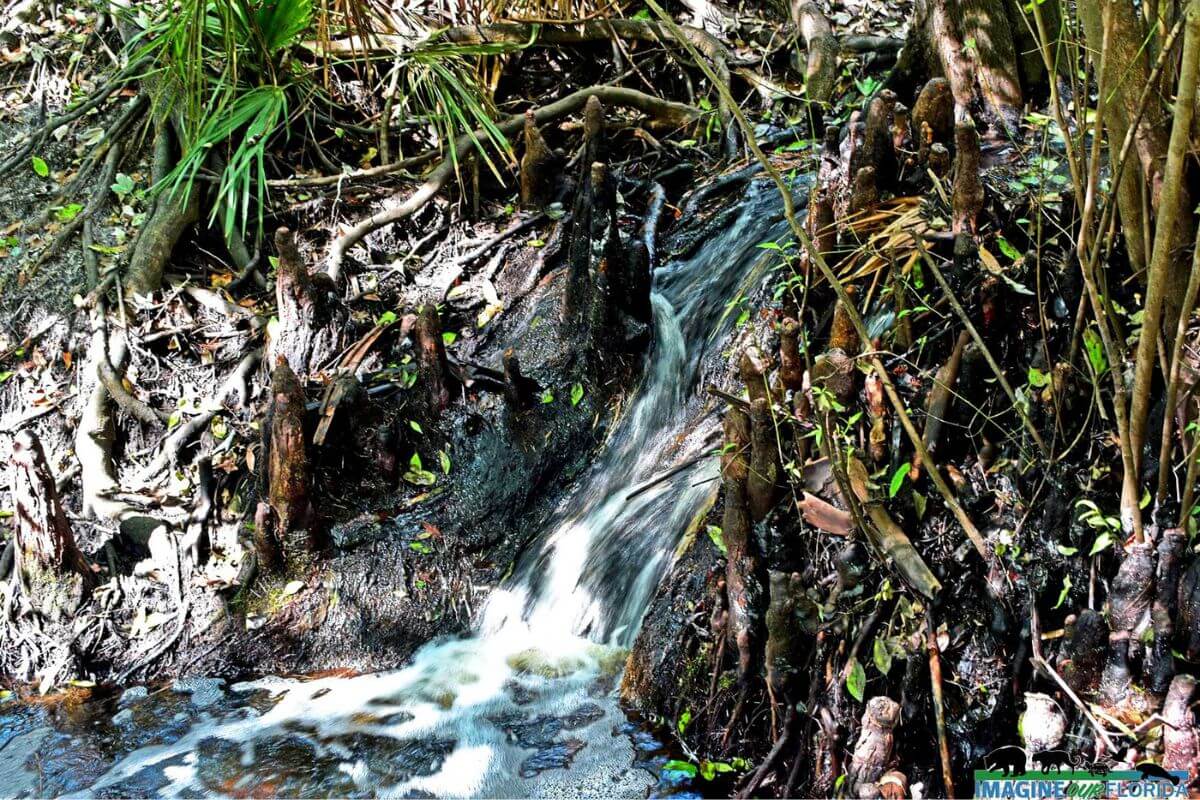
Situated within the urban sprawl of Jacksonville lies a hidden sanctuary for biodiversity: Bulls Bay Preserve. Unlike the Panhandle’s deep sinkholes, this protected wetland area features subtle localized elevation changes enabled by ancient marine terraces and creek-cutting action. A network of hiking trails winds through thick bottomland forests, leading hikers to a charming, small natural stream and waterfall feature that showcases Northeast Florida’s quieter, more contemplative wilderness.
Central & West Florida: Springs and Preserves
Rainbow Springs State Park (Dunnellon)
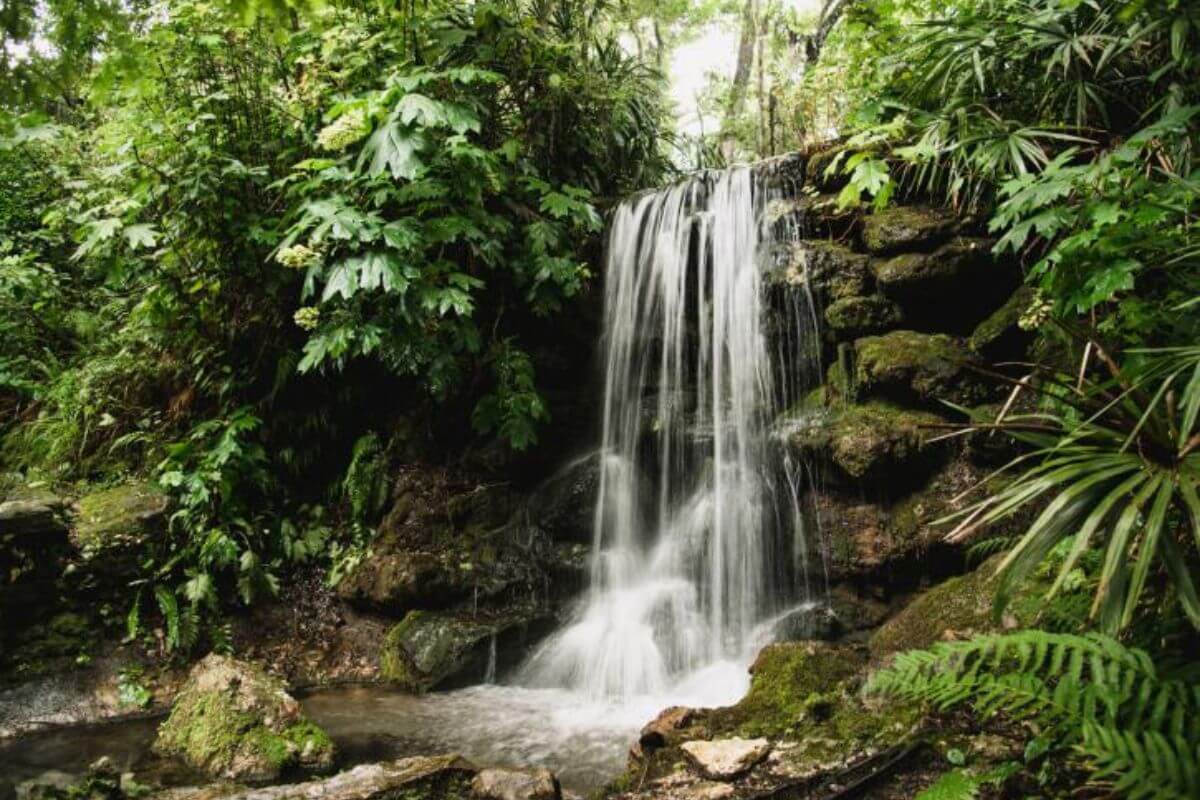
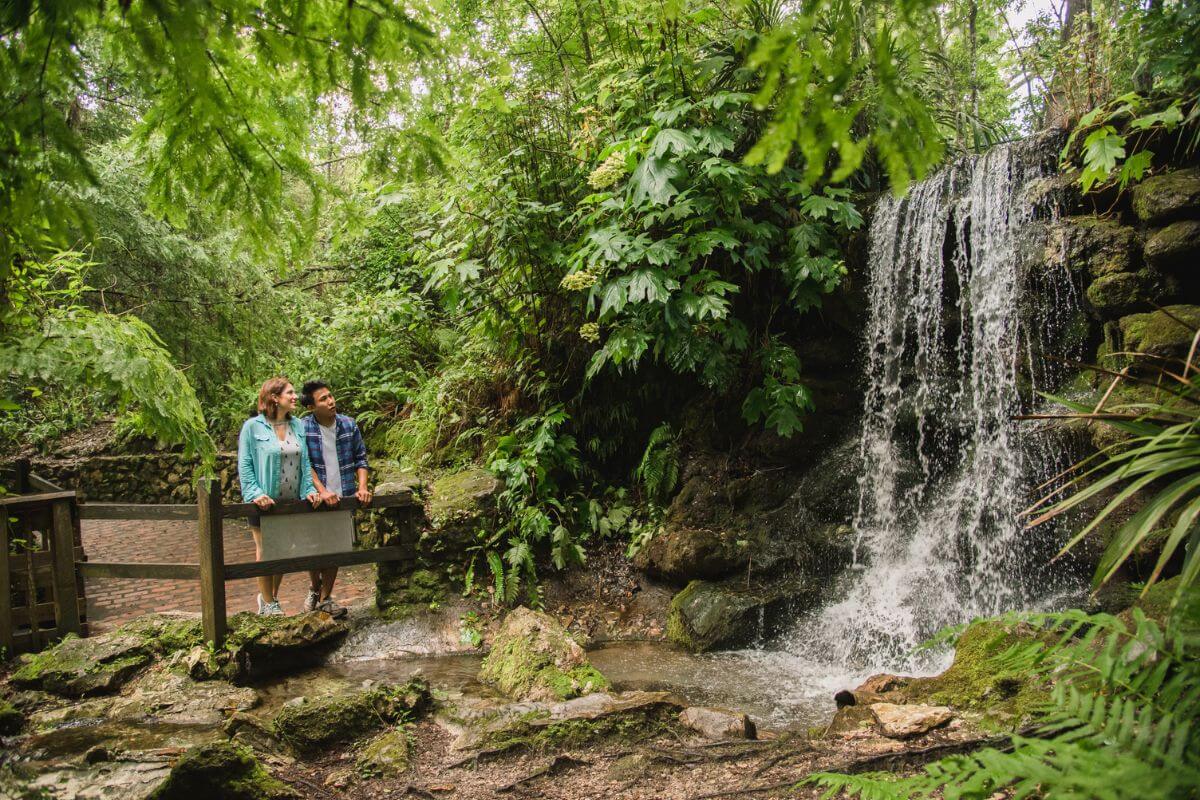
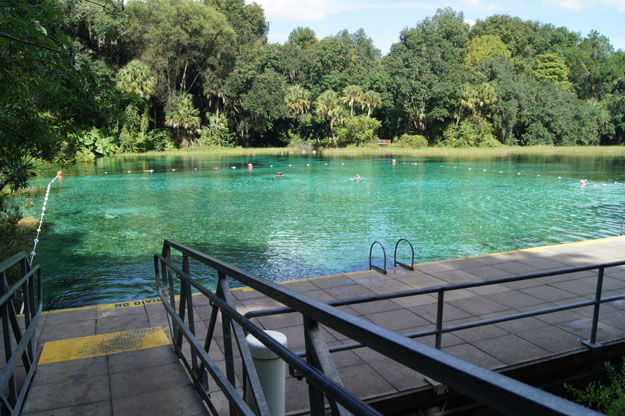
While primarily celebrated as one of Florida’s premier first-magnitude artesian springs, Rainbow Springs State Park holds a lesser-known secret: a series of man-made jungle waterfalls. Originally developed as a commercial roadside attraction in the 1930s before being acquired and restored by the Florida Park Service, the gardens feature lush, tropical landscaping complete stone pathways, vibrant flora, and artificially engineered waterfalls that cascade into tranquil pools. These structures seamlessly blend into the surrounding native hammocks, offering visitors an aesthetically stunning backdrop just a short distance from the crystal-clear swimming and snorkeling areas of the main spring head.
Hidden Waters Preserve (Eustis)
Located in Lake County within the rolling hills of Central Florida’s ridge district, the Hidden Waters Preserve spans over 80 acres of ecologically diverse terrain. Managed by the Lake County Water Authority, the preserve protects a unique topographical depression. A spring-fed stream flows down through the sloping terrain, creating a delicate waterfall that empties into a closed basin sinkhole. The surrounding property features rugged hiking trails winding through oak hammocks and pine forests, offering a physically demanding hike uncharacteristic of typical Florida terrain.
Boonie Falls (Oviedo)
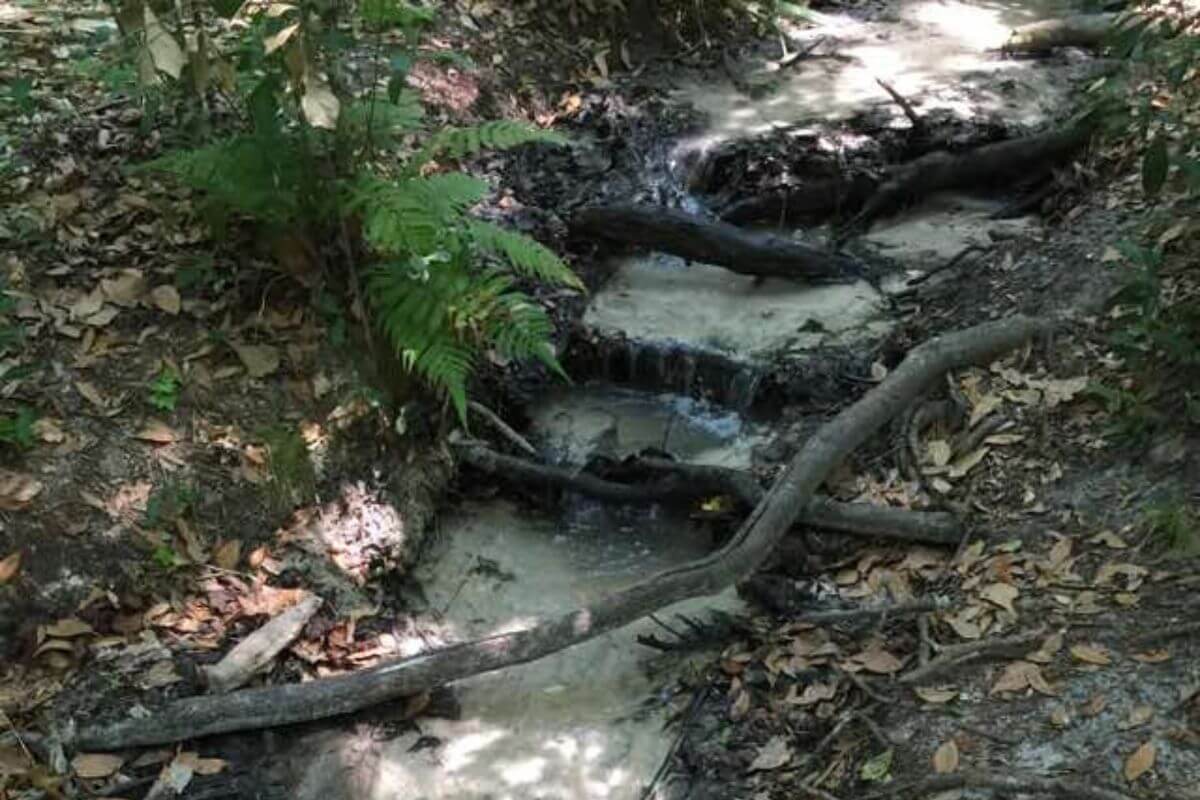
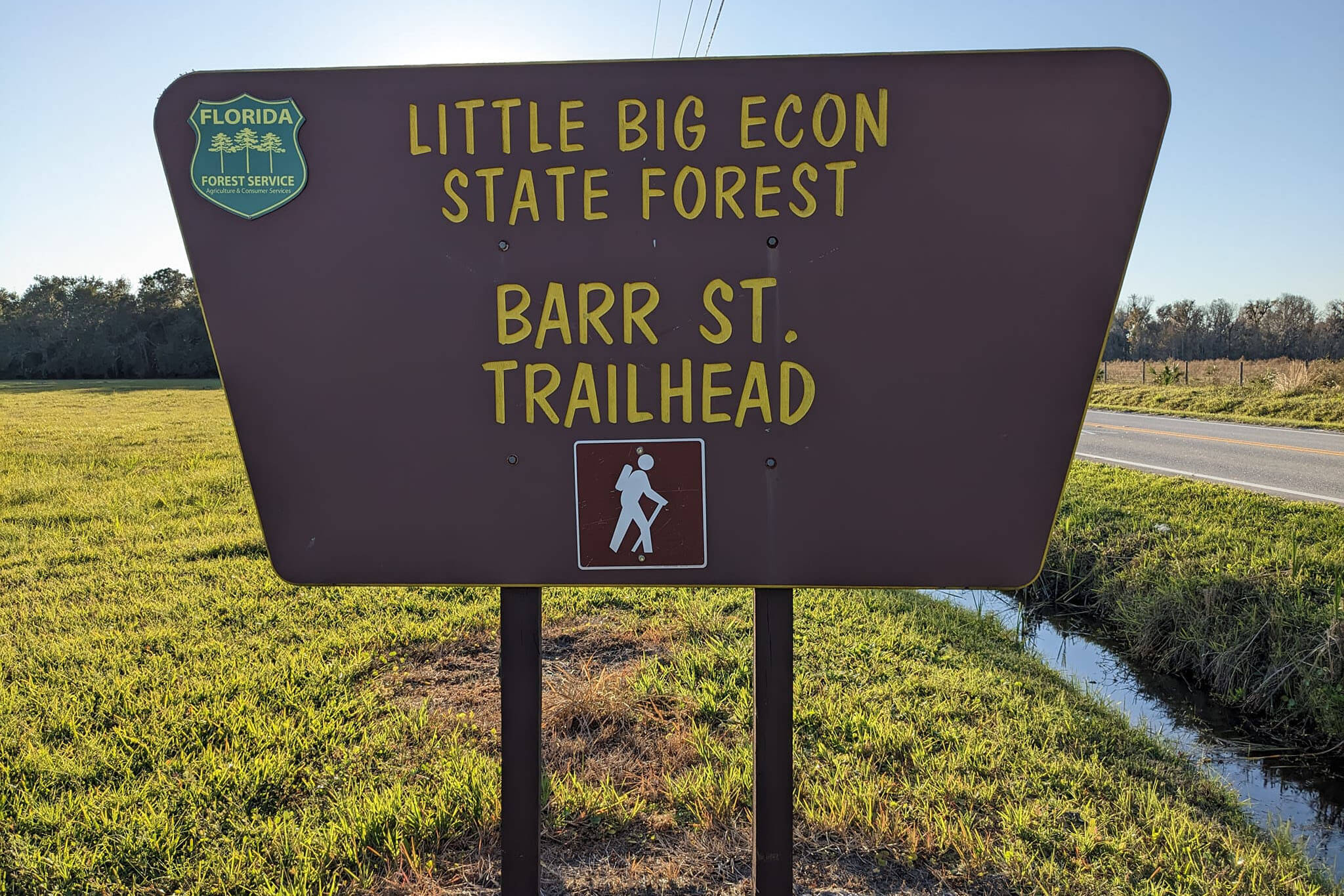
Tucked deep within the sprawling acreage of the Little Big Econ State Forest in Central East Florida, Boonie Falls represents the quintessential "off-the-beaten-path" adventure. Accessible via a scenic trek along a spur of the Florida National Scenic Trail—entered near Lockwood Boulevard in Oviedo—this modest, natural waterfall sits quietly beside the meandering Econlockhatchee River. The journey requires a commitment to wilderness hiking, rewarding quiet seekers with a secluded forest canopy and the gentle sound of flowing water.
Southeast Florida: Cultural Cascades
Morikami Museum and Japanese Gardens (Delray Beach)
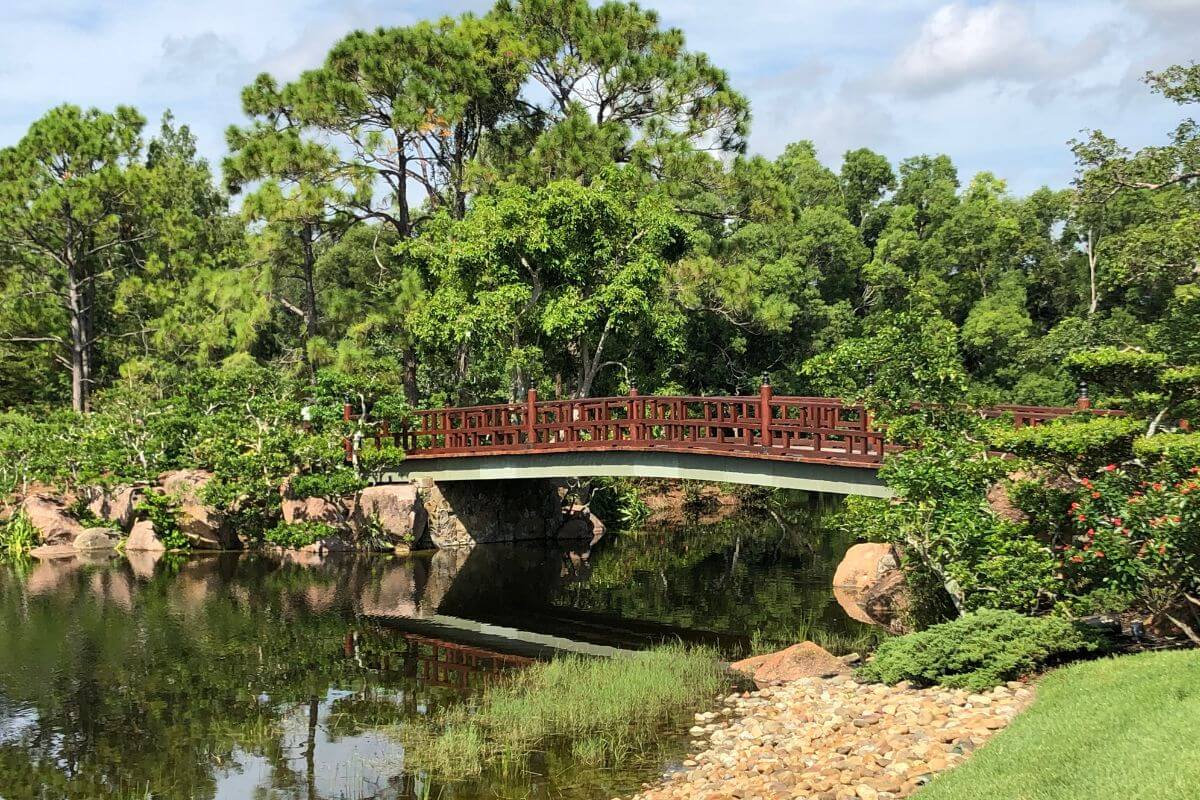
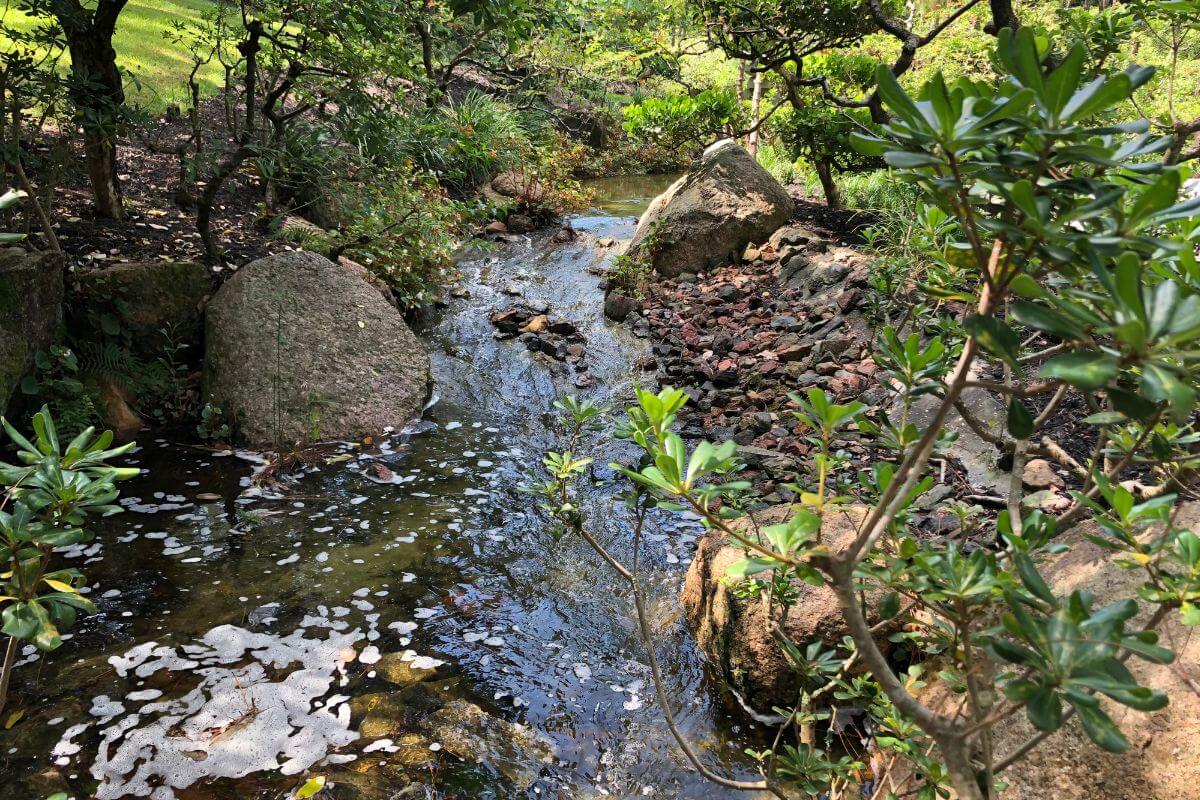
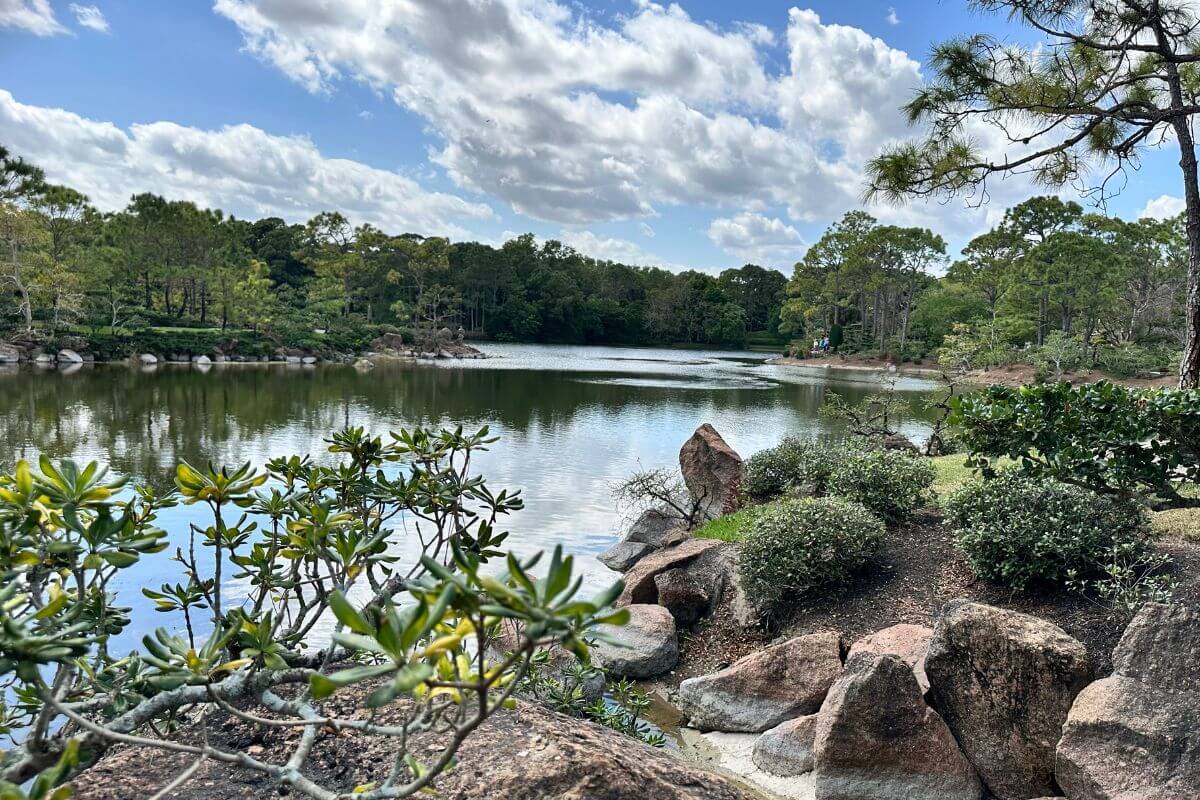
Traveling far to the southeastern coast of the peninsula, the concept of a waterfall takes on an entirely cultural and artistic dimension. The Morikami Museum and Japanese Gardens in Delray Beach spans 16 acres of meticulously curated landscape designs inspired by traditional Japanese aesthetic principles.
While the waterfalls found throughout the six distinct garden zones are entirely artificial, they are masterfully integrated into the natural South Florida environment. Designed to evoke serenity, reflection, and a deep connection to nature, these flowing water features are complemented by winding stone pathways, arched wooden bridges, roaming koi fish, and thick bamboo groves, proving that Florida’s waterfall narrative extends far beyond rustic wilderness trails.
Supporting Context & Metrics
To appreciate the scale and ecological significance of these waterfall sites, it is helpful to examine them through comparative metrics regarding elevation, visitor capacity, and protective management:
Waterfall Destination
Geographic Region
Primary Classification
Key Metric / Elevation Drop
Managing Agency
Falling Waters State Park
Northwest Florida
Natural / Karst Sinkhole
73-foot vertical drop
Florida State Parks
Steinhatchee Falls
North Central Florida
Natural River Shoal
~4-foot limestone ledge drop
FWC / State of Florida
Bulls Bay Preserve
Northeast Florida
Wetland Stream Feature
Localized creek descent
City of Jacksonville Parks
Rainbow Springs State Park
Central West Florida
Engineered Jungle Cascades
Aesthetic garden feature
Florida State Parks
Hidden Waters Preserve
Central Florida
Spring-fed Basin Feature
Sloped basin drop
Lake County Water Authority
Boonie Falls
Central East Florida
Forest River Feature
Small natural woodland drop
Florida Forest Service
Morikami Gardens
Southeast Florida
Engineered Japanese Gardens
Cultural landscape cascade
Palm Beach County / Morikami
Ecological and Geological Significance
Florida’s water features are inextricably linked to the Floridan Aquifer, one of the most productive groundwater systems in the world. Waterfalls like those at Falling Waters and Hidden Waters highlight the active, living geology of the state. Sinkholes and subterranean drainage basins act as natural filtration systems, recharging the aquifer that provides drinking water to millions of residents. Consequently, conservation efforts by agencies such as the Florida Department of Environmental Protection and local water management districts focus heavily on preserving the delicate watersheds surrounding these geological anomalies.
Official Statements and Conservation Insights
Land managers and conservationists emphasize that visiting Florida’s waterfall sites requires a balance between public recreation and environmental stewardship.
Dr. Elena Vance, a karst hydrologist specializing in Southeastern ecosystems, notes:
"The waterfalls of Florida are sensitive barometers of our hydrological health. Because many of these features rely on localized surface runoff or direct spring discharge, they fluctuate dramatically with seasonal rainfall patterns. Protecting the surrounding canopy and preventing urban runoff is vital to maintaining the structural and biological integrity of these fragile ecosystems."
State park rangers frequently remind visitors of the strict "Leave No Trace" principles enforced across these preserves. A spokesperson for Florida State Parks stated:
"Our goal is to provide immersive, educational, and safe outdoor recreation while safeguarding the natural habitats that make these parks unique. Whether visitors are gazing into the 100-foot sinkhole at Falling Waters or walking the tranquil paths of our spring parks, respecting trail boundaries ensures these natural wonders remain pristine for generations to come."
Future Outlook: Sustainable Tourism and Trail Expansion
As domestic eco-tourism continues to surge in popularity, interest in alternative Florida landscapes—moving away from coastal tourism toward interior wilderness exploration—is projected to grow. Local municipalities and state agencies are investing in sustainable trail infrastructure, enhanced educational signage, and improved parking facilities at lesser-known sites like Bulls Bay Preserve and Hidden Waters Preserve.
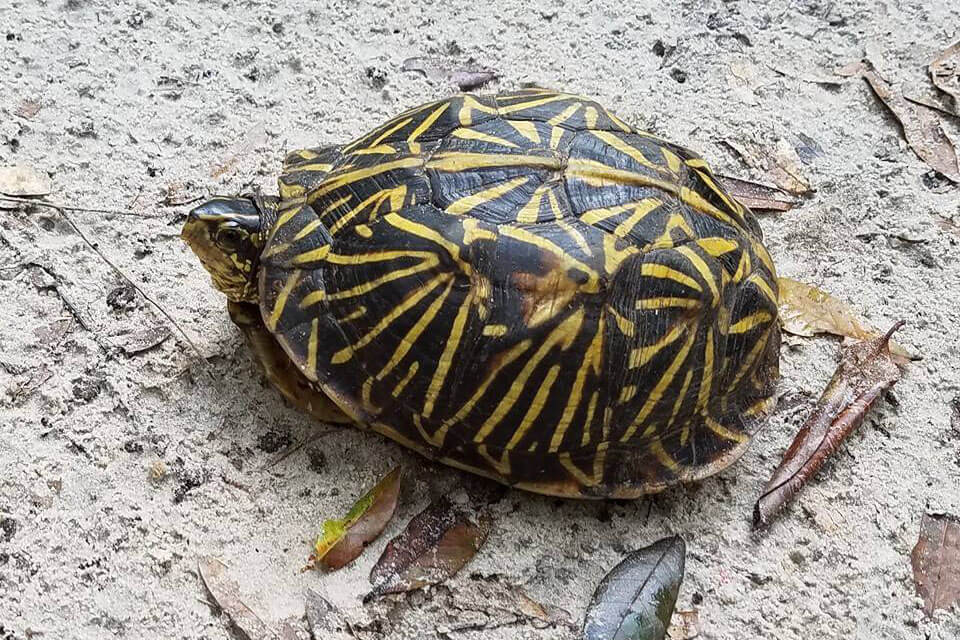
Furthermore, climate resilience planning increasingly incorporates the protection of these wetland and forested buffers. By safeguarding the natural drainage basins that feed these waterfalls, regional authorities help mitigate flood risks while preserving vital wildlife corridors for native species, including white-tailed deer, gopher tortoises, and migratory birds.
For the adventurous traveler willing to look beyond the coastline, Florida’s waterfalls offer a refreshing, unexpected perspective on the state’s natural beauty. Proper preparation, respect for local wildlife, and adherence to park guidelines will ensure that these hidden cascades continue to inspire awe for decades to come.




0 Comments