

Executive Overview
Every year, as the late-summer air begins to shift toward the crisp promise of autumn, agricultural communities across the American South prepare for one of their most celebrated seasons: the peanut harvest. While September 13th is formally recognized nationwide as National Peanut Day, the festivities, cultural traditions, and economic implications of this remarkable crop extend far beyond a single twenty-four-hour period.
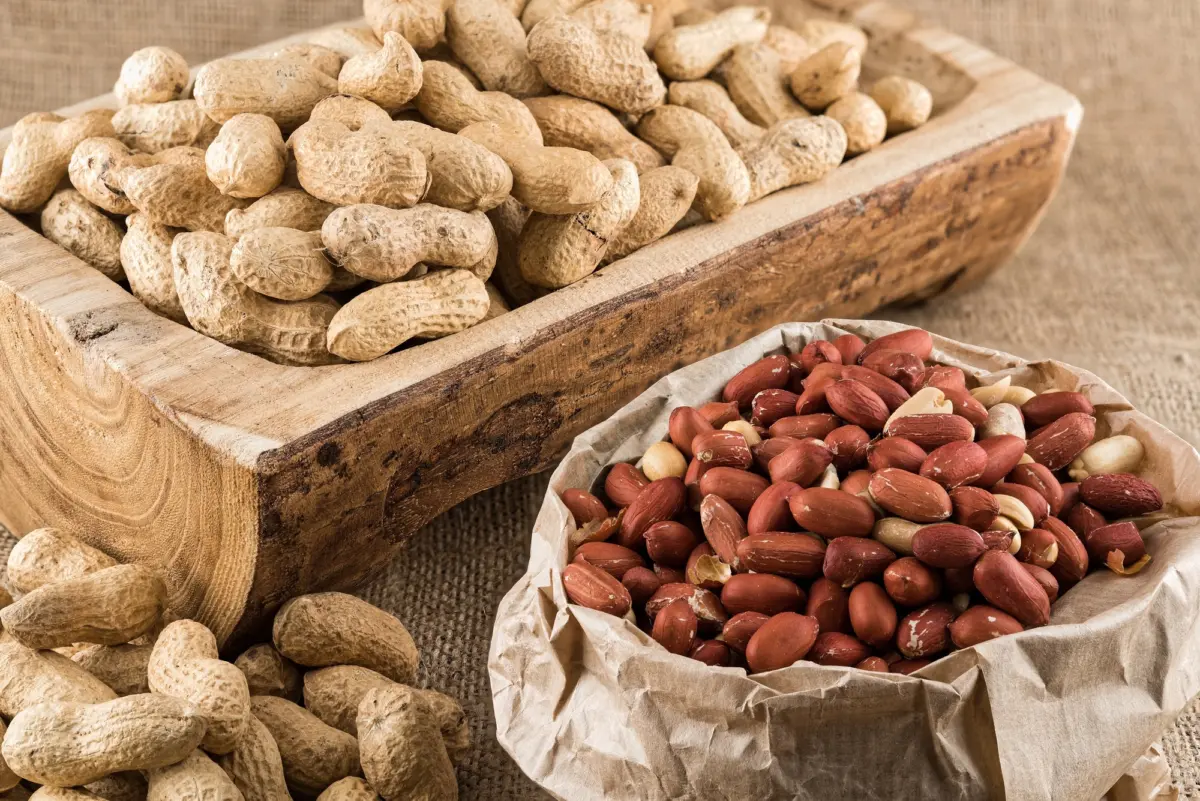
National Peanut Day serves as both a culinary celebration and a nod to a deep-rooted American agricultural heritage. Beloved for their incredible versatility, affordability, and nutritional density, peanuts hold the crown as America’s top-rated snack food. Whether incorporated into a healthy diet as a portable lunchbox snack, ground into smooth or crunchy butter, or rendered into a savory, tangy sauce for an authentic stir-fry, the peanut remains an enduring staple of the American pantry.
Beyond the home kitchen, September marks the explosive kickoff of the Southeast’s vibrant peanut festival season. From small-town community gatherings in Brooklet, Georgia, to the nationally recognized celebrations in Plains, Georgia—home of former U.S. President and lifelong peanut farmer Jimmy Carter—these events draw thousands of visitors. They offer a front-row seat to the rich traditions of the Peanut Belt. This comprehensive report explores the origins of National Peanut Day, the unmatched nutritional profile of peanuts, upcoming regional festivals, and the enduring cultural and economic significance of the crop to American agriculture.
Detailed Chronology: From Farm to Fame
While the precise legislative origins of National Peanut Day remain somewhat obscure—archival research reveals no formal congressional record officially designating September 13th as a national holiday—the day has organically evolved into a beloved fixture on the American calendar. Its observance is a testament to the cultural footprint of a crop that shaped the agricultural landscape of the American South.
The Rise of the Peanut in American History
Though often colloquially grouped with tree nuts, peanuts are actually legumes (Arachis hypogaea), native to South America. They were brought to North America during the colonial era, initially utilized primarily as animal feed or food for enslaved populations. However, the true turning point for the American peanut industry arrived in the late 19th and early 20th centuries, largely due to the tireless advocacy and scientific innovation of agricultural scientist George Washington Carver.
Working at the Tuskegee Institute, Carver developed over 300 uses for peanuts, ranging from cooking oils and cosmetics to dyes and structural building materials. His work transformed the peanut from a neglected crop into a viable, economically transformative commodity for Southern farmers struggling with soil depletion caused by continuous cotton monoculture.
Modern Observance and Community Integration
As the commercial production of peanuts expanded across the "Peanut Belt"—stretching primarily through Georgia, Alabama, Florida, Texas, and the Carolinas—local communities began establishing harvest festivals to celebrate the fruits of their seasonal labor. Over the decades, these localized celebrations dovetailed with the broader, grassroots establishment of National Peanut Day in mid-September.
Today, September 13th acts as a focal point for agricultural educators, food bloggers, health advocates, and snack manufacturers to highlight the journey of the peanut from a subterranean pod to a globally traded, highly sought-after commodity.
Supporting Context & Metrics: Nutritional Powerhouse and Economic Engine
To understand why peanuts command such loyalty among American consumers, one need look no further than their exceptional nutritional profile and economic footprint.
Nutritional Superiority
Despite their modest appearance, peanuts are a nutritional powerhouse:
- Protein Content: Peanuts boast more protein than any other tree nut, offering roughly 7 grams of protein per one-ounce serving. This makes them an invaluable plant-based protein source for vegetarians, athletes, and health-conscious consumers.
- Heart-Healthy Fats: The majority of fats found in peanuts are monounsaturated and polyunsaturated fats—the "good" fats that help maintain healthy cholesterol levels.
- Vitamins and Minerals: Peanuts are rich in essential nutrients, including niacin, folate, vitamin E, magnesium, phosphorus, and copper. They are also packed with powerful antioxidants, such as resveratrol, which is also found in red wine and is associated with reduced risks of heart disease and certain cancers.
- Dietary Fiber: A single serving provides a healthy dose of dietary fiber, promoting digestive health and contributing to a sustained feeling of fullness, which aids in weight management.
Economic Impact and Snacking Habits
In the United States, peanuts are big business. Americans consume an average of more than seven pounds of peanut products every year, translating to billions of servings of peanut butter, roasted peanuts, and peanut-infused candies and baked goods.
Commercially, the U.S. produces billions of pounds of peanuts annually, with the state of Georgia consistently leading the nation in production volume. This agricultural engine supports thousands of family farms, shelling operations, and processing plants, driving economic vitality across rural Southern counties.
Official Statements and Regional Celebrations
As the September harvest gets underway, the spotlight shifts decisively toward the Southeast’s premier peanut festivals. These events offer a unique blend of agricultural education, historical reflection, and family-friendly entertainment.
The Brooklet Peanut Festival (September 19)
Kicking off the region’s major festival circuit is the Brooklet Peanut Festival, held annually in Brooklet, Georgia. Scheduled this year for September 19th, this vibrant community event brings together local growers, artisans, and families for a day of celebration.
Attendees can experience tractor displays, arts and crafts vendors, live musical performances, and an array of culinary creations featuring fresh, locally grown peanuts. The festival serves as a vital community touchstone, celebrating the hard work of local farmers just as the harvest season reaches its peak.
The Plains Peanut Festival (September 26–28)
A week later, all eyes turn to Plains, Georgia, for the world-famous Plains Peanut Festival, running from September 26th through September 28th. This festival holds a special place in American political and agricultural history, as it honors the region’s most famous former resident and agricultural ambassador: former U.S. President Jimmy Carter and his late wife, Rosalynn Carter.
Long before taking the oath of office as the 39th President of the United States, Jimmy Carter was a successful peanut farmer and warehouse operator in Plains. The festival serves as a celebration of both his legacy and the community’s deep agricultural roots.
Museum Expansion Highlights: Visitors attending this year’s festival will have the unique opportunity to tour the newly expanded exhibits at the local museum and historic sites in Plains. Recent updates offer deeper insights into President Carter’s agrarian upbringing, his presidency, and his post-White House humanitarian efforts, all intertwined with the history of the American peanut industry.
Future Outlook: Sustainability, Innovation, and the Road Ahead
As the agricultural sector faces modern challenges—including shifting climate patterns, water resource management, and rising operational costs—the U.S. peanut industry remains remarkably resilient and forward-looking.
Sustainable Farming Practices
Modern peanut farmers are increasingly adopting advanced, sustainable agricultural practices to secure the future of the crop. Because peanuts are a natural nitrogen-fixer, they require less synthetic nitrogen fertilizer than many other crops, naturally enriching the soil in which they are grown. Furthermore, ongoing research funded by organizations like the National Peanut Board focuses on drought-tolerant seed varieties, precision irrigation techniques, and soil conservation methods that minimize environmental impact while maximizing yield efficiency.
Culinary and Industrial Innovation
Beyond traditional snacking and peanut butter manufacturing, the versatility of the peanut continues to drive industrial innovation. Food scientists are exploring new applications for peanut flour—a high-protein, gluten-free alternative used in baking and protein bars—as well as specialized culinary oils that cater to health-conscious global markets.
Preserving Heritage
Even as technology and global markets evolve, celebrations like National Peanut Day and the annual festivals in Brooklet and Plains ensure that the cultural heart of the industry remains intact. By honoring the generations of farmers, scientists like George Washington Carver, and community leaders who built the industry, these traditions guarantee that the story of the American peanut will continue to be told for generations to come.
As September 13th approaches, whether you are packing a handful of roasted peanuts in a lunchbox, whipping up a savory stir-fry, or planning a trip to a Georgia harvest festival, you are participating in a rich, centuries-old American tradition that is as nutritious as it is delicious.

0 Comments