For centuries, the growth of human civilization along coastal waterways followed a predictable, often destructive trajectory. As populations surged, metropolises expanded, and industrial demands grew, urban river mouths and coastal estuaries suffered from heavy pollution, habitat fragmentation, and severe overfishing. The traditional narrative dictated that if an angler wanted world-class saltwater action, they had to pack up a trailer, escape the sprawl, and venture into remote wilderness or offshore solitudes.
Today, that narrative is being rewritten. Thanks to decades of aggressive environmental conservation, stricter regulatory frameworks, and ecological restoration, America’s largest metropolitan waterways have staged a remarkable biological comeback. Cities that were once written off as ecological dead zones are now thriving aquatic ecosystems. From the shadow of the Francis Scott Key Bridge in Baltimore to the neon glow of Honolulu within sight of Diamond Head, urban fisheries offer serious anglers a rare combination of convenience and high-caliber challenge.
This comprehensive report examines six of the nation’s premier urban fisheries—Boston, Baltimore, Tampa, San Diego, Seattle, and Honolulu—detailing the target species, local expert tactics, gear configurations, and the evolving culture of metro-angled sportsmanship.
Detailed Chronology: The Evolution of Urban Waters
To understand how bustling city centers became hotspots for trophy gamefish, it is necessary to examine the timeline of urban waterways from industrial dumping grounds to protected marine ecosystems.
The Industrial Era (Late 19th to Mid-20th Century): Rapid industrialization transformed American coastal cities into economic powerhouses at the direct expense of local marine life. Rivers like the Patapsko in Baltimore and Boston Harbor were treated as open-sewer systems. Heavy metals, raw sewage, and industrial runoff decimated native fish populations, driving striped bass, salmon, and other migratory species away from urban cores.
The Environmental Awakening (1970s): The passage of foundational environmental legislation, most notably the federal Clean Water Act of 1972, marked a turning point. For the first time, municipalities and industries were held legally accountable for the effluent discharged into local bays, estuaries, and rivers. Water quality slowly began to stabilize.
The Habitat Restoration Phase (1980s–1990s): Conservation groups, state departments of natural resources, and grassroots organizations began concerted efforts to remove obsolete dams, restore salt marshes, and construct artificial reefs near urban ports. Striped bass management programs, such as the Atlantic States Marine Fisheries Commission’s interstate moratorium, successfully rebounded striper stocks along the Eastern Seaboard.
The Modern Urban Angling Renaissance (2000s–Present): With water quality at its highest point in over a century, gamefish returned to urban centers in droves. Anglers equipped with modern graphite rods, braided lines, and advanced electronics began to realize that some of the best fishing in the country was happening right under the noses of commuters. Today, urban fishing is recognized as a legitimate, highly specialized sub-genre of sportfishing.
Supporting Context & Metrics: Navigating the Urban Fishery Landscape
Targeting fish in heavily populated metropolitan areas requires a distinct set of skills, an understanding of local geography, and an appreciation for urban logistics—ranging from hidden parking spots to complex regulatory apps. Below is a detailed breakdown of the six highlighted urban fisheries, the species they harbor, and the tactical blueprints provided by local authorities.
1. Boston, Massachusetts: Beantown Bruisers
Boston Harbor and its surrounding coastal inlets present a labyrinth of rocky shorelines, swift tidal currents, and structural complexity.
Target Species: Striped bass (Morone saxatilis).
The Fishery Dynamics: According to veteran shore-commando Eric Harrison, who has maintained a streak of catching a striped bass every single month of the year, Boston’s fish are plentiful but require insider knowledge to access. "I’ll tell you where I catch striped bass, but I won’t tell you where I park my car," Harrison jokes. Winter runs are sustained by dedicated winter-wading squads targeting resident and holdover fish in frigid conditions.
Tactical Blueprint & Gear:
Shore Anglers: 9-foot rod paired with a 5000-sized spinning reel, spooled with 40-pound-test braided line and a 40-pound fluorocarbon leader.
Boat/Kayak Anglers: 7-foot medium-heavy setup.
Lures: 7-inch straight-tail soft plastics, swimming plugs, and walk-the-dog topwater lures. Harrison views topwater strikes as an indicator: "If a fish swipes at the lure, I know more fish are in the area."
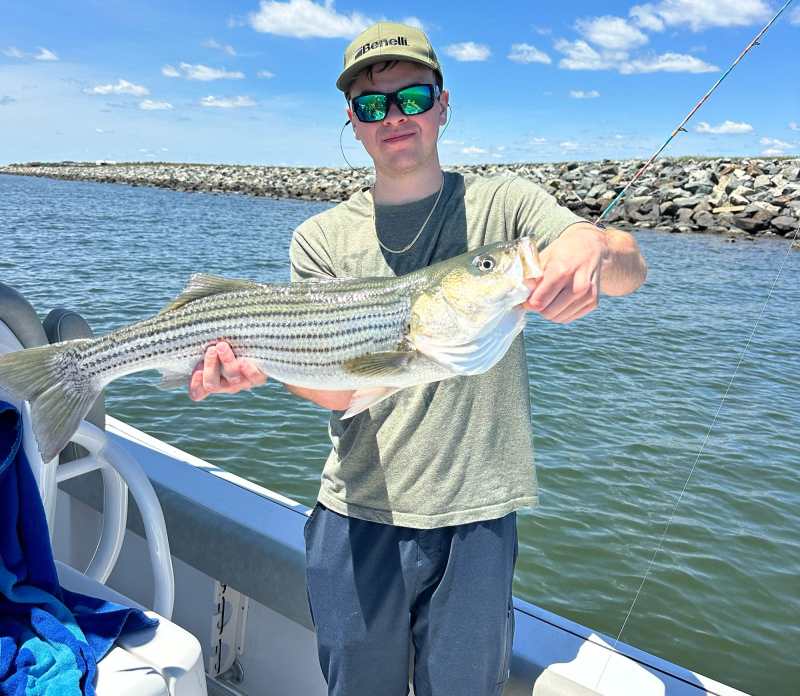
2. Baltimore, Maryland: Charm City Rocks
The industrial grit of Baltimore offers a uniquely atmospheric backdrop for light-tackle sportfishing, where anglers can cast jerkbaits alongside historic landmarks like Fort McHenry and the Francis Scott Key Bridge.
Target Species: Resident and migratory striped bass (locally known as rockfish).
The Fishery Dynamics: Captain Chuck Hill of Chill’s Light Tackle Guide Service notes that seawalls, docks, jetties, and bridge pilings act as natural magnets for rockfish. The fishery is accessible via multiple public boat ramps and shore access points, including Fort Armistead, Fort McHenry, and Hart Miller Island. The prime window is typically the first few hours of the outgoing tide, when baitfish are swept out of tributary rivers.
Tactical Blueprint & Gear:
Summer Strategy: Live spot or perch rigged on a fish-finder rig.
Spring, Fall, and Winter Strategy: Light artificials. Hill relies heavily on Strike King 10K KVD jerkbaits (matched to water depth via shallow- or deep-diving models) and 3/8-ounce jigs tipped with 4.75-inch KVD Shadalicious soft plastics to probe deep holes.
3. Tampa, Florida: Cigar City ’Poons
Tampa Bay is internationally renowned for its expansive flats, but its urban infrastructure—specifically its massive bridges and deepwater passes—offers high-octane tarpon fishing for dedicated anglers willing to brave the current.
Target Species: Tarpon (Megalops atlanticus).
The Fishery Dynamics: Lure designer Jose Chavez highlights the hard-core underground community that pursues tarpon from the city’s piers and passes. Peak action occurs during the early summer months (May and June). The Sunshine Skyway Bridge—the world’s longest fishing pier—serves as a primary staging ground where tarpon wait to ambush disoriented bait swept through structural eddies.
Tactical Blueprint & Gear:
Presentation: Natural lure drift through current breaks and eddies where tarpon stage at varying water depths.
Fight Management: Anglers must apply steady, calculated pressure to stall the fish’s oxygen consumption without turning its head, which can trigger an unstoppable run.
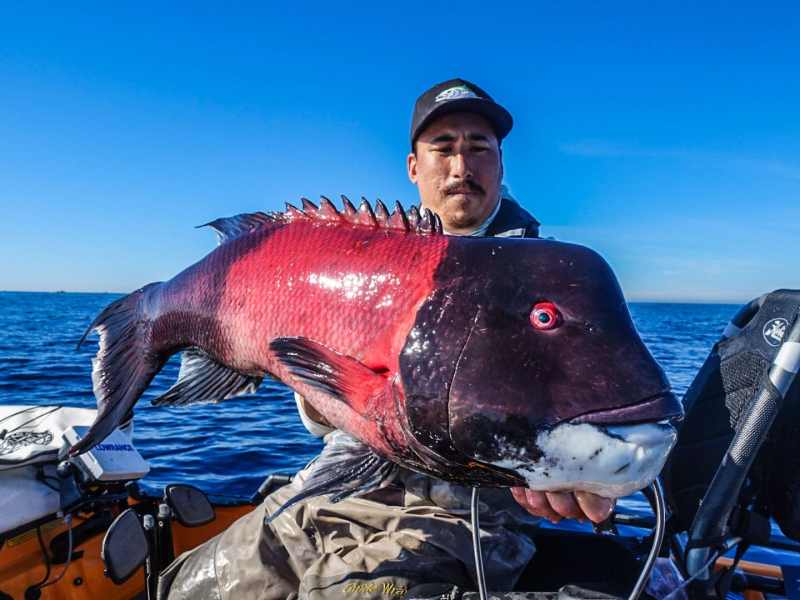
4. San Diego, California: Daygo Surf and Turf
Southern California’s coastal culture blends seamlessly into its marine environment, offering shore and kayak anglers a chance at Pacific pelagics and heavy reef dwellers within swimming distance of metropolitan beaches.
Target Species: California halibut, California yellowtail, white seabass, and California sheephead.
The Fishery Dynamics: Newport Vessels product manager Howie Strech points out that local success is heavily dictated by seasonal bait migrations, particularly the winter squid runs when cephalopods swarm inshore waters.
Tactical Blueprint & Gear:
On-the-Water Strategy: Kayak anglers use marine electronics to locate bait and deep-water fish. Live baits are slow-trolled weightless or dropped via a three-way rig when targeting deep marks.
Artificials: Metal flutter jigs worked through the water column from surface to floor when active feeding pods are spotted.
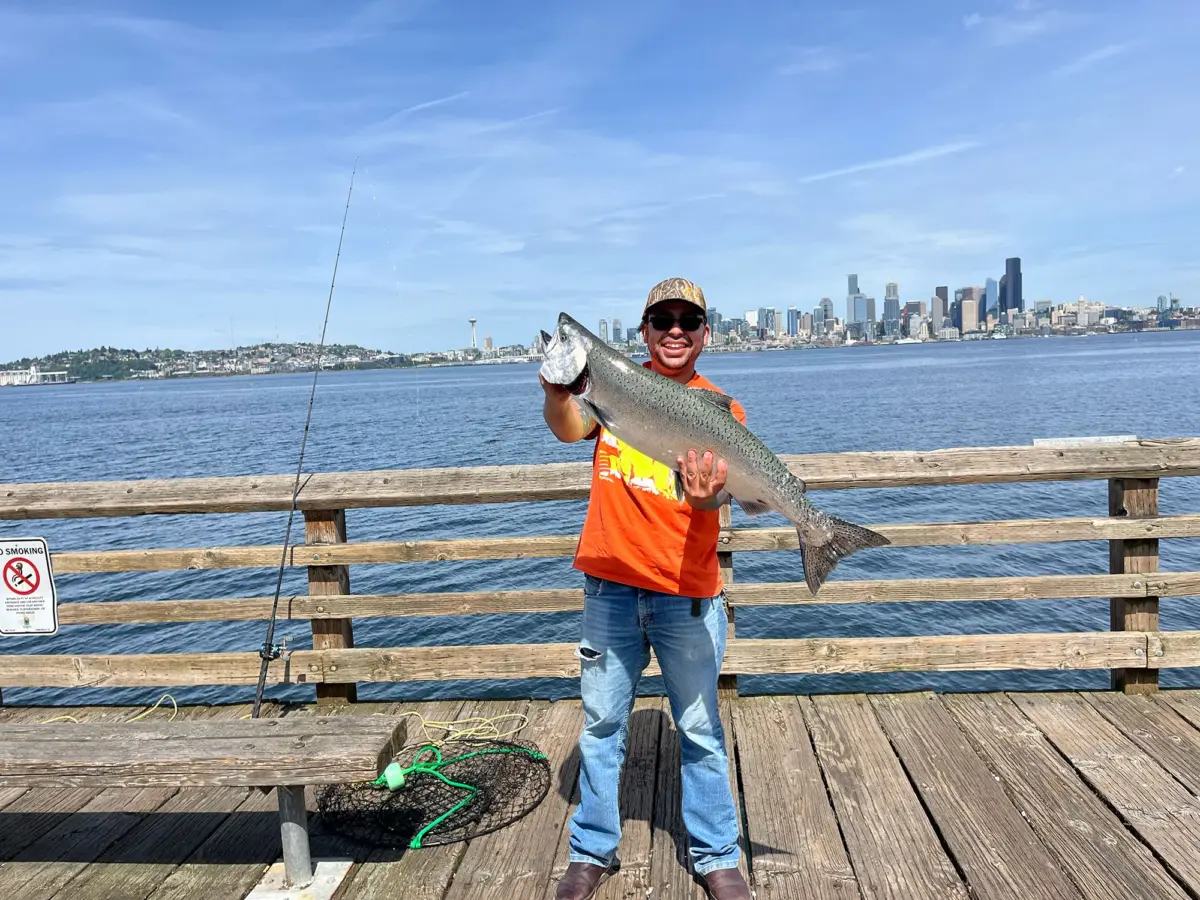
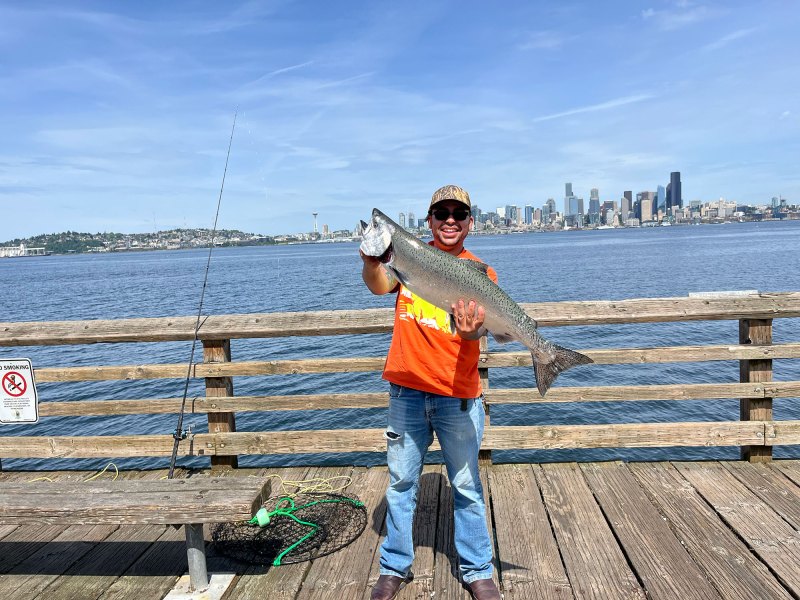
5. Seattle, Washington: Emerald City Salmon
In the Pacific Northwest, salmon reign supreme. The waters of Puget Sound funnel millions of migratory salmon right past downtown Seattle every single year.
Target Species: King (Chinook), Coho (Silver), and Pink salmon.
The Fishery Dynamics: Social media influencer Brad Hole (@kayakfishingwashington) notes that while Seattle offers opportunities for everything from crappie to squid, salmon remain the undisputed king of the local sportfishing culture. Piers, harbor shorelines, and kayak launch spots provide extensive access.
Tactical Blueprint & Gear:
Timing: Early morning hours when trophy fish hunt shallow littoral zones.
Gear Configuration: Medium-heavy, 8-foot rod spooled with 30-pound braid and a 40-pound fluorocarbon leader, throwing 2- to 4-ounce Buzz Bomb jigs.
Regulatory Note: Hole stresses the critical importance of utilizing state smartphone apps to stay compliant with complex, frequently updated regional fishing regulations.
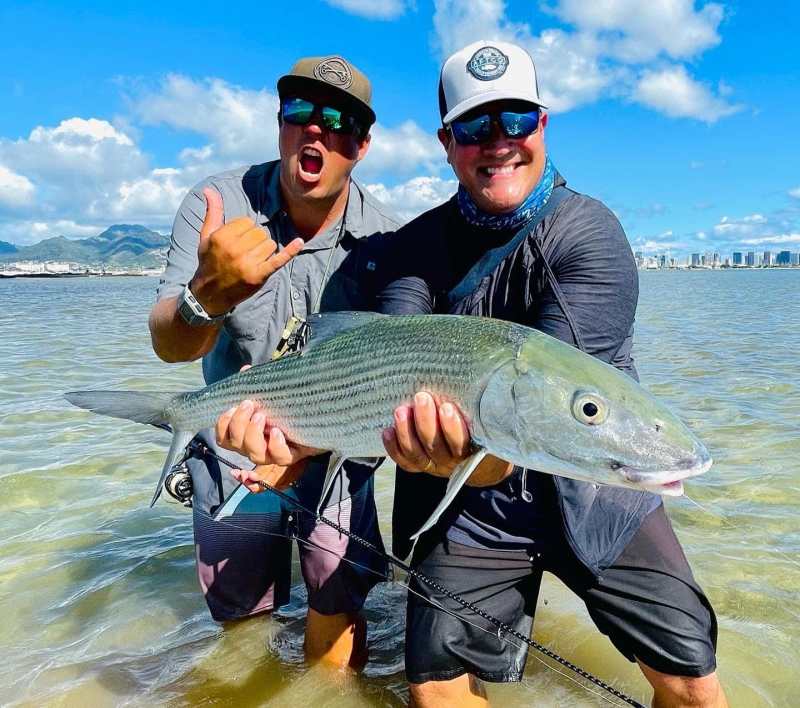
6. Honolulu, Hawaii: Big Pineapple Bones
Beyond its resort strips and volcanic vistas, Honolulu houses some of the most technical and rewarding shallow-water flats fishing on Earth.
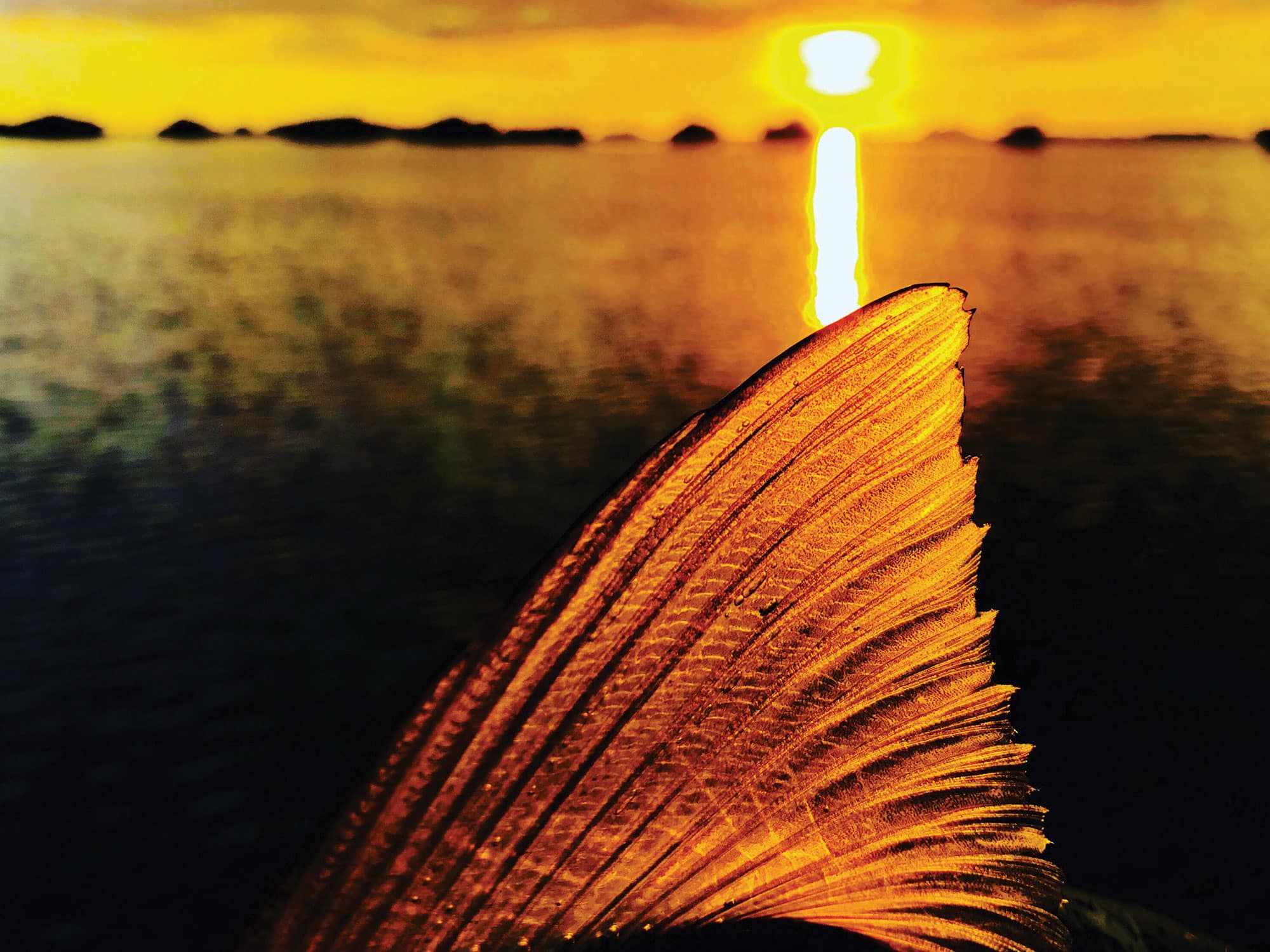
The Fishery Dynamics: Captain Chris Wright of Aloha Fishing Hawaii has successfully produced International Game Fish Association (IGFA) World Records within direct line of sight of famous Diamond Head beach. The fishery relies on precise tide reading; low tide clears the water, exposing tailing fish in the shallows during narrow 30- to 45-minute windows.
Tactical Blueprint & Gear:
Spinning Setup: Medium-action outfit, 20-pound braid, a long 15-pound fluorocarbon leader, and a Cranka Crab lure.
Fly Setup: 7-weight rod, sinking line, 12-foot 15-pound leader, and a Crazy Charlie crab imitation worked slowly along the bottom.
Stealth Approach: Waders must wear felt-soled neoprene shoes, utilize muted clothing, walk with extreme care, and maintain absolute silence on the flats.
Official Statements and Expert Perspectives
The renaissance of urban fisheries is supported by guides, conservationists, and industry experts who navigate these concrete-bound waters daily. Their insights underscore the unique philosophy required to succeed in metro environments:
"Boston is full of fishy areas, but the best spots are not easy to access. Anywhere you can access the water, you have a chance of catching a big bass."
— Eric Harrison, Boston Shore-Fishing Expert
"All of the seawalls, docks, jetties and bridge pilings hold rockfish… If you fish those lures [jerkbaits and soft plastics], you will eventually catch stripers."
— Capt. Chuck Hill, Chill’s Light Tackle Guide Service, Baltimore
"If you can’t catch a tarpon in May and June, you should take up golf… The fish destroys the bait, but applying steady pressure puts the fish in a standstill, limiting its oxygen consumption until it tires."
— Jose Chavez, Z-Man Lure Designer, Tampa Bay
"Don’t try to know everything. Perfect a couple techniques then add to that knowledge."
— Howie Strech, Newport Vessels, San Diego
"We’re a salmon state, everything else takes a back seat… Our fishing guide is a half-inch thick, so downloading the smartphone app is the best way to stay current with the rules."
— Brad Hole, Kayak Fishing Washington, Seattle
"We have tons of places where you can drive up and walk out into the water for the world’s biggest bonefish… You have to walk hella slow, don’t wear bright clothes, barely move, make no noise."
— Capt. Chris Wright, Aloha Fishing Hawaii, Honolulu
Future Outlook
The trajectory of urban fisheries across the United States points toward continued growth, driven by ongoing infrastructure investments in stormwater management, shoreline naturalization, and municipal water treatment. As cities increasingly recognize the ecological and economic value of clean urban waterways, public access points, kayak launches, and fishing piers are being integrated into modern waterfront development plans.
However, challenges remain. Continued population density, climate-induced water temperature fluctuations, and localized overfishing require vigilant oversight from state wildlife agencies and active stewardship from the angling community. Catch-and-release ethics, strict adherence to bag limits, and responsible handling of trophy-class urban gamefish will determine whether these fisheries continue to thrive for future generations.
For the modern angler, the message is clear: adventure does not require a cross-country expedition into the backcountry. With the right gear, a sharp eye on the tides, and a deep respect for the urban ecosystem, world-class sportfishing is waiting just beyond the city limits—often within walking distance of the skyline.



0 Comments