


Executive Overview
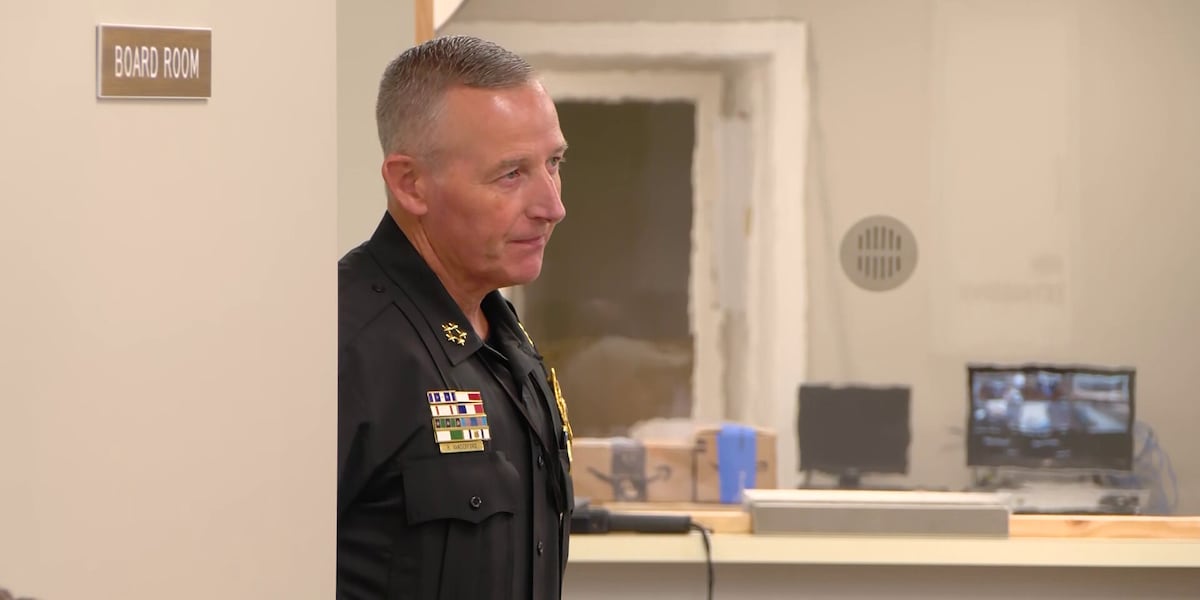
SENATOBIA, Miss. — The leadership of the Senatobia Police Department has collapsed into profound turmoil following the decisive termination of Police Chief Harold “Hal” Vanderford. The action by the city’s Board of Aldermen came after an explosive investigative report revealed a pattern of explicit, racially charged misconduct. Vanderford’s firing marks the second time in just 14 months that this small Mississippi municipality of roughly 8,500 residents has been forced to oust its top law enforcement officer, plunging the department into an unprecedented administrative and public relations crisis.
The dismissal follows an intensive joint investigation published last month by Mississippi Today and The New York Times, which exposed a cache of text messages in which Vanderford repeatedly deployed the N-word and other severe racial slurs over a period spanning from the summer of 2025 into his tenure as chief. Among the most incendiary messages uncovered was a declaration in which Vanderford boasted that he had “almost beat a n*** and a white woman’s a a few minutes ago.”
Compounding the outrage is the department’s harrowing backdrop: the fatal shooting of 1-year-old Kohen Wiley by a Senatobia police officer during a shoplifting response at a local Walmart in June 2026. The convergence of systemic racial animus at the highest levels of the police department and the ongoing opacity surrounding an infant’s death has galvanized national civil rights advocates, local activists, and grieving family members. They are demanding immediate transparency, comprehensive systemic reform, and the public release of all investigative materials, including the critical body-worn and dash-camera footage currently held by state investigators.
Detailed Chronology of Events
To understand the systemic fractures within the Senatobia Police Department, one must trace the rapid deterioration of municipal leadership, the sequence of controversial hiring decisions, and the cascading scandals that have defined the past year and a half.
1. July 2025: The Departure of Chief Richard Chandler
The instability currently gripping the Senatobia Police Department is not isolated to the tenure of Chief Vanderford. In July 2025, following a series of troubling incidents and growing community friction regarding departmental conduct, the Board of Aldermen voted against reappointing then-Police Chief Richard Chandler. The decision left a leadership vacuum in a community striving for stability, setting the stage for a rushed recruitment process.
2. October 2025: The Appointment of Harold “Hal” Vanderford
Seeking a steady hand to guide the agency, city leaders appointed Harold “Hal” Vanderford as police chief in October 2025. Unbeknownst to the public at the time of his hiring, Vanderford had already established a digital paper trail of virulent racial hostility. Investigative reporting later revealed that his history of sending racist text messages—utilizing slurs on more than a dozen occasions—extended continuously from the summer of 2025 right through his transition into the chief’s office.
3. June 14, 2026: The Fatal Shooting of Kohen Wiley
The defining tragedy of this municipal crisis occurred on June 14, 2026. Senatobia police officers responded to a routine shoplifting call at a local Walmart. In the chaotic sequence of events that followed, an officer—identified in subsequent reports as Sgt. Foster—discharged a weapon, striking and killing 1-year-old Kohen Wiley. The infant’s death immediately transformed Senatobia into the focal point of national scrutiny, raising severe questions regarding use-of-force protocols, tactical decision-making, and the protection of civilian lives during minor property crime responses.
4. August 2025–August 2026: The Investigative Exposé
As the Mississippi Bureau of Investigation (MBI) launched a quiet, protracted inquiry into the shooting of Kohen Wiley, independent journalists at Mississippi Today and The New York Times pursued a parallel investigation into the internal culture of the Senatobia Police Department. Their findings, published in late August 2026, laid bare Vanderford’s text message history. The revelation that the sitting police chief casually used racial slurs and boasted about physical violence sent shockwaves through the community, instantly collapsing what little public trust remained in the department’s administrative leadership.
5. Late August to Early September 2026: The Political Flip-Flop and Termination
In the immediate aftermath of the investigative report, the political machinery of Senatobia initially attempted a posture of containment and defense. City leaders issued a public statement claiming that Vanderford had “voluntarily and willingly appeared before the Mayor and Board of Aldermen and answered every question,” describing his responses as “sincere” and expressing full confidence in his continued service.
This unified front fractured instantly. Five days later, Alderman Allen Tanksley, one of the board’s two Black members, formally went on record to distance himself from the endorsement, declaring, “Let the record show, truth be told, I, Allen Tanksley, did not agree with that statement and had no part of that statement.”
At the pivotal Board of Aldermen meeting on Tuesday night, the political tide turned definitively. Alderman at Large Demetrius Garrett, the board’s other Black member, intervened decisively by calling to pull a key agenda item, rejecting Vanderford’s proffered resignation, and introducing a formal motion to terminate the chief outright. Following a closed-door executive session, the Board of Aldermen voted unanimously to fire Vanderford, rejecting his exit terms and ensuring he was stripped of his badge and authority immediately.
Supporting Context & Metrics
The crisis in Senatobia highlights structural vulnerabilities frequently observed in smaller municipal police departments across the American South.
- Demographic Context: Senatobia is a close-knit community of approximately 8,500 residents located in DeSoto County. While modest in size, the city acts as an economic and cultural hub for the region, making the actions of its municipal government and law enforcement agency a matter of intense public interest.
- Leadership Volatility: The removal of two police chiefs within a 14-month window (Richard Chandler in July 2025 and Hal Vanderford in September 2026) points to deep-seated systemic failures in vetting procedures, background checks, and civilian oversight mechanisms.
- The Scale of Misconduct: Investigative findings established that Vanderford utilized the N-word and related racial epithets on more than a dozen documented occasions over a one-year window. The explicit nature of his messages—including references to physical assaults (“almost beat a n*** and a white woman’s a”)—demonstrated an active contempt for the constitutional rights and basic dignity of the citizens he swore to protect.
- Investigative Bottlenecks: Nearly three months after the tragic death of 1-year-old Kohen Wiley, key evidentiary materials remain shielded from public view. The Mississippi Bureau of Investigation holds the critical body-camera and surveillance footage from the Walmart incident, while the family and their legal representatives are forced to fight for basic transparency.
Official Statements & Community Reactions
The fallout from Vanderford’s firing and the ongoing investigation into infant Kohen Wiley’s death has generated profound commentary from civil rights leadership, city officials, and grassroots organizers.
Legal Representation: Ben Crump Law
Prominent civil rights attorney Ben Crump, representing the grieving family of Kohen Wiley, issued a scathing critique of the police department’s systemic rot while acknowledging the board’s belated action against the chief:
"The reports of racist language within the Senatobia Police Department are reprehensible and make the continued secrecy and lack of cooperation surrounding Kohen’s death even more unacceptable," Crump stated immediately following the investigative release.
Following Vanderford’s formal termination, Crump issued a follow-up statement balancing acknowledgment of the board’s vote with a steadfast demand for true accountability:
"Removing this chief was the right decision, and the Senatobia Board of Aldermen deserves credit for acting. But it does not answer the question Kohen’s family has been asking since June 14: what happened to their baby? A 1-year-old was shot and killed by an officer of this department, and nearly three months later his family still has not been allowed to see the footage. The racist language that cost Chief Vanderford his job is exactly why this family cannot simply be told to trust the process. MBI has the footage. Release it, finish the investigation into Sgt. Foster, and give this family the facts they have been owed since the day Kohen died."
Grassroots Activism: Patrick Lumumba
Patrick Lumumba, founder of the Senatobia Committee for Accountability and Transparency, celebrated Vanderford’s ouster as a vital milestone in a broader fight for structural reform within the city’s power structures:
"We got a win today!" Lumumba proclaimed following Tuesday night’s decisive vote. "We got, you know… we got the head off the monster today. So we got some more heads that need to roll. We got some more dominoes that need to fall."
Emphasizing the power of civic engagement, Lumumba added:
"People are beginning to see how they can be activated in the political process, and they’re seeing the results of it right now and today."
Municipal Leadership Response
The fractured nature of the city’s leadership was starkly apparent during the final days of Vanderford’s employment. While initial statements from the mayor’s office attempted to shield the chief by highlighting his cooperative demeanor during questioning, public pressure from municipal representatives forced a rapid pivot.
Alderman Allen Tanksley’s public dissociation from the initial vote of confidence and Alderman at Large Demetrius Garrett’s decisive motion to terminate underscored a deep racial and philosophical divide within the city’s governance. Following the vote, the Board of Aldermen moved swiftly to restore baseline administrative functionality, appointing Lieutenant Angelica Maze to take command of the department on an interim basis while a formal, nationwide search for a permanent chief is organized. Former Chief Vanderford has consistently declined or failed to respond to repeated media requests for comment regarding the text message allegations and his subsequent firing.
Future Outlook & Path Forward
As Senatobia navigates this profound institutional crisis, the road toward healing, accountability, and structural reform remains long and fraught with challenges. Several critical milestones will dictate whether the city can successfully rebuild public trust in its law enforcement agency:
- Full Transparency in the Wiley Investigation: The immediate release of all video footage, dispatch logs, and investigative findings concerning the fatal shooting of 1-year-old Kohen Wiley is non-negotiable for community restoration. Continued withholding of evidence by state or local authorities will only serve to deepen public cynicism and fuel civil unrest.
- Comprehensive Departmental Audit: Beyond the termination of Chief Vanderford, the Senatobia Police Department requires an exhaustive, independent civil rights audit. City leaders must determine whether Vanderford’s toxic ideology infected subordinate officers, influenced use-of-force patterns, or skewed everyday policing practices within the community.
- Overhaul of Vetting and Hiring Protocols: With two police chiefs dismissed in rapid succession, municipal leaders must institute rigorous, transparent vetting procedures for future leadership candidates. Background checks must include comprehensive digital footprint analyses, social media audits, and deep examinations of past professional conduct.
- Empowerment of Civilian Oversight: Community organizations like the Senatobia Committee for Accountability and Transparency have demonstrated that grassroots civic engagement can alter municipal policy. Establishing a permanent, independent civilian oversight board with subpoena power could serve as an essential safeguard against future abuses of police authority.
The firing of Chief Harold Vanderford is an undeniable victory for accountability, but it represents merely the first step in a complex journey toward justice. For the family of Kohen Wiley, for the residents of Senatobia, and for the integrity of the justice system in Mississippi, true reform requires systemic cleansing, absolute transparency, and an unwavering commitment to equal protection under the law.

0 Comments