
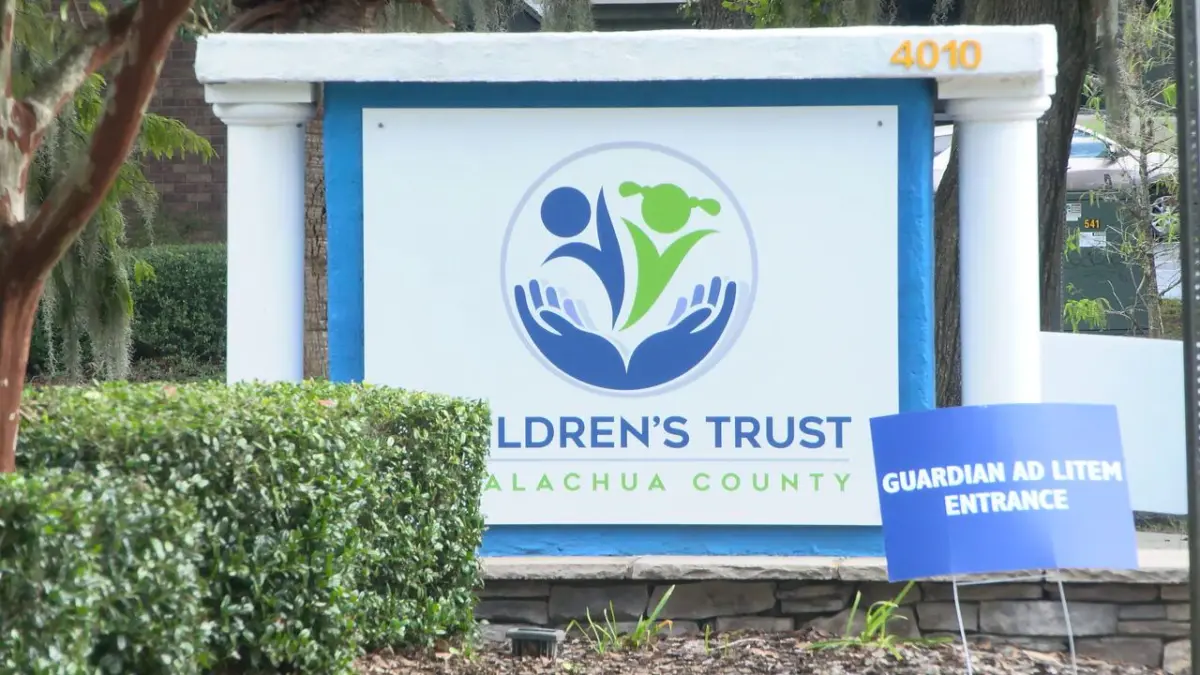

GAINESVILLE, Fla. — In a sweeping administrative overhaul that signals a fresh chapter for regional youth advocacy and governance, Florida Governor Ron DeSantis has officially announced four high-profile appointments to the Board of Directors for the Children’s Trust of Alachua County. The move injects a potent mix of political acumen, financial stewardship, clinical healthcare expertise, and academic research into an agency tasked with administering millions of dollars in taxpayer-funded programs designed to improve the physical, mental, emotional, and social well-being of Alachua County’s children.
At the center of this newly minted slate of leaders is former Alachua County Commissioner Lee Pinkoson, a seasoned public servant whose return to local governance brings a deep institutional memory of the region’s socio-economic landscape. Joining Pinkoson are a trio of accomplished professionals: Robert Page, Senior Vice President at SouthState Bank; Lisa Denning, a Certified Registered Nurse at the Malcom Randall Department of Veterans Affairs Medical Center in Gainesville; and Dr. Nancy Hardt, a retired professor emeritus from the University of Florida College of Medicine and a nationally recognized pioneer in maternal-child health metrics.
This high-stakes restructuring comes at a critical juncture for the Children’s Trust of Alachua County (CTAC). Established initially by local referendum to address systemic gaps in early childhood education, maternal health, and after-school programming, the independent special district commands significant fiscal resources derived from property taxes. With a budget designed to fund targeted community interventions, the board faces intense public scrutiny to ensure fiduciary responsibility, measurable programmatic outcomes, and equitable distribution of resources across diverse urban and rural neighborhoods.
The inclusion of leaders from banking, public health, medicine, and municipal government suggests a deliberate strategy by the executive branch to fortify the Trust against administrative missteps while aligning its strategic vision with evidence-based public policy. As these appointees step into their roles, they inherit a complex operational matrix involving community stakeholders, local school boards, non-profit grantees, and skeptical taxpayers demanding fiscal transparency. This article provides an in-depth exploration of the appointments, the professional backgrounds of the new board members, the broader institutional context of the Children’s Trust, and a forward-looking analysis of what this transition means for the future of Alachua County’s youth.
Detailed Chronology: The Pathway to the Governor’s Appointments
To understand the weight of these recent appointments, one must trace the evolutionary timeline of the Children’s Trust of Alachua County, from its grassroots inception to its current status as a formidable quasi-governmental agency, as well as the administrative steps leading to the current board configuration.
Phase I: The Legislative and Referendum Genesis (2018–2020)
The framework for the Children’s Trust was forged years prior to its operational launch. Local advocates, pediatricians, educators, and social service providers spent years documenting the disparate outcomes facing children in Alachua County, particularly concerning kindergarten readiness, childhood poverty rates, and juvenile justice involvement.
In 2018, the Alachua County Legislative Delegation supported enabling legislation allowing for the creation of a children’s services independent special district. This culminated in a historic referendum during the November 2020 general election. Despite the logistical challenges of campaigning during the COVID-19 pandemic, Alachua County voters overwhelmingly approved the ballot measure, authorizing the levy of up to 0.5 mills of ad valorem property taxes to fund children’s services.
Phase II: Early Governance and Institutional Growing Pains (2021–2024)
Following the referendum, the initial board was constituted, bringing together a mix of gubernatorial appointees and local officials. During its formative years, the Trust grappled with the monumental task of standing up an administrative apparatus from scratch. Hiring executive leadership, establishing grant-making protocols, conducting a comprehensive county-wide needs assessment, and building trust among incumbent non-profit providers consumed the board’s early agenda.
As the Trust matured, it transitioned from a startup entity into a major funding engine. It allocated millions of dollars toward after-school programs, literacy initiatives, mental health counseling in schools, and infant mortality reduction programs. However, rapid scaling inevitably invited operational friction. Questions regarding overhead costs, grant performance metrics, and the geographic equity of fund distribution frequently dominated public comment periods during board meetings.
Phase III: The 2026 Gubernatorial Intervention
The announcement by Governor Ron DeSantis represents a targeted recalibration of the board’s composition. Gubernatorial appointments to independent special districts like the Children’s Trust are designed to provide state-level oversight while balancing local autonomy.
The selection process involves vetting candidates from diverse professional sectors to ensure that the board does not become an echo chamber. By introducing figures with deep roots in municipal government (Lee Pinkoson), corporate finance (Robert Page), clinical nursing (Lisa Denning), and academic medicine (Nancy Hardt), the executive office has curated a leadership group equipped to address the multifaceted challenges of child welfare administration. The official announcement was finalized and released publicly through regional media channels, marking the official commencement of these new board members’ terms pending standard confirmation and orientation procedures.
Supporting Context & Metrics: The Operating Environment of Alachua County
To evaluate the efficacy of the new board appointments, one must examine the socio-economic and demographic realities framing Alachua County. While home to the prestigious University of Florida, creating an intellectual and economic engine, the county suffers from stark economic polarization and geographic disparities.
Demographic Realities and Child Poverty
Alachua County is home to approximately 278,000 residents, but beneath the veneer of a vibrant university town lies a challenging social landscape. According to recent demographic analyses and census data:
- Child Poverty Rates: Nearly one in five children in Alachua County lives below the federal poverty line, a figure that spikes dramatically within specific urban census tracts in Gainesville and rural pockets in the eastern portions of the county.
- The "Two Alachuas" Phenomenon: Economic stratification is stark. While areas surrounding the university and western suburbs enjoy high median household incomes and robust educational resources, eastern Alachua County faces chronic underinvestment, food deserts, and diminished access to primary healthcare infrastructure.
The Fiscal Footprint of the Children’s Trust
The Children’s Trust of Alachua County operates on a multi-million-dollar budget generated by property taxes. The 0.5 millage cap yields substantial annual revenue, providing a steady, dedicated funding stream independent of the fluctuations of state legislative appropriations or federal grants.
This financial muscle makes the Trust one of the most influential policy-making and funding bodies in the region. Every dollar allocated by the board carries profound implications for community partners:
- Early Childhood Education: Funding initiatives aimed at boosting kindergarten readiness scores, which historically lag behind state averages in targeted demographics.
- After-School and Summer Programs: Subsidizing safe, enriching environments for school-age children, thereby supporting working-class families and mitigating juvenile delinquency during high-risk afternoon hours.
- Youth Mental Health: Deploying licensed clinical social workers and mental health counselors into school and community settings to combat the rising tide of adolescent anxiety, depression, and behavioral crises.
The Appointees: Profiles in Expertise
The four individuals chosen by Governor DeSantis bring distinct professional arsenals to bear on these complex challenges.
+-----------------------------------------------------------------+
|               CHILDREN'S TRUST NEW APPOINTEES                   |
+----------------------+------------------------------------------+
| Lee Pinkoson         | Former Alachua County Commissioner       |
| Robert Page          | Senior VP, SouthState Bank               |
| Lisa Denning         | Certified Registered Nurse, VA Hospital  |
| Dr. Nancy Hardt      | Retired Professor, UF College of Medicine|
+----------------------+------------------------------------------+
1. Lee Pinkoson (Municipal Governance & Institutional Memory)
Lee Pinkoson is a well-known fixture in Alachua County politics and civic life. Having served multiple terms as an Alachua County Commissioner, Pinkoson possesses an intimate understanding of local government budgeting, inter-agency coordination (such as partnerships between the county commission, the school board, and municipal governments), and the nuances of public administration. His appointment bridges the gap between historical policymaking and current operational execution. Pinkoson’s political pragmatism is expected to assist the board in navigating regulatory hurdles and fostering cooperative relationships with local stakeholders.
2. Robert Page (Financial Stewardship & Corporate Governance)
As a Senior Vice President at SouthState Bank, Robert Page brings elite financial acumen to the Trust. Managing a multi-million-dollar public trust requires rigorous auditing, meticulous cash-flow management, and sophisticated risk assessment. Page’s background in commercial banking and financial oversight provides a crucial safeguard for taxpayer funds. His expertise ensures that grantee organizations are held to strict financial accountability standards, minimizing waste, fraud, and administrative bloat.
3. Lisa Denning (Clinical Care & Public Health Operations)
Lisa Denning serves as a Certified Registered Nurse at the Malcom Randall Department of Veterans Affairs Medical Center in Gainesville. Her career is rooted in direct patient care, clinical protocols, and healthcare delivery systems. In the context of the Children’s Trust, Denning’s clinical perspective is invaluable when evaluating health-related grant proposals, evaluating nutritional and wellness programs, and addressing pediatric physical and mental health crises. Her frontline medical experience grounds board discussions in the practical realities of health service delivery.
4. Dr. Nancy Hardt (Academic Research & Maternal-Child Health Pioneer)
Dr. Nancy Hardt is a towering figure in Florida’s public health community. A retired professor from the University of Florida College of Medicine, Dr. Hardt has dedicated decades to studying the intersection of poverty, healthcare access, and maternal-child outcomes. Notably, her groundbreaking research utilizing geographic information systems (GIS) to map childhood vulnerability and maternal health outcomes has heavily influenced public policy statewide. Dr. Hardt’s inclusion ensures that the Trust’s funding decisions will be guided by rigorous, data-driven epidemiological research rather than anecdotal assumptions.
Official Statements and Stakeholder Reactions
The announcement of the new appointments has generated a wave of commentary from local officials, community advocates, and organizational leaders, reflecting the high stakes associated with the Trust’s governance.
While the Governor’s office framed the appointments as a strategic enhancement of administrative capacity and community representation, local reactions highlight a mixture of optimism and watchful waiting.
Supporters of the appointments have lauded the diverse expertise brought to the table. Proponents emphasize that combining a seasoned municipal leader (Pinkoson) with a corporate banker (Page), a clinical nurse (Denning), and a medical researcher (Hardt) creates a well-rounded leadership squad capable of scrutinizing both the balance sheet and the programmatic impact of funded initiatives.
Conversely, community stakeholders and non-profit leaders have voiced typical, healthy skepticism common to board transitions in special districts. Representatives from grassroots youth organizations have stressed the importance of maintaining open lines of communication between the newly configured board and the frontline service providers who interact with children and families daily. Concerns regarding bureaucratic drift, alignment with existing county health initiatives, and the preservation of funding equity for historically underserved rural areas remain top of mind for community advocates.
In statements released following the announcement, leadership within the Children’s Trust expressed readiness to collaborate with the incoming members. The onboarding process is slated to include comprehensive orientation sessions detailing the Trust’s statutory obligations, current grant portfolios, and strategic plan milestones.
Future Outlook: The Strategic Horizon for Alachua County Youth
As Lee Pinkoson, Robert Page, Lisa Denning, and Dr. Nancy Hardt assume their positions on the Children’s Trust of Alachua County board, the agency stands at a critical crossroads. The decisions made by this revitalized leadership team over the next several fiscal cycles will reverberate across generations of Alachua County youth.
Key Priorities for the New Board
1. Enhanced Accountability and Rigorous Evaluation
With a banker overseeing financial metrics (Page) and an epidemiologist evaluating health data (Hardt), the board is uniquely positioned to demand rigorous performance metrics from all grant recipients. Moving forward, funding renewals will likely be tied strictly to demonstrable, quantifiable improvements in youth outcomes—whether in literacy rates, behavioral health stability, or nutritional access.
2. Geographic and Demographic Equity
A persistent challenge for county-wide special districts is ensuring that resources do not concentrate disproportionately in urban centers while rural and economically distressed pockets are overlooked. Pinkoson’s deep geographic familiarity with Alachua County’s municipal boundaries will be vital in ensuring equitable resource allocation across all districts.
3. Synergy with Existing Educational and Health Infrastructure
The Children’s Trust does not operate in a vacuum. Its success relies heavily on seamless collaboration with the Alachua County Public School system, local law enforcement agencies, municipal governments, and the healthcare sector (including UF Health and the VA network). The professional backgrounds of the new appointees—spanning municipal government, banking, nursing, and academic medicine—provide natural bridges to each of these vital institutional sectors.
Conclusion
The appointment of Lee Pinkoson, Robert Page, Lisa Denning, and Dr. Nancy Hardt by Governor Ron DeSantis marks a watershed moment for the Children’s Trust of Alachua County. By synthesizing municipal experience, financial discipline, clinical healthcare insight, and academic research rigor, the state has recalibrated the agency’s governance structure to meet the complexities of modern child advocacy. As these leaders take the reins, the residents of Alachua County will be watching closely to ensure that this powerhouse of expertise translates into tangible, life-changing results for the region’s children and families.

0 Comments