

Executive Overview
When global discussions turn to the powerhouse of American agricultural exports, the conversation traditionally centers on physical bulk commodities—massive grain elevators brimming with yellow corn, towering cargo ships loaded with soybeans, and chilled containers packed with boxed beef and pork. However, a less visible, highly specialized sector of American agriculture is carving out a lucrative and transformative niche in international markets: U.S. livestock genetics.
Recent developments highlighted during a high-level U.S. agricultural trade mission to the South Pacific underscore this quiet revolution. Led by USDA Undersecretary for Trade and Foreign Agricultural Affairs Luke Lindberg, the mission to New Zealand and Australia revealed an intriguing paradox in modern global trade: rather than competing strictly on supermarket shelves, American agricultural technology is increasingly partnering with heavy-weight agricultural exporters.
By integrating U.S. cattle genetics—particularly high-performing Hereford breeding lines—into established foreign production systems, American breeders are embedding themselves directly into the supply chains of nations that export the vast majority of their domestic food production. This strategic pivot moves the U.S. agricultural export model past mere commodity sales, positioning American genetics as foundational infrastructure for international livestock industries. This in-depth report explores the mechanics of this trade, the economic implications for U.S. producers, the intricacies of the New Zealand agricultural landscape, and what this signals for the future of global ag-tech diplomacy.
Detailed Chronology: The Indo-Pacific Trade Mission and the Genesis of Partnership
The visibility of U.S. livestock genetics in international markets came into sharp focus during a multi-nation diplomatic and trade delegation organized by the United States Department of Agriculture (USDA). The mission, traversing key agricultural sectors in Australia and New Zealand, was designed to forge deeper bilateral ties, dismantle non-tariff trade barriers, and identify innovative avenues for U.S. ag-tech and commodity integration.
The Stop That Changed the Narrative
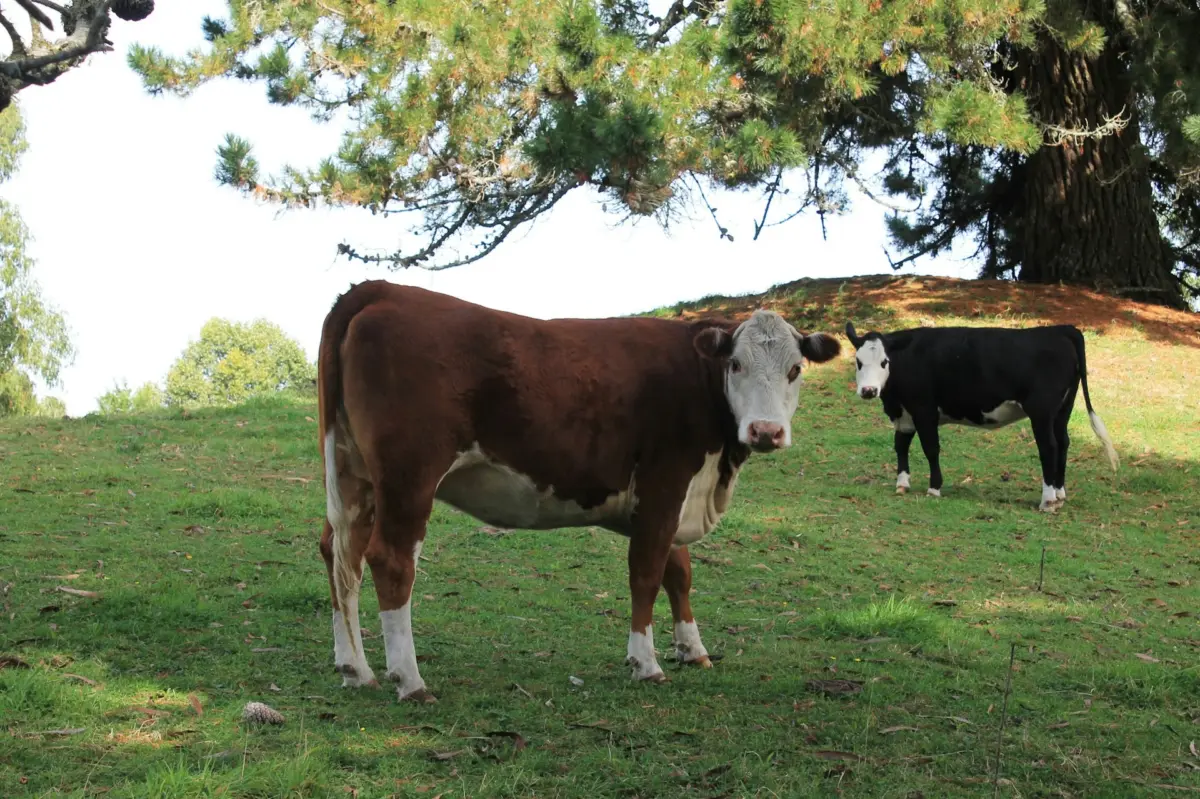
While standard stops on such trade missions typically involve inspecting grain terminals, port facilities, or commercial packing plants, the delegation took a pivotal detour into the rolling pastures of rural New Zealand. There, USDA officials visited a prominent local cattle rancher who had integrated high-grade U.S. livestock genetics directly into their breeding program, specifically focusing on the improvement and optimization of a purebred Hereford herd.
This particular operation is far from an isolated hobby farm; it represents the cutting edge of commercial livestock production in a country renowned for stringent biosecurity, pasture-based efficiency, and export-driven dominance. The rancher’s utilization of American embryos, semen, and pedigree stock demonstrated how domestic U.S. genetic advancements—honed through decades of Expected Progeny Differences (EPDs), genomic testing, and performance recording—are translating seamlessly to the Southern Hemisphere.
Trade Diplomacy in Action
The timing of the mission coincided with a period of intense global re-evaluation regarding food security, supply chain resilience, and sustainable production metrics. As Undersecretary Lindberg and his delegation engaged with local farmers, indigenous Māori agribusiness leaders, and agricultural ministers, the conversation repeatedly returned to mutual dependency and technical collaboration.
Rather than viewing New Zealand solely as a formidable competitor in global dairy and red meat export markets, the USDA delegation recognized an opportunity for symbiotic growth. By supplying the foundational genetic building blocks for New Zealand herds, U.S. producers secure a stake in the island nation’s expansive export machinery.
Supporting Context & Metrics: The New Zealand Agricultural Matrix
To fully appreciate the significance of American genetics finding a home in New Zealand, one must understand the sheer scale, efficiency, and export orientation of the host nation’s agricultural sector.
The 93% Export Reality
New Zealand is an agricultural juggernaut operating on a remarkably compact landmass. According to agricultural economic data cited during the trade mission, New Zealand farmers and growers export an astonishing 93% of all the food they produce, raise, harvest, and process within the country.
| Metric Category | New Zealand Agricultural Sector Data |
|---|---|
| Total Food Export Percentage | ~93% of total domestic production |
| Primary Export Sectors | Dairy (milk powder, butter, cheese), Red Meat (beef and lamb), Horticulture, Forestry |
| Primary Genetic Integration | Beef cattle (Hereford, Angus), Dairy cattle (Holstein-Friesian, Jersey) |
| Production Model | Predominantly pasture-based, seasonal calving, grass-fed systems |
This staggering export ratio means that New Zealand agriculture is structurally engineered to feed the world, with primary markets spanning across Asia, the Middle East, Europe, and North America. When U.S. livestock genetics are introduced into this ecosystem, they do not remain localized. Instead, they propagate through herds that ultimately supply high-end global consumer markets, effectively turning New Zealand processing networks into an extended vehicle for American genetic excellence.
The Mechanics of Livestock Genetics Export
Unlike exporting boxed beef—which is a one-time transaction consumed at a dinner table—exporting livestock genetics (semen, embryos, and live seedstock) creates a multi-generational impact.
- Durability of Investment: A single straw of elite bull semen or a transferred embryo can influence herd productivity, feed conversion efficiency, carcass quality, and maternal traits for decades through successive generations.
- Biosecurity Compliance: Navigating New Zealand’s Ministry for Primary Industries (MPI) requires meeting some of the world’s strictest biosecurity and animal health protocols. The successful integration of U.S. genetics speaks volumes about the health status, traceability, and genetic merit of American herds.
- Environmental Adaptation: New Zealand’s pasture-based, rotational grazing systems demand cattle that possess structural soundness, high forage conversion efficiency, and strong maternal instincts. The fact that U.S. Hereford genetics thrive in these pastoral landscapes validates the adaptability of American breeding programs.
Official Statements and Industry Perspective
The strategic implications of these cross-border partnerships were a primary focal point of the USDA’s debriefings following the trade mission.
USDA Leadership Insights
Reflecting on the ranch visit in New Zealand, USDA Undersecretary Luke Lindberg emphasized the conceptual shift required in modern agricultural trade policy:
"They are large exporters. New Zealand, for example, exports 93% of the food that they, in fact, grow, raise, harvest in New Zealand. And one of the site visits we did was to a cattle rancher there that is using U.S. livestock genetics to produce Hereford cattle. And so, love seeing that integrated supply chain, ways that we can help support their agricultural product categories using a little bit of American every bite, is what I was saying."
Lindberg’s phrase—"a little bit of American in every bite"—captures the essence of modern value-added agricultural diplomacy. It encapsulates the reality that U.S. agriculture can extract economic value abroad not only by shipping finished commodities, but by embedding foundational intellectual property and biological assets into the DNA of foreign agricultural systems.
The Producer Perspective
For U.S. seedstock producers, independent cattle breeders, and major artificial insemination (AI) cooperatives, the international market represents a vital frontier for revenue diversification. Domestic cattle cycles, drought pressures, and fluctuating feed costs can create volatility in domestic markets. Expanding genetic exports to progressive agricultural economies like New Zealand and Australia provides a stable, high-margin revenue stream that rewards decades of rigorous performance testing and technological investment.
Industry analysts note that international buyers are increasingly willing to pay premium prices for U.S. genetics backed by robust data, high genomic accuracy, and proven phenotypic consistency. This demand spans multiple breeds, though beef breeds optimized for grass-fed performance and dairy-beef crossbreeding programs have seen particularly sharp international interest.
Future Outlook: The Next Frontier of Global Ag-Tech Trade
As global agriculture navigates the dual pressures of feeding a growing population while drastically reducing its environmental footprint, the role of advanced livestock genetics will only grow in prominence.
Sustainability Through Efficiency
One of the most compelling arguments for the international adoption of U.S. livestock genetics is their direct contribution to environmental sustainability. Modern genetic selection tools allow breeders to target traits such as:
- Feed Efficiency: Animals that convert grass and feedstuffs into body mass more efficiently produce fewer greenhouse gas emissions per pound of protein produced.
- Longevity and Hardiness: Cows that remain productive in the herd for more years reduce the replacement rate, lowering the overall carbon footprint of the cow-calf sector.
- Carcass Merit: Superior yield and grade traits ensure that fewer animals are required to meet global consumer demand for high-quality red meat.
By injecting these traits into New Zealand’s pasture-based herds, U.S. genetics are actively helping international producers meet stringent global sustainability benchmarks without sacrificing profitability.
Expanding the Blueprint
The success observed in New Zealand serves as a scalable blueprint for U.S. trade strategy across other major agricultural regions. Similar opportunities exist across South America, parts of Europe, and developing markets in Asia where livestock producers are actively seeking to upgrade the maternal and terminal traits of their commercial herds.
Moving forward, the USDA and allied agricultural export organizations plan to leverage these success stories to advocate for science-based trade standards, reduced technical barriers, and enhanced digital traceability for genetic shipments.
Ultimately, the sight of American Hereford genetics thriving on lush New Zealand pastures symbolizes a maturing global marketplace. It proves that the future of U.S. agricultural trade is not merely about volume and bulk transport, but about precision, partnership, and embedding American innovation into the very fabric of global food production.

0 Comments