

Executive Overview
In the heart of Southern West Virginia, where rugged sandstone cliffs plunge into the roaring whitewater of the New River Gorge, a quiet revolution in hospitality is underway. Fayetteville—long celebrated by rock climbers, base jumpers, and outdoor enthusiasts as a rugged adventure capital—has historically lacked sophisticated, design-forward overnight accommodations. Visitors seeking the raw, untamed beauty of America’s newest national park typically settled for rustic cabins, standard roadside motels, or private vacation rentals.
That paradigm shifted permanently with the opening of Hill Hall, a 40-key boutique hotel housed within a pair of long-vacant midcentury school buildings. Developed by Mountain Shore Properties under the leadership of CEO Stephen Wendell, Hill Hall bridges the gap between wild outdoor exploration and refined, narrative-driven interior design. More than just a luxury adaptive-reuse project, the hotel is a deeply personal love letter to Fayetteville’s past. Drawing inspiration from Wendell’s late grandmother, local antiques dealer and historian Pat Phillips Wendell, the property breathes new life into community spaces that had sat abandoned since the 1990s.
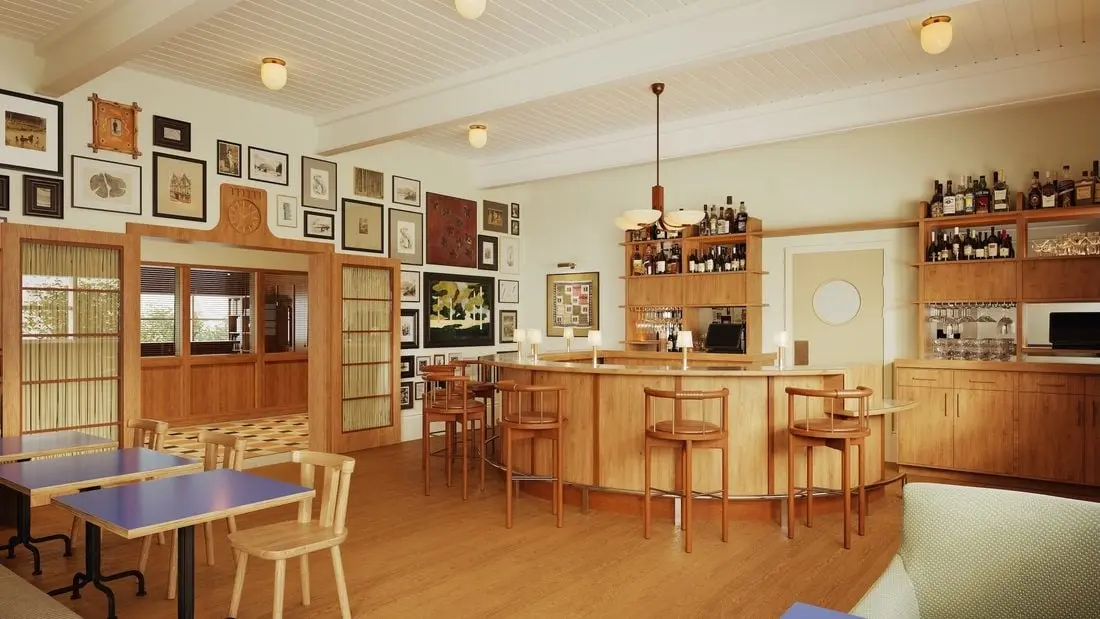
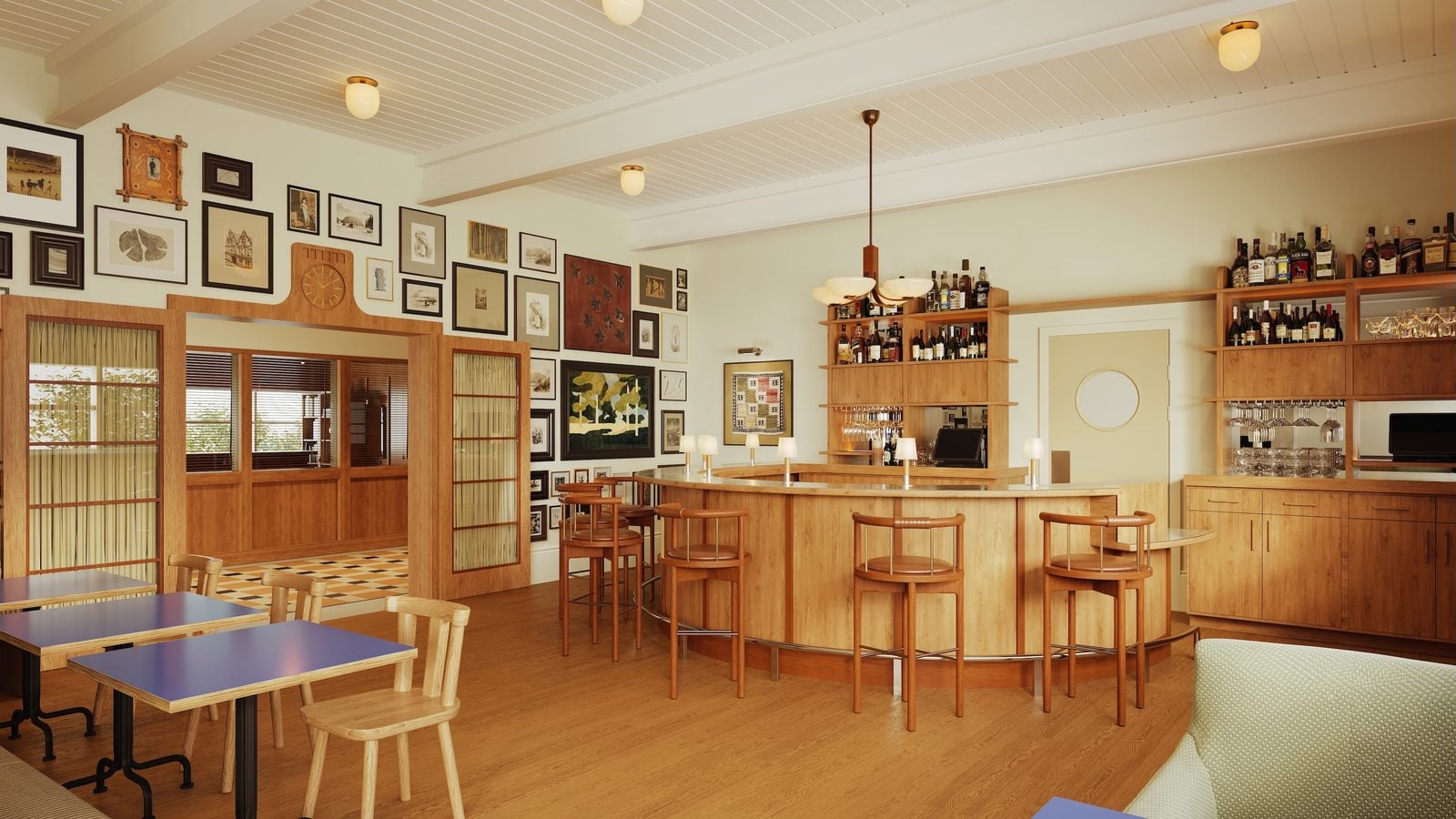
Blending a Wes Anderson-esque midcentury aesthetic with clever nods to the buildings’ scholastic heritage—such as transforming the principal’s office into a welcoming front desk and the chemistry lab into a sultry cocktail lounge—Hill Hall offers travelers an authentic, story-rich gateway to the New River Gorge National Park and Preserve.
Detailed Chronology: The Evolution of Hill Hall
The Scholastic Era and Community Roots
Long before it welcomed travelers seeking weekend getaways, the campus comprising Hill Hall served as an essential institutional anchor for the town of Fayetteville. Operating as local middle and high schools, these brick-and-mortar structures witnessed generations of local youth pass through their halls. Students competed under the banner of the Fayetteville Pirates, forming lifelong bonds in classrooms that would eventually undergo a dramatic, decades-long transformation.
However, shifts in local demographics and educational consolidation left the buildings empty. By the late 1990s, the once-bustling classrooms, hallways, and administrative offices fell silent. For over twenty years, the structures stood vacant, vulnerable to the slow march of structural degradation and serving as monuments to a bygone era of small-town public education.
The Preservation Turning Point
The salvation of the school buildings began decades before construction crews broke ground, rooted in the tireless civic efforts of Pat Phillips Wendell. Working as an antiques dealer by day, Pat established herself as Fayetteville’s unofficial town historian. In 1990, operating entirely in the pre-computer era, she spearheaded the meticulous research and administrative effort required to get Fayetteville’s historic district listed on the National Register of Historic Places.
"She did all of this pre-computer," notes her grandson, Stephen Wendell. "Without that designation, we could not have gotten these historic buildings, which had sat vacant since the ’90s."
This historic preservation framework ultimately unlocked the tax credits and legal pathways necessary for Mountain Shore Properties to acquire, protect, and meticulously restore the properties, ensuring that architectural integrity was preserved while adapting the spaces for modern hospitality.
Conceptualization and Adaptive Reuse
When Mountain Shore Properties took on the project, the development team faced the unique challenge of transforming educational architecture into an intimate, 40-key boutique hotel without erasing its soul. Under the creative direction of Mae Pate, head of design at Mountain Shore Properties, every square foot was reassessed to honor its original function while catering to modern travelers.
- The Check-In Experience: Guests arriving at Hill Hall check in at the former principal’s office, stepping immediately into a narrative of authority, nostalgia, and institutional memory.
- The Chemistry Lab Bar: The school’s former science laboratory—once a space for chemical reactions and educational experiments—now serves as a honey-hued wood bar pouring craft cocktails.
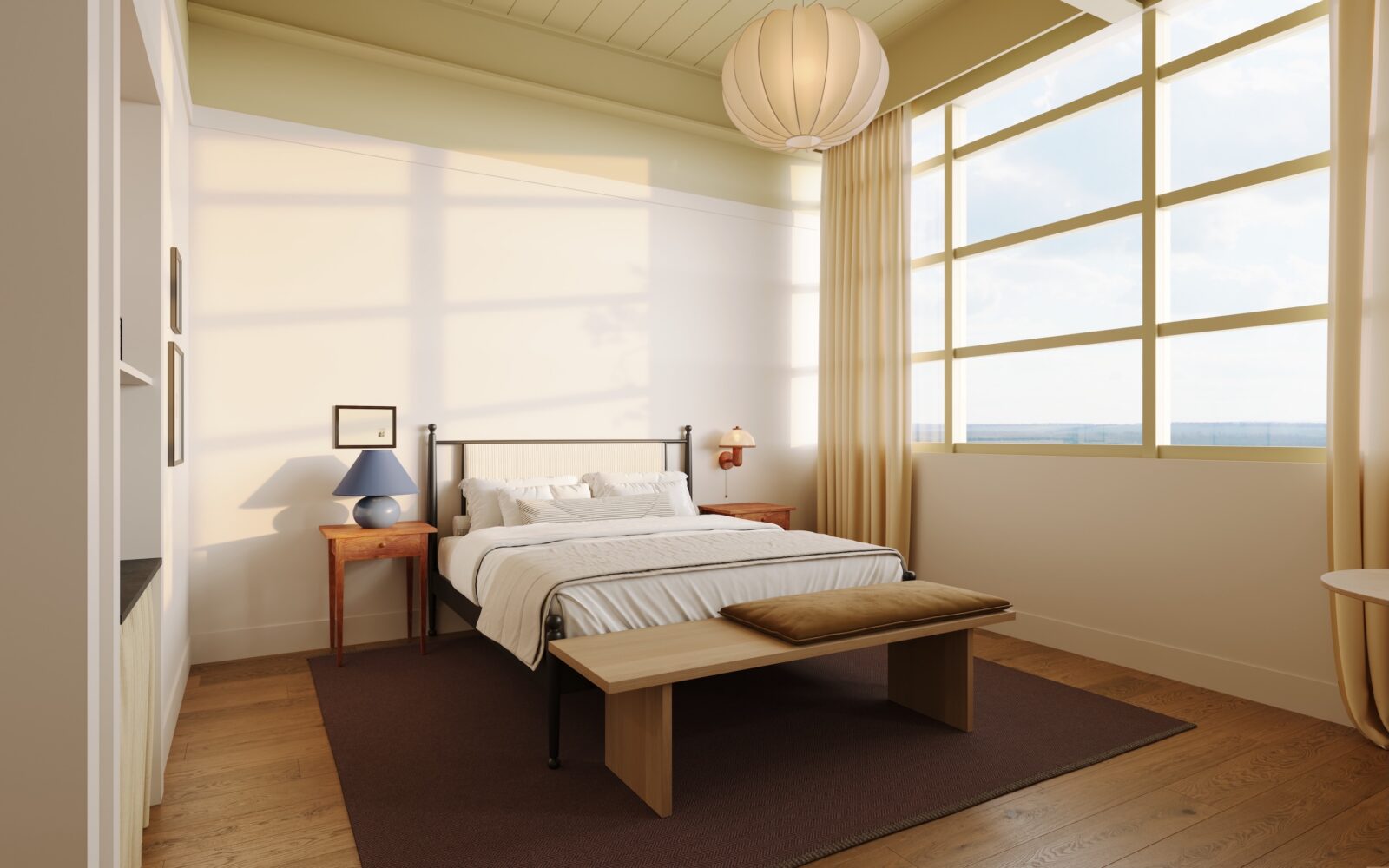
- The Classrooms: Former academic spaces have been reconfigured into spacious, design-forward guest rooms featuring rich textiles, vintage-inspired fixtures, and thoughtful layouts that maximize natural light.
The Soft Opening and Community Reunion
In August, Hill Hall hosted a soft opening that served as an emotional homecoming for the community. Alums of the former high school returned to walk the familiar corridors, discovering subtle design "Easter eggs" embedded throughout the property. From Wi-Fi passwords winking at inside jokes to discreet murals honoring the school’s Pirate mascot, the property successfully honors its local lineage while inviting a new generation to create memories within its walls.
Supporting Context & Metrics: The New River Gorge Boom
Tourism Dynamics in West Virginia
The debut of Hill Hall arrives at a pivotal juncture for Fayetteville and the broader regional economy. In December 2020, the federal government officially designated the New River Gorge as the country’s newest national park, transforming a regional secret into a bucket-list destination for travelers nationwide.
The designation triggered a significant influx of tourism, placing unprecedented demands on Fayetteville’s hospitality infrastructure. As the de facto gateway to the 70,000-acre park—renowned for world-class rock climbing on golden-buff sandstone cliffs and ferocious whitewater rafting on the New River—Fayetteville needed accommodations that matched the sophistication of modern experiential travelers.
Hotel Metrics and Specifications at a Glance
- Total Guest Keys: 40 thoughtfully designed rooms.
- Architectural Classification: Adaptive reuse of former middle and high school buildings.
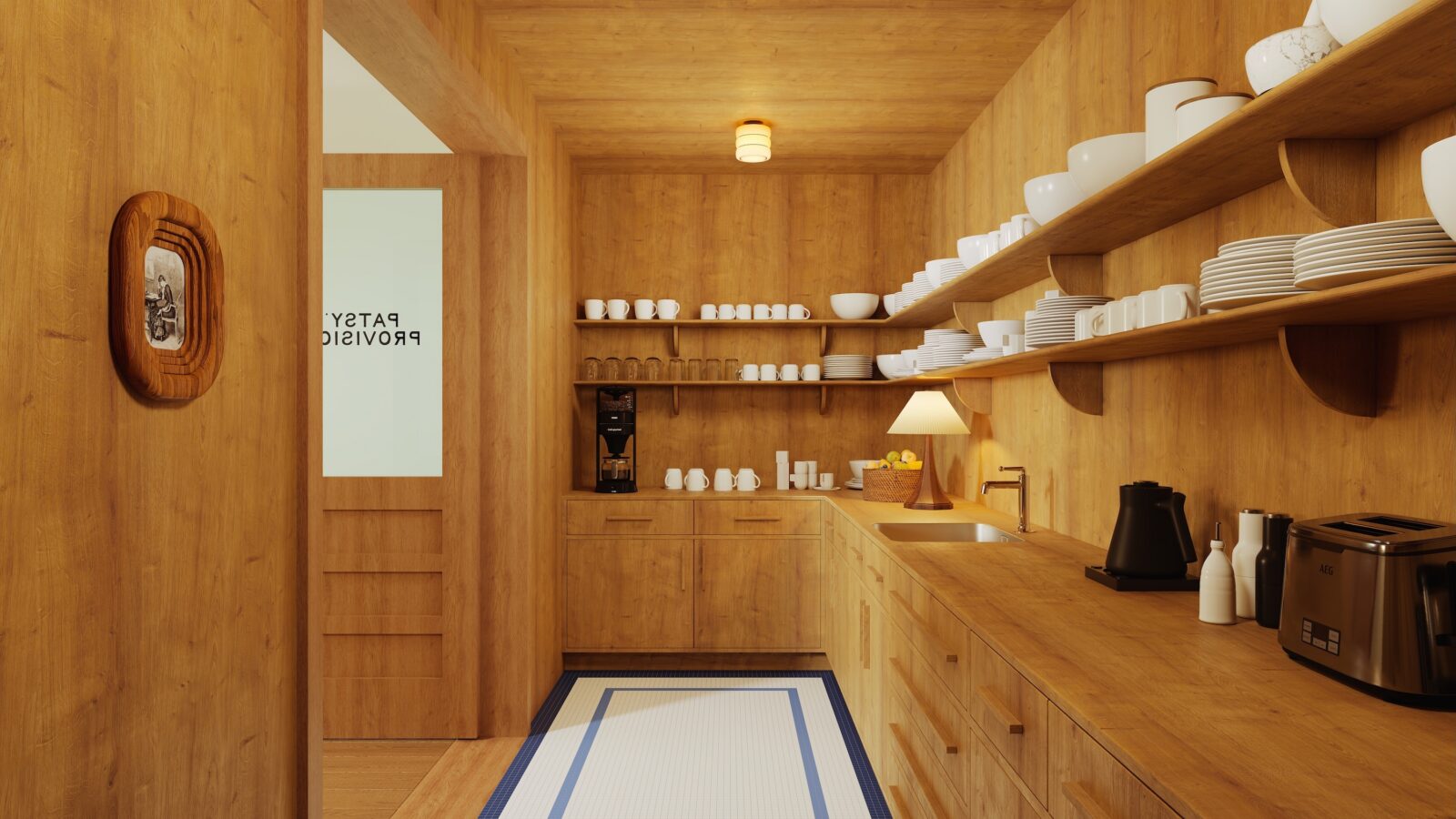
- Core Dining & Beverage: Patsy’s restaurant and bar, featuring a private honor pantry named Patsy’s Provisions.
- Key Design Personnel: Stephen Wendell (CEO, Mountain Shore Properties); Mae Pate (Head of Design); Jeffrey Toth (Executive Chef).
- Location Advantage: Minutes away from the Canyon Rim Visitor Center and the iconic New River Gorge Bridge.
Official Statements and Culinary Vision
Honoring a Matriarch at Patsy’s
At the center of Hill Hall’s social ecosystem is Patsy’s, the hotel’s signature restaurant and bar named in honor of Pat Phillips Wendell. The culinary program, spearheaded by Chef Jeffrey Toth, bridges elevated modern dining with comforting Appalachian heritage.
Chef Toth began his creative process by delving into Pat’s well-worn recipe books, reinterpreting traditional home-cooked meals for hotel guests and visitors alike. Diners can sample contemporary takes on regional staples—ranging from honey-butter wings and mustard greens to classic meatloaf and scratch-made blackberry cobbler—while sipping bespoke cocktails accompanied by bowls of Pat’s legendary homemade Chex mix.
Aesthetic Philosophy
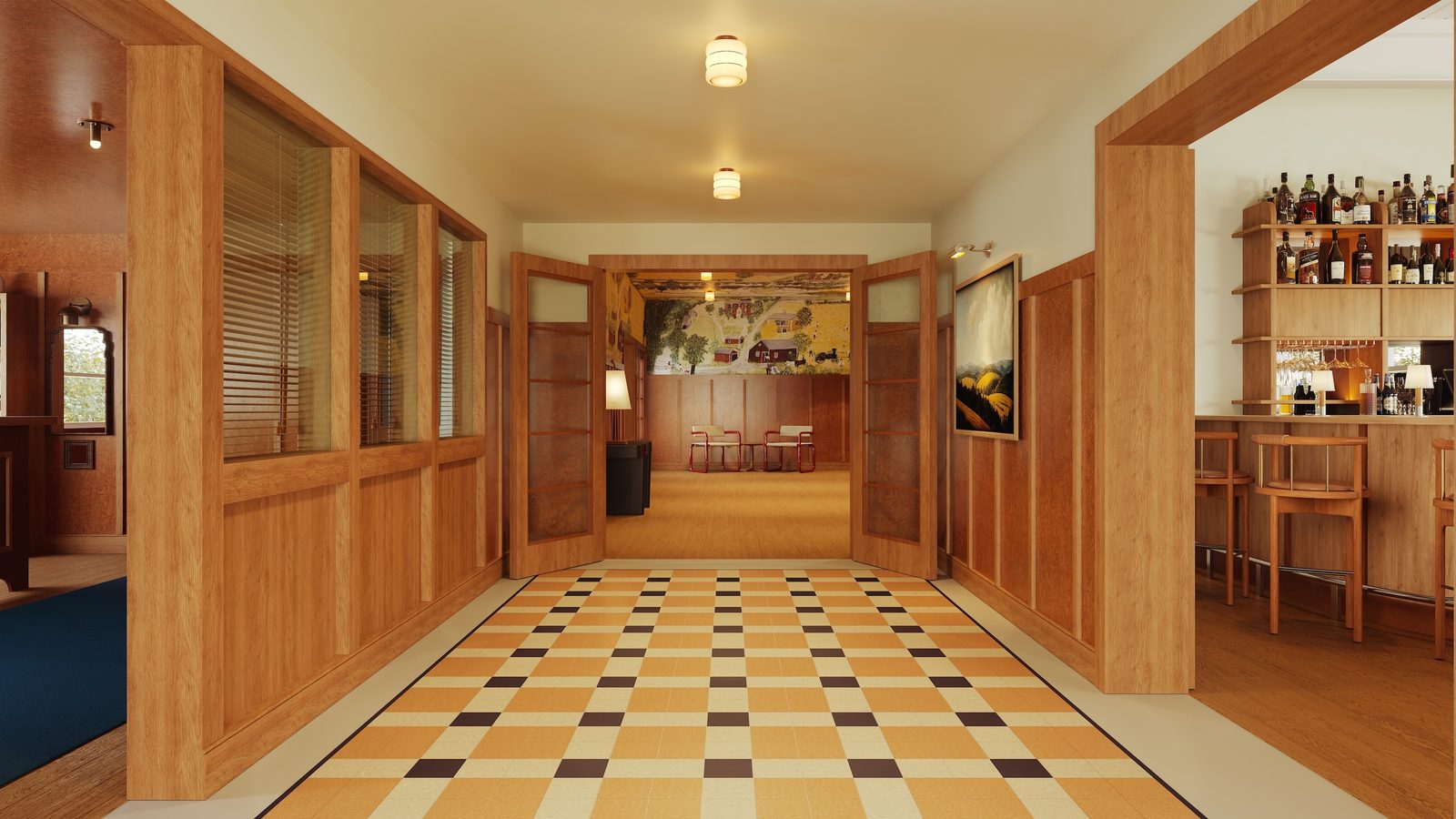
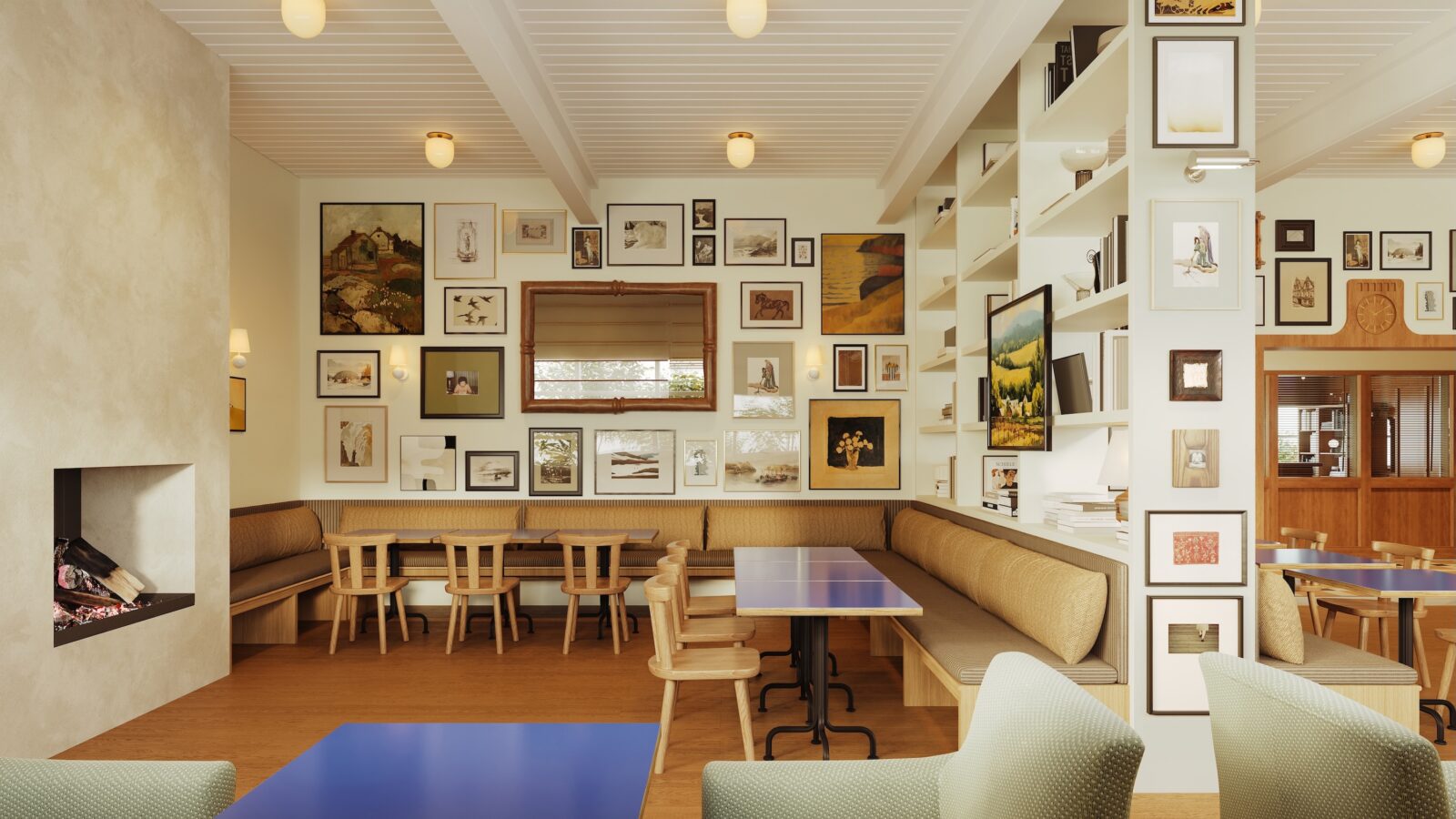
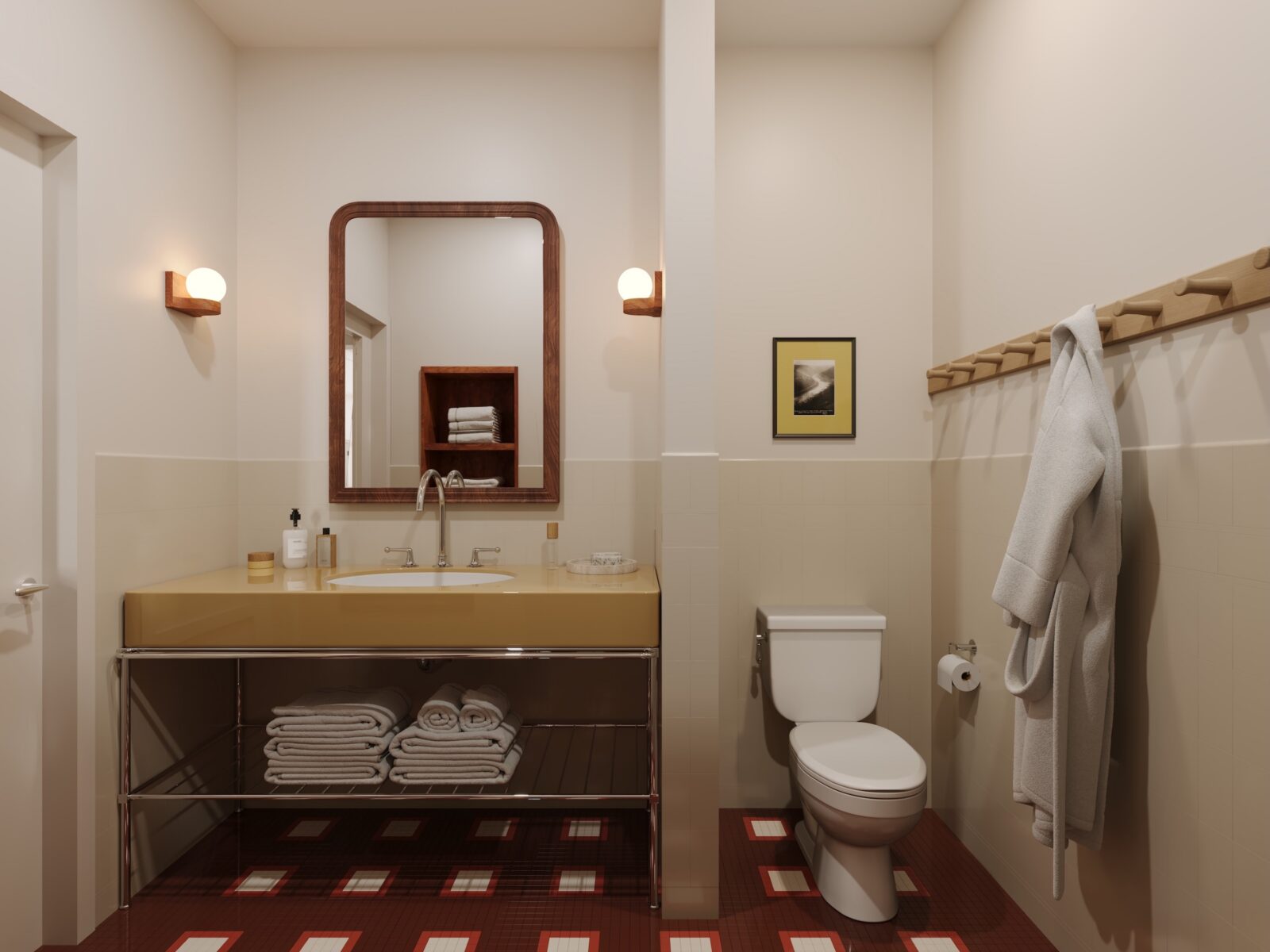
Describing the visual identity of Hill Hall, design lead Mae Pate leaned heavily into a midcentury-modern narrative infused with a cinematic, Wes Anderson-esque whimsy. Public spaces feature library-inspired stacks of books and custom wall murals painted by West Virginia artist Nichole Westfall, depicting the rolling hills and dramatic topography of the Mountain State.
Future Outlook: Setting a New Standard for Appalachian Travel
Hill Hall stands as proof that rural American communities can successfully repurpose historic infrastructure to meet the demands of contemporary tourism without sacrificing local character. By anchoring commercial development in genuine family history and architectural preservation, Mountain Shore Properties has established a blueprint for sustainable, community-integrated hospitality in Appalachia.
As the New River Gorge National Park continues to draw international attention, Hill Hall offers travelers more than just a place to sleep after a day of conquering rapids or scaling cliffs. It provides an immersive cultural experience rooted in local pride, architectural heritage, and warm West Virginia hospitality.
Reflecting on what his grandmother would think of the transformation, Stephen Wendell shares a poignant perspective:
"What would she say? I think about that often. It makes me a bit emotional. I think she’d be what she used to call ‘tickled.’ This state is often overlooked; therefore, the town is overlooked. I think she’d be most proud that Fayetteville is getting its due and deserving of it."

0 Comments