
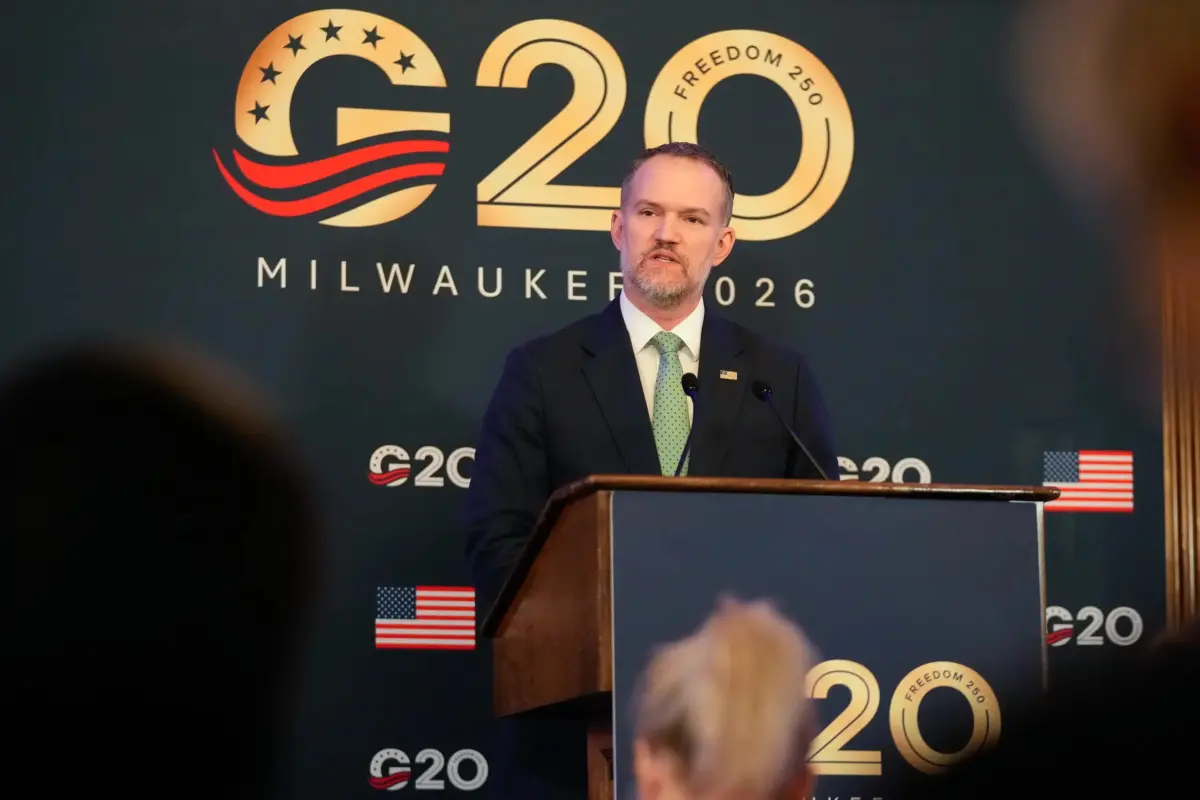

MILWAUKEE — International trade tensions reached a boiling point on Thursday as the G20 Trade Ministerial wrapped up in Milwaukee, Wisconsin, without a consensus on how to curb the global glut of underpriced goods. The high-stakes summit, which brought together top economic and trade officials from the world’s most industrialized and emerging economies, exposed deep philosophical and tactical rifts regarding market overcapacity, human labor standards, and an escalating bilateral trade war between the United States and Canada.
U.S. Trade Representative Jamieson Greer, representing the Trump administration on the global stage, acknowledged that while participating nations recognized the structural challenges plaguing the global economy, they ultimately failed to bridge the gap required to enact meaningful international reforms. The deadlock leaves the United States isolated on several key protectionist fronts as Washington increasingly turns to unilateral trade enforcement measures.
Executive Overview
The two-day ministerial meeting in Milwaukee was intended to foster multilateral cooperation on modern economic bottlenecks. Instead, it underscored the growing paralysis of international trade bodies in the face of aggressive protectionist policies.
At the center of the diplomatic impasse are two core issues championed by the White House:
- Global Excess Capacity: The systemic overproduction of foundational industrial goods—ranging from traditional steel to advanced automotive batteries, semiconductors, and paper—which the U.S. argues depresses global prices and disadvantages domestic manufacturing.
- Forced Labor and Supply Chain Integrity: American efforts to institute strict global prohibitions on goods manufactured through forced labor, a policy that has faced resistance from several G20 partners who view the corresponding U.S. double-digit tariffs as protectionist overreach.
Simultaneously, the gathering served as a backdrop for the deteriorating economic relationship between the United States and Canada. Despite decades of integrated cross-border supply chains and a historically tight alliance, the two neighbors remain deadlocked over steep tariffs and retaliatory bans that threaten to fragment North American commerce.
Detailed Chronology of Events
The road to the Milwaukee impasse has been paved over several months of aggressive trade actions, legal battles, and tit-for-tat escalations.
Summer Escalations and the Tariff Spiral
The current crisis gained serious momentum during the summer when President Donald Trump implemented sweeping 50% tariffs on approximately $20 billion worth of Canadian imports. The move caught Ottawa off-guard and triggered immediate retaliatory tariffs from Canadian officials targeting American goods.
The conflict intensified dramatically just days before the G20 ministerial. In a sharp escalation, the White House announced a near-total ban on roughly $1 billion worth of specific Canadian imports, focusing heavily on alcoholic beverages, dairy products, and motorcycles.
The G20 Ministerial: October 1, 2026
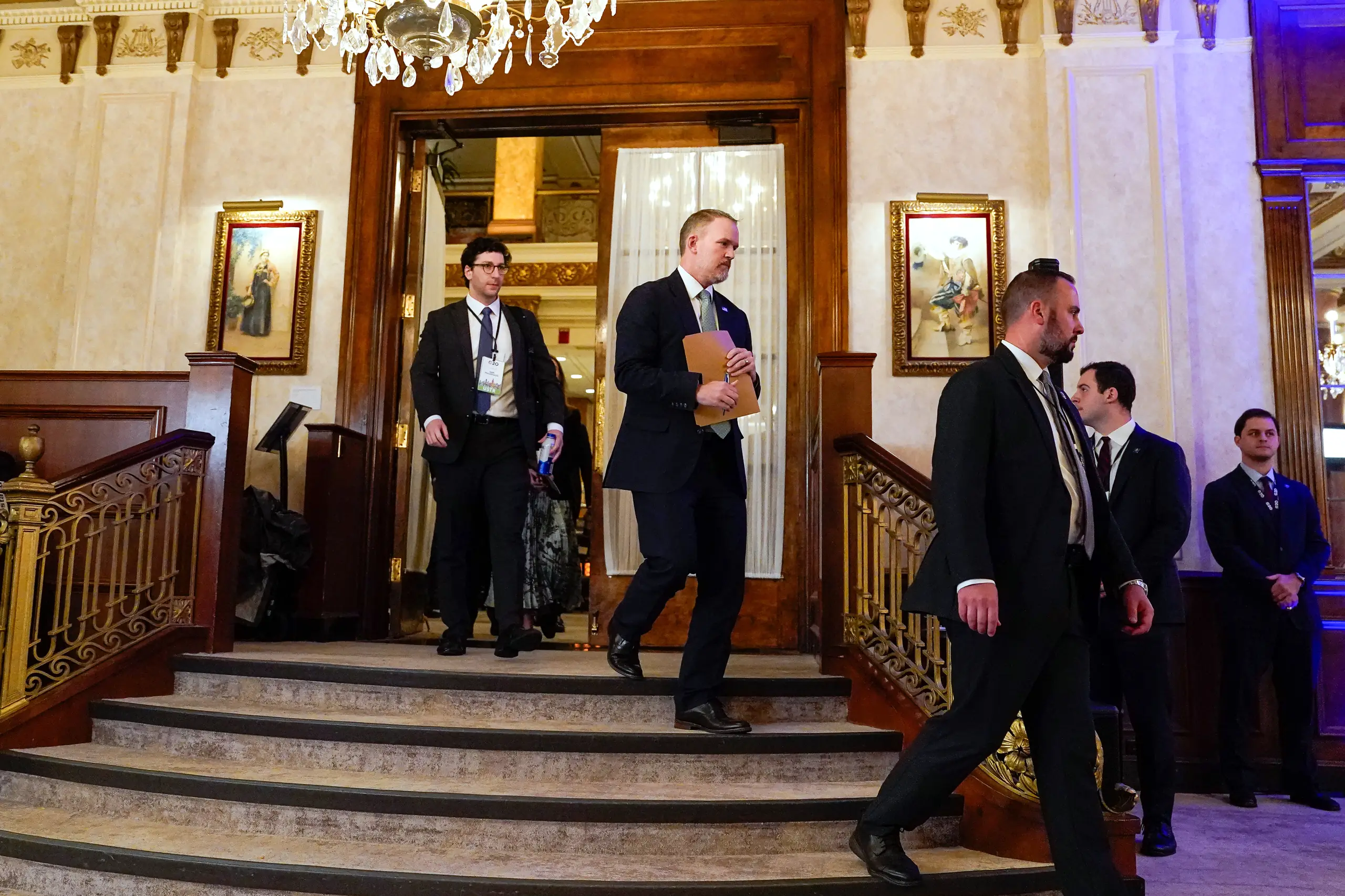
Against this tense backdrop, trade ministers gathered in Milwaukee on Thursday, October 1. Expectations for a diplomatic breakthrough were low, and the proceedings largely reflected those pessimistic forecasts.
During the morning sessions, discussions immediately stalled on the topic of "excess capacity." While delegations generally admitted that global markets were distorted by overproduction, they could not agree on definitions, attribution, or remedies.
By the afternoon, press briefings revealed that bilateral friction between the U.S. and Canadian delegations had spilled over into the broader multilateral talks. Canadian Trade Minister Maninder Sidhu made a public plea for cooperation, pointing out the shared economic realities facing both nations, but found little immediate reciprocity from American officials entrenched in the administration’s hardline stance.
Supporting Context & Metrics: The Roots of the Dispute
To understand the gridlock in Milwaukee, analysts point to a complex web of economic data, past trade policies, and recent legal challenges that have reshaped American trade strategy.
The Overcapacity Crisis
The Trump administration has made combating "excess capacity" a cornerstone of its economic platform. Washington maintains that state-subsidized overproduction—primarily originating in China, though casting a wider net across nations from Norway to Bangladesh—artificially lowers prices worldwide.
According to U.S. trade memos, the crisis extends far beyond the traditional battleground of steel. Modern supply chains for electric vehicle (EV) batteries, advanced semiconductors, commercial paper, and automotive components are said to be severely disrupted. U.S. manufacturers argue that without aggressive intervention, they cannot compete against heavily subsidized foreign rivals.
The Supreme Court Ruling and the "Forced Labor" Pivot
A critical catalyst for the administration’s current aggressive posture occurred earlier in the year. In February, the U.S. Supreme Court struck down broad, worldwide tariffs that the White House had unilaterally imposed the previous year.
Faced with a major legal roadblock, the administration pivoted. It began implementing double-digit tariffs on more than 60 countries—ultimately affecting roughly 99% of all U.S. imports—justifying the sweeping levies under the banner of combating forced labor.
However, international trading partners have viewed this justification with skepticism, arguing that the forced-labor rationale is a thinly veiled mechanism to bypass the Supreme Court’s ruling and resurrect the invalidated global tariff regime. This skepticism was on full display in Milwaukee, where several G20 members balked at signing binding commitments to ban forced-labor imports, citing the vague criteria and broad punitive measures associated with U.S. enforcement.
Official Statements and Diplomatic Posture
The rhetoric coming out of the Milwaukee summit highlighted the vast chasm between Washington’s trade strategy and the desires of its allies and trading partners.
U.S. Trade Representative Jamieson Greer
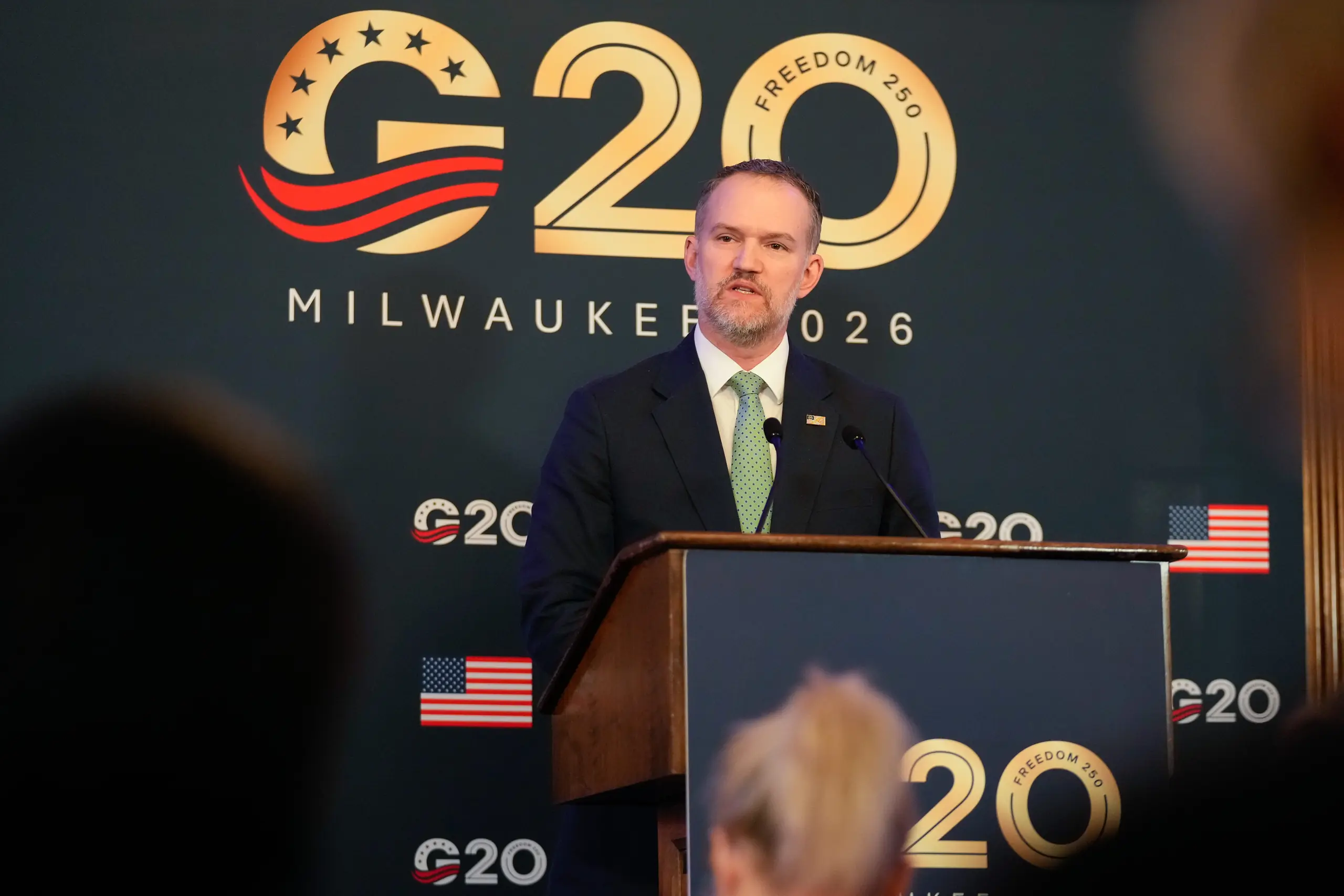
Addressing reporters after the closed-door sessions, U.S. Trade Representative Jamieson Greer defended the administration’s uncompromising approach while acknowledging the difficulty of the negotiations.
"Nearly all countries agreed that this is an issue that required action. And nearly all countries agreed that our current system of trade remedies and responses is inadequate to solve this problem," Greer stated during the press conference.
Addressing the failure to reach a consensus on forced labor, Greer expressed disbelief at the hesitation of some G20 members:
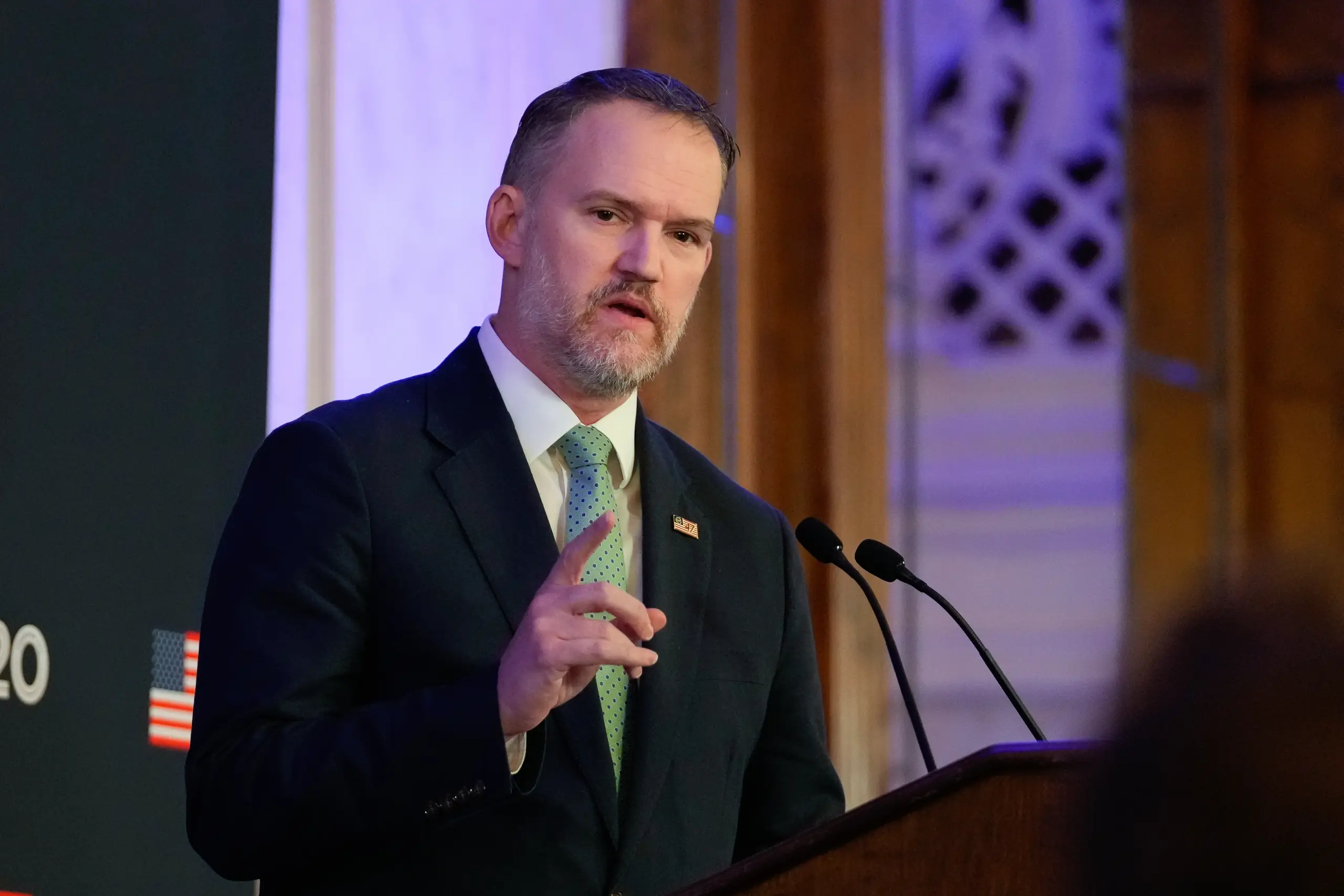
"Believe it or not, we have countries in the G20 that do not want to commit to having a prohibition on the import of goods made with forced labor. At the end of the day, we all know forced labor is wrong, and it will distort our markets, and we won’t have it."
On the lingering bilateral disputes—particularly with Canada—Greer remained pragmatic yet firm:
"The reality is there are a handful of outstanding issues that are quite difficult to resolve."
Canadian Trade Minister Maninder Sidhu
Canadian officials used the multilateral platform to emphasize the absurdity of a trade war between two deeply integrated allies who share the world’s longest undefended border. Canadian Trade Minister Maninder Sidhu urged a return to collaborative problem-solving, noting that protectionist friction only hurts workers on both sides of the border.
"You’re facing some of the same challenges that we’re facing," Sidhu pleaded during the summit. "Let’s help each other and let’s work through something."
Future Outlook: What Lies Ahead for Global Trade?
The failure of the G20 trade ministers to forge a cohesive path forward signals a turbulent period ahead for international commerce. Without multilateral consensus on overcapacity or supply chain ethics, the global trade architecture appears increasingly fractured into regional blocs and bilateral standoffs.
1. Escalation of the U.S.-Canada Trade Conflict
With Ottawa facing severe economic pressure from U.S. import bans on dairy, alcohol, and motorcycles—compounded by the lingering 50% tariffs—Canada is widely expected to weigh further retaliatory measures. Analysts warn that if a negotiated settlement is not reached soon, the dispute could permanently alter the integrated automotive and agricultural supply chains established under the United States-Mexico-Canada Agreement (USMCA).
2. Continued Unilateralism by Washington
Frustrated by the slow pace of international consensus, the Trump administration is expected to double down on unilateral trade actions. Expect to see the Office of the U.S. Trade Representative (USTR) expand its investigations into excess capacity across additional sectors and nations, utilizing domestic trade laws and executive authorities rather than multilateral agreements.
3. Legal and Diplomatic Pushback
Trading partners, meanwhile, are likely to challenge U.S. tariffs through alternative channels, including World Trade Organization (WTO) dispute panels (where functional) and coordinated diplomatic pushback. However, with the WTO already suffering from structural paralysis, such challenges are unlikely to yield immediate relief for exporters.
As the Milwaukee summit demonstrates, the era of sweeping global trade harmonization has given way to a transactional, heavily contested economic landscape where national security, domestic manufacturing protection, and unilateral leverage take precedence over cooperative multilateralism.

0 Comments