From the crystal-clear, spring-fed mountain streams of the southern Appalachians to the dynamic salt marshes, seagrass meadows, and open ocean ecosystems of the Gulf Coast and Atlantic seaboard, the aquatic habitats of the American South support an astonishing array of biodiversity. Yet, these life-giving watersheds face unprecedented pressures from unchecked coastal development, industrial runoff, climate disruption, and historical neglect.
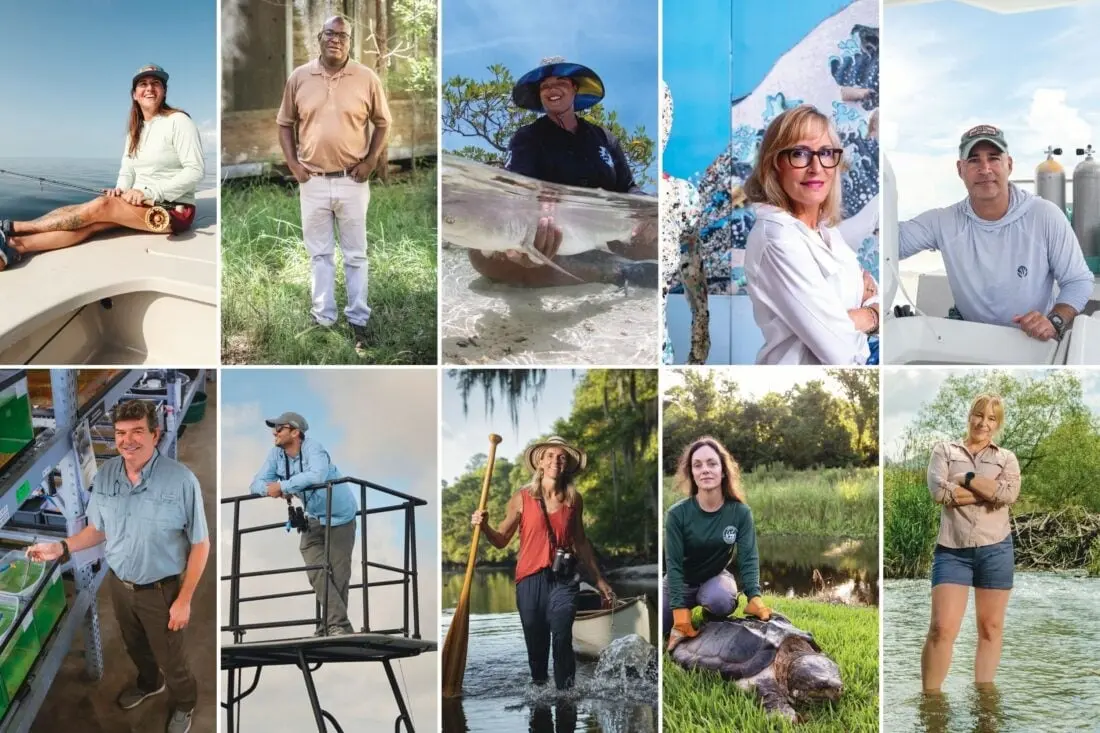
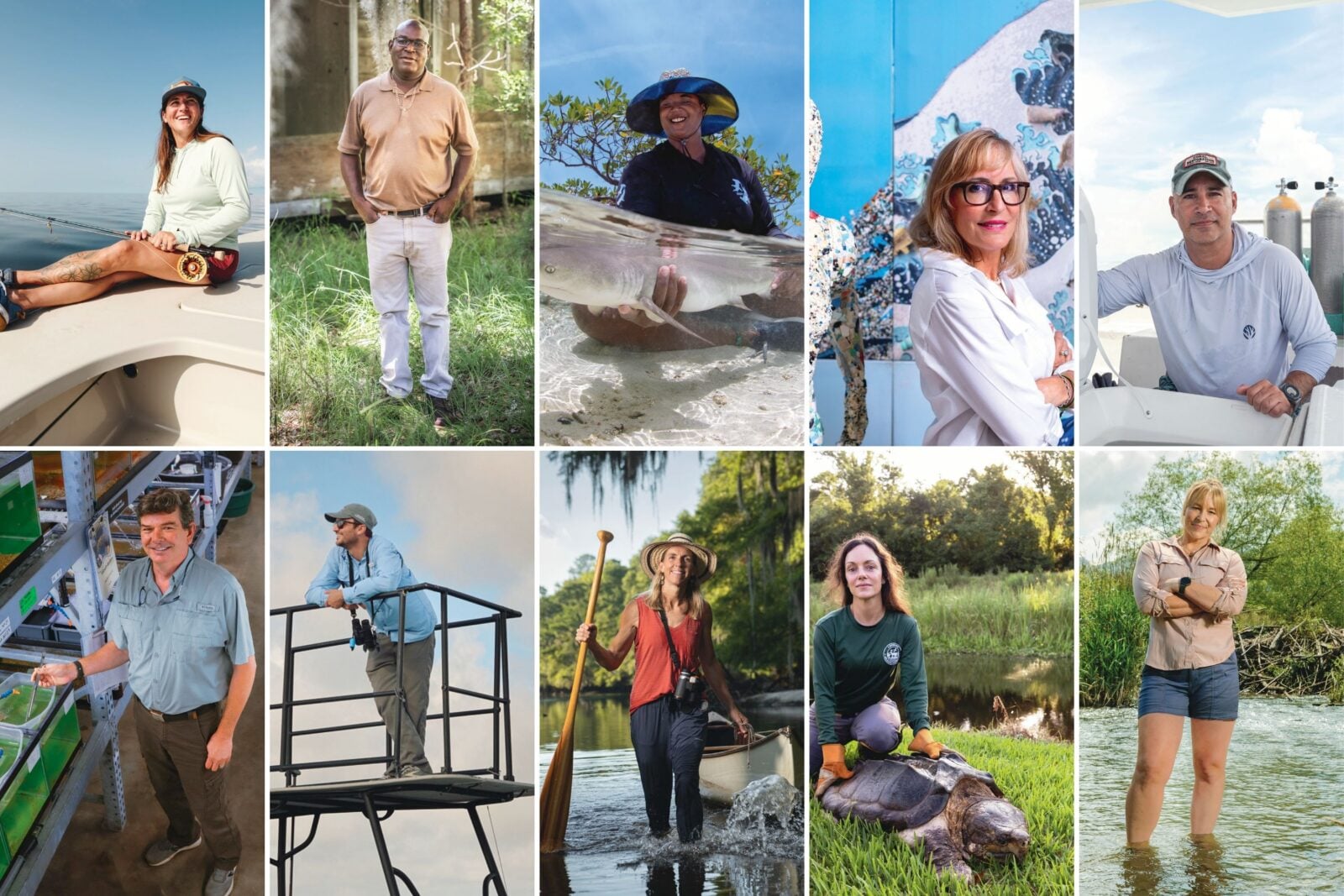
The health of these aquatic corridors is inextricably linked to our own survival. Recognizing those on the front lines of this ecological battle, the annual Champions of Conservation initiative honors the scientists, advocates, land managers, and community guardians who labor in both the field and the laboratory. Selected with the guidance of an esteemed expert council—featuring prominent voices such as herpetologist JJ Apodaca, ecotourism pioneer Chris Crolley, watershed defender Jacqueline Echols, conservation director Carter Kruse, veteran biologist Mamie Parker, and foundation head Charlie Potter—this year’s honorees represent a cross-section of relentless dedication.
Operating in the shadow of major ecological threats, these champions prove that safeguarding freshwater and saltwater systems requires a multifaceted approach: combining hard science, community inclusion, indigenous wisdom, and a profound respect for the natural world.
Detailed Chronology: Profiles in Ecological Defense
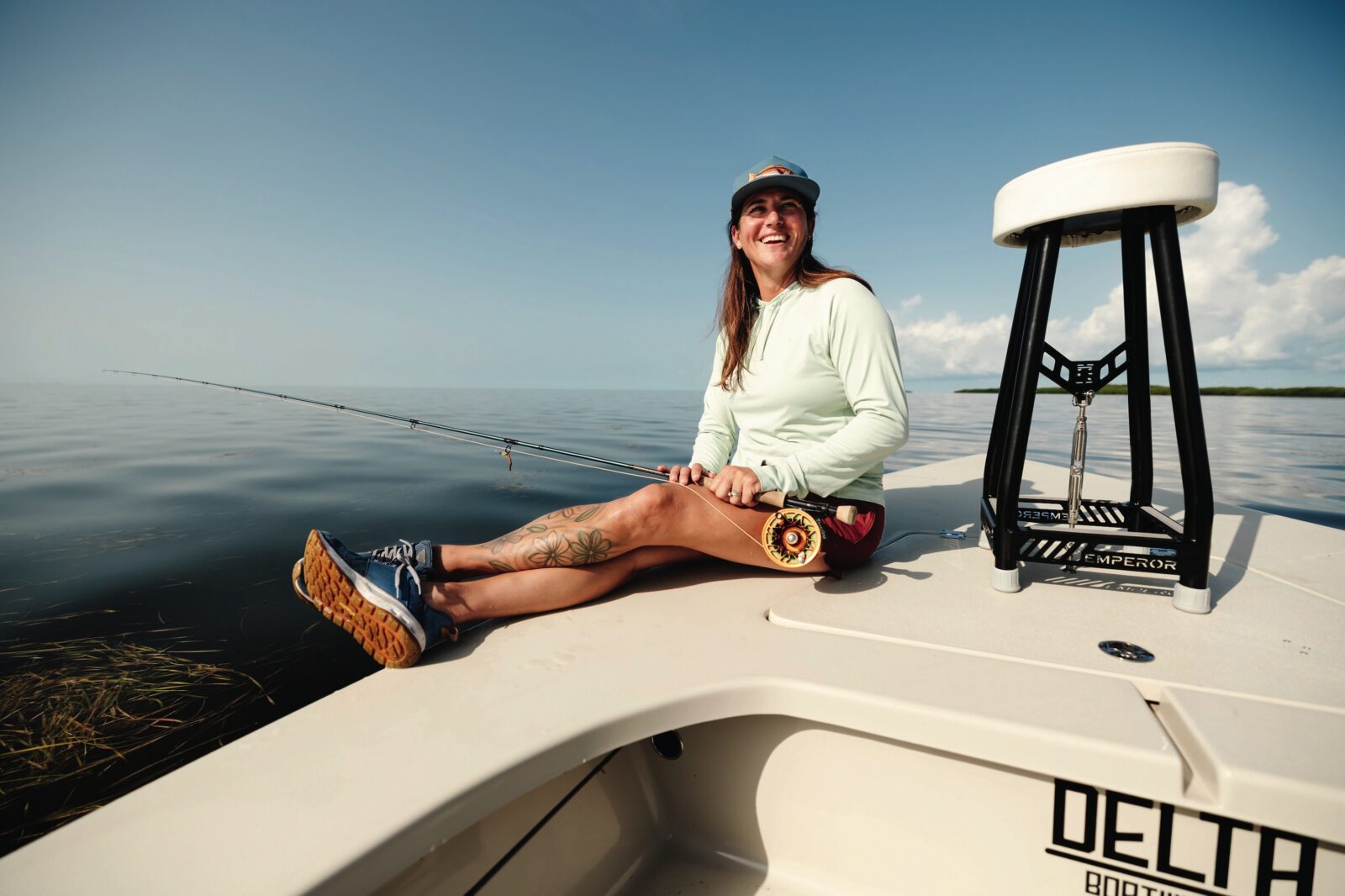
1. The Underwater Gardener: Jessica Mailliez
Affiliation: Sea & Shoreline
Location: Homosassa, Florida
Jessica Mailliez’s dedication to aquatic restoration stems from a lifelong passion for angling—targeting tarpon in the spring, snook and scallops in the summer, and redfish in the winter. Transitioning from a career in education to marine biology, Mailliez worked as an ecotour guide and a fish growth researcher for the Florida Fish and Wildlife Conservation Commission before joining Sea & Shoreline.
Her day-to-day work involves high-stakes underwater habitat resuscitation. Statewide, Florida’s marine ecosystems face collapse from pollutant runoff and algal blooms. To counter this, Mailliez deploys large commercial vacuums across targeted fifty-to-one-hundred-acre plots to expose the underlying sandy bottom. Her team then plants cultivated eelgrass from proprietary nurseries one pot at a time. Following restoration projects on the Crystal and Homosassa Rivers, local waters cleared up, and species such as manatees, turtles, and pinfish returned in abundance. Mailliez’s efforts prove that active human stewardship can successfully reconstruct resilient marine infrastructure.
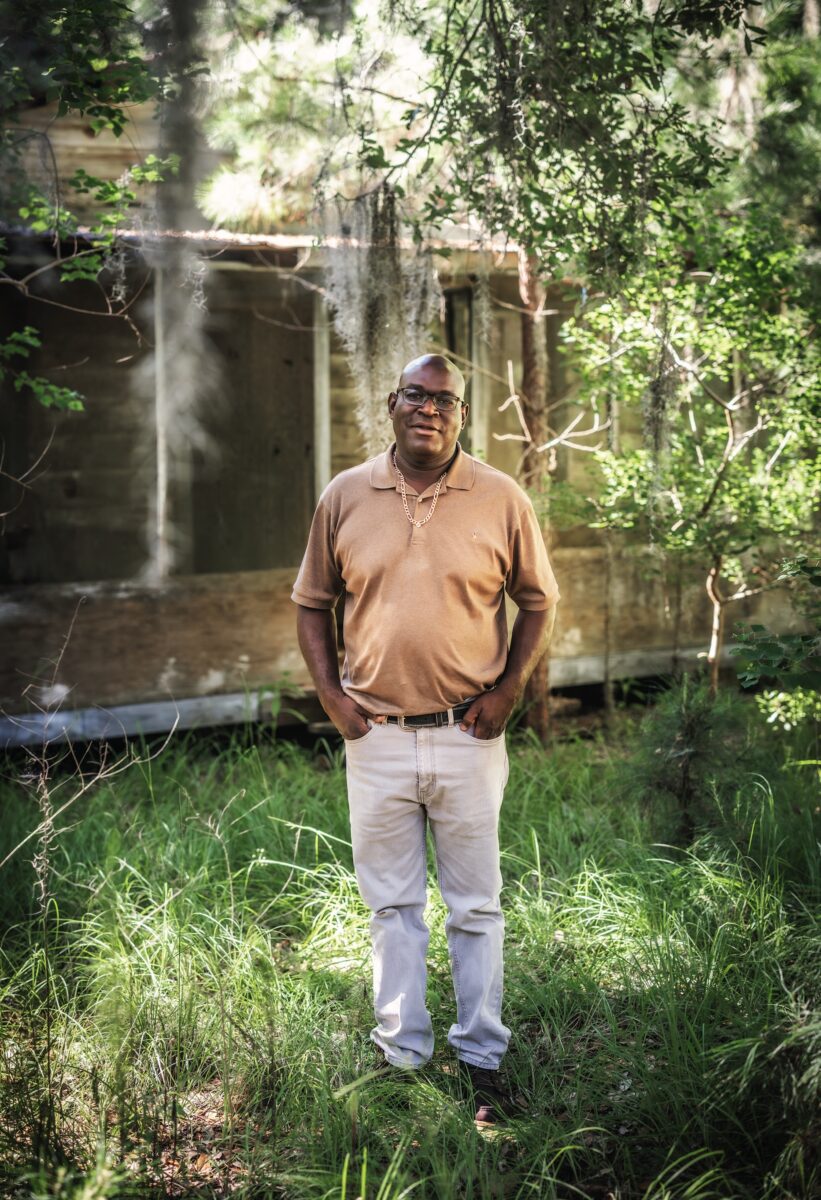
2. The Sapelo Guardian: JR Grovner
Affiliation: Sapelo Island Tours
Location: Sapelo Island, Georgia
Approximately forty-five miles south of Savannah lies Hogg Hummock, a historic enclave established on Sapelo Island by formerly enslaved ancestors after the Civil War. As the country’s last intact Gullah Geechee community, it represents a fragile cultural and ecological stronghold. JR Grovner operates Sapelo Island Tours to educate the public on the island’s diverse wildlife, ancient shell rings, and self-sufficient ethos.
Grovner’s preservation mission has grown increasingly urgent amid legal battles over county zoning laws, ferry access, and infrastructure safety. By advocating at county commission meetings and helping neighbors retain land ownership, Grovner fights against developments that threaten both the National Register of Historic Places enclave and the surrounding estuarine research reserve. "There is not another place like Sapelo Island in the world," Grovner notes, viewing his activism simply as the defense of his family’s invaluable heritage.
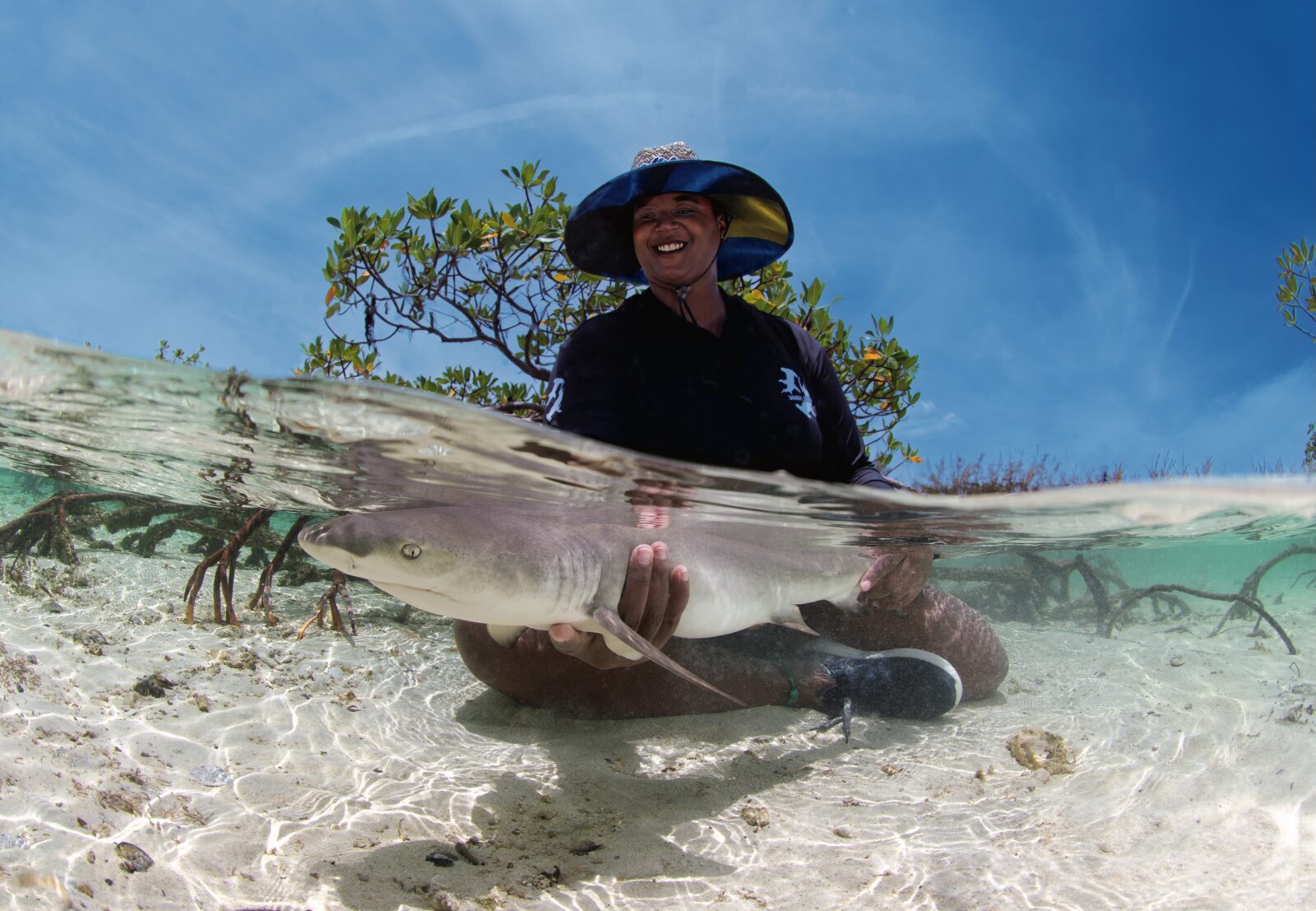
3. The Shark Evangelist: Candace Fields
Affiliation: Cape Eleuthera Institute
Location: Eleuthera, The Bahamas
Growing up in Nassau, Candace Fields bypassed conventional beach pastimes in favor of snorkeling and observing marine life. Today, she stands as the first native-Bahamian shark specialist, working at the Cape Eleuthera Institute to establish monitoring stations that evaluate the effectiveness of the Bahamas’ landmark 2011 shark sanctuary designation.
Fields’s doctoral research focused on critically endangered oceanic whitetips, whose populations have plummeted by 50 to 90 percent since the 1950s. Recognizing that marine health depends on apex predators, she balances strict conservation with socio-economic realities, addressing issues like shark depredation where predators interfere with commercial fishing catches. Alongside her media appearances and board service with Sharks4Kids, Fields emphasizes education: "People can’t care about what they don’t know about."
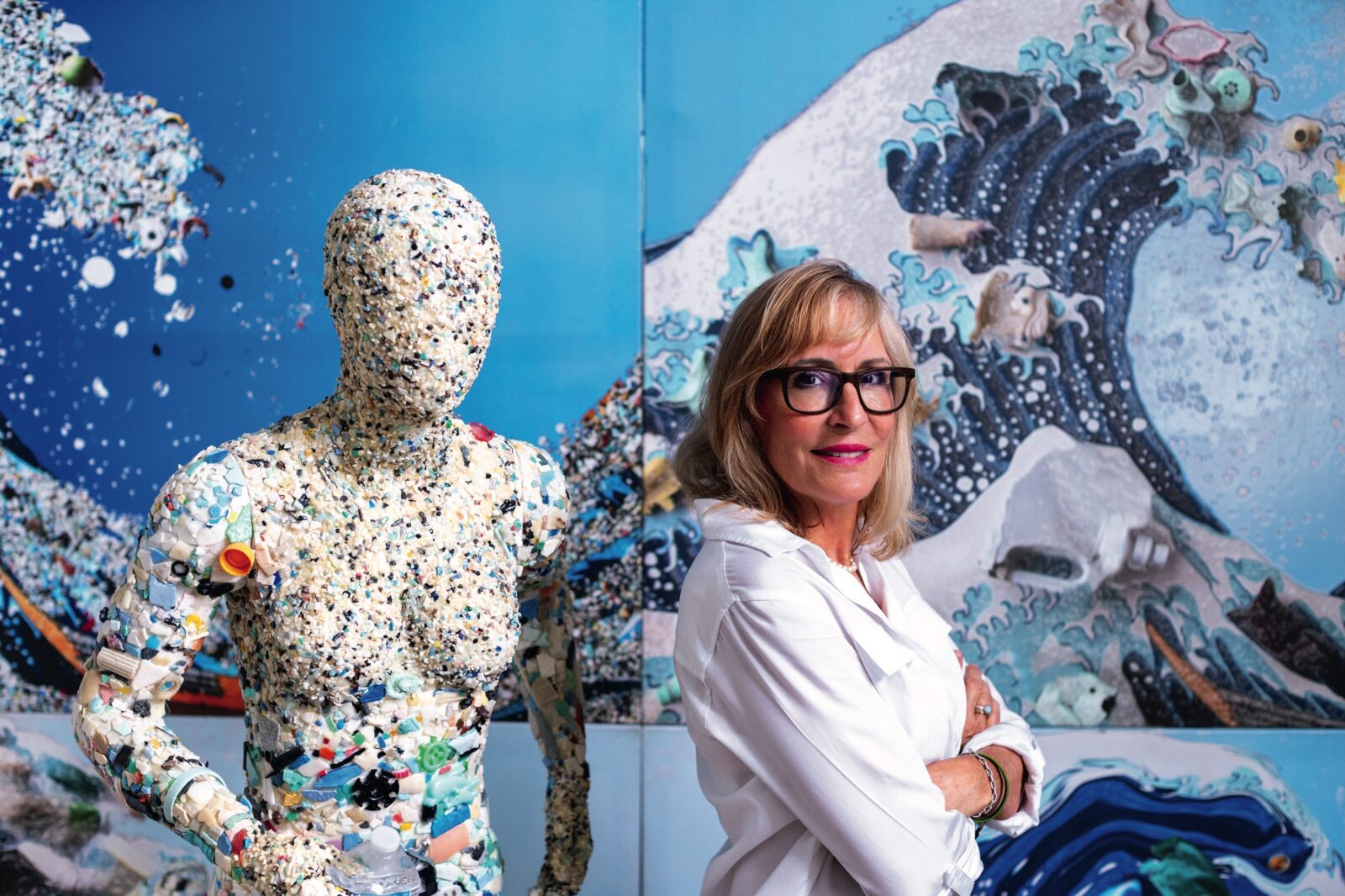
4. The Trash Collector: Bonnie Monteleone
Affiliation: Plastic Ocean Project
Location: Wilmington, North Carolina
Bonnie Monteleone’s path shifted dramatically after hearing the story of a snapping turtle whose shell was permanently deformed by a plastic ring. Starting her scientific journey later in life, she completed a master’s thesis on the North Atlantic Garbage Patch at the University of North Carolina Wilmington, sailing thousands of nautical miles to sample surface plastics.
Realizing that cleanup efforts are futile without tackling the source, she founded the Plastic Ocean Project in 2012. The nonprofit funds scientific research, implements corporate certifications, and deploys powerful artistic outreach—such as the touring exhibition What Goes Around Comes Around and the documentary If the Ocean Could Talk. Monteleone champions human ingenuity, emphasizing that consumers and corporations have the collective power to curb the plastic crisis.
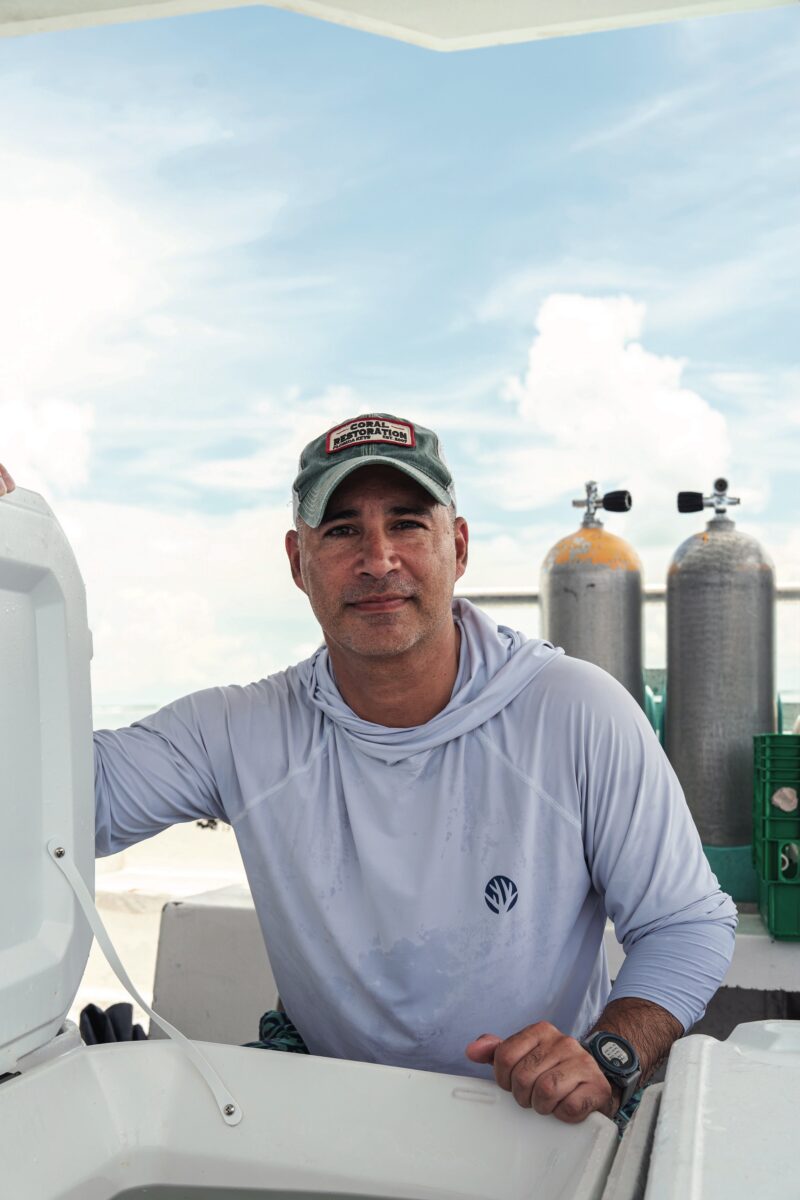
5. The Reef Doctor: Phanor H. Montoya Maya
Affiliation: Coral Restoration Foundation
Location: Tavernier, Florida
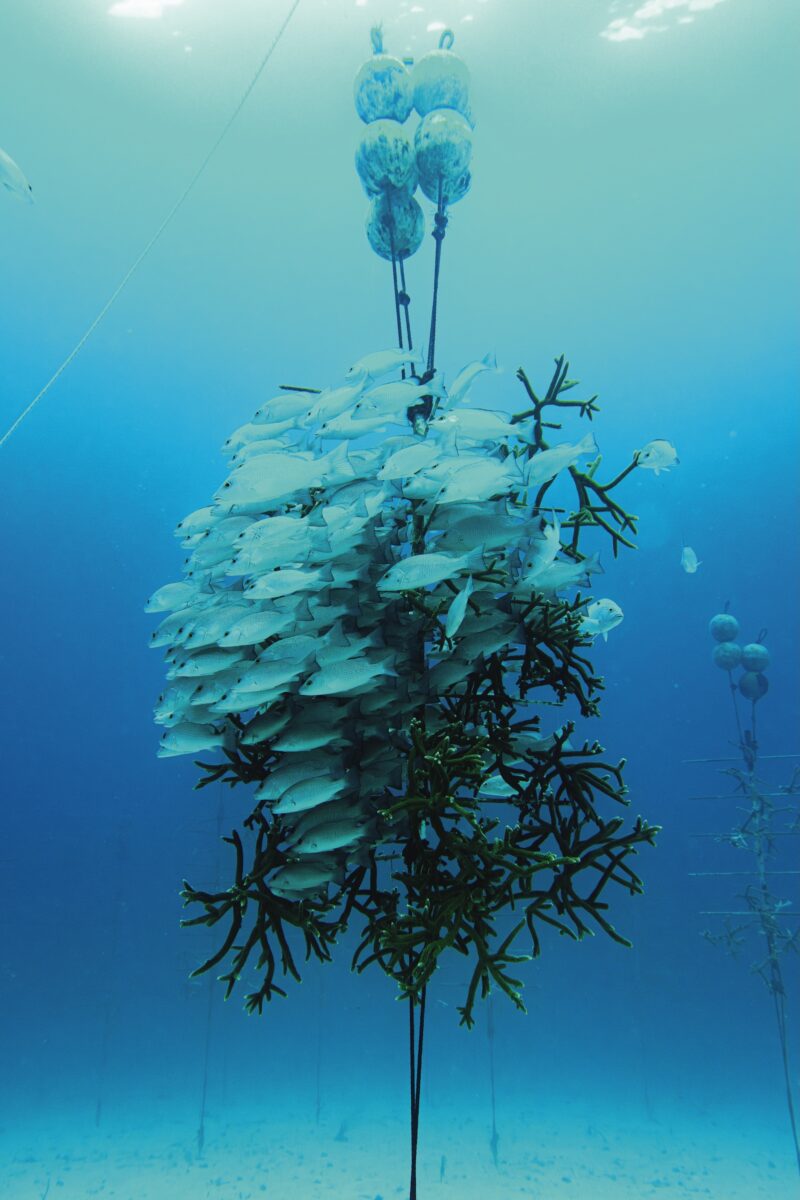
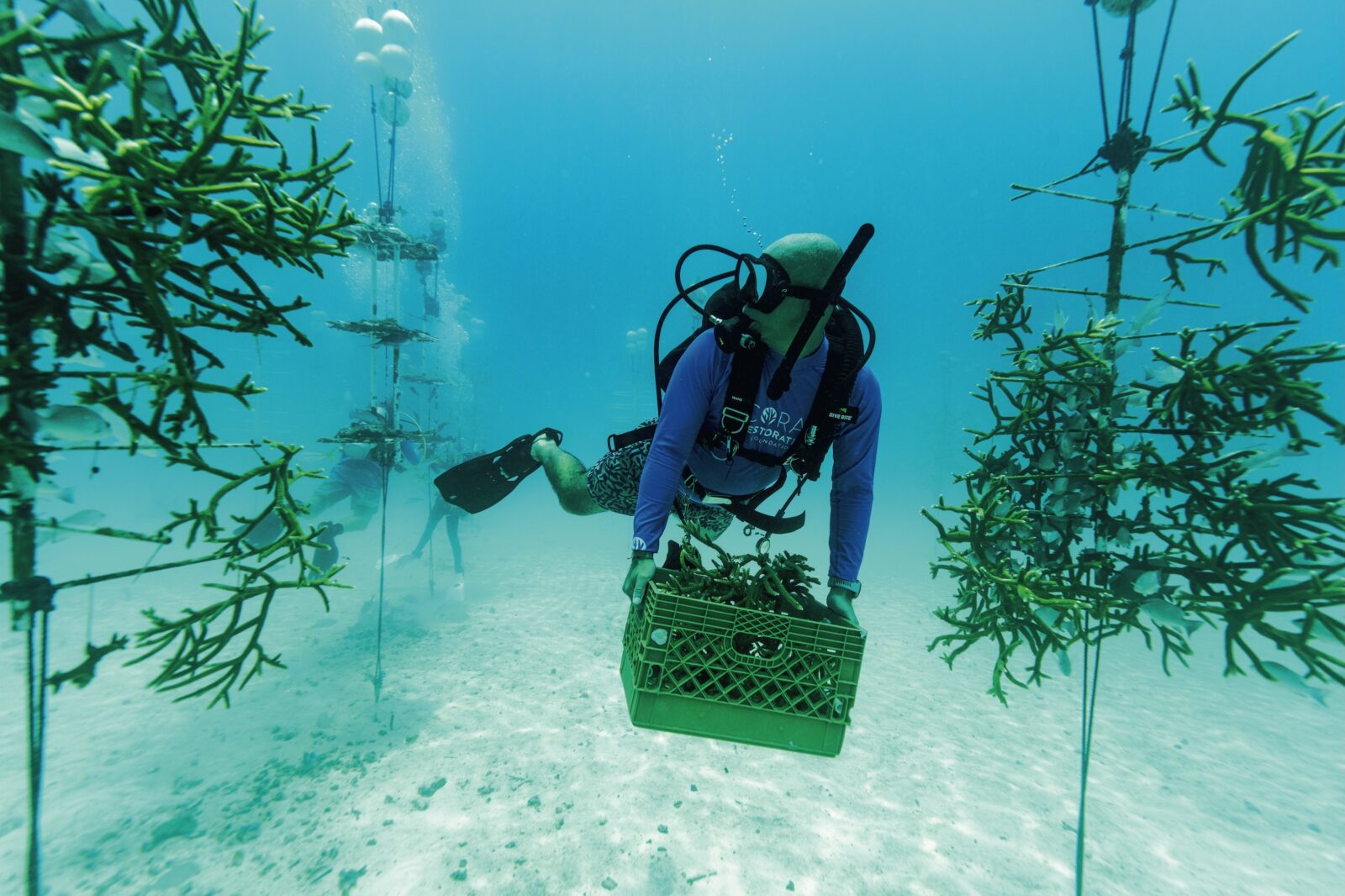
Inspired by childhood visits to the Pacific coast of Colombia, Phanor H. Montoya Maya dedicated his life to protecting coral reefs. Earning a PhD in ecological genetics, he now serves as the restoration program manager for the Coral Restoration Foundation (CRF) in the Florida Keys, where healthy coral cover has plummeted by 90 percent since the late 1970s due to warming waters and pollution-induced bleaching.
Montoya Maya leads innovative outplanting efforts, strategically selecting "pockets of survivorship" from marine heatwaves and breeding resilient coral variants in massive nurseries. By engaging citizen scientists in hands-on nursery maintenance and night-spawn collections, Montoya Maya builds the genetic diversity and community backing necessary to ensure reef survival.
6. The Hero of Tiny Fish: Bo Baxter
Affiliation: Conservation Fisheries
Location: Knoxville, Tennessee
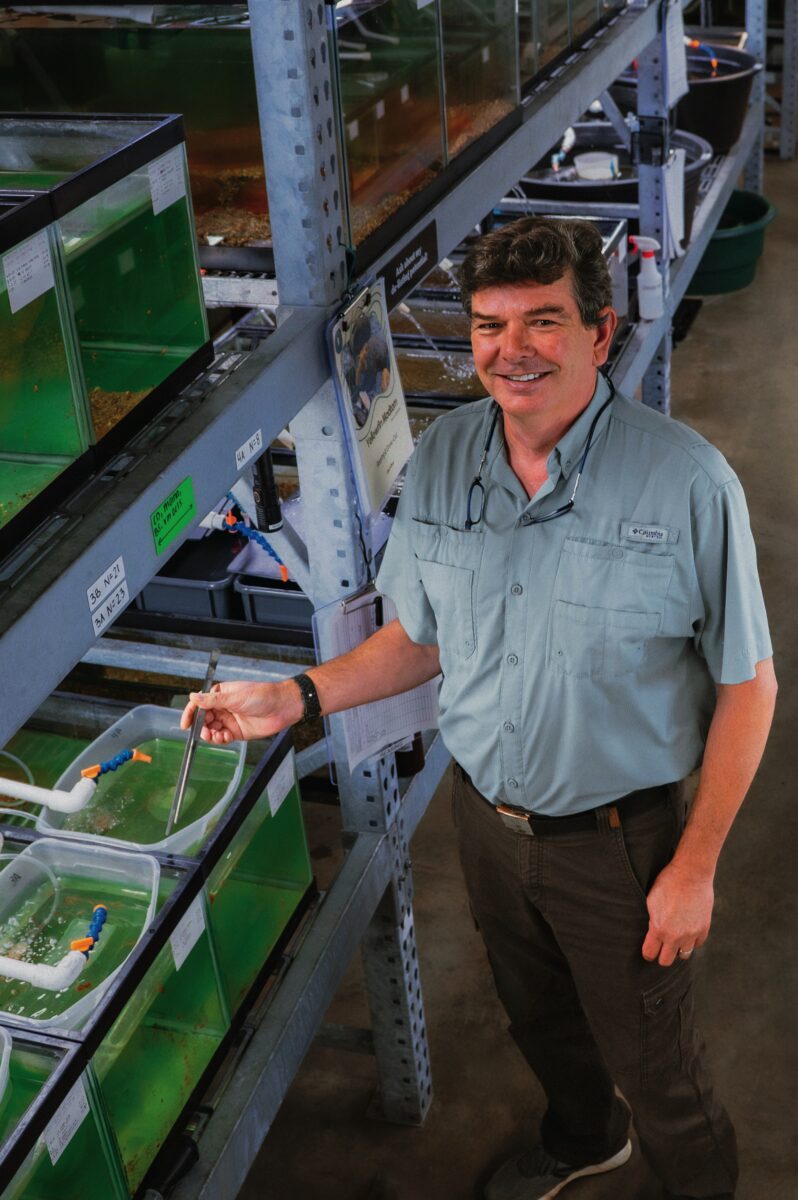
In the heart of the Appalachian biodiversity hotspot, Bo Baxter leads Conservation Fisheries (CF), a nonprofit dedicated to propagating and reintroducing rare nongame fish. Spanning species such as the candy darter, yellowfin madtom, and Tennessee dace, Baxter’s team utilizes specialized lab techniques to breed imperiled freshwater species in tanks before returning them to revitalized streams.
Operating in a region whose ancient, unglaciated geology fostered immense aquatic evolution, CF acts as "the last piece of the restoration puzzle." Despite the heartbreak of caring for potential "endlings"—the last known individuals of a dying species—Baxter remains committed to public education, utilizing river snorkeling excursions and lab tours to cultivate the next generation of conservationists.
7. The Whooping Crane Whisperer: Carter Crouch
Affiliation: International Crane Foundation
Location: Fulton, Texas
Operating his boat, Crane Seeker, along the Texas Gulf Coast, Carter Crouch monitors the majestic North American whooping crane. As director of Gulf Coast programs for the International Crane Foundation (ICF), Crouch oversees conservation efforts for a species that narrowly escaped extinction in the mid-20th century, rebounding from just 21 wild individuals to over 800 today.
Facing threats from wetland degradation, reduced water quality, and prolonged droughts, Crouch and his team conduct winter censuses, behavioral monitoring, and habitat acquisitions—including the creation of the 3,300-acre Wolfberry Whooping Crane Sanctuary. Through these rigorous initiatives, Crouch ensures that the iconic birds continue their legendary 2,500-mile annual migration.
8. The River Banker: Maria Whitehead
Affiliation: Open Space Institute
Location: Brevard, North Carolina
Maria Whitehead’s career in avian ecology and land conservation culminated in her role as senior vice president of land for the Southeast at the Open Space Institute (OSI). Her extensive tenure has driven monumental conservation victories in South Carolina, including establishing the 9,000-acre Black River State Park and securing the state’s largest-ever conservation easement spanning 62,000 acres across three counties.
Whitehead’s approach integrates ecological health with community equity. By consulting with indigenous groups like the Pee Dee and Waccamaw tribes and launching regional youth swimming initiatives, Whitehead proves that conservation can simultaneously address social, economic, and environmental challenges.
9. The Turtle Appeal: Keri Lejeune
Affiliation: Louisiana Department of Wildlife and Fisheries
Location: Lafayette, Louisiana
As Louisiana’s state herpetologist, Keri Lejeune oversees the protection of the state’s diverse reptiles and amphibians. Confronting widespread threats from habitat loss, poaching, and the international pet trade, Lejeune spearheaded a monumental policy shift in 2025 when the Louisiana Wildlife and Fisheries Commission approved regulations outlawing the commercial harvest of wild native turtles and banning invasive species like Burmese pythons.
Beyond policy reform, Lejeune actively restores wetlands for dusky gopher frogs, manages gopher tortoises, and rewilds alligator snapping turtles, demonstrating how targeted herpetological management heals broader watershed networks.
10. The Current Keeper: Josselyn Lucas
Affiliation: Natural Resources Conservation Service
Location: Boone, North Carolina
Josselyn Lucas coordinates the Working Lands for Wildlife Aquatic Framework for the USDA’s Natural Resources Conservation Service (NRCS), building the Southern Waters Framework. Partnering with private landowners across the southern Appalachian mountain corridors, Lucas implements nature-based solutions—such as reconnecting streams to floodplains, removing obsolete dams, and planting native riparian vegetation.
In the wake of catastrophic weather events like Hurricane Helene, Lucas’s philosophy remains clear: "We can’t control it or fight against it. We have to work with it." By fostering local watershed stewardship, Lucas empowers private landowners to become frontline conservationists.
Supporting Context & Metrics
The collective impact of this year’s Champions of Conservation is underscored by compelling data points highlighting the vulnerability and resilience of Southern ecosystems:
Seagrass Restoration: Sea & Shoreline has successfully revitalized over 500 acres of underwater seagrass meadows across Florida, stabilizing shorelines and filtering pollutants.
Coral Decline & Recovery: Healthy coral cover in the Florida Keys has plummeted by 90% since the late 1970s, making the Coral Restoration Foundation’s genetic outplanting initiatives vital to long-term survival.
Avian Resurgence: Whooping crane populations have rebounded from a historic low of 21 wild individuals in the mid-20th century to over 800 birds today, supported by extensive ICF habitat protections.
Landscape-Scale Preservation: OSI’s recent conservation milestones in South Carolina protect 62,000 acres under the state’s largest conservation easement, immediately adjacent to the newly established 9,000-acre Black River State Park.
Aquatic Propagation: Conservation Fisheries has worked with 87 distinct freshwater fish species, propagating thousands of rare darters, minnows, and madtoms to restock recovering Appalachian watersheds.
Official Statements
"Seagrass restoration will always have my heart. It may not be very well known, but it is incredibly important for oxygenating the water. I want people to know how important it is and fall in love with it."
— Jessica Mailliez, Sea & Shoreline
"I guess that people consider me to be an activist, but I consider myself to be protecting my family’s land. The value is priceless. There is not another place like Sapelo Island in the world."
— JR Grovner, Sapelo Island Tours
"Often, the narrative around conservation is that it is adversarial and at odds with people. But it can actually be a way to address our social and environmental issues together, if we approach it the right way."
— Maria Whitehead, Open Space Institute
Future Outlook
The trajectory of southern freshwater and marine conservation hinges on proactive adaptation, localized community engagement, and cross-sector collaboration. As climate volatility accelerates extreme weather events, sea-level rise, and urban expansion, the traditional boundaries separating science, economics, and community advocacy must dissolve.
The models established by this year’s Champions—ranging from private landowner partnerships in Appalachian watersheds to community-led land defense in Gullah Geechee enclaves and marine sanctuary management in the Bahamas—offer a clear blueprint for the future. By institutionalizing data-driven policies, expanding youth environmental education, and fostering grassroots stewardship, the South can preserve its rich ecological heritage. Ultimately, the work of these champions reminds us that protecting our rivers, oceans, and wildlife is, and always will be, synonymous with protecting ourselves.



0 Comments