

Executive Overview
For years, the phrase “Distilled in Indiana” printed in discreet, minuscule type on the back of a craft whiskey bottle served as an insider’s wink. To the untrained eye, it was merely geographic trivia; to spirits aficionados, it was a glowing neon sign pointing directly to Midwest Grain Products (MGP)—the industrial titan of Lawrenceburg, Indiana. For decades, MGP operated as the ultimate ghostwriter of the American whiskey renaissance, quietly supplying bulk bourbon and rye to a multitude of upstart and established labels that built their entire market reputations on MGP’s barrels.
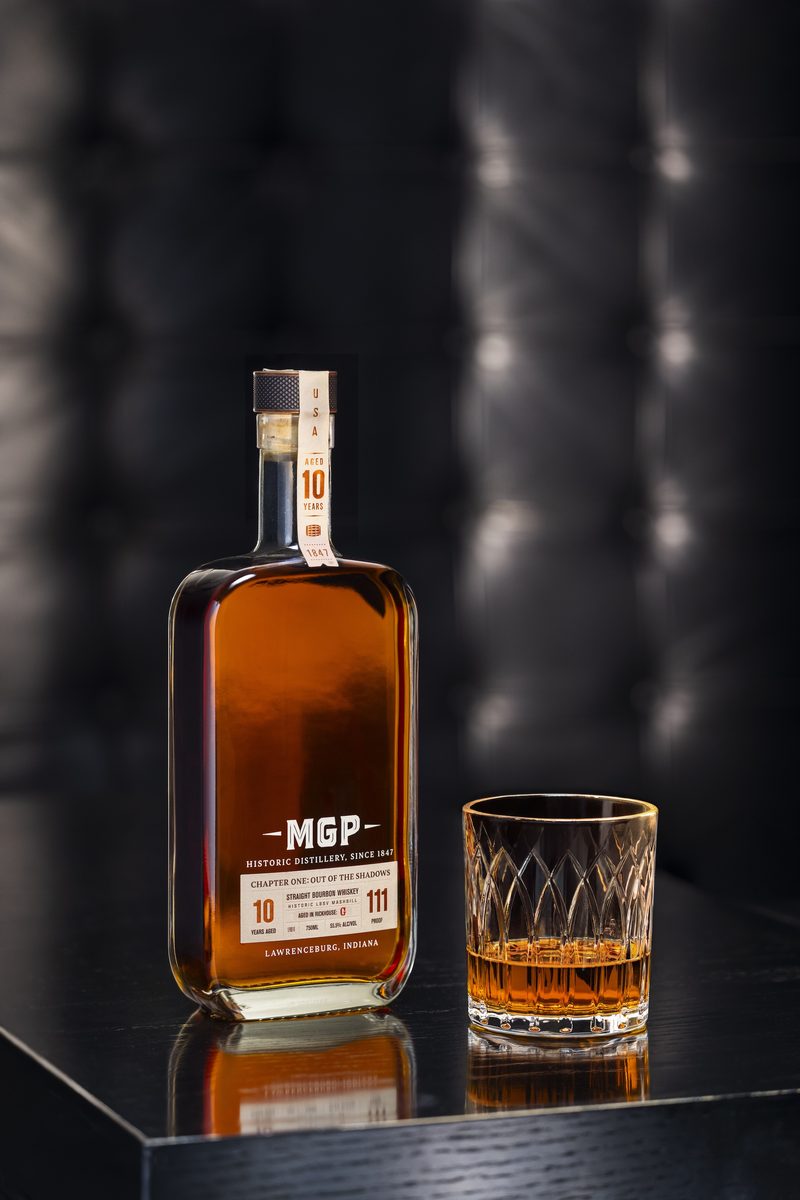
Now, the veil is lifting. In a seismic shift for the American spirits landscape, MGP is stepping out of the shadows with the debut of MGP Chapter One: Out of the Shadows. Released at the Kentucky Bourbon Festival in Bardstown, this inaugural 10-year-old, 111-proof expression retails at an approachable $70, marking the first time the historic giant is putting its own name front and center on a proprietary bourbon label. Simultaneously, the Lawrenceburg facility—briefly branded as the Ross & Squibb Distillery in 2021—is officially reclaiming the mantle of MGP Distillery. The tagline emblazoned on the new bottle captures the gravity of the moment: "The distillery behind the curtain is revealed."
Detailed Chronology: From Rossville Origins to Seagram’s Empire
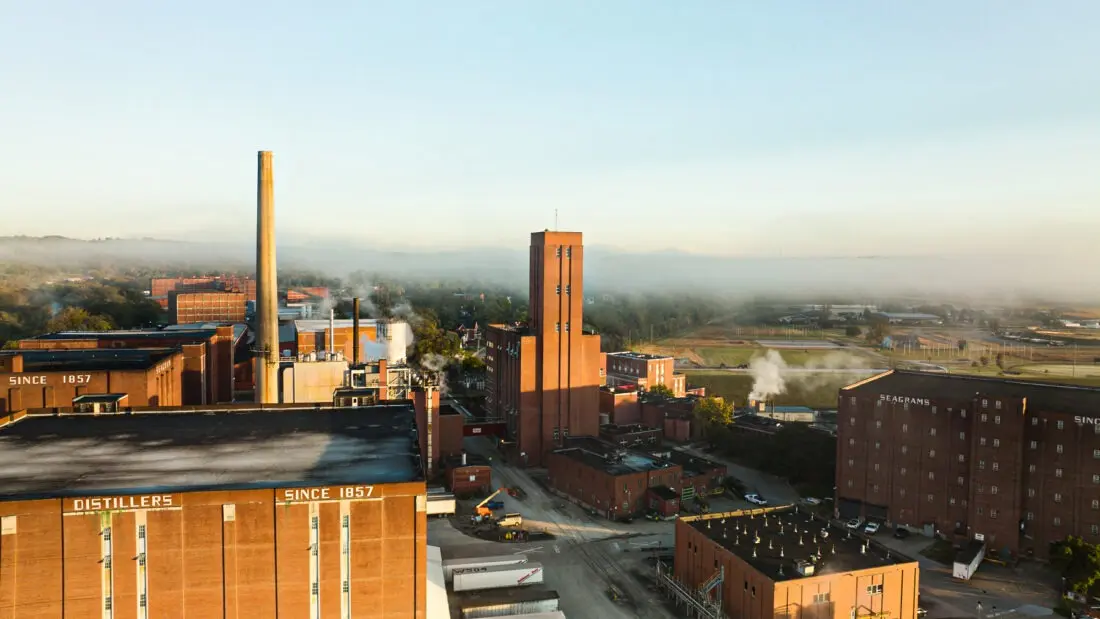
To understand the magnitude of MGP’s public debut, one must trace the roots of the Lawrenceburg campus, which runs deep into the bedrock of American industrial history. Distillation on the sprawling site dates back to 1847, initiated by the Rossville Distillery and later joined by Squibb. However, the footprint, scale, and operational philosophy of the modern facility were fundamentally shaped by spirits monolith Seagram, which arrived on the scene in 1933.
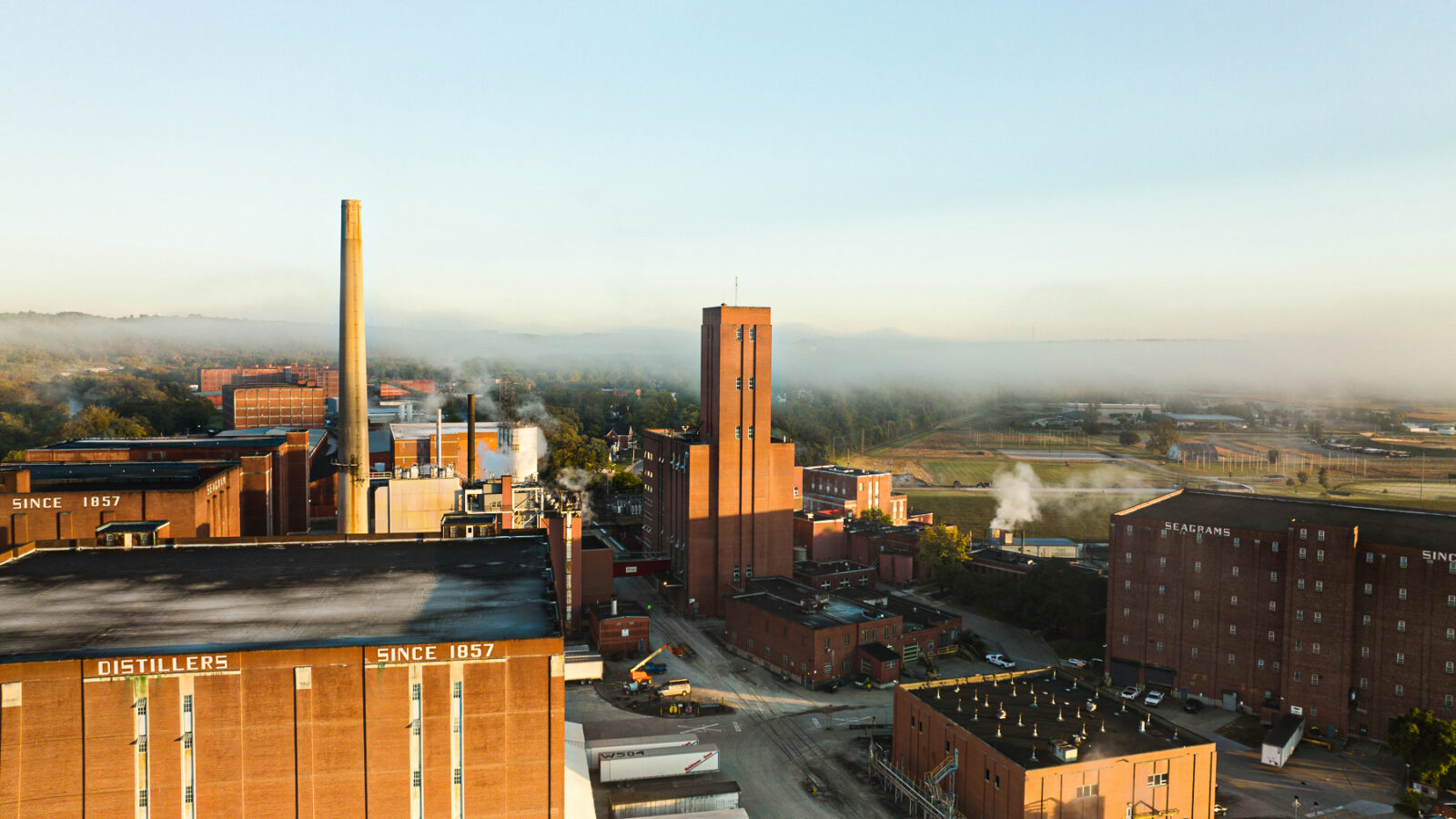
Seagram rebuilt and aggressively expanded the infrastructure primarily to produce its flagship Seagram’s Seven Crown whiskey—a blended American whiskey that became a cultural juggernaut. By the 1970s, Seven Crown was moving millions of cases annually, reigning as one of the best-selling spirit brands in the United States. This heritage of blending and multi-component production ingrained a culture of versatility into the facility’s DNA.
When Seagram’s empire fractured decades later, the Lawrenceburg plant changed hands before eventually becoming part of MGP Ingredients. Over the last ten years, the distillery transitioned from an anonymous production plant into an open secret. While craft distillers were busy distilling their own startup spirits, many brands accelerated their market entry by sourcing MGP’s exceptional stocks—particularly its iconic high-rye mash bills.
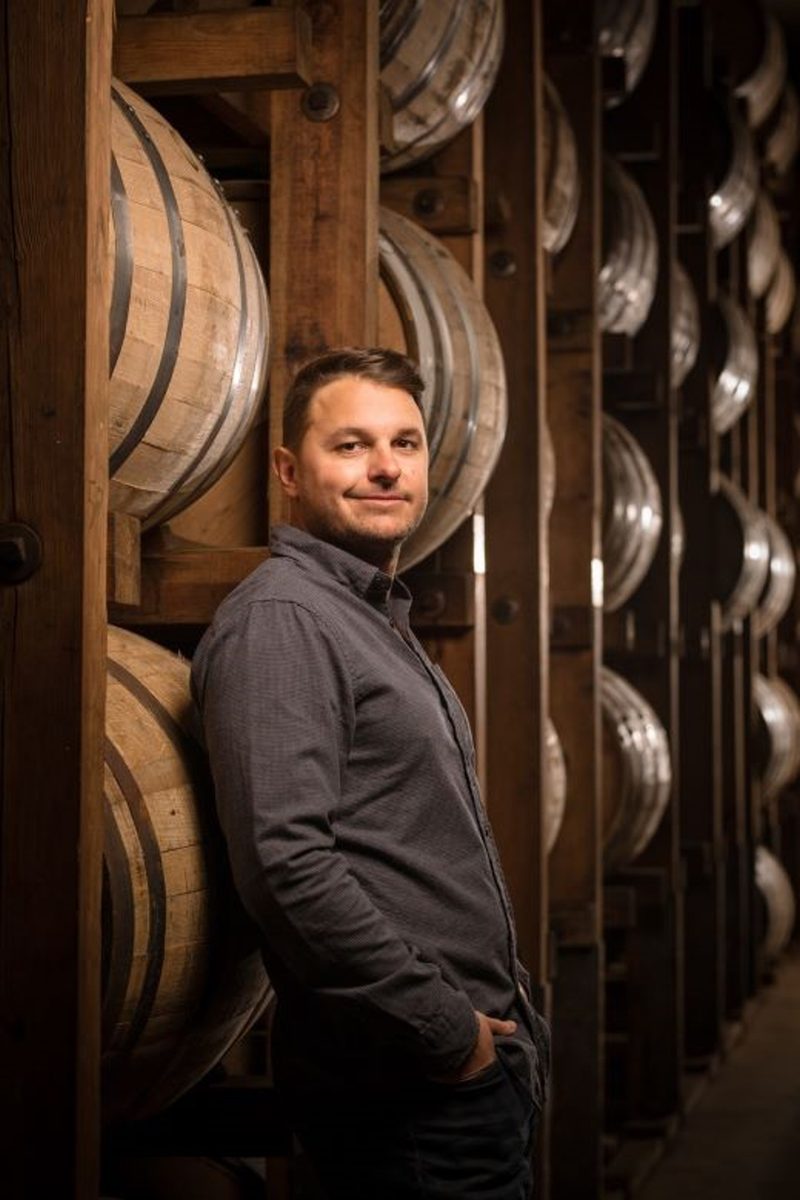
What was once an industry whispered secret evolved into a distinct marketing advantage. "It went from a thing that nobody talked about to now, for most of our customers, it’s kind of a badge of honor," reflects Ian Stirsman, master distiller at the Lawrenceburg facility. "The MGP name carries so much weight with people in the industry and with enthusiasts, but your everyday consumer doesn’t necessarily know that name."
Supporting Context & Metrics: Inside the Industrial Behemoth
Visiting MGP’s Lawrenceburg campus is an exercise in scale. Crossing the Ohio River near Cincinnati, the distillery rises from the surrounding tree line like its own self-contained industrial cityscape. The campus stretches for roughly a mile along Tanners Creek, which feeds directly into the Ohio River just downstream.
Passing through the gates reveals a labyrinth of hulking historic brick buildings webbed together by an overhead network of stainless-steel pipes, transporting liquid gracefully from one stage of production to the next. The complex houses an astonishing 16 active stills, granting the facility a manufacturing versatility unmatched by nearly any of its peers. While famous for bourbon and rye, MGP’s infrastructure easily pivots to produce gin, vodka, and neutral spirits. "We’re by far the most versatile of the big guys," Stirsman notes.
The Mechanics of Scale
- Water Supply: The distillery sits directly atop the vast Great Miami aquifer, pumping roughly 8.5 million gallons of water daily at a constant, mineral-rich 56 degrees Fahrenheit, utilized for cooling and production without depleting the local water table.
- Grain Logistics: A continuous, choreographed succession of tractor-trailers delivers corn—mostly sourced from farms within a 100-mile radius—which is stored in towering silos before being milled and cooked.
- Mash Bill Diversity: Despite popular perception tying MGP to just a couple of famous recipes, the distillery crafts more than 40 different whiskey mash bills in a typical operating year.
- The Yeast Legacy: A cornerstone of MGP’s distinct flavor profile is its proprietary house yeast strain, originally isolated and cultivated in the 1940s during the Seagram’s era. Technicians propagate an almost imperceptible amount of this yeast in off-site labs to inoculate massive fermenters. "Just that tiny bit of yeast will end up making enough for about fifteen 50,000-gallon fermenters," Stirsman explains.
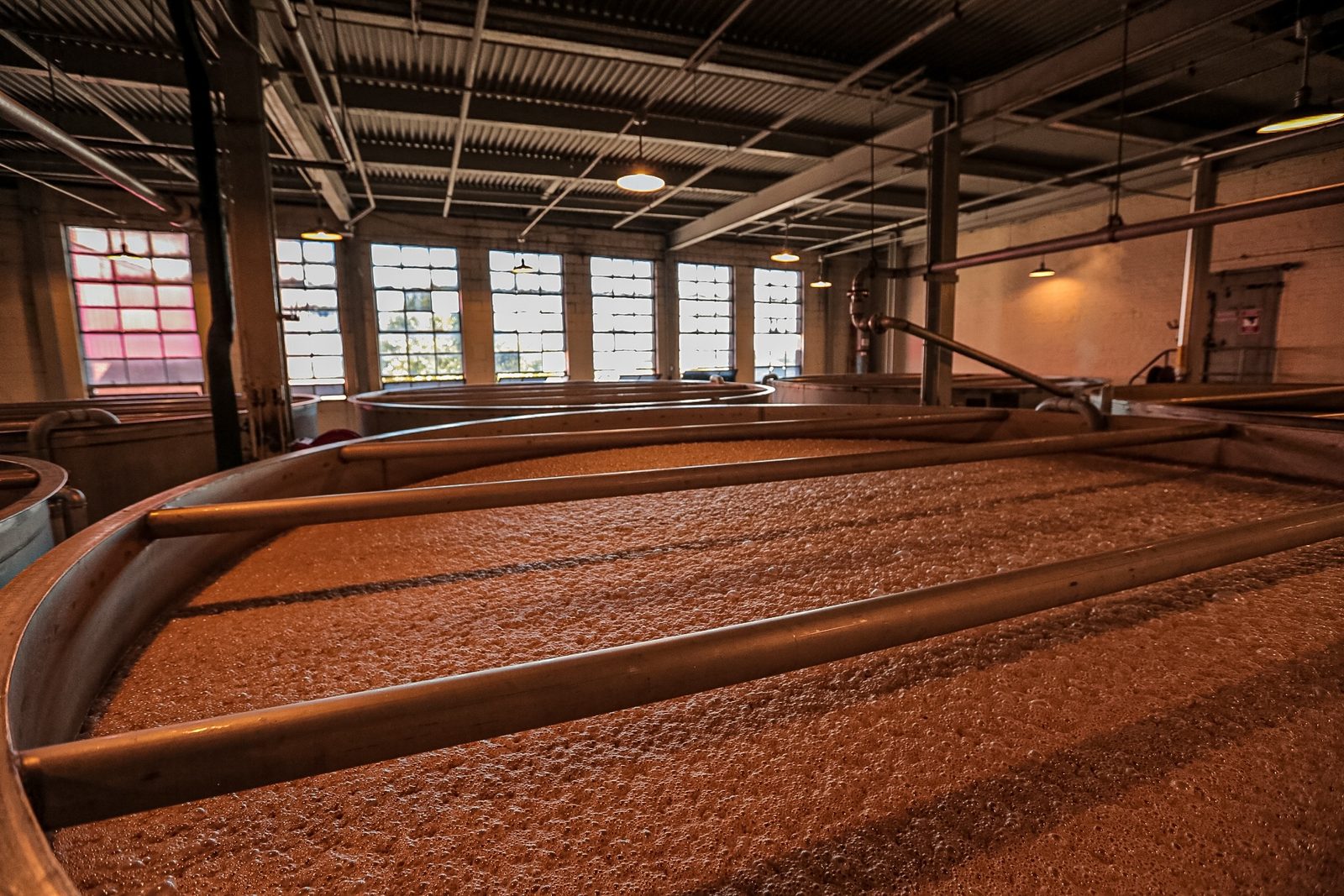
- Fermentation Tanks: Walking the metal-grate walkways above the stainless-steel tanks reveals massive, two-story-tall fermenters holding roughly 28,000 gallons each—which Stirsman casually refers to as "the small ones." Operators manage these vast chemical transformations from a computerized control room that mirrors NASA mission control.
Following fermentation, the newly distilled spirit is barreled and laid to rest in historic brick and concrete warehouses ringing the campus. Because these warehouses span different eras of construction, their unique microclimates and architectural layouts—including subterranean basements where cooler temperatures slow the aging process—impart distinct barrel variations across the inventory.
Official Statements & Tasting Notes: Chapter One Analyzed
The culmination of this rich history and industrial might sits inside a sleek, newly designed bottle: Chapter One: Out of the Shadows. Designed as the inaugural entry in an ongoing series of annual releases, this release represents the unfiltered voice of the distillery.
Stirsman poured the debut expression for a select group of journalists, showcasing a liquid crafted from MGP’s legendary high-rye bourbon mash bill: 60 percent corn, 36 percent rye, and 4 percent malted barley. Aged for a full decade inside the storied Warehouse G, it is, as Stirsman puts it, "There’s nothing more quintessentially MGP than that."
Sensory Evaluation
- Aroma: Delicate, inviting waves of wild honey and sweet marshmallow fluff rise cleanly from the glass.
- Palate: An immediate richness coats the tongue, evoking creamy vanilla custard and caramelized sugar, deftly balanced by a lively, peppery rye bite that keeps the sweetness from cloying.
- Finish: Nuanced and mature without suffering from over-oaking, leaving behind a signature cherry-cola note that whiskey aficionados instantly associate with the distillery’s historical output.
"It has that cherry-cola note, and all those things people think of when they think of MGP bourbon," Stirsman observes. "I think this is a good example of the best of what we do."
Future Outlook: A New Era for Indiana Whiskey
The launch of Chapter One is more than a clever marketing campaign; it signals a philosophical pivot for MGP Ingredients. For years, the company was content to let third-party brands capture the retail glory while it focused on the unglamorous, high-volume mechanics of bulk production.
By reclaiming the MGP name on its campus and placing it prominently on a retail-facing bottle, the company is staking its direct claim on the modern American whiskey consumer. With future iterations of the Chapter series planned annually, MGP is no longer satisfied with merely being the wizard behind the curtain. Armed with centuries of collective distilling knowledge, an unmatched infrastructure, and some of the finest aged stock in North America, MGP Distillery is stepping into the light—and the rest of the bourbon world will have to take notice.

0 Comments