

Executive Overview
For generations, the cultural and economic heartbeat of the Sunshine State has pulsed in rhythm with the tide. From the historic commercial docks of the Florida Keys to the recreational charter boats navigating the emerald waters of the Panhandle, Florida’s identity is inextricably bound to its marine ecosystems. Yet, this delicate aquatic equilibrium faces unprecedented pressures. Rapid coastal development, escalating water temperatures, historic red tide events, and intense recreational and commercial fishing pressure have severely strained natural habitats like South Florida’s struggling coral reefs and vital estuarine nurseries.
Enter the Florida Coastal Corridor—a visionary, multi-decade conservation initiative designed to reverse this ecological decline through a sweeping, interconnected network of artificial reefs, restored seagrass meadows, thriving mangrove forests, and resilient living shorelines. Modeled after the celebrated Florida Wildlife Corridor—which successfully champions terrestrial land preservation—this bold marine blueprint aims to mend fragmented habitats from the Atlantic to the Gulf of Mexico.
Backed by $15 million in initial state appropriations approved by the Florida Legislature, the initiative is being jointly spearheaded by the Fish & Wildlife Foundation of Florida and the Florida Fish and Wildlife Conservation Commission (FWC). By strategically deploying robust marine infrastructure and restoring vital estuarine buffers, the project seeks to fortify foundational fisheries, protect vulnerable coastal communities, and safeguard a treasured way of life for future generations.
Detailed Chronology: From Legislative Vision to Submerged Reality
The genesis of the Florida Coastal Corridor began as a practical solution to a growing crisis: declining populations of iconic sportfish, including grouper, snapper, and amberjack, alongside the degradation of critical nearshore environments. Recognizing that traditional management strategies alone could not keep pace with environmental degradation, conservation leaders and state lawmakers sought a more proactive, landscape-scale approach.
Legislative Approval and Framework (Last Year)
The foundational framework for the Florida Coastal Corridor received formal legislative approval, accompanied by a critical $15 million allocation. This dedicated funding stream empowered the Fish & Wildlife Foundation of Florida and the FWC to transition the concept from a theoretical blueprint into a mobilized, state-wide operation. Project leaders deliberately adopted the ethos of the terrestrial Florida Wildlife Corridor, aiming to cultivate a public movement centered on aquatic connectivity and habitat renewal.
The Inaugural Deployments (October 2026)
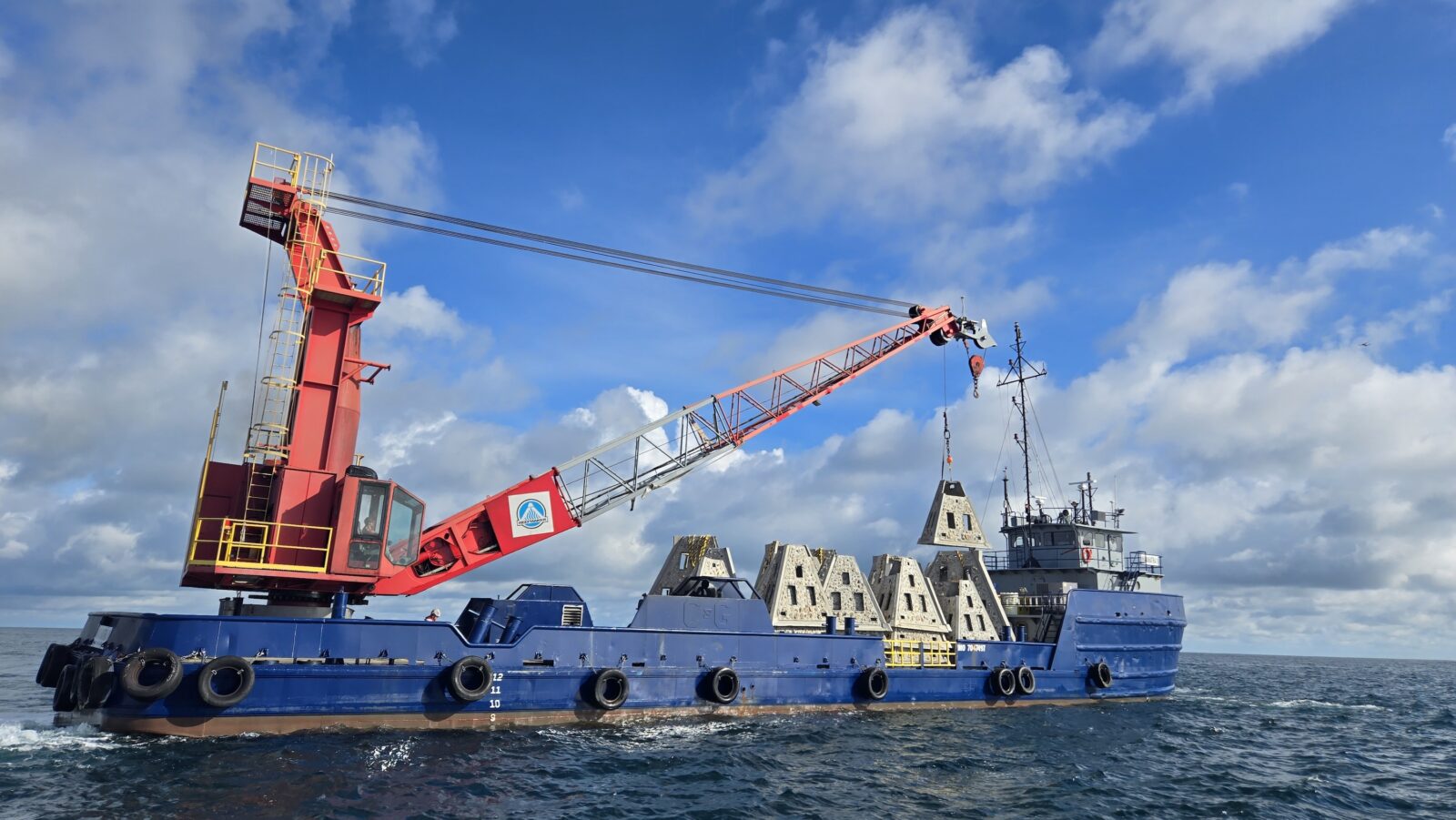
The theoretical promise of the corridor became a tangible reality in October 2026 with the deployment of its very first artificial reefs.
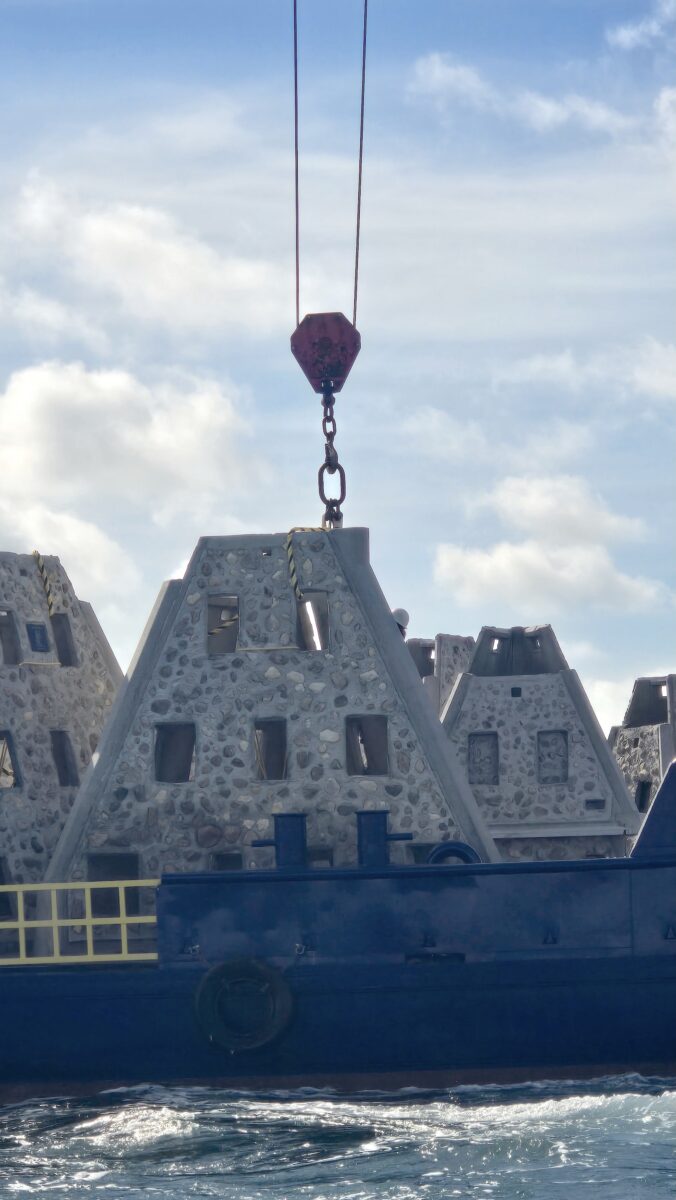
- The Naples Deployment: Off the coast of Naples, crews sank the Lenny Reina Memorial Reef—a meticulously engineered series of concrete modules dedicated in honor of a private donor. This single deployment instantly established 1.7 acres of brand-new marine habitat over a previously barren stretch of seafloor.
- The Panhandle Deployment: Just days later, a second major reef deployment took place off the coast of Okaloosa County in the Florida Panhandle, signaling the state-wide scope of the initiative.
These initial projects serve as the opening salvo in a comprehensive campaign led by Coastal Corridor Project Director Mike Norberg and Foundation Executive Director Nick Wiley. By targeting coastal counties that historically lacked the local municipal funding required to build complex marine habitats, the initiative is strategically filling ecological gaps where young fish face developmental bottlenecks.
Supporting Context & Metrics: The Science of Submerged Infrastructure
To understand the transformative potential of the Florida Coastal Corridor, one must examine the intricate biological dynamics of marine environments.
The Ecological Bottleneck
Many premier sportfish and commercially vital species—such as red snapper, gag grouper, and greater amberjack—rely heavily on complex structural habitats during their early life stages. Without adequate shelter, young fish experience high rates of predation, creating a bottleneck that restricts adult populations. Natural habitats, overburdened by climate stressors and heavy fishing pressure, often cannot supply sufficient real estate for these juvenile cohorts.
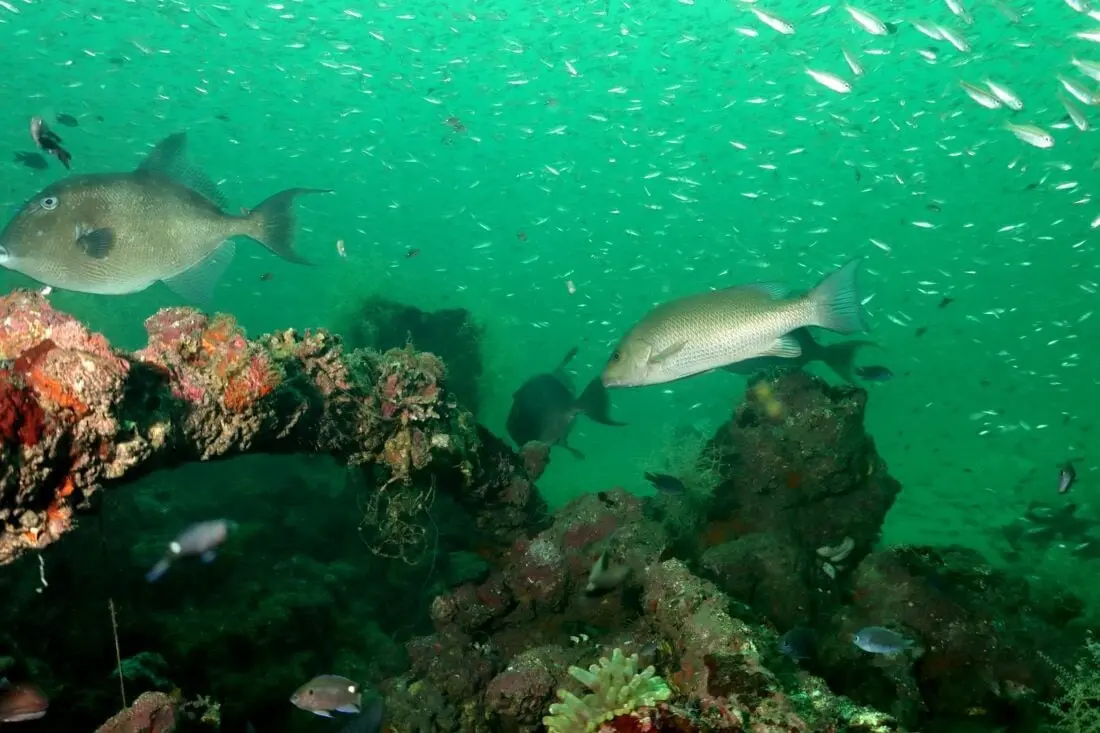
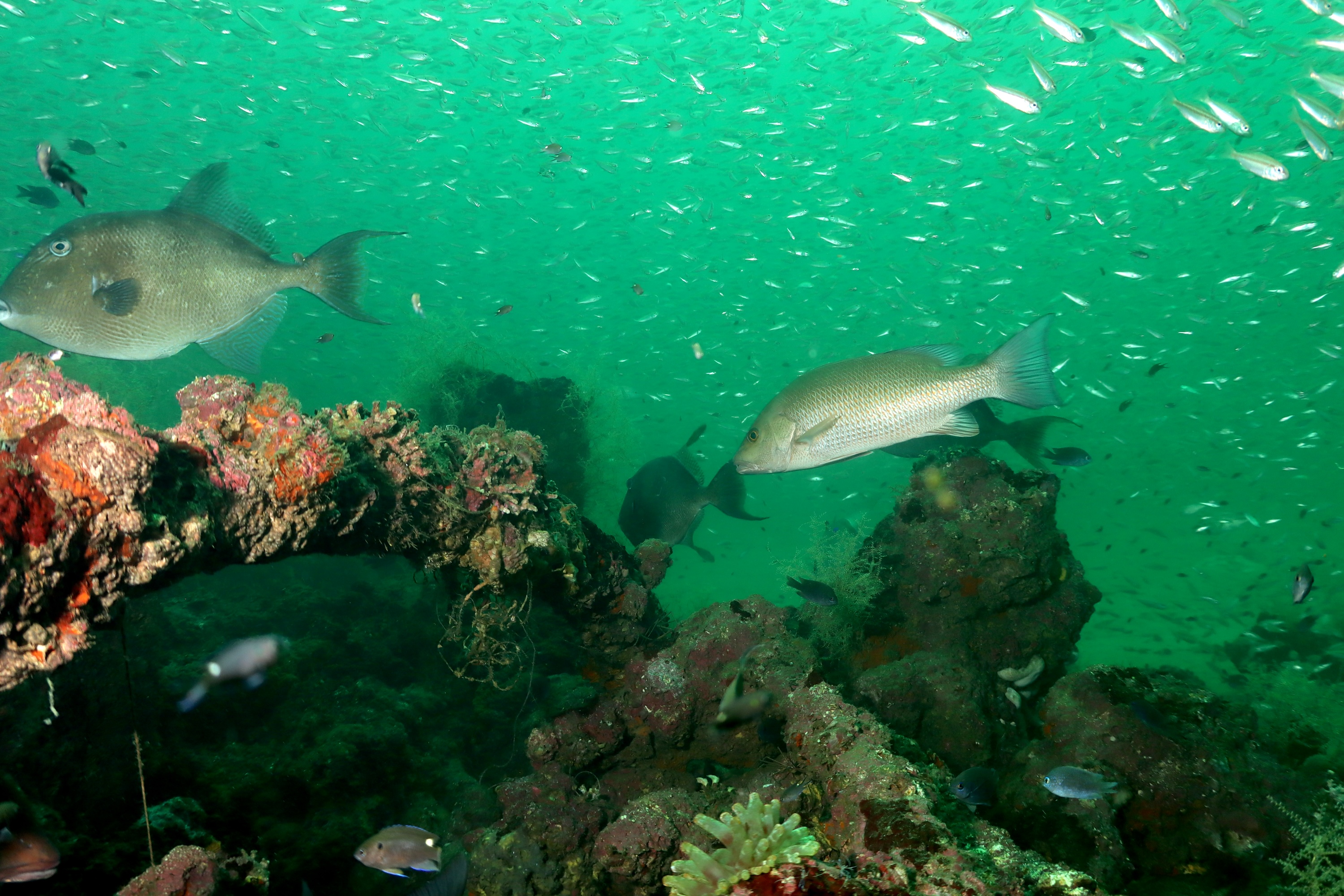
Artificial reefs act as immediate catalysts for marine life. According to project data, the process of ecological succession unfolds with astonishing speed:
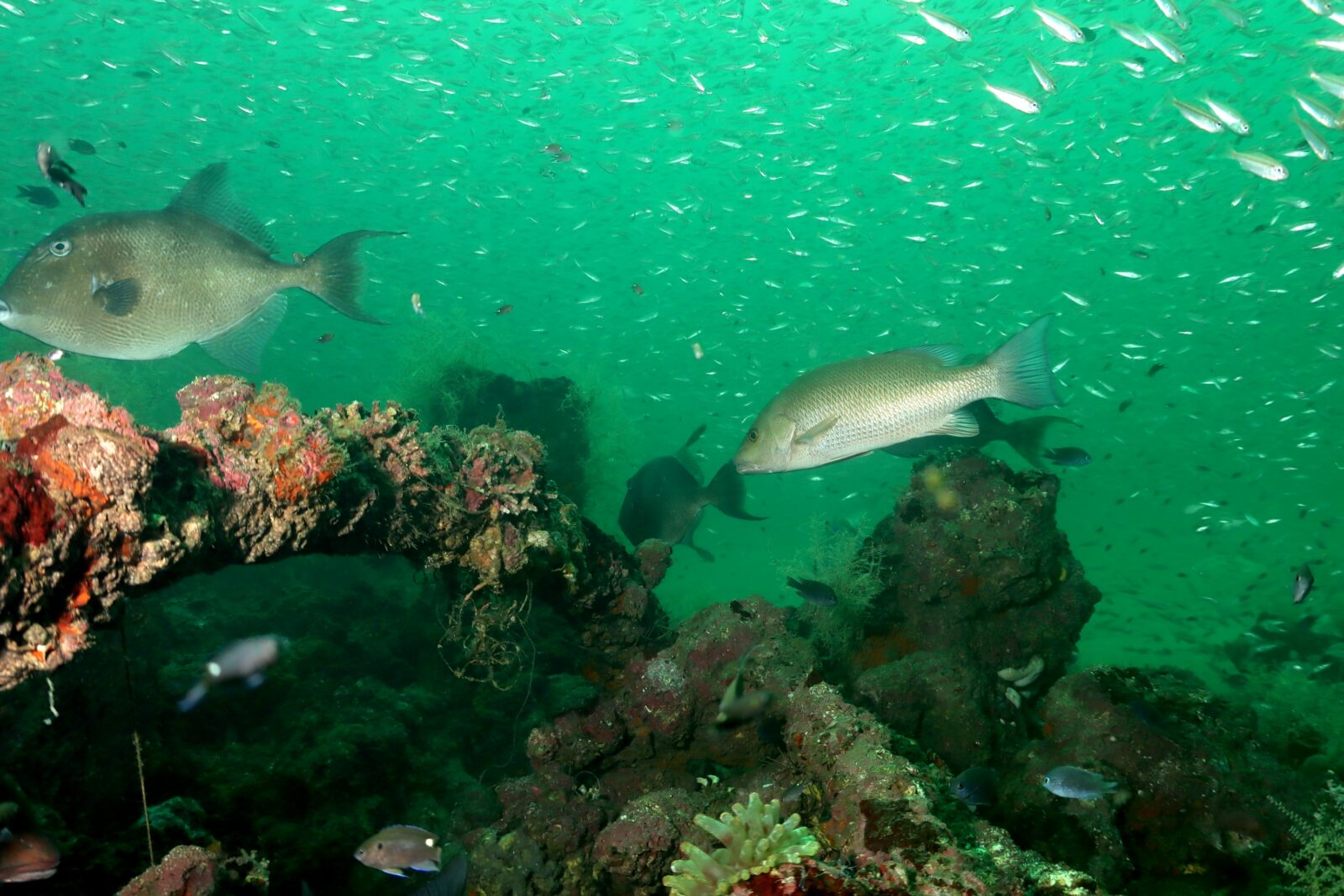
- Day 1–3: Microscopic plankton and mobile baitfish arrive, seeking refuge from open-water predators.
- Weeks to Months: Larger predatory fish, drawn by the abundance of forage species, populate the surrounding waters.
- Year 1 and Beyond: Encrusting organisms—including algae, barnacles, sponges, and soft corals—begin to thoroughly colonize the hard surfaces. In regions adjacent to natural coral reefs, resilient coral fragments may naturally attach and propagate on the new structures. Over time, the original construction materials become entirely obscured by living marine growth.
Materials and Engineering
The structural components utilized within the Florida Coastal Corridor are as resourceful as they are durable. Leveraging recycled materials—such as thoroughly remediated and cleaned old bridges, concrete culverts, and decommissioned steel vessels—project managers turn industrial remnants into ecological sanctuaries. Every piece of material undergoes rigorous environmental scrubbing to ensure absolute purity before being precisely placed across sandy, unproductive marine deserts.
Beyond Reefs: A Holistic Coastal Network
While artificial reefs capture headlines, the Florida Coastal Corridor is designed as a multi-faceted ecosystem recovery program. The overarching strategy incorporates four primary pillars:
- Artificial Reef Networks: Expanding hard-bottom habitats to relieve stress on natural coral ecosystems and boost sportfish numbers.
- Seagrass Meadow Restoration: Replanting and protecting aquatic grasses that serve as the primary nursery grounds and feeding habitats for manatees, snook, and red drum.
- Mangrove Forest Conservation: Restoring tangled root systems that stabilize shorelines, filter upland runoff, and provide shelter for juvenile marine life.
- Living Shorelines: Installing native coastal vegetation and rebuilding oyster reefs capable of natural water filtration and wave attenuation, thereby boosting community resilience against tropical storms and rising tides.
Official Statements & Leadership Perspectives
The success of the Florida Coastal Corridor relies on a coalition of state agencies, scientific researchers, and prominent conservation non-profits, including the Coastal Conservation Association and the Bonefish & Tarpon Trust. Leadership driving the initiative emphasizes that ecological stewardship is fundamentally intertwined with cultural preservation.
"The coastal communities of Florida live a lifestyle and have a culture that centers around fisheries and seafood," notes Nick Wiley, Executive Director of the Fish & Wildlife Foundation of Florida. Reflecting on the ease of rallying public and legislative support for the initiative, Wiley adds, "If we don’t take care of our natural resources, they’re not going to take care of us. The bottom line is that this is about preserving Florida culture and the things we all love about this state."
Project leadership is equally vocal about the dual benefits of engineered habitats. Mike Norberg, the Coastal Corridor Project Director, highlights the strategic relief these structures provide to beleaguered natural systems:
"Artificial reefs are a great tool to both create habitat where habitat doesn’t exist, and also to remove pressure on some of those natural habitats that are struggling, such as the coral reefs in South Florida."
Detailing the physical transformation of the deployed modules, Norberg observes, "The structure usually turns into something that is unrecognizable from its original form," as nature rapidly reclaims and transforms industrial infrastructure into thriving biological hubs.
Future Outlook: A Connected Coastline for the Decades Ahead
As the Florida Coastal Corridor moves past its inaugural deployments in Naples and Okaloosa County, the roadmap for the coming decades is both ambitious and methodical.
The immediate future will see an escalation in reef building, with project directors actively collaborating with underserved rural and suburban coastal counties to identify high-need marine zones. Concurrently, broader initiatives focusing on estuarine restoration—specifically targeted at seagrass and oyster reef rehabilitation—will scale up to meet regional water quality challenges.
The ultimate vision is a seamless, statewide network of protected and enhanced marine habitats that stretch from the Atlantic coast, through the Florida Keys, and up into the sweeping estuaries of the Panhandle. By bridging isolated pockets of recovery into a continuous ecological corridor, the initiative promises far-reaching dividends:
- Biodiversity Resilience: Providing secure transit and breeding grounds for a diverse array of species, ranging from endangered sea turtles and marine mammals like manatees to economically vital crustaceans like shrimp and stone crabs.
- Economic Vitality: Bolstering coastal economies by revitalizing recreational angling, expanding diving tourism, and securing the long-term viability of commercial fisheries.
- Climate Adaptation: Enhancing the natural defenses of coastal municipalities against severe weather events through robust living shorelines and wave-buffering reef architecture.
The Florida Coastal Corridor represents a profound paradigm shift: moving away from reactive environmental management and toward proactive, interconnected stewardship. By investing in the foundation of the marine world, Florida is ensuring that its legendary coastal culture remains as vibrant, enduring, and bountiful as the tides that wash upon its shores.

0 Comments