

Executive Overview
As millions of residents and tourists flock to Florida’s coastal stretches for holiday breaks and late-summer getaways, state environmental authorities have issued a urgent advisory: Florida’s sea turtle and beach-nesting bird seasons remain actively underway across the state’s 825 miles of sandy coastline. The Florida Fish and Wildlife Conservation Commission (FWC) is appealing to the public to practice heightened environmental stewardship during this sensitive ecological window.
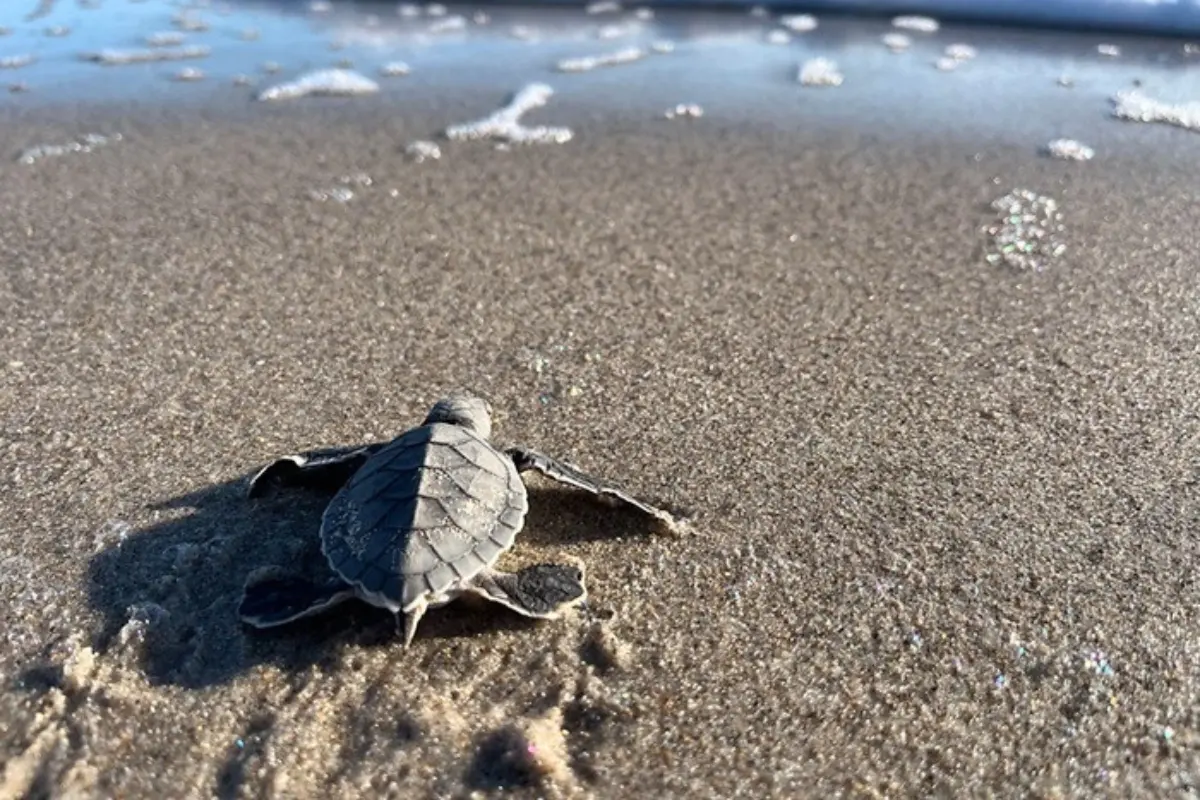
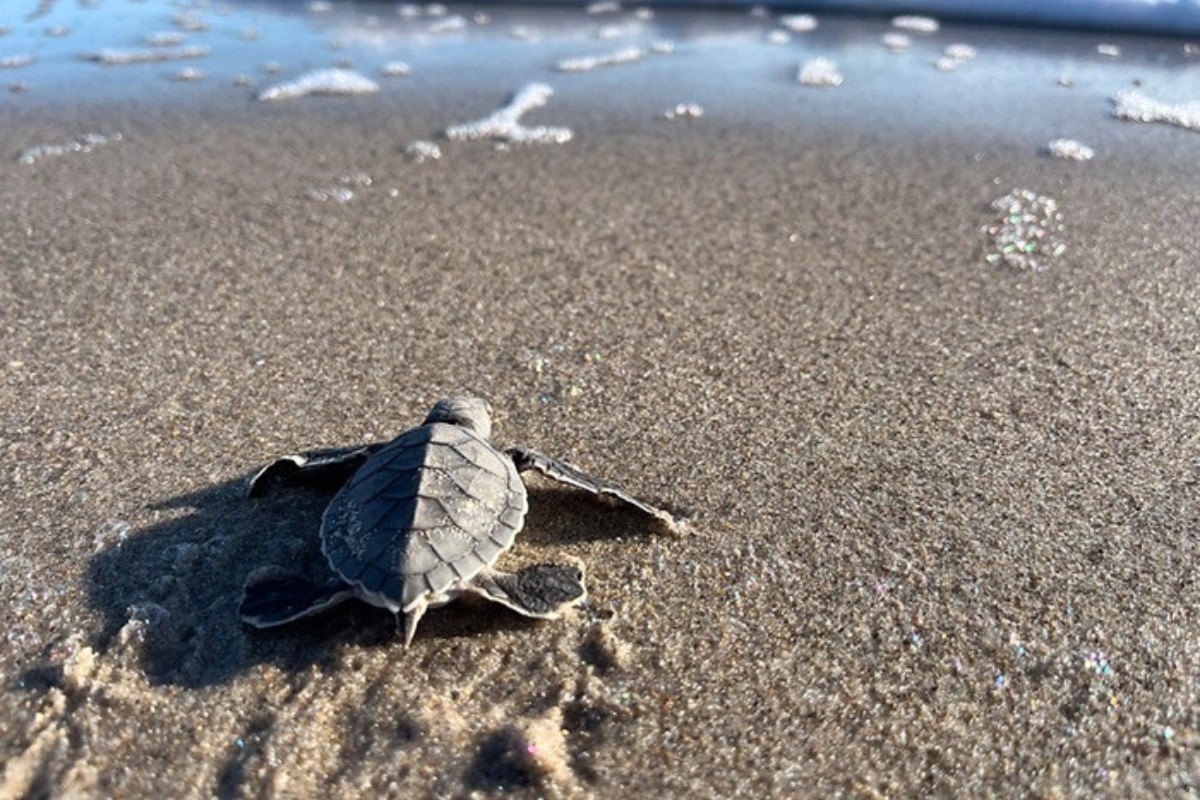
While the primary egg-laying period for adult female sea turtles typically peaks during the mid-summer months, late summer and early autumn mark the critical phase of hatchling emergence. Thousands of sea turtle nests beneath the sand are currently hatching, with tiny marine turtles making their perilous nocturnal crawl toward the ocean horizon. Simultaneously, flightless shorebird chicks continue to rely on coastal habitats for camouflage, feeding, and parental protection.
The convergence of high-density human recreational activity and vulnerable wildlife populations creates a high-stakes scenario for coastal conservationists. Disorientation caused by artificial beachfront lighting, physical obstructions left on beaches, unsecured trash, and domestic pet interactions represent severe threats to hatchling survival and avian fledging success. State biologists stress that public cooperation is not merely a courtesy, but a legal and ecological necessity to ensure the survival of several threatened and endangered species.
Detailed Chronology of the Florida Nesting Lifecycle
Florida serves as one of the most significant nesting arenas in the Western Hemisphere for several species of marine turtles and coastal waterbirds. Understanding the strict seasonal timeline of these species highlights why late-season coastal precautions are vital to long-term population recovery.
+-----------------------------------------------------------------------------------+
|                            FLORIDA COASTAL NESTING TIMELINE                       |
+-----------------------------------------------------------------------------------+
| MONTH     | SEA TURTLES (Loggerhead, Green, Leatherback)| BEACH-NESTING SHOREBIRDS|
+-----------+---------------------------------------------+-------------------------+
| March     | Leatherback nesting initiates (Atlantic)    | Avian courtship begins  |
| April     | Early Loggerhead arrivals                   | Territory & nest setup  |
| May       | Official Turtle Nesting Season Begins (May 1)| Egg laying & incubation |
| June      | Peak Loggerhead nesting across state        | Chicks hatch; flightless|
| July      | Peak Green turtle nesting; early hatches    | Fledging period starts  |
| August    | Nesting slows; Hatchling emergence PEAKS    | Late fledglings on beach|
| September | High hatchling volume; nest excavations     | Migratory staging       |
| October   | Hatching continues; late-season emergence   | Seasonal departure      |
| November  | Official Season Ends (Nov 31)               | Post-nesting dispersal  |
+-----------------------------------------------------------------------------------+
Phase I: Arrival and Nesting Initiation (March–May)
The coastal lifecycle begins in early spring. Leatherback turtles (Dermochelys coriacea) are the first to arrive on Florida’s Atlantic beaches, often initiating nests as early as March. By May 1—the official start of Florida’s sea turtle nesting season—Loggerhead (Caretta caretta) and Green sea turtles (Chelonia mydas) begin emerging from the surf under the cover of darkness to excavate deep nests in the dunes.
Concurrently, beach-nesting shorebirds, including Least Terns, Snowy Plovers, Black Skimmers, and American Oystercatchers, establish ground territories along dry, sandy stretches, laying heavily camouflaged eggs directly on the open sand or gravel shells.
Phase II: Peak Incubation and Avian Hatching (June–July)
Mid-summer represents the height of egg production. Female sea turtles lay multiple clutches per season, with each nest containing an average of 100 to 120 eggs. The incubation period lasts approximately 45 to 60 days, during which the temperature of the sand dictates the biological sex of the hatchlings—warmer sands produce predominantly female turtles, while cooler sands yield males. During this phase, shorebird eggs begin hatching, introducing vulnerable, flightless chicks to high-traffic intertidal zones.
Phase III: The Emergence and Fledging Surge (August–November)
From late summer through late autumn, the focus shifts from nesting adults to emerging offspring. Hatchlings break out of their shells collectively—a phenomenon known as "boiling"—and dig their way to the surface, typically at night when ambient temperatures drop.
Concurrently, late-nesting shorebirds and young chicks remain on the shore, learning to forage while building the wing strength required for flight. It is during this crucial period that human disturbances—particularly artificial lights and left-behind beach gear—pose their greatest hazard to young wildlife.
Supporting Context & Metrics: Ecological Dynamics and Key Threats
To evaluate the impact of human presence on coastal fauna, wildlife managers look at biological indices, survival statistics, and documented threats across Florida’s coastal ecosystems.
Sea Turtle Species Profile & Nesting Metrics
Florida’s beaches accommodate three primary sea turtle species, each holding distinct ecological status under federal and state conservation laws:
- Loggerhead Turtle (Caretta caretta): Listed as Threatened. Florida hosts one of the two largest Loggerhead nesting aggregations in the world, accounting for over 80% of all loggerhead nesting in the United States.
- Green Sea Turtle (Chelonia mydas): Listed as Threatened. Florida’s Green turtle population has experienced a historic recovery over the past three decades due to protection measures, though high inter-annual nesting volatility remains common.
- Leatherback Turtle (Dermochelys coriacea): Listed as Endangered. The largest of all living turtles, Leatherbacks nest in smaller numbers, primarily along Florida’s southeastern Atlantic coastline (Palm Beach, Martin, and St. Lucie counties).
Statewide monitoring programs, coordinated by the FWC in partnership with hundreds of permitted survey teams, track thousands of kilometers of beach annually. While adult nesting counts have shown resilient trends for certain species over recent decades, hatchling survival rates remain alarmingly low: an estimated 1 in 1,000 to 1 in 10,000 hatchlings reaches adulthood.

    ESTIMATED HATCHLING SURVIVAL FUNNEL
    ===================================
    [ 1,000 Eggs Laid in Dune Nests ]
                   |
                   v  (Incubation loss: inundation, heat, erosion)
       [ 800 Hatchlings Emerge ]
                   |
                   v  (Terrestrial threats: artificial lights, predators, debris)
        [ 400 Reach Ocean Surf ]
                   |
                   v  (Nearshore predation: fish, birds, marine plastics)
         [ 100 Reach Sargassum Sea ]
                   |
                   v  (Pelagic challenges: fishing gear, ocean pollution)
           [ 1 Survives to Adulthood ]
Critical Environmental Hazards
+------------------------------------------------------------------------------------+
|                         PRIMARY COASTAL THREAT VECTOR MATRIX                       |
+------------------------------------------------------------------------------------+
| Threat Factor         | Impact on Sea Turtles         | Impact on Shorebirds       |
+-----------------------+-------------------------------+----------------------------+
| Artificial Lighting   | Causes severe disorientation; | Alters nocturnal behavior; |
|                       | leads hatchlings away from    | increases vulnerability to |
|                       | sea toward roads/buildings.   | nocturnal predators.       |
+-----------------------+-------------------------------+----------------------------+
| Beach Obstructions    | Traps emerging hatchlings and | Blocks chick movement;     |
| (Chairs, Tents, Holes)| nesting adults; causes fatal  | traps flightless chicks in |
|                       | dehydration and exhaustion.   | deep sand trenches.        |
+-----------------------+-------------------------------+----------------------------+
| Domestic Pets         | Unearths nests; attacks or    | Flushes adult birds off    |
| (Unleashed Dogs)      | crushes emerging hatchlings.  | nests; crushes cryptically |
|                       |                               | colored eggs/chicks.       |
+-----------------------+-------------------------------+----------------------------+
| Coastal Food Debris   | Lures meso-predators          | Lures meso-predators       |
|                       | (raccoons, crows, coyotes)    | that target eggs and naive |
|                       | directly to nesting dunes.    | shorebird nestlings.       |
+-----------------------+-------------------------------+----------------------------+
Photopollution and Disorientation
Sea turtle hatchlings rely on natural visual cues to navigate from their nest to the ocean. Under natural conditions, the brightest horizon is the night sky reflecting off the open ocean water. Artificial lighting from beachfront condominiums, streetlights, commercial properties, and handheld flashlights overrides this instinct.
Disoriented hatchlings frequently crawl inland toward artificial light sources, where they die from exhaustion, desiccation, vehicle strikes on roadways, or predation by wading birds and crabs.
Physical Obstructions and Topographical Hazards
Items left on the beach overnight—including pop-up canopy tents, beach chairs, umbrellas, towels, and plastic toys—form impassable barriers for both nesting adults and emerging hatchlings. Furthermore, deep holes dug by beachgoers act as deadly traps.
Hatchlings that fall into unfilled holes cannot climb out and succumb to heat exhaustion as daytime temperatures rise, while heavy beach equipment can crush underlying nests.
Shorebird Disturbance Mechanisms
Beach-nesting shorebirds employ camouflage rather than structural nests to protect their young. Eggs and chicks are the color of dry sand and broken shells, making them virtually invisible to the untrained human eye.
When humans, vehicles, or unleashed dogs approach a nesting area, adult birds flush from their nests in defense. This leaves eggs and chicks exposed to scorching sun temperatures—which can kill an embryo in minutes—and vulnerable to opportunistic predators like gulls and crows.

Official Statements and Actionable Directives
The Florida Fish and Wildlife Conservation Commission has issued explicit compliance guidelines for coastal communities, landowners, and recreational beachgoers. Wildlife biologists stress that small individual actions collectively determine the success of the entire seasonal hatch.
Key Guidelines from FWC Conservation Authorities
-
Keep the Beaches Dark ("Lights Out"):
- Turn off, shield, or redirect all beachfront artificial lights after dark during nesting season.
- Use sea turtle-friendly fixtures emitting long-wavelength light (amber or red LEDs) mounted low to the ground if safety lighting is required near beachfront structures.
- Close drapes and blinds in beachfront residences after sunset to prevent indoor light from spilling onto the sand.
- Avoid using white flashlights, cell phone lights, or flash photography on the beach at night.
-
Leave No Trace:
- Remove all personal belongings—including chairs, umbrellas, tents, and trash—from the beach before sunset.
- Flatten sandcastles and completely fill any holes dug during the day to restore the natural beach profile.
- Properly dispose of all trash in wildlife-proof receptacles. Food scraps attract opportunistic predators like raccoons, crows, and coyotes directly to vulnerable nest sites.
-
Give Wildlife Space:
- Maintain a respectful distance from any sea turtle, hatchling, or shorebird encountered on the shore.
- Never touch, pickup, or assist a hatchling crawling toward the ocean unless explicitly instructed by a permitted FWC official. Intervening can disrupt the imprint process necessary for the turtle to return to the same beach as an adult.
- Respect posted signs demarcating active shorebird colonies or sea turtle nests, staying outside fenced or flagged perimeter zones.
-
Manage Domestic Pets Responsibly:
- Keep dogs on leashes at all times and restrict them to designated dog-friendly beaches.
- Prevent dogs from digging in dunes or chasing coastal birds, which drains critical energy reserves needed by young chicks for survival and migration.
       [ RECREATIONAL BEACH BEST PRACTICES ]

   DAYTIME ACTIVITIES               NIGHTTIME RULES
   ------------------               ---------------
   * Fill in dug holes              * Lights off / Use amber light
   * Pack out all equipment         * No flash photography
   * Keep dogs on leash             * Give emerging turtles space
   * Stay clear of dune markers     * Keep blinds drawn inland
Future Outlook: Policy Horizons and Coastal Stewardship
Protecting Florida’s marine species requires long-term policy strategies and technological integration alongside public education initiatives. As Florida’s permanent population grows and coastal tourism expands, state and municipal entities are implementing proactive infrastructure changes to balance economic activity with biological preservation.

Coastal Infrastructure and Ordinance Enforcement
Across Florida, coastal counties and municipalities are updating local beach lighting ordinances. Modern regulations mandate the installation of wildlife-friendly lighting fixtures for new developments and retrofits for existing structures visible from the beach. Cities like Sanibel, Boca Raton, and Pensacola Beach serve as models for light management, leveraging code enforcement officers to conduct night patrols and issue citations for non-compliant lighting during nesting months.
   TRADITIONAL LIGHTING                   SEA TURTLE-FRIENDLY LIGHTING
   --------------------                   ----------------------------
   * Short wavelength (White/Blue)        * Long wavelength (Amber/Red)
   * Unshielded bulbs                     * Fully shielded / Directed downward
   * High elevation mounts                * Mounted low to ground
   * Widespread light spill               * Zero light spill on dune/beach
Climate Adaptation and Habitat Resilience
Coastal engineers and marine scientists are focusing on the broader impacts of climate change on nesting habitats. Rising sea levels, intensified storm surges, and beach erosion pose growing threats to dune integrity.
Beach nourishment projects—which add sand to eroded shorelines—are now subject to strict environmental windows and sand-quality standards to ensure the imported grain size and color match natural conditions, preventing nest compaction or altered nest temperatures.
Citizen Science and Volunteer Networks
The backbone of Florida’s wildlife protection network remains its extensive volunteer base. Thousands of certified volunteers participate in daily morning beach surveys from May through November, marking new nests, monitoring hatchling success rates, and recording disorientations. Organizations working under FWC permits spend hundreds of thousands of hours annually ensuring that nests are inventoried and protected from human encroachment.
Through educational outreach, structural policy updates, and active public participation, environmental managers aim to secure a resilient future for Florida’s coastal biodiversity—ensuring that upcoming generations of sea turtles and shorebirds continue to flourish along the state’s beaches.
Official Resources and Educational Materials
For additional details on sea turtle conservation, shorebird management, or to report a sick, injured, or disoriented animal, contact the FWC Wildlife Alert Hotline or access official publications:
- Sea Turtle Programs & Guidance: MyFWC.com/SeaTurtle
- Beach Hero Informational Brochure: FWC "Be a Beach Hero" Guide
- Shorebird Conservation Directives: MyFWC.com/Shorebirds
- FWC Wildlife Alert Hotline: 1-888-404-FWCC (3922)

0 Comments