

Executive Overview
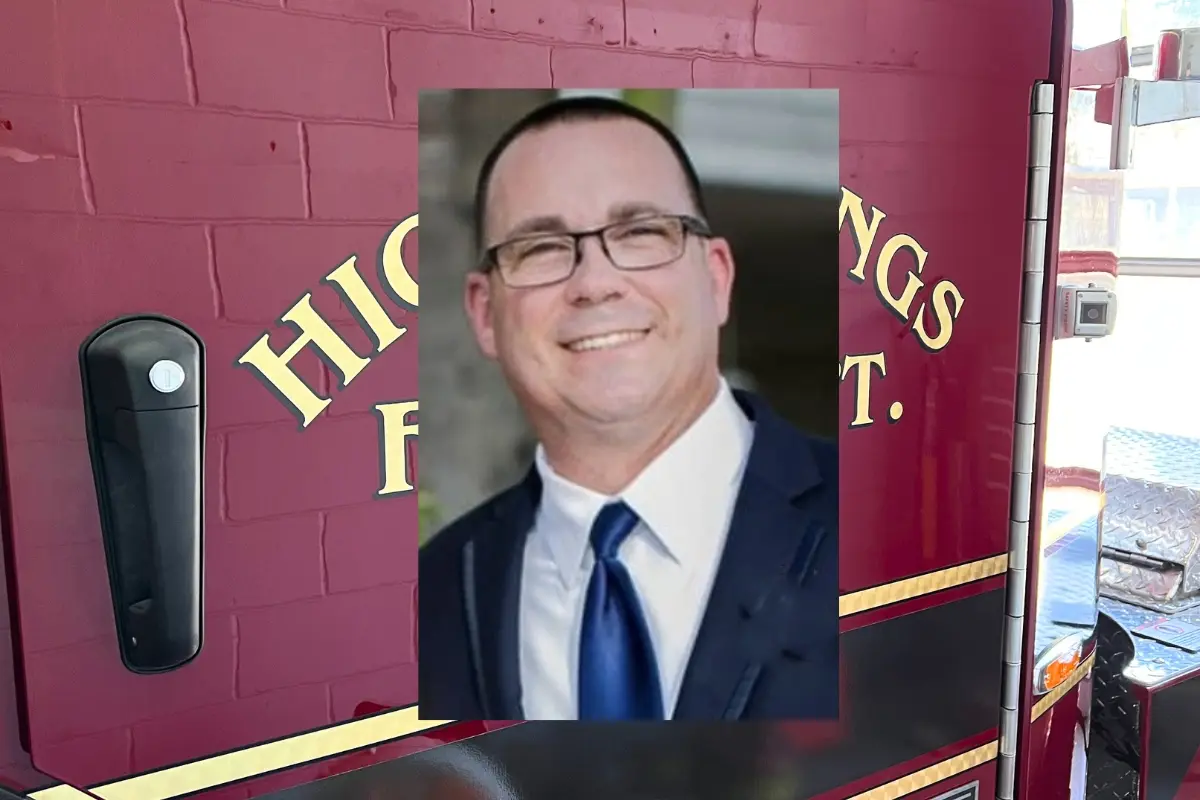
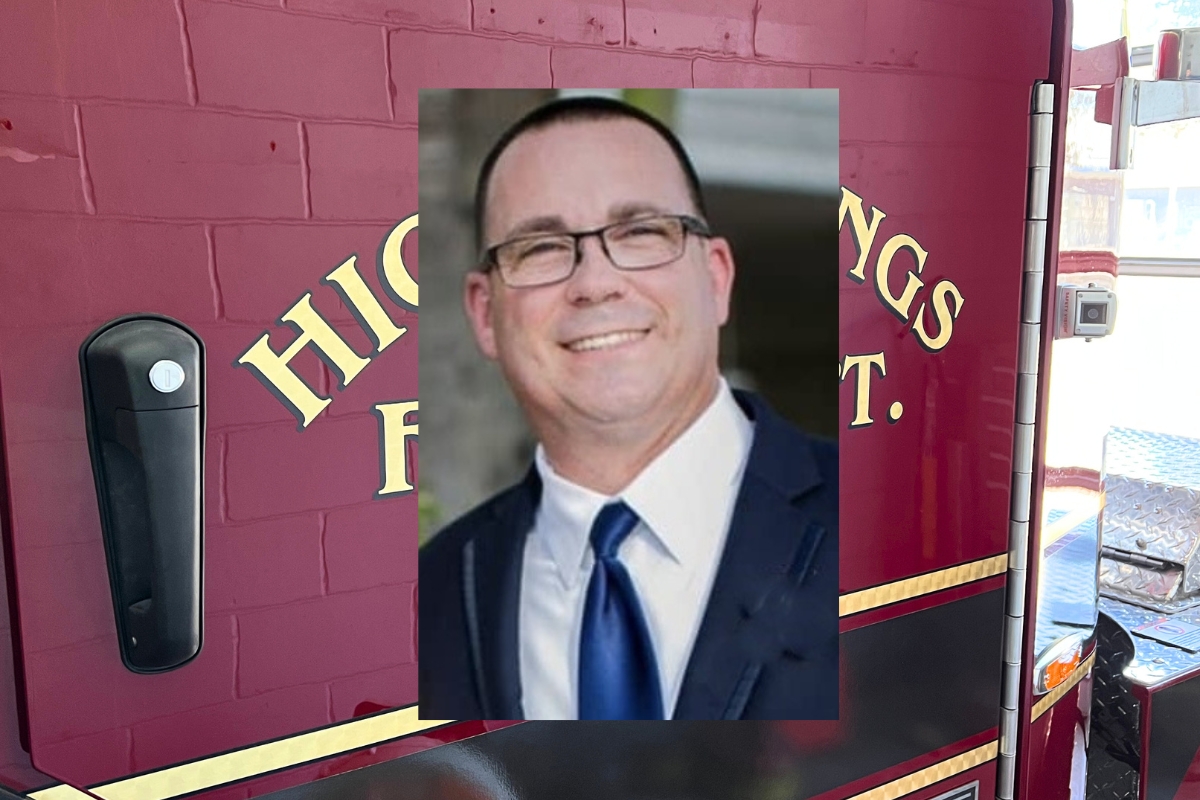
The city of High Springs, Florida, stands at a critical administrative and operational juncture following the decision of Fire Chief Joseph Peters to transition from his full-time leadership role to a part-time arrangement. This structural shift, which quietly took effect in July, comes amid severe departmental staffing shortages and a broader wave of leadership turnover within High Springs municipal government. Chief Peters’ transition is structured as a temporary bridge, intended to maintain operational continuity within the High Springs Fire Department (HSFD) while city officials work to fill the vacant full-time City Manager position.
The leadership transition underscores systemic challenges confronting the municipality’s public safety infrastructure. While Peters continues to balance his supervisory responsibilities with front-line clinical duties as a paramedic—alongside his full-time position as a captain for Suwannee County Fire Rescue—the municipal fire department faces ongoing retention headwinds and budget constraints. Recent city commission proceedings have laid bare deep concern among local officials regarding the long-term viability of maintaining an independent municipal fire department. With key municipal leadership roles currently filled by interim personnel, the city must navigate a complex sequence of executive hiring, administrative stabilization, and workforce reconstruction to prevent further operational degradation.
Detailed Chronology of Leadership and Organizational Shifts
The current operational restructuring within High Springs public safety and executive administration is the result of a sequence of fiscal debates, personnel reassignments, and executive departures unfolding across 2024.
+-----------------------------------------------------------------------------------+
|                            2024 TIMELINE OF EVENTS                                |
+-----------------------+-----------------------------------------------------------+
| Early 2024            | Joseph Peters appointed as High Springs Fire Chief        |
+-----------------------+-----------------------------------------------------------+
| June 2024             | City hires Leslie Moyer as new Finance Director           |
+-----------------------+-----------------------------------------------------------+
| July 5, 2024          | Chief Peters transitions from full-time to part-time status|
+-----------------------+-----------------------------------------------------------+
| August 2024           | HSFD achieves record-low ISO Public Protection Rating     |
+-----------------------+-----------------------------------------------------------+
| Recent Commission Mtg | Termination of City Manager Jeremy Marshall finalized;   |
|                       | Parks & Rec Director Jennifer Applebee named Interim Mgr  |
+-----------------------+-----------------------------------------------------------+
Executive Transition and Dual-Employment Logistics
Joseph Peters assumed the role of High Springs Fire Chief in early 2024, taking charge of a department confronting both budgetary scrutiny and operational demands. Recognizing the growing administrative and financial pressures facing the municipality, Peters initiated a structured transition on July 5, stepping down from his full-time appointment to assume a part-time capacity.
This decision was designed to accommodate Peters’ concurrent full-time employment as a captain with Suwannee County Fire Rescue. To manage the dual commitments, Peters leverages the 48/96 shift schedule utilized by Suwannee County—an arrangement in which firefighters work 48 consecutive hours followed by 96 hours off duty. During his off-duty blocks from Suwannee County, Peters executes administrative duties for High Springs and directly supplements operational shifts, filling 12-hour and 24-hour gaps as a supervisory officer and paramedic.
Administrative Restructuring at City Hall
The shifts within the fire department coincide with significant instability in High Springs’ top-level municipal governance. During a recent regular City Commission meeting, public inquiries during open comment period brought Chief Peters’ modified employment status to light, prompting officials to outline the broader sequence of administrative changes currently underway:
- City Manager Termination: The City Commission finalized the termination of former City Manager Jeremy Marshall, executing a $15,000 severance settlement agreement.
- Interim Governance: Following Marshall’s departure, Parks and Recreation Director Jennifer Applebee was appointed to serve as Interim City Manager, tasked with maintaining daily municipal administrative functions.
- Financial Oversight: In June, the city brought on Leslie Moyer as Finance Director, filling a key position required to address municipal budget constraints and stabilize fiscal planning.
City governance protocol dictates that a permanent full-time Fire Chief cannot be recruited until a permanent City Manager is selected and seated. Consequently, Chief Peters’ part-time arrangement remains the active bridge holding HSFD’s executive management intact.
Supporting Context & Metrics
The Historic ISO Rating Milestone
Despite severe staffing deficits and administrative uncertainty, the High Springs Fire Department achieved a major technical milestone under Peters’ stewardship. In August 2024, the department secured its lowest-ever Insurance Services Office (ISO) Public Protection Classification (PPC) rating.
+-----------------------------------------------------------------------------------+
|                        ISO PUBLIC PROTECTION RATING IMPACT                        |
+-----------------------+-----------------------------------------------------------+
| Rating Scale          | Class 1 (Exemplary) to Class 10 (Does not meet minimums)  |
+-----------------------+-----------------------------------------------------------+
| HSFD 2024 Metric      | Achieved lowest (best) ISO rating in department history   |
+-----------------------+-----------------------------------------------------------+
| Fiscal Significance   | Directly influences commercial and residential property   |
|                       | insurance underwriting and premium structures             |
+-----------------------+-----------------------------------------------------------+
| Key ISO Audit Factors | 1. Emergency Communications & Dispatch Systems            |
|                       | 2. Fire Department Equipment, Staffing, & Training        |
|                       | 3. Municipal Water Supply Infrastructure & Pressure       |
+-----------------------+-----------------------------------------------------------+
The ISO classification system evaluates municipal fire suppression capabilities on a scale from 1 to 10, where a Class 1 rating represents exemplary protection and Class 10 indicates that a department does not meet minimum protection criteria. The ISO evaluation measures three primary components:
- Emergency Communications: Fire alarm, dispatch, and communication infrastructure (10% of total score).
- Fire Department Infrastructure: Equipment, staffing levels, officer training, and geographic distribution of stations (50% of total score).
- Water Supply: Availability, volume, and maintenance of pressure across municipal hydrants (40% of total score).
Achieving a historical low rating reflects measurable improvements in operational readiness, response protocols, and resource management. For local residents and commercial property owners, a superior ISO rating directly correlates with reduced property insurance premiums, making the achievement both a public safety success and an economic benefit for High Springs.
Staffing Deficits and Operational Burnout
Despite improvements in technical capability, the department’s day-to-day operations are heavily impacted by personnel shortfalls. A sustained pattern of vacancies has forced remaining full-time and part-time personnel to absorb substantial overtime, working back-to-back shifts to keep apparatus staffed and response times within safe limits.
+-----------------------------------------------------------------------------------+
|                      HIGH SPRINGS FIRE DEPARTMENT: SYSTEM PRESSURES               |
+-----------------------------------------------------------------------------------+
|  [Staffing Shortages] ---> [Excessive Overtime Burden] ---> [Personnel Fatigue]   |
|                                                                    |              |
|                                                                    v              |
|  [Budget Instability] <--- [Risk of Service Consolidation] <--- [Operational Strain]
+-----------------------------------------------------------------------------------+
The physical and psychological toll of maintaining continuous service coverage under these conditions presents significant challenges. Firefighters and emergency medical personnel are consistently working at maximum capacity to prevent service gaps, a scenario that city officials acknowledge is unsustainable over the long term.
Official Statements
Departmental Spokesperson Perspective
High Springs spokesperson Kevin Mangan addressed the context surrounding Chief Peters’ transition and the current working conditions within the department, confirming that operations continue without disruption despite severe resource limits:
"This too shall pass. The people that remain with the High Springs Fire Department, they’re burning the candle at both ends because they’re serving the city they love and the city loves them back."
Mangan noted that Chief Peters’ willingness to adjust his employment arrangement provided the city with flexibility during a complicated administrative transition. By maintaining a presence on active emergency responses and stepping in as a paramedic during high-demand hours, Peters has kept leadership integrated into daily ground operations.
City Commission Warnings
City leadership has expressed direct concern regarding the structural stability of the emergency services framework. Commissioner Tristan Grunder articulated the urgency of the crisis, noting that persistent staffing shortages threaten the long-term viability of an independent municipal fire department:
"We need to get some stabilization over there. It’s imploding. If we keep down the path we’re going, we will not be able to have a fire department."
Grunder confirmed that the city’s ultimate objective is to recruit a full-time, permanent Fire Chief, but emphasized that municipal protocol requires resolving the chief executive vacancy at City Hall first. While expressing confidence that interim leadership possesses the necessary skills to navigate the current environment, Grunder highlighted that failing to reverse staffing losses could force the city to evaluate drastic alternatives, including potential regional consolidation or contracting emergency services out to Alachua County.
Future Outlook
The immediate future of the High Springs Fire Department depends on the execution of a multi-tiered administrative recovery plan. Municipal leadership must navigate a sequential chain of personnel decisions before long-term structural stability can be restored.
+-----------------------------------------------------------------------------------+
|                        MUNICIPAL STABILIZATION ROADMAP                            |
+-----------------------------------------------------------------------------------+
|  STEP 1: Complete Executive Search & Appoint Permanent City Manager               |
|    |                                                                              |
|    v                                                                              |
|  STEP 2: Empower City Manager to Authorize & Launch Full-Time Fire Chief Search   |
|    |                                                                              |
|    v                                                                              |
|  STEP 3: Execute Targeted Recruitment & Retention Strategy for Line Firefighters  |
|    |                                                                              |
|    v                                                                              |
|  STEP 4: Stabilize Departmental Budget & Secure Long-Term Operational Independence|
+-----------------------------------------------------------------------------------+
Strategic Priorities for Recovery
- Selection of Permanent City Manager: Interim City Manager Jennifer Applebee and the City Commission must establish a clear timeline for recruiting a permanent chief executive. Securing full-time administrative leadership is necessary to proceed with high-level department head hires.
- Executive Fire Recruitment: Once seated, the permanent City Manager will need to launch a targeted search for a full-time Fire Chief capable of maintaining the operational improvements initiated under Peters while managing long-term workforce planning.
- Workforce Stabilization and Retention: To relieve line personnel who are currently "burning the candle at both ends," the city must deploy targeted hiring incentives and competitive compensation structures to fill vacant firefighter and paramedic slots, mitigating burnout and reducing overtime expenditures.
- Fiscal Rebalancing: With Finance Director Leslie Moyer overseeing municipal accounts, the city must construct a sustainable funding plan for public safety. This plan must balance the capital costs of emergency equipment maintenance with personnel budgets, safeguarding the low ISO rating that directly benefits local taxpayers.
If High Springs successfully completes these administrative objectives, the fire department can resolve its immediate staffing crisis and maintain its status as an independent municipal agency. However, if administrative delays persist and personnel losses continue, city commissioners will face increasing pressure to consider structural alternatives to ensure continuous public safety coverage for the community.

0 Comments