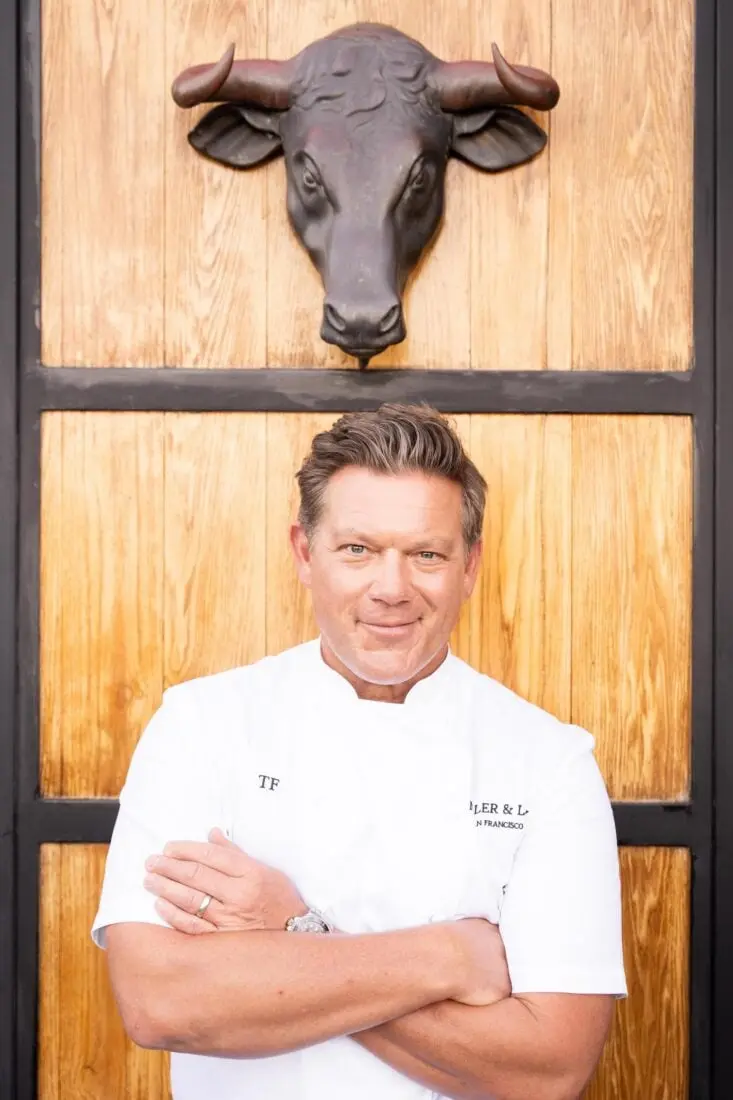
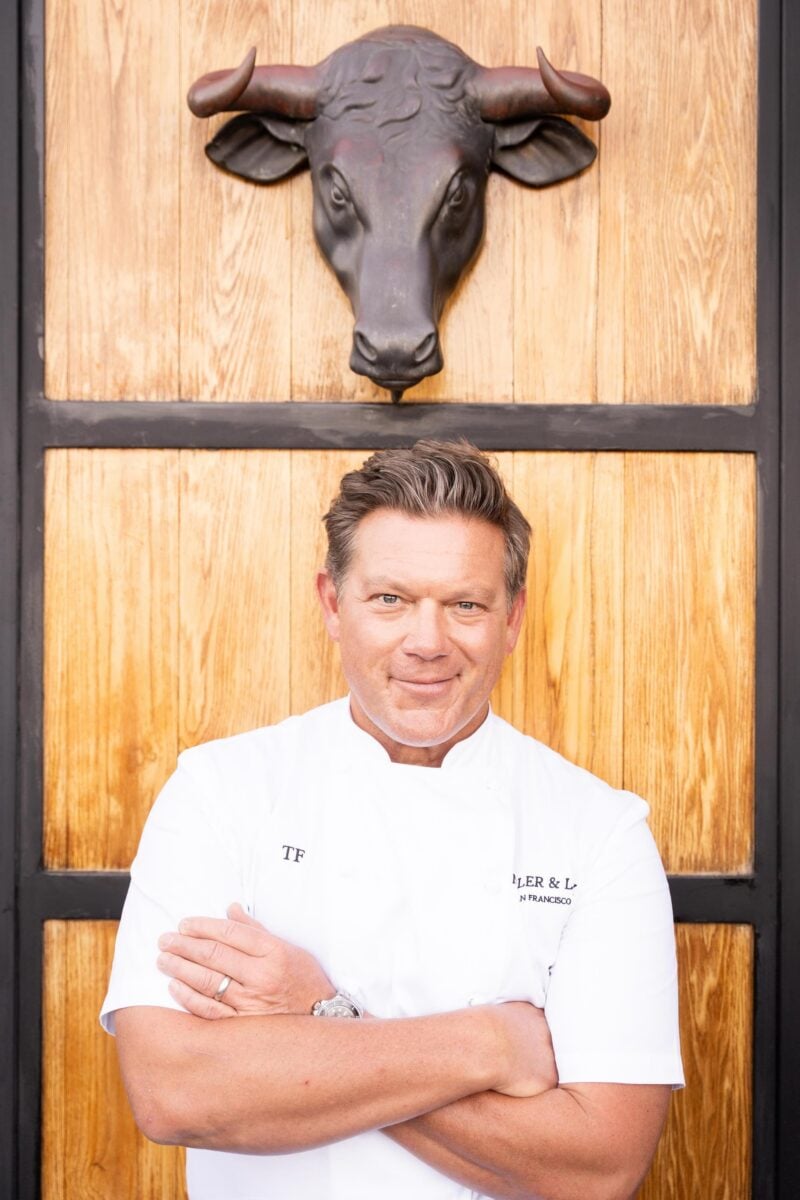
For nearly two decades, the mobile culinary landscape of the United States has undergone a quiet yet seismic revolution. Once dismissed as makeshift roadside pitstops or late-night concessions, food trucks have evolved into incubators of culinary innovation, economic mobility, and boundary-pushing gastronomy. At the vanguard of this cultural shift stands chef, restaurateur, and media personality Tyler Florence.
Raised in Greenville, South Carolina, and honed in the rigorous kitchens of Charleston’s Johnson & Wales University before heading west to helm San Francisco’s renowned Wayfare Tavern, Florence has spent a significant portion of his career exploring the American palate. However, his most enduring cultural imprint may well be his tenure as the host and executive presence behind the Food Network’s long-running hit, The Great Food Truck Race.
As the show wrapped its milestone nineteenth season—culminating in a high-stakes, sweat-inducing finale at Louisville’s historic Churchill Downs—Florence paused to reflect on a journey that has spanned the backroads, urban cores, and unexpected culinary landmarks of America. In a wide-ranging interview with Garden & Gun contributing editor Steve Russell, Florence discussed the rigors of filming across a sweltering southern summer, the standout mobile culinary concepts that dominated Season 19, his accidental historical pilgrimage to the birthplace of American fast food, and how the resilient, scrappy ecosystem of food trucks continues to influence fine dining establishments nationwide.
With over 67,000 active food trucks now populating the American culinary grid, Florence points to the medium not merely as a television format, but as a foundational pillar of modern street-food culture—one that he proudly helped bring into the mainstream.
Detailed Chronology: From Nashville to Louisville on Season 19
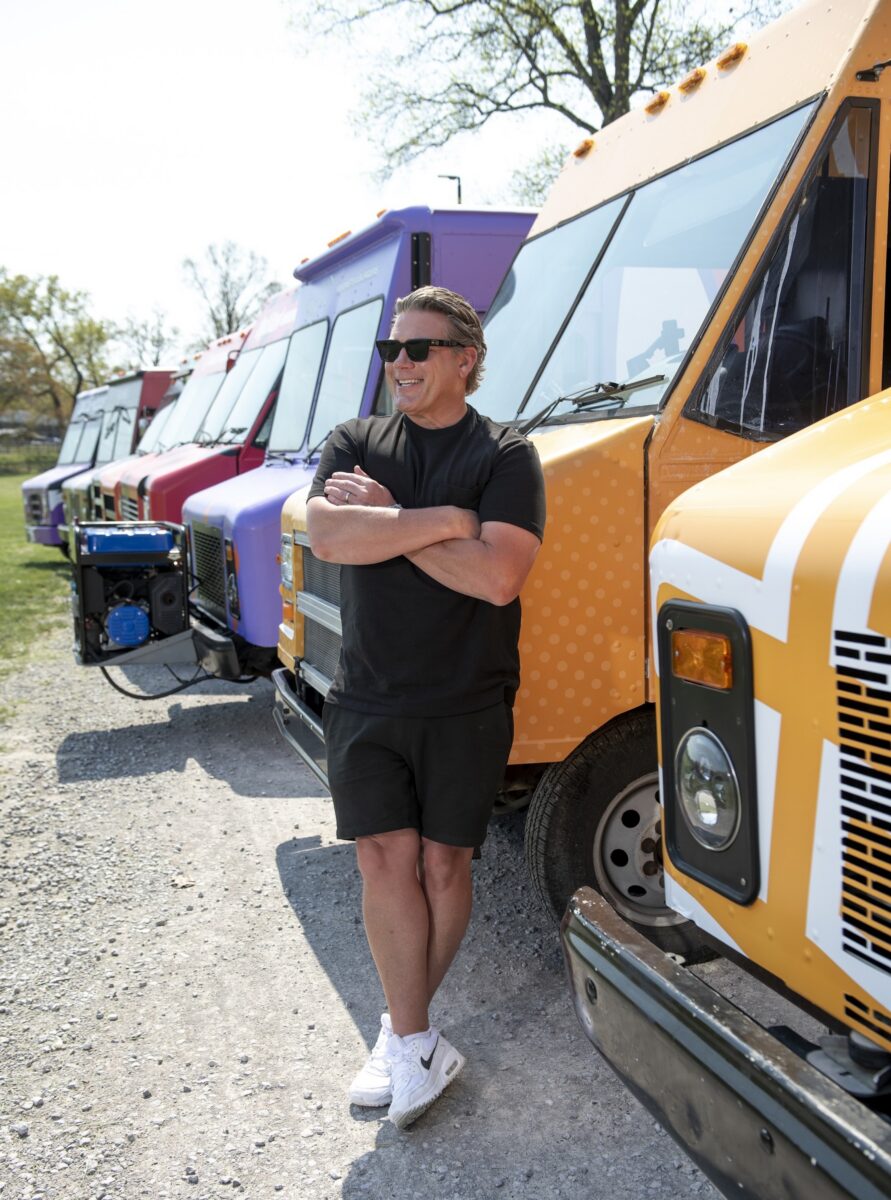
Season 19 of The Great Food Truck Race proved to be an exercise in endurance, adaptability, and deep-rooted regional appreciation. Kicking off amidst the humid, high-energy environment of early summer in Nashville, Tennessee, the production trajectory moved deliberately through the heart of the South, testing mobile culinary teams against both the clock and the mercurial regional climate.
The itinerary pushed the competing trucks onward to Knoxville, where contestants engaged in high-intensity cook-offs before looping back toward Kentucky, stopping in cities like Corbin and Franklin, and ultimately setting the stage for the dramatic finale at Churchill Downs in Louisville, which aired on September 6.
For Florence, who shares deep professional and personal roots in the South, the route was as much a homecoming as it was a professional assignment. Yet, the geographical sweep brought unique environmental trials. Unlike controlled, air-conditioned studio kitchens, the production existed entirely at the mercy of the elements.
"It was so hot. We’re not in an air-conditioned studio, we’re always outdoors, and we started shooting in early summer," Florence noted, recalling days spent dodging daily rainstorms and managing oppressive humidity. For the veteran host, the chaotic weather simply underscored the grit required of anyone attempting to run a mobile kitchen operation.
The Southern Standouts
Despite the grueling conditions, Season 19 highlighted the exceptional caliber of regional talent entering the mobile food arena. Out of a diverse roster representing regions as far away as Hawaii, two distinct Southern-based family operations managed to punch their ticket into the final three:
Cason Funnel Cakes (Richmond, Virginia): Earning praise from Florence for understanding how to elevate a classic fairground staple, this team modernized the traditional funnel cake. By refining flavor profiles and presentation, they transformed a nostalgic sweet treat into a sensory experience that, as Florence described it, "smells good from down the street."
Stuph’D (New Orleans, Louisiana): Tapping into the rich culinary heritage of the Crescent City, this family-run enterprise brought a masterclass in scratch-made, fried-to-order beignets. Rather than relying exclusively on traditional powdered-sugar preparations, Stuph’D introduced savory iterations featuring complex, gourmet fillings such as spiced sausage and fresh shrimp.
Local Ingredients and Creative Constraints
A hallmark of The Great Food Truck Race is its insistence on forcing mobile chefs to adapt to local agricultural and culinary economies on short notice. Throughout Season 19, contestants were thrown demanding curveballs:
Fresh Blackberries: Teams had to incorporate tart, freshly harvested regional berries into savory or sweet dishes, testing their ability to balance high acidity and natural sugars under pressure.
Kentucky Beer Cheese: A beloved regional spread that presented a distinct structural challenge for trucks attempting to utilize its sharp, dairy-forward profile in portable street-food formats.
Tennessee Whiskey: During a high-stakes sales challenge at Leiper’s Fork Distillery in Franklin, Tennessee, contestants were tasked with weaving local spirits into their menus—a nod to the region’s rich distilling heritage. (An experience commemorated for Florence by a signed bottle that currently holds a prominent place in his office).
Supporting Context & Metrics: The Evolution of American Street Food
To understand Tyler Florence’s assessment of his own legacy, one must examine the macroeconomic and cultural shifts that have transformed the American street-food landscape over the last two decades.
When The Great Food Truck Race first debuted on television, the modern food truck movement was largely concentrated in a handful of coastal metropolitan hubs like Los Angeles, New York, and Austin. It was viewed by many traditional restaurateurs as a low-overhead, experimental novelty. Over the course of nineteen seasons, however, the industry has undergone professionalization, corporate investment, and municipal integration.
Metric / Indicator
Historical Context (Early 2000s)
Current Landscape (2026)
Active Food Trucks in the U.S.
Estimated under 5,000 nationwide
Over 67,000 active, licensed units
Culinary Perception
Concession stands / late-night snacks
Incubators for fine-dining concepts
Financing & Operations
Sole proprietorships / cash-only
POS integration, fleets, and franchise models
Media Representation
Niche cable segments
Prime-time competition formats
Florence does not shy away from taking credit for accelerating this acceptance. "There are now 67,000 active food trucks in America, and we helped grow that fan base," Florence reflects. "Twenty years in, America has developed a legitimate street-food culture. My biggest impact on the food world has been through this."
Beyond the numbers, the medium has served as an egalitarian equalizer in the culinary world. By lowering the initial capital barrier compared to brick-and-mortar operations—while simultaneously demanding high operational efficiency—food trucks have enabled family-run businesses, immigrant entrepreneurs, and classically trained chefs alike to test unproven concepts directly with the consumer.
Official Insights & Notable Encounters
While the contestants bore the brunt of the physical competition, Florence’s journey across the Southern circuit yielded its own memorable culinary and cultural discoveries.
A Wood-Fire Revelation in Knoxville
Amidst the hectic judging schedule, Florence managed to experience some of the finest brick-and-mortar hospitality the region had to offer. Highlighting Knoxville’s vibrant dining scene, he singled out J.C. Holdway, the acclaimed wood-fire Appalachian restaurant, praising a meal where virtually the entire menu was sampled and found to be "spectacular." His time in Knoxville also included throwing out the ceremonial first pitch at a University of Tennessee baseball game and visiting the university’s renowned student-run campus creamery.
The Accidental Pilgrimage to Fast-Food History
Perhaps one of the most whimsical moments of the season occurred off-camera in Corbin, Kentucky. While navigating local roads in search of regional barbecue, Florence experienced a sudden realization behind the wheel:
"I was driving and driving, trying to track down this barbecue place, and slammed on my brakes when I realized I’d just passed the birthplace of the first Kentucky Fried Chicken location from the 1930s. There’s a museum there with memorabilia and videos of Harland Sanders, and a contemporary KFC attached to it. That was really fun and amazing."
Honoring Dollywood and Dolly Parton
Season 19 also brought production to the rolling hills of East Tennessee for an unforgettable episode shot at Dollywood, an experience that took on poignant significance following the recent passing of cultural icon Dolly Parton. Reflecting on the visit—his first, despite his mother holding season tickets for years—Florence expressed deep admiration for the park and its staff: "I’m actually really proud of that. Everybody there couldn’t have been kinder. They were so lovely to work with."
Future Outlook: Translating Street-Food Scrappiness to Fine Dining
For a chef whose resume includes high-end fine dining and prominent restaurant groups like Wayfare Tavern, one might assume a disconnect exists between the world of white tablecloths and rolling aluminum trucks. For Florence, however, the relationship is entirely symbiotic.
"I always learn something," Florence explains when asked about what traditional restaurants can glean from mobile kitchens. "That’s the curiosity of a good chef, to not be above anything."
Food trucks operate under extreme constraints: microscopic kitchens, rapid inventory turnover, unpredictable customer volume, and the necessity of absolute menu clarity. These operational challenges force an economy of movement and flavor concentration that many brick-and-mortar kitchens—padded by sprawling walk-in refrigerators and prep staff—lose sight of over time. By remaining intimately connected to the food truck phenomenon, Florence maintains a sharp, unpretentious edge that informs his broader culinary philosophy.
Returning to Greenville Roots
When Florence escapes the television spotlight to visit family in his hometown of Greenville, South Carolina, he encounters a city utterly transformed from the one he left decades ago.
"It’s a very different city than when I lived there, so it’s almost like I’m rolling in and seeing it for the first time," he notes. Yet, amidst the contemporary culinary renaissance of the Upstate—highlighted by institutions like Tupelo Honey, Soby’s New South Cuisine (where Florence has occasionally guest-cooked), and the genre-defining Lewis Barbecue—his ultimate comfort remains rooted in tradition.
"Beyond that, I’m always up for soul food or a meat-and-three," Florence admits. "When you walk in the door and smell collard greens and pork fat and fresh biscuits, there’s nothing better."
As The Great Food Truck Race closes out its nineteenth season, Tyler Florence remains a defining architect of how America eats on the move. Whether he is advising family-run culinary teams through a torrential Southern downpour, investigating historical fast-food landmarks, or drawing inspiration from the nation’s 67,000 mobile kitchens, his legacy is firmly cemented: he helped transform street food from an afterthought into an art form.



0 Comments