

Executive Overview
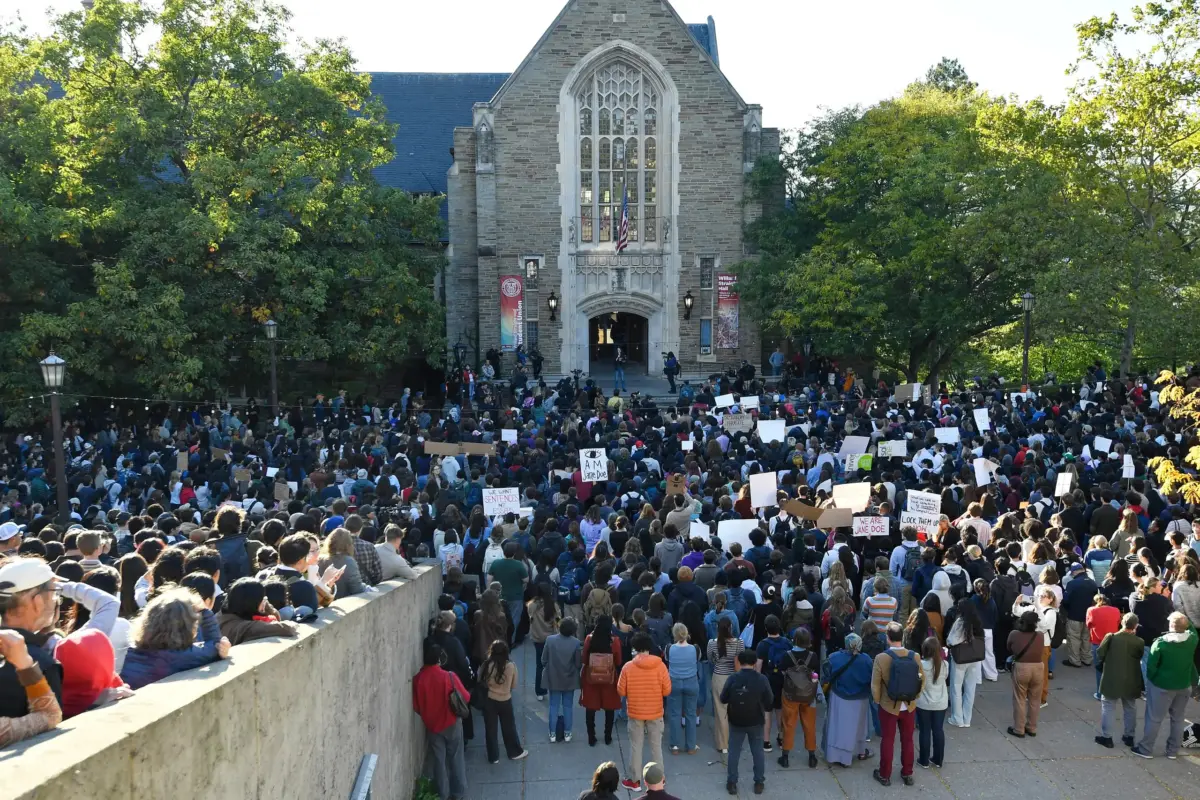
Cornell University is currently locked in a profound institutional crisis that threatens the leadership of its president, Michael Kotlikoff. Two years after an alleged gang rape occurred at the Chi Phi fraternity house in October 2024, a wave of campus protests, a pending faculty vote of no confidence, and high-profile intervention from New York Governor Kathy Hochul have converged to create an existential challenge for the Ivy League administration.
At the center of the controversy is the university’s handling of the criminal and Title IX investigations into the assault of a female student, identified in legal filings as Jane Doe. The victim recently filed a civil lawsuit detailing systemic failures in how the university’s police department communicated evidence to local prosecutors, who ultimately declined to file criminal charges. This legal revelation has reignited campus outrage, transforming a long-simmering debate over Greek life culture into a direct referendum on President Kotlikoff’s administration.
Kotlikoff, a 75-year-old former provost and molecular physiology professor who assumed the presidency in July 2024, is no stranger to controversy. His brief tenure has been punctuated by labor strikes, a highly criticized $60 million civil rights settlement with the federal government, and intense campus polarization over geopolitical issues. However, the current uprising over the Chi Phi case represents an unprecedented threat to his presidency. As students demand his immediate resignation and the total abolition of the university’s fraternity system, the Cornell Faculty Senate is preparing to vote on a resolution of no confidence in the central administration, signaling a severe fracture between the university’s leadership and its academic community.
Detailed Chronology (2024–2026)
The crisis currently unfolding on Cornell’s Ithaca campus is the culmination of a two-year sequence of legal, administrative, and public relations developments.
[October 2024] Alleged assault at Chi Phi house -> [November 2024] Jane Doe reports to CUPD -> [Late 2024–2025] Internal Title IX hearings -> [September 2026] Jane Doe files civil lawsuit -> [October 2026] Mass student protests & Faculty Senate revoltThe Incident and Initial Reports (Autumn 2024)
- October 2024: Jane Doe attended an event at the Chi Phi fraternity house. According to court documents, she was pressured into consuming excessive amounts of alcohol and illicit drugs before being sexually assaulted by multiple members of the fraternity.
- November 2024: Three weeks after the incident, the victim formally reported the assault to the Cornell University Police Department (CUPD). CUPD initiated an investigation and subsequently forwarded a summary of their findings to the Tompkins County District Attorney’s Office.
- Late Autumn 2024: Based on the documentation provided by CUPD, the District Attorney’s Office declined to file criminal charges, citing a lack of prosecutable evidence. Concurrently, Cornell University initiated an internal administrative investigation under Title IX guidelines.
Institutional Adjudication and Sanctions (2025)
- Throughout 2025: Cornell’s Title IX office conducted an extensive investigation. According to university records later made public during collateral litigation, investigators conducted 50 interviews with 32 separate witnesses, compiling digital forensics, social media logs, and text communications.
- Mid-2025: A grueling 12-day disciplinary hearing was convened. Following the panel’s findings, Cornell University permanently revoked the charter of the Chi Phi chapter, expelled several students found responsible for the assault, and issued multi-year suspensions to others who acted as bystanders or facilitators.
- Late 2025: Accused students filed counter-lawsuits against the university, challenging the severity of the disciplinary measures and alleging procedural violations during the Title IX hearing.
The Civil Lawsuit and Public Reckoning (Autumn 2026)
- September 2026: Jane Doe filed a civil lawsuit in state court against Cornell University and individual members of the now-defunct Chi Phi fraternity. The lawsuit alleged that CUPD failed to conduct a thorough investigation and withheld critical, exculpatory details of her account from the District Attorney, effectively sabotaging any chance of criminal prosecution.
- October 1–3, 2026: New York Governor Kathy Hochul publicly intervened, lambasting the university’s security apparatus and calling for an independent, third-party review of CUPD’s investigative protocols.
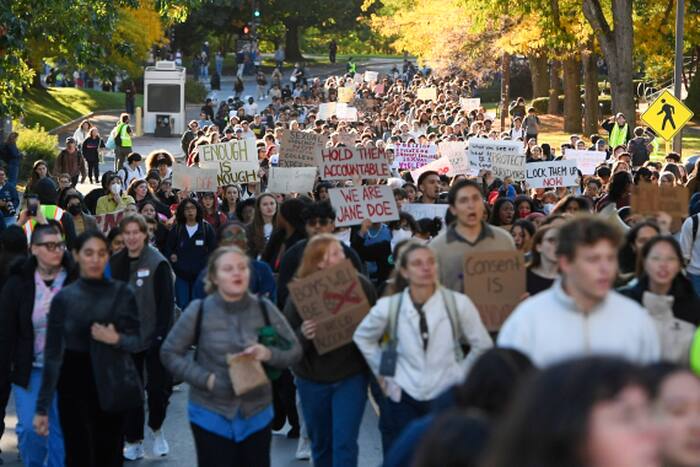
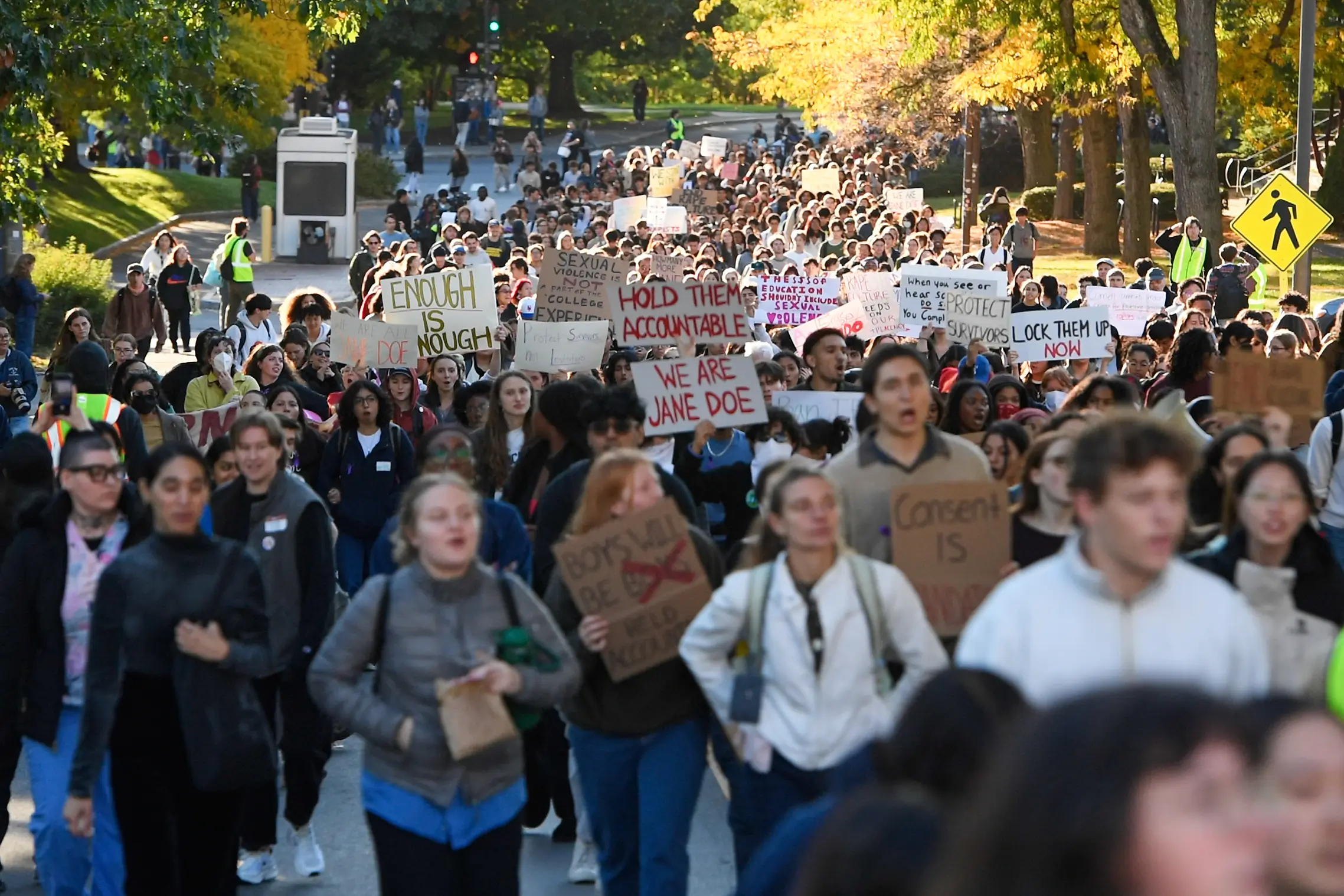
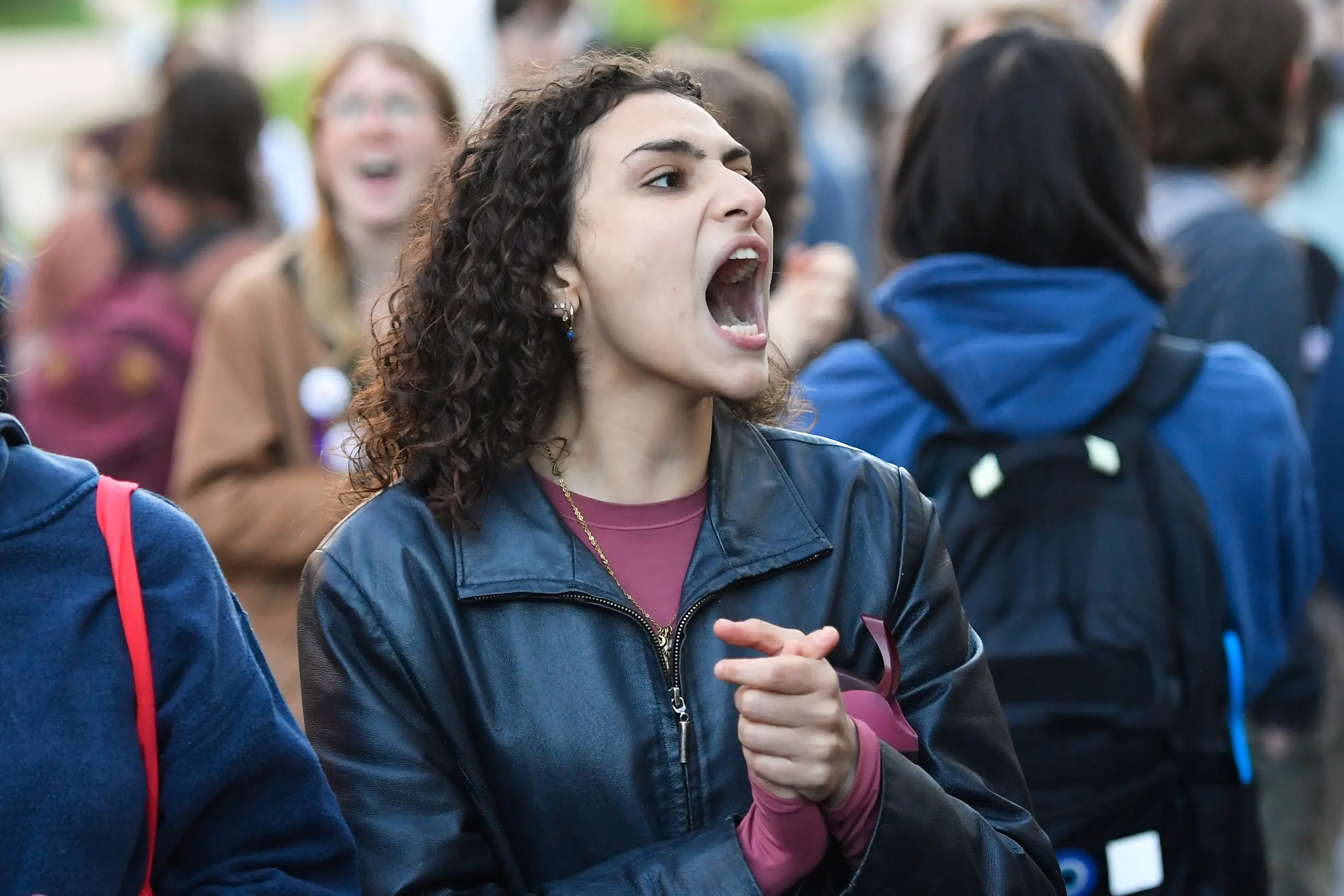
- October 5, 2026: Hundreds of Cornell students staged a massive walkout and march through the Ithaca campus, demanding the resignation of President Kotlikoff, the permanent dissolution of all campus fraternities, and systemic reforms to the university’s sexual assault reporting mechanisms.
Supporting Context & Metrics
The outrage surrounding the Chi Phi case does not exist in a vacuum; rather, it is amplified by historical trends of campus sexual misconduct, the legal complexities of Title IX, and a series of unrelated administrative crises that have eroded President Kotlikoff’s political capital.
The Statistical Reality of Campus Misconduct
The systemic nature of sexual violence at Cornell was laid bare in a university-commissioned survey published in 2025. The data revealed a stark reality:
| Metric | Percentage of Undergraduate Population |
|---|---|
| Undergraduate women reporting sexual assault during their tenure | 35% |
| Undergraduate men reporting sexual assault during their tenure | 8% |
These figures have fueled critics who argue that the university’s administration has consistently failed to cultivate a safe campus environment. Experts in campus safety point out that Cornell’s Greek system—which enjoys significant autonomy and historical prestige—has been a recurring source of hazing, alcohol abuse, and sexual assault allegations for decades.
The Legal Tightrope of Title IX
Legal analysts emphasize that university presidents are often constrained by the rigid and highly litigious framework of federal Title IX law.
Peter Lake, Director of the Center for Excellence in Higher Education Law and Policy at Stetson University College of Law, notes that Title IX proceedings are designed to protect the due process rights of the accused as much as they are meant to shield victims. Under current regulations, accused students are granted the right to cross-examine their accusers through representatives. This adversarial structure often discourages victims from proceeding.
Furthermore, universities face significant legal liability if they act too hastily. Lake points to the infamous 2006 Duke University lacrosse case, where three players were falsely accused of rape. Duke’s aggressive administrative response—which included team suspensions and forced resignations—resulted in a massive, undisclosed settlement after the accusations were proven false.
Conversely, institutions that fail to protect victims face severe reputational and financial ruin, as seen in the landmark scandal at Baylor University under Ken Starr in 2016, and the 2021 resignation of Oregon State University President F. King Alexander over his mishandling of sexual misconduct cases at LSU.
Institutional Risks in Campus Sexual Assault Adjudication:
┌────────────────────────────────────────────────────────┐
│                        CORNELL                         │
└───────────┬────────────────────────────────┬───────────┘
            │                                │
            ▼                                ▼
┌───────────────────────┐        ┌───────────────────────┐
│     UNDER-REACTION    │        │     OVER-REACTION     │
├───────────────────────┤        ├───────────────────────┤
│ • Public protests     │        │ • Reverse lawsuits    │
│ • Gov. intervention   │        │ • Due process claims  │
│ • No-confidence votes │        │ • Financial damages   │
│ • Title IX violations │        │ • Procedural voids    │
└───────────────────────┘        └───────────────────────┘
A Presidency Beset by Crises
Michael Kotlikoff’s vulnerability is compounded by the fact that his presidency has been in a state of perpetual friction since its inception in July 2024.
- August 2024: Just weeks into his interim presidency, Cornell’s dining and custodial staff represented by the UAW went on strike, paralyzing campus operations for two weeks before a contract was negotiated.
- Fall 2025: Faculty and student groups fiercely criticized Kotlikoff for authorizing a $60 million settlement to resolve a Trump-era federal civil rights investigation into the university’s admissions and campus speech policies.
- Early 2026: Kotlikoff was forced to publicly defend himself against allegations that he attempted to drive his vehicle into a crowd of pro-Palestinian demonstrators during an on-campus protest, an incident he claimed was a coordinated act of harassment against him.
Official Statements
The escalating conflict has produced sharply divergent narratives from the university administration, state officials, and the student body.
President Michael Kotlikoff
In a video address released to the university community, President Kotlikoff adopted a deeply apologetic tone while defending the integrity of the university’s internal processes:
"The details of the assault alleged in the civil complaint are deeply disturbing and entirely antithetical to the values of Cornell University. While we have taken decisive action—including the permanent closure of the Chi Phi chapter and the expulsion of students found responsible—we recognize the pain and anger of our community. We welcome Governor Hochul’s call for an independent review of our police department’s handling of this case, and we will cooperate fully to ensure absolute transparency."
Governor Kathy Hochul
Governor Hochul has taken an unusually aggressive stance toward the Ivy League university’s security protocols, stating:
"What occurred at Cornell was not just a failure of campus safety; it was a failure of justice. The reports that the university police department did not fully convey the victim’s account to the District Attorney are deeply alarming. We are ordering an immediate, independent review of the Cornell University Police Department to determine how this investigation was handled and to ensure that no survivor of sexual assault is ever silenced or sidelined by institutional bureaucracy."
Student Activists
During the October 5 protest, students expressed total exhaustion with administrative platitudes. Sophia Kong, a sophomore organizer, addressed the crowd:
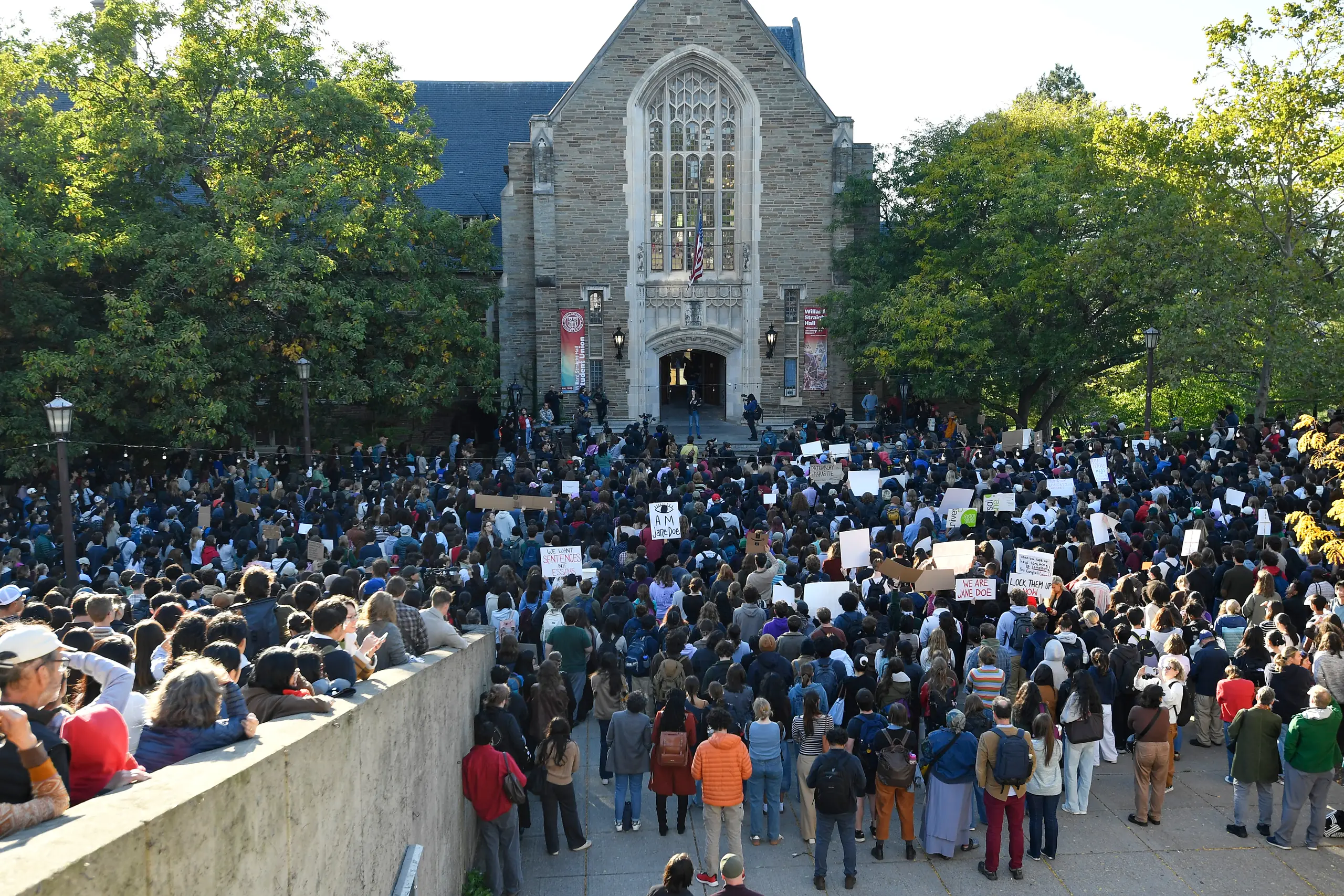
"Throughout his administration, Kotlikoff has refused to take accountability for anything that has happened. From labor strikes to the safety of women on this campus, he has consistently protected the institution over the people who live and study here. He does not represent us, and he must go."
Soham Bera, another sophomore participant, emphasized the collective loss of trust:
"We have incredibly low faith in this administration. For years, we’ve been told that reforms are coming, yet we are still dealing with gang rapes in fraternity houses. The Greek system is rot at the core of Cornell, and the administration is too cowardly to cut it out."
Future Outlook
The immediate future of Cornell University’s leadership hangs in a delicate balance, with several critical milestones expected to unfold in the coming weeks.
The Faculty Senate No-Confidence Vote
The most pressing internal threat to President Kotlikoff is the upcoming Faculty Senate meeting. Faculty leaders have drafted a resolution of no confidence, citing a systemic breakdown in administrative transparency, the mishandling of the Chi Phi investigation, and a pattern of top-down decision-making that has alienated the academic assembly. While a vote of no confidence is technically non-binding, historically, few university presidents survive such a severe rebuke from their own faculty.
The Independent Review of CUPD
The external investigation ordered by Governor Hochul will be watched closely by higher education administrators nationwide. If the independent review confirms that the Cornell University Police Department withheld crucial evidence or minimized Jane Doe’s allegations when presenting the case to the District Attorney, it could trigger criminal civil rights investigations, civil liability for the officers involved, and a complete restructuring of the university’s campus security force.
The Battle Over Greek Life
The broader battle on campus centers on the future of Greek life. While Kotlikoff has promised a "serious look" at the fraternity system, he has explicitly ruled out banning fraternities entirely. Instead, the administration is proposing a model of "strengthened accountability and transparency."
This middle-ground approach is unlikely to satisfy student activists, who argue that the fraternity system is structurally predisposed to hazing and sexual violence. As peer institutions face similar pressures, Cornell’s handling of the Chi Phi aftermath will likely serve as a blueprint—or a cautionary tale—for how modern universities navigate the toxic intersection of fraternity culture, student safety, and executive accountability.

0 Comments