

Executive Overview
Corporate workforce reduction strategies are sweeping across major enterprises, bringing a wave of uncertainty—and unexpected opportunity—to thousands of mid-career and late-career professionals. Recently, a prominent household-name corporation announced a sweeping mandate to slash its workforce by 15%. To achieve this objective without purely relying on involuntary layoffs, leadership rolled out a lucrative early retirement incentive package, triggering a wave of career recalibrations among eligible personnel.
While financial metrics often dominate the initial conversation surrounding severance packages and early exits, a critical dimension is frequently overlooked: the psychological and lifestyle transition. According to comprehensive data from the Employee Benefits Research Institute (EBRI), early retirement is rarely a neat, linear choice made precisely on a traditional milestone birthday. In fact, EBRI’s authoritative Retirement Confidence Survey reveals that a staggering 70% of individuals step away from the workforce earlier than they originally anticipated, doing so an average of three years ahead of schedule.
For many, this forced or incentivized pivot feels less like a calculated strategy and more like an abrupt shift in life’s trajectory. However, transitioning into early retirement—whether driven by corporate restructuring or personal ambition—can serve as a profound catalyst for personal reinvention. Achieving a fulfilling post-career life requires far more than balancing a portfolio; it demands a deliberate, structured mindset shift, proactive social engineering, and a clear blueprint for daily living. This report explores the mechanics of early retirement, drawing on real-world experiences, industry metrics, and psychological frameworks to help professionals transform an unexpected career termination into the most rewarding chapter of their lives.
Detailed Chronology: A Personal Reflection on the Early Exit
To understand the emotional and practical gravity of accepting a corporate early retirement package, it helps to examine the timeline of a seasoned professional who navigated this exact crossroads more than a decade ago.
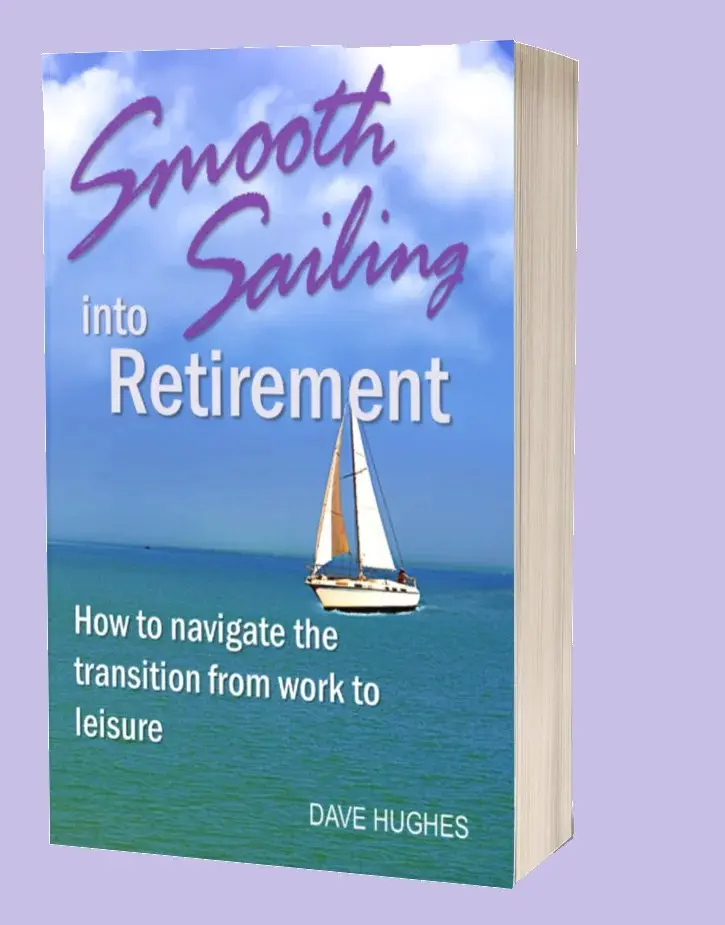
At age 56—just months shy of 57—Dave Hughes, author of Retire Fabulously!, found himself staring at an unexpected corporate downsizing initiative. Like many loyal employees at large corporations, Hughes had mapped out his remaining professional lifespan down to the quarter. He had penciled in precisely three and a half more years of desk jobs, software engineering sprints, corporate meetings, and performance reviews before entertaining the notion of stepping away.
Then, corporate leadership altered the math. A generous early retirement incentive was placed on the table, designed to entice eligible personnel to vacate their desks voluntarily.
The Decision-Vetting Phase
Faced with this sudden fork in the road, Hughes engaged in an intensive period of calculation and contemplation. The financial trade-offs were immediate: walking away meant sacrificing 42 months of guaranteed salary, compounding retirement contributions, and peak earning potential. Yet, the non-financial variables carried equal weight. Was he mentally prepared to stop working? Did he possess a vivid, compelling vision of his life outside the corporate ecosystem?

After running the numbers and weighing his psychological readiness, Hughes made the definitive choice to accept the package and turn the page. Looking back more than eleven years later, the verdict remains absolute: he has never regretted the choice.
Bridging the Gap
Walking away from a primary career years ahead of schedule inevitably introduces financial friction. Without a traditional paycheck, retirees must devise interim income strategies long before government entitlements kick in. For Hughes, this meant diversifying his pursuits, including working as a wedding officiant for five years to generate supplemental income. This stopgap approach sustained him until he reached age 62, at which point he strategically opted to begin drawing Social Security benefits—a pathway he has documented extensively to help others evaluate similar choices.
Crucially, the success of this early departure was not merely a byproduct of financial engineering; it was rooted in psychological preparedness. Hughes had already cultivated a clear, actionable picture of what his post-corporate life would entail. By viewing the transition through the lens of purpose design rather than mere cessation of labor, he successfully converted a corporate downsizing event into a personal triumph. Today, his story mirrors the current reality of four modern colleagues who recently accepted a similar corporate package, alongside a 56-year-old peer weighing whether to abandon his planned timeline well into his sixties.
Supporting Context & Metrics: The Reality of Early Retirement
The corporate trend of trimming overhead through voluntary separation programs highlights a broader socio-economic reality: structured career paths are dissolving. The traditional narrative of working faithfully for a single institution until the exact age of 65 is increasingly the exception rather than the rule.
The EBRI Retirement Confidence Survey Findings
Empirical data underscores just how unpredictable career exits truly are. The Employee Benefits Research Institute (EBRI), a respected, nonpartisan organization specializing in employee benefits and economic security, published landmark insights in its comprehensive Retirement Confidence Survey. The findings challenge the conventional wisdom regarding retirement planning timelines:
- 70% Early Exit Rate: A remarkable seven out of ten retirees leave the workforce sooner than they originally projected.
- The Three-Year Variance: On average, these individuals accelerate their retirement timeline by a full three years, disrupting long-term savings projections, withdrawal strategies, and healthcare planning.
- Catalysts for Departure: While some early departures are voluntary—fueled by accumulated wealth or lifestyle redesign—a significant percentage are driven by external shocks, including corporate downsizing, shifting industry technologies, organizational restructuring, and health considerations.
The Non-Financial Imperative
Financial planners and wealth managers excel at analyzing cash flow, tax implications, asset allocation, and sustainable withdrawal rates. However, financial readiness is only half the equation. As Hughes emphasizes, financial planners rarely specialize in the behavioral and psychological adjustments required to wake up on a Tuesday morning with no meetings on the calendar and no professional hierarchy to validate one’s worth.
Being mentally prepared requires confronting a fundamental shift in daily existence. When an individual’s identity has been forged over decades by a corporate title—whether as a software engineer, senior manager, accountant, or executive—the sudden evaporation of that title can trigger an identity crisis. Understanding the statistical probability of an early exit underscores the necessity for professionals at all stages of their careers to build a robust psychological toolkit well before termination or early retirement notices land in their inboxes.

Official Statements and Industry Insights
Experts across the fields of organizational psychology, career counseling, and retirement lifestyle design agree that the modern retirement paradigm demands a proactive mindset shift.
Reflecting on the psychological dimensions of leaving the workforce behind, lifestyle author and retirement mentor Martha Felt-Barton encapsulated the sentiment shared by many successful early retirees:
"There are so many other interesting ways to spend your time. I feel like early retirement is a gift, but it’s such an incredible gift. It’s a gift I need to use."
This perspective reframes early retirement not as an extended period of winding down or waiting out the clock, but as an active, high-value phase of life characterized by autonomy and intentional living.
Corporate human resources executives and outplacement consultants echo this sentiment, noting that employees who approach voluntary separation packages with a pre-existing lifestyle framework report significantly higher satisfaction scores than those who view the package purely as a financial transaction. Organizations offering these packages increasingly recognize that providing financial compensation must be paired with resources that address the emotional and operational realities of career transition.
Future Outlook: Designing Your Post-Corporate Life
Retirement is frequently romanticized as a permanent vacation. In reality, experts point out that viewing retirement through the lens of perpetual leisure is a recipe for disillusionment. A more accurate metaphor is treating every single week as a continuous seven-day weekend.
When the alarm clock goes silent on the first non-work day, the initial euphoria is often followed by a quiet void. While catching up on long-neglected household chores or embarking on a short holiday provides temporary distraction, the novelty quickly fades. To construct a sustainable, joyful, and healthy early retirement, individuals must deliberately engineer their newfound forty-plus hours of weekly freedom.

A successful transition rests on four core pillars: physical activity, mental stimulation, socialization, and fulfillment.
+-----------------------------------------------------------------+
|               THE FOUR PILLARS OF EARLY RETIREMENT              |
+-------------------------+---------------------------------------+
| 1. Physical Activity    | Move daily: walking, pickleball,      |
|                         | hiking, or simple lifestyle choices.  |
+-------------------------+---------------------------------------+
| 2. Mental Stimulation   | Keep learning: auditing classes,      |
|                         | reading, visiting museums, libraries. |
+-------------------------+---------------------------------------+
| 3. Socialization        | Proactive networking: joining clubs,  |
|                         | initiating community get-togethers.   |
+-------------------------+---------------------------------------+
| 4. Fulfillment          | Cultivating joy: creative expression, |
|                         | volunteering, pursuing passions.      |
+-------------------------+---------------------------------------+
1. Physical Activity
Sedentary behavior is one of the most insidious silent hazards of leaving a structured work environment. Without the physical movement associated with commuting, walking office corridors, and standing during presentations, daily activity levels can plummet dramatically.
Maintaining vitality requires intentional movement. Whether engaging in recreational sports like pickleball, tennis, golf, bowling, hiking, or cycling, or simply committing to a brisk thirty-minute daily walk, physical motion is non-negotiable. Even micro-decisions—such as parking further away from store entrances or opting for stairwells over elevators—accumulate significant health dividends over time.
2. Mental Stimulation
Cognitive decline is often accelerated by isolation and a lack of continuous learning. During a career, professional challenges, complex problem-solving, and industry reading keep the brain sharp. In retirement, individuals must curate their own intellectual stimulation.
Lifelong learning offers a powerful antidote to stagnation. Local community colleges, university senior audit programs, municipal libraries, and cultural institutions provide a wealth of opportunities. Many institutions permit older adults to attend non-credit or unfulfilled courses at minimal or zero cost, opening doors to history, philosophy, arts, and sciences without the pressure of degree requirements.
3. Socialization
In the professional world, socialization is frictionless. Human contact is baked into the daily routine—from casual watercooler chats and spontaneous lunch outings to structured team meetings. However, the vast majority of work acquaintances rarely survive the transition out of the office. Once the shared workspace disappears, those relationships typically dissolve.
Early retirees must adopt a proactive approach to human connection. Building a post-career social network requires initiative: organizing get-togethers, joining community bands or choruses, participating in local clubs, and cultivating deep friendships with individuals who offer genuine mutual support and shared interests.

4. Fulfillment
Fulfillment is deeply personal and difficult to quantify. It is not bound by productivity metrics, corporate quotas, or performance reviews. Rather, fulfillment is whatever makes an individual feel alive, centered, and fully absorbed in the present moment—the state of being "in the zone" where hours slip by unnoticed.
Sources of fulfillment vary widely. For some, it manifests as creative expression through writing, painting, or musical performance. For others, it is found in altruistic pursuits such as volunteering, mentoring, or community leadership. It may involve exploring untrod natural landscapes or deepening bonds with family and friends. Crucially, pursuits that deliver fulfillment do not need to generate revenue or demonstrate utilitarian value; their sole justification is the joy they ignite.
Conclusion: Crafting a New Identity
Stepping away from a decades-long career demands a profound psychological transformation. For most of adult life, identity is inextricably linked to vocational status. A job title serves as shorthand for a person’s competence, social standing, specialized knowledge, and societal contribution.
When that title is relinquished, a temporary identity vacuum is created. Navigating this shift successfully requires shedding the limitations of a former corporate badge and embracing a new narrative. As Dave Hughes transitioned from software engineer and manager to author and musician, the specific title mattered far less than the underlying commitment to maintaining purpose, curiosity, and a reason to look forward to each new day.
For professionals facing early retirement packages, corporate downsizing, or personal lifestyle transitions, the message is clear: early retirement is not an ending, but an invitation. By approaching the transition with structural preparation, physical mindfulness, continuous learning, and active social engagement, individuals can turn an unexpected corporate exit into a masterclass in living well.

0 Comments