

Executive Overview
As the final rays of the summer sun faded over the highways and byways of the American Southeast, millions of weary travelers packed their belongings, loaded their vehicles, and embarked on the quintessential end-of-summer pilgrimage: the Labor Day weekend commute home. For the vast majority of the workforce, the first Monday in September represents a hard-earned respite—a symbolic closing curtain on barbecues, beach trips, and lake houses, dedicated to honoring the contributions of the American laborer.
Yet, as the highways swelled with bumper-to-bumper traffic, a vast parallel workforce remained firmly on the clock. While vacationers navigated the congested arteries connecting coastal getaways to metropolitan centers, commercial truck drivers, retail workers, healthcare professionals, and public safety personnel ensured that the machinery of society continued to turn without interruption.
This comprehensive report examines the multifaceted realities of Labor Day travel. By diving deep into the logistical hurdles faced by commercial operators, the fluctuating economics of fuel consumption across state lines, the structural labor realities of holiday employment, and the staggering infrastructural demands placed on our highway systems, we paint a vivid picture of a nation in motion. Drawing on localized accounts from Tallahassee to Mississippi, alongside national data metrics from organizations such as the American Automobile Association (AAA) and the Bureau of Labor Statistics (BLS), this piece explores the intersection of leisure, commerce, and the relentless pace of modern life during one of the year’s most heavily traveled weekends.
Detailed Chronology: The Rhythm of the Holiday Exodus and Return
The trajectory of a major holiday travel weekend follows a predictable yet intensely stressful meteorological and logistical rhythm. It begins on Thursday afternoon as early leakers hit the road, peaks with chaotic gridlock on Friday evening, plateaus through a busy weekend of local excursions, and culminates in a high-stakes, high-tension mass migration on Monday afternoon and evening.
The Buildup and the Breaking Point
As Labor Day Monday progressed, the inevitable transition from holiday relaxation to highway congestion materialized across regional transit corridors. Traffic management centers reported steady increases in volume by midday. By late afternoon, primary thoroughfares feeding into major urban hubs were operating at or above capacity.
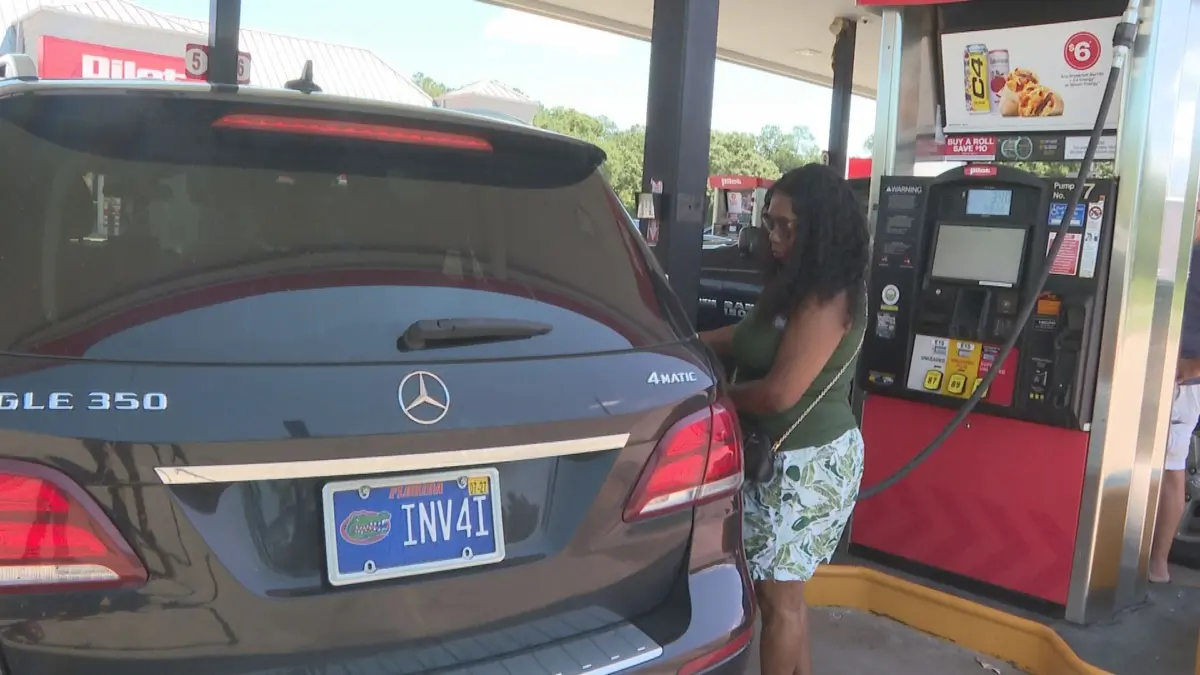
For travelers like Yolanda Thompson, who made the interstate trek from Jacksonville, Florida, navigating the journey required strategic patience and a sharp eye on expenses. Thompson’s experience highlights the unpredictable nature of regional travel, where changing state lines can mean radically different consumer landscapes.
"Jacksonville was like $4.39, because I use premium," Thompson noted during a pit stop along her route. "Here, it’s $4.70. In Mississippi, it was like $4.20. So, it was a little cheaper there."
The Perspective from the Cab
While everyday commuters groan over a 30-minute delay, professional commercial drivers view the holiday rush through the lens of endurance and systemic patience. Evelyn Ball, a veteran trucker hailing from East-Central Mississippi with more than 40 years of experience behind the wheel of an 18-wheeler, represents the absolute backbone of the nation’s supply chain. For Ball, a holiday Monday on the interstate is simply another day at the office—albeit one with significantly more hazards.
"Later on this evening, it’s probably going to be bad because folks are going to be trying to get back to their homes," Ball remarked as the afternoon shadows lengthened. "But, basically, I just take my time and go with the flow. You hit an accident here and there and you have to stop. I can deal with it. Out of 40 years, I’m good."
Ball’s philosophy encapsulates the pragmatic mindset required to survive America’s highways during peak travel windows. Where the average vacationer experiences frustration over sudden braking and lane closures, the seasoned professional calculates stopping distances, monitors hours-of-service regulations, and maintains a steady equilibrium amidst the vehicular chaos.
Supporting Context & Metrics: The Numbers Behind the Holiday Rush
To truly understand the magnitude of Labor Day weekend transit, one must look past the individual windshield and examine the macro-level data. The logistics of moving tens of millions of citizens across thousands of miles of asphalt require an astonishing coordination of public infrastructure, private enterprise, and emergency services.
Roadside Realities and Emergency Services
The sheer volume of vehicles on the road inevitably translates into mechanical failures, flat tires, engine overheating, and collisions. Last year, the American Automobile Association (AAA) reported an astronomical volume of roadside assistance calls during the Labor Day holiday window, crossing the 400,000 threshold.
These numbers underscore the immense stress placed on personal vehicles during long-distance holiday trips, often characterized by stop-and-go traffic in sweltering late-summer temperatures. Tow truck drivers, highway patrol officers, and department of transportation workers form an invisible safety net, laboring tirelessly under hazardous roadside conditions to clear incidents and keep traffic flowing.
The Fuel Economy Equation
For the modern motorist, the cost of travel extends far beyond vehicle maintenance and lodging; fuel prices remain a primary point of anxiety and strategic calculation. Yolanda Thompson’s budgeting methods reflect a widespread consumer trend: navigating fluctuating regional fuel prices and leveraging loyalty programs to offset high costs.
"I also do Wawa because you get like 0.15 cents off or 0.25 off if you purchase things there. Sam’s, BJ’s. Yeah, I always try to save gas," Thompson explained.
Regional pricing disparities—ranging from Mississippi’s more modest averages to premium fuel spikes in Florida—force motorists to transform their road trips into exercises in fiscal optimization. Gas stations strategically positioned along major interstate corridors become hubs of economic activity, where travelers weigh the convenience of immediate refueling against the savings offered by wholesale clubs and app-based loyalty rewards.
Who Works on Labor Day?
While Labor Day is celebrated as a tribute to the American worker, millions of citizens spend the holiday performing essential labor. According to comprehensive data compiled by the Bureau of Labor Statistics (BLS), the distribution of holiday employment is heavily concentrated in four primary sectors:
- Retail: Keeping storefronts open for holiday shoppers and travelers in need of supplies.
- Hospitality: Staffing hotels, restaurants, and entertainment venues catering to vacationers.
- Healthcare: Ensuring that hospitals, emergency rooms, and long-term care facilities remain fully operational.
- Public Service: Encompassing law enforcement, fire protection, public transit, and highway maintenance personnel.
These workers form the vital infrastructure that allows others to enjoy their freedom of movement and leisure, highlighting the inherent inequities and structural necessities of a 24/7/365 economy.
Official Statements and Industry Perspectives
Transportation authorities, safety advocates, and labor organizations consistently use the Labor Day holiday as a platform to issue critical advisories. Year after year, the message remains clear: caution, preparation, and patience are the ultimate safeguards against tragedy on the nation’s highways.
Law enforcement agencies across the Southeast deployed heightened patrols throughout the holiday weekend, focusing on aggressive driving, speeding, and driving under the influence. State departments of transportation utilized overhead electronic signage to remind motorists to minimize distractions, put down mobile devices, and maintain safe following distances.
Transportation economists note that while holiday travel numbers fluctuate year-over-year based on consumer confidence and economic indicators, the structural strain on infrastructure remains persistently high. Industry analysts emphasize that as population centers grow, federal and state investments in multimodal transportation—expanding rail networks, upgrading highway lanes, and integrating smart traffic management systems—will become increasingly paramount to mitigate gridlock.
Future Outlook: Modernizing Travel and the Workforce
As we look toward future holiday seasons, the landscape of both travel and labor is undergoing a profound transformation. Understanding these trends provides a clearer picture of what the American commuter can expect in the decades to come.
The Rise of Electric Vehicles and Smart Infrastructure
The integration of Electric Vehicles (EVs) into the mainstream automotive market is radically altering how motorists plan long-distance trips. Unlike traditional internal combustion engines that can be refueled in minutes at any corner gas station, EV drivers must carefully map their routes around charging availability, charging speeds, and grid capacity. As the infrastructure evolves, highway rest stops are slowly transitioning into multi-energy hubs, fundamentally changing the nature of the roadside pit stop.
Furthermore, artificial intelligence and smart-highway technologies are beginning to reshape traffic flow management. Real-time dynamic tolling, automated incident detection systems, and vehicle-to-infrastructure (V2I) communication protocols promise to reduce congestion bottlenecks before they cascade into major gridlocks.
Evolving Labor Dynamics
Simultaneously, the conversation surrounding labor rights and holiday compensation continues to evolve. While sectors like retail and hospitality have traditionally relied on low-wage, non-exempt workers to staff holidays, labor shortages and shifting worker expectations are forcing employers to reevaluate compensation structures, offering holiday pay multipliers and more flexible scheduling models to attract and retain talent.
For commercial operators like Evelyn Ball, the future hinges on how automated vehicle technologies and regulatory frameworks intersect with human expertise. While autonomous trucking is making tentative inroads into long-haul logistics, the nuanced decision-making, mechanical intuition, and crisis management demonstrated by seasoned professionals over decades on the road remain entirely irreplaceable.
Conclusion
The journey home from a Labor Day getaway is far more than a logistical inconvenience; it is a microcasm of American society at large. It brings together the weary vacationer chasing memories of summer, the savvy consumer calculating fuel economies across state lines, the essential worker holding the fabric of daily operations together, and the veteran trucker steering heavy machinery through a sea of brake lights. As millions safely reach their front doors and unpack their vehicles, the collective wheels of commerce and community continue to turn, laying the groundwork for the industrious autumn ahead.

0 Comments