

Executive Overview
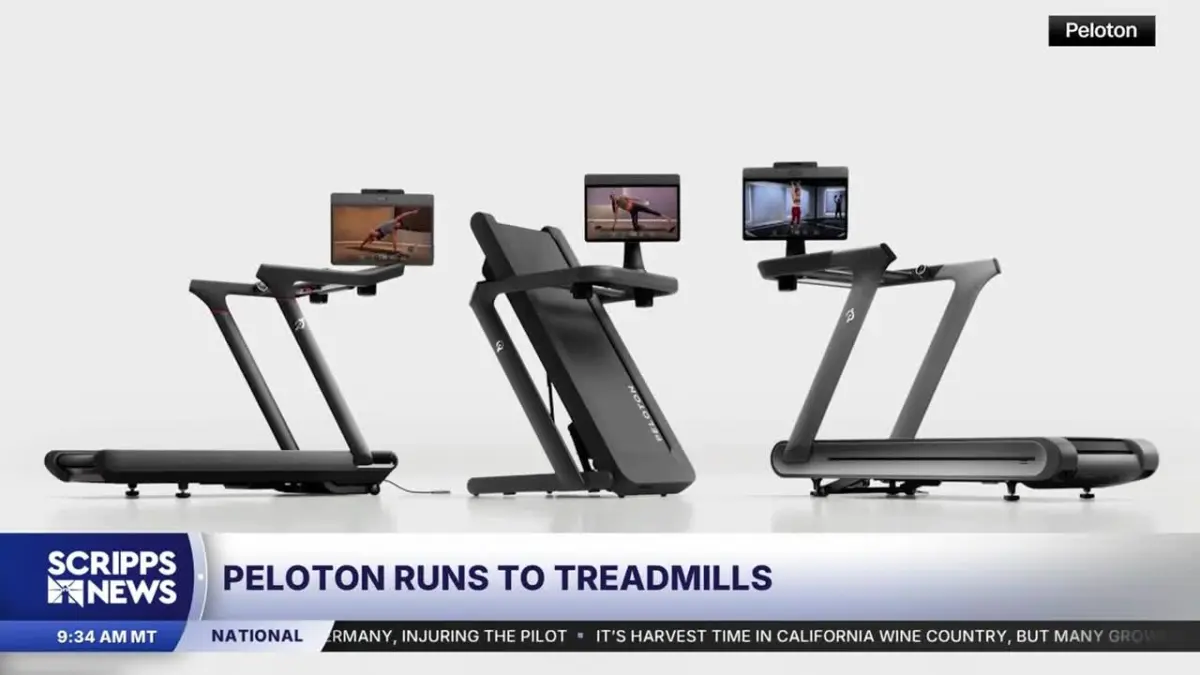
In a decisive move to reverse years of declining sales, mounting operational pressures, and sliding stock valuations, connected fitness pioneer Peloton has announced the launch of the Tread Flex—its most affordable and first-ever foldable treadmill. Priced at $2,195, the new equipment undercuts the company’s traditional treadmill pricing tier by roughly $1,000. By introducing a space-saving design that contracts to approximately half its footprint when folded, Peloton is making a calculated play to capture urban consumers, apartment dwellers, and fitness enthusiasts who have previously been priced out or space-constrained.
This high-profile hardware release serves as the cornerstone of a broader corporate pivot spearheaded by CEO Peter Stern. Tasked with steering the beleaguered company out of its post-pandemic slump, Stern is shifting Peloton’s strategic core away from its legacy reliance on stationary bikes and toward the surging, highly lucrative running and walking market. However, launching the Tread Flex is merely the opening salvo in a comprehensive overhaul of the company’s treadmill portfolio, which also includes the upgraded $3,495 Tread Vision and the high-end $6,695 Tread+ Vision tailored for extreme fitness competitors.
While the hardware innovations showcase Peloton’s renewed engineering ambition, the company faces stiff macroeconomic headwinds. Peloton’s stock has plummeted 42% since its last major product showcase in October 2025, and the company has already implemented severe cost-cutting measures, including recent workforce reductions. Furthermore, Peloton must convince budget-conscious consumers—who have readily embraced free outdoor running, inexpensive walking pads, and low-cost fitness applications—that a luxury connected-fitness ecosystem is worth the steep investment. As the company prepares for the North American retail rollout on October 1, the Tread Flex will test whether cutting-edge engineering, AI integration, and ecosystem expansions can successfully resurrect a pioneer of the home-fitness revolution.
Detailed Chronology: From Pandemic Darling to Turnaround Architecture
To understand the strategic gravity of the Tread Flex release, one must trace Peloton’s dramatic trajectory over the past half-decade. The brand’s journey reads as a cautionary tale of rapid pandemic-era expansion followed by a protracted, painful market correction.
The Pandemic Apex and the Overestimation Trap
During the height of COVID-19 lockdowns in 2020 and 2021, Peloton became a cultural touchstone. Confined to their homes, millions of consumers turned to the company’s stationary bikes and treadmills to maintain their exercise routines. Demand skyrocketed, supply chains were strained to their absolute limits, and valuations soared.
However, leadership fundamentally misread the permanence of these behavioral shifts. According to Joe Vennare, CEO and co-founder of the health industry newsletter Fitt Insider, Peloton drastically "overestimated how permanently pandemic-era behavior would shift toward at-home exercise." When global economies reopened, fitness enthusiasts eagerly returned to traditional brick-and-mortar gyms, boutique studios, and outdoor recreational spaces, leaving Peloton burdened with excess capacity, inflated cost structures, and a rapidly cooling consumer base.
The Leadership Carousel and Cost-Cutting Measures
As top-line revenue slumped and subscriber growth flatlined, financial pressures intensified. The ensuing years were characterized by severe corporate turbulence, marked by executive departures, strategic pivots, and painful restructuring initiatives. Earlier in the year, following yet another disappointing sales cycle and a 42% collapse in stock value since its late-2025 product unveiling, the company executed another round of global layoffs, slashing roughly 15% of its total workforce.

These structural contractions paved the way for leadership changes, culminating in Peter Stern taking the helm as CEO. Tasked with executing a structural turnaround, Stern immediately identified running and walking as the primary vehicles for recovery. Recognizing that stationary bikes were experiencing decelerating market momentum, Stern redirected Peloton’s design, engineering, and marketing resources toward capturing the growing domestic running market.
The October 2026 Product Overhaul
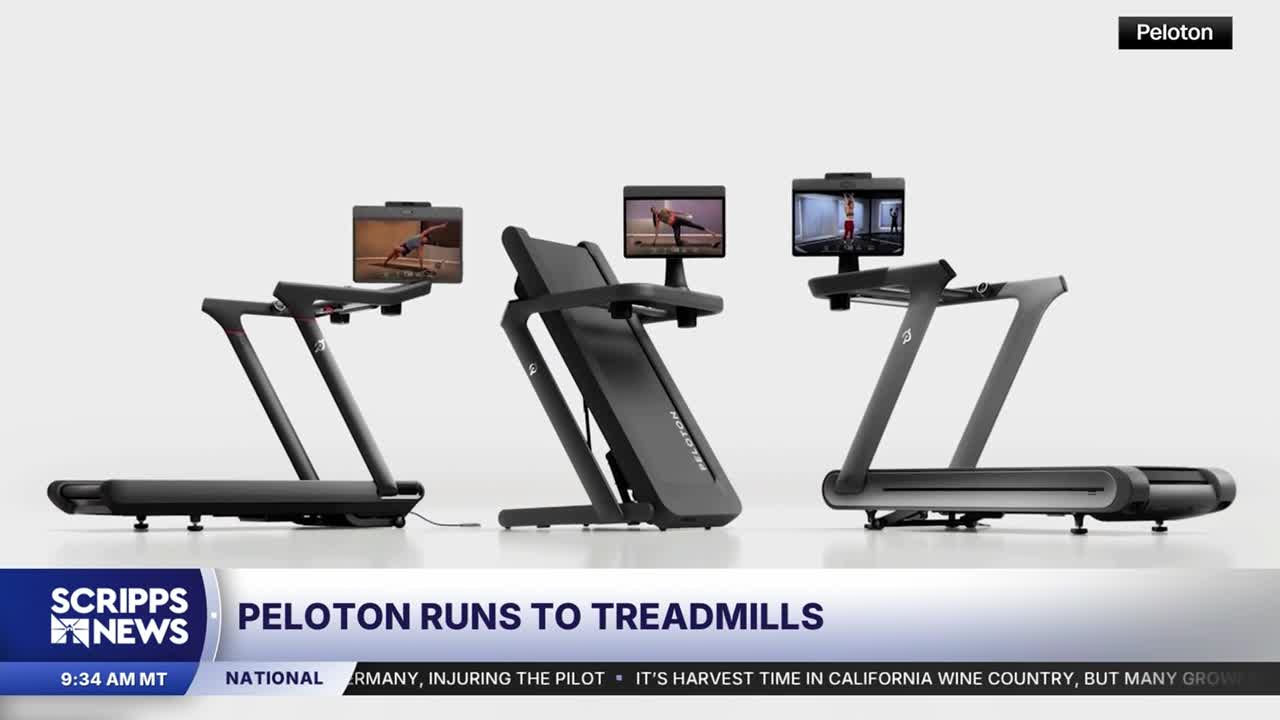
The announcement of the Tread Flex on Tuesday marks the culmination of Stern’s early strategic initiatives. Rather than relying on incremental updates to aging hardware, Peloton is completely revamping its treadmill ecosystem. The company is phasing in three distinct models designed to capture every tier of the running market:
- The Tread Flex ($2,195): The entry-level, foldable model engineered for space efficiency and affordability.
- The Tread Vision ($3,495): An upgraded mid-tier option featuring an advanced proprietary cushioning system designed for joint protection during high-mileage training.
- The Tread+ Vision ($6,695): A heavy-duty, ultra-premium apparatus built for elite athletes and extreme conditioning enthusiasts, equipped with specialized resistance profiles catering to demographics like HYROX competitors.
All three units are slated for an official North American retail launch on October 1, intentionally timed to capture the lucrative upcoming holiday shopping season.
Supporting Context & Metrics: The Shift in Consumer Fitness
Peloton’s pivot toward treadmills is heavily supported by broader macroeconomic and behavioral trends sweeping the global fitness industry. While the stationary cycling market has matured and plateaued, the running and walking sector is experiencing a historic renaissance.
Market Projections and Growth Vectors
Industry forecasts underscore the wisdom of Peloton’s strategic pivot. Market analysts project that the North American at-home treadmill market will expand by an aggressive 40% over the next several years, transforming into a massive $5.6 billion category by 2030. In stark contrast, domestic stationary bike sales are expected to grow at a much more subdued pace, reflecting a fundamental saturation of the indoor cycling vertical.
The Evolution of Consumer Habits
Consumer psychology regarding fitness has shifted dramatically since the lifting of pandemic restrictions. Experts point out that the modern consumer prioritizes sustainable, habitual lifestyle integration over hyper-intense, heavily choreographed boutique fitness fads.
Running and walking have surged in popularity precisely because they are accessible, affordable, and deeply social. The proliferation of local running clubs, community marathons, and casual walking groups has turned cardiovascular exercise into a communal lifestyle choice rather than a solitary indoor chore.
"The fitness landscape is evolving toward more sustainable and habitual routines rather than overly choreographed or intense workouts," notes Joe Vennare. He emphasizes that traditional indoor spinning classes have "clearly lost momentum" as consumers increasingly migrate toward the measurable health outcomes, community building, and functional strength provided by running and resistance training.
The Competitive Landscape and Ecosystem Integration
Despite favorable market tailwinds, Peloton does not operate in a vacuum. The modern fitness consumer has unprecedented choices. Individuals looking for running and walking routines can easily bypass expensive hardware entirely, opting to run outdoors for free, visit budget-friendly gyms, purchase inexpensive "walking pads," or subscribe to low-cost digital fitness apps.
To combat this erosion of value, Peloton is doubling down on ecosystem stickiness. Alongside the hardware announcements, the company revealed expanded digital integrations. Building upon its existing partnerships with Garmin, Apple Health, and Fitbit, Peloton is expanding its compatibility with Whoop. This allows users to seamlessly ingest biometric data into the Peloton ecosystem, tracking recovery, strain, and holistic wellness alongside their running metrics. Furthermore, all new treadmills are equipped with swivel touchscreens for immersive streaming classes and integrated AI-powered cameras that deliver real-time, personalized form feedback to users.
Official Statements & Strategic Vision
Peloton’s executive leadership has been transparent about the existential importance of this product cycle. Moving beyond the identity of a "stationary bike company" is no longer optional; it is a prerequisite for survival.
In an official press release accompanying the hardware launch, CEO Peter Stern articulated the company’s aggressive ambitions:
"Doubling down on treadmills will allow us to connect with a much wider audience and help us win the multibillion-dollar at-home treadmill market."
Stern’s messaging underscores a fundamental realignment of Peloton’s brand identity. By introducing the Tread Flex, the company is attempting to dismantle its primary historical barrier to entry: exorbitant pricing and massive spatial footprints. For years, critics argued that Peloton equipment was exclusively built for affluent homeowners with dedicated workout rooms. The Tread Flex directly challenges that narrative by offering engineering ingenuity that reduces the unit to half its operating size, effectively opening up the urban apartment market.

Industry observers, however, maintain that hardware innovation must be matched by acute cultural responsiveness. Joe Vennare argues that while the Tread Flex is an undeniably strong piece of engineering, Peloton’s long-term viability hinges on its ability to integrate into a consumer’s entire fitness journey.
"The Tread is a strong product, but Peloton needs to be better attuned to what today’s customers want, like tracking the entire running journey or integrating into a holistic fitness routine," Vennare noted.
Future Outlook: Can Peloton Outrun Its Past?
As Peloton prepares for the October rollout of the Tread Flex, Tread Vision, and Tread+ Vision, the stakes could not be higher. The company’s recent history—marked by a 42% stock slide, painful workforce reductions, and shifting consumer preferences—leaves little margin for execution error.
Short-Term Milestones
The immediate test for Peloton will be the upcoming holiday shopping season. North American consumers will vote with their wallets starting October 1. If the Tread Flex successfully resonates with space-conscious buyers and converts budget-conscious runners into ecosystem subscribers, Peloton could experience the much-needed top-line revenue stabilization that investors have demanded. Conversely, soft demand could force further restructuring and cast doubt on the viability of the brand’s premium pricing model.
Long-Term Viability
Looking toward 2030 and the projected $5.6 billion valuation of the North American treadmill market, Peloton’s ultimate success will depend on three critical pillars:
- Ecosystem Expansion: Continuing to break down hardware silos by successfully integrating with third-party wearables like Whoop, Apple, and Garmin, positioning Peloton software as the central hub of an individual’s health data.
- Software and AI Innovation: Leveraging onboard AI cameras and automated form-correction software to offer a digital coaching experience that competitors utilizing basic walking pads cannot replicate.
- Brand Re-positioning: Successfully shedding the perception of being an exclusionary, pandemic-era luxury fad, and instead embedding the brand into the daily, sustainable routines of everyday runners and walkers.
If Peter Stern and his leadership team can execute this multi-tiered turnaround, the Tread Flex may well be remembered as the vehicle that saved Peloton from obsolescence. If not, it may serve as the final, desperate sprint of a once-unrivaled fitness giant.

0 Comments