

Executive Overview
What was slated to be a routine procedural vote at the Alachua County Board of County Commissioners (BOCC) meeting erupted into a fundamental policy debate over the region’s approach to unhoused residents. At the heart of the debate was a $350,000 allocation for the county’s third consecutive year of homeless street outreach services—a line item embedded within a 25-item consent agenda intended to pass without discussion.
The silence was broken when Commissioner Anna Prizzia yanked the contract off the consent agenda. Prizzia raised alarm over language inside a publicly released Request for Proposals (RFP) issued by the county’s primary administrative contractor, the TaskForce for Ending Homelessness. The document signaled a structural shift away from Alachua County’s long-standing "Housing First" framework toward a recovery- and treatment-based model aligned with the Trump administration’s national homelessness directives, specifically referencing its 2026 Five-Step Encampment Response Framework.
The debate exposed a deep structural friction facing local governments nationwide: the imperative to preserve evidence-based, low-barrier local housing programs while simultaneously satisfying federal funding requirements. With over $1 million in federal Continuum of Care dollars flowing into Alachua County annually, county administrators argued that incorporating federal directives into local solicitations is essential to safeguard federal grant scores. Conversely, advocates and commissioners warned that accommodating federal treatment-first mandates threatens to undermine local low-barrier housing initiatives, including the county’s 67-unit supportive housing inventory created through motel renovations.
After intense debate, substitute motions, and warnings over governance deadlines, the BOCC voted unanimously to direct staff to realign the open RFP with the county’s core Housing First principles—securing an agreement from administrators that the modification would not disrupt the critical October 1 contract execution deadline.
Detailed Chronology
[ Tuesday BOCC Meeting Timeline ]
 ├── Item 1: $350k Outreach Contract bundled into 25-item Consent Agenda
 ├── Pull: Comm. Anna Prizzia extracts contract over RFP language concerns
 ├── Debate: Joe Jackson (GRACE) labels RFP a "bait-and-switch" favoring treatment model
 ├── Explanation: Claudia Tuck outlines federal funding risk ($1M+ CoC grants)
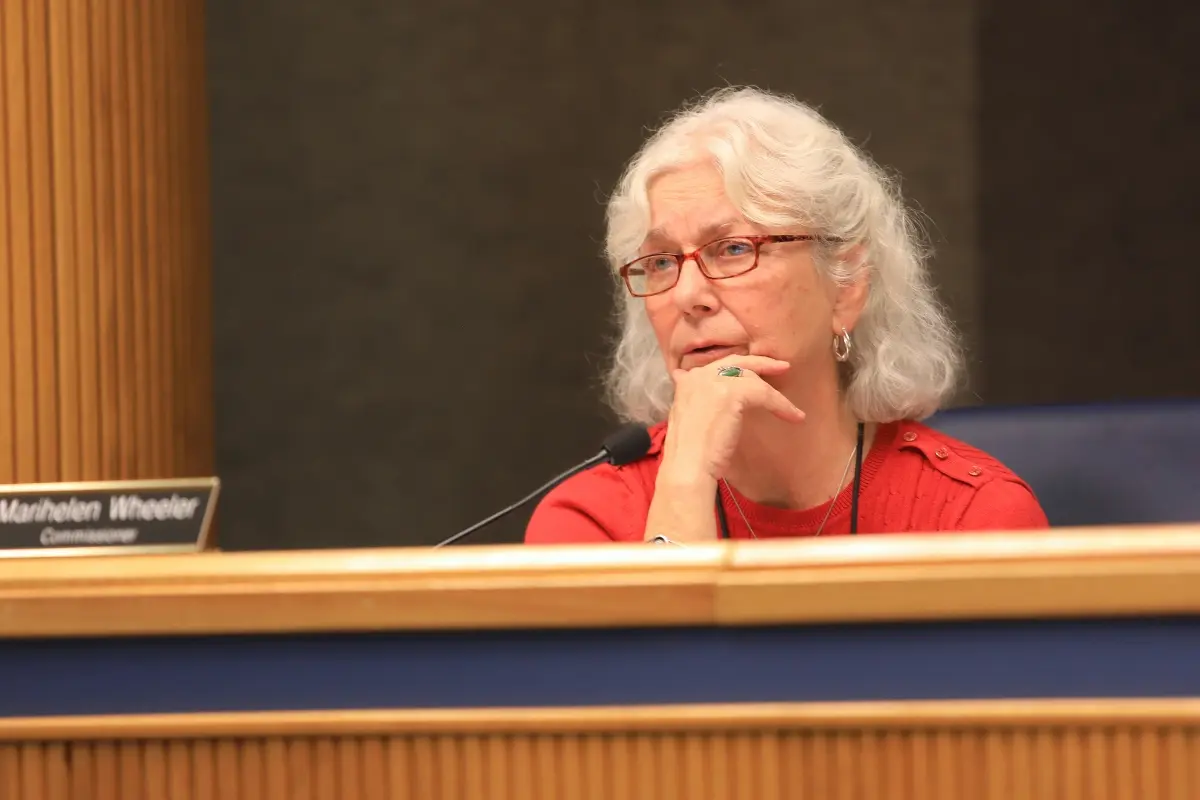
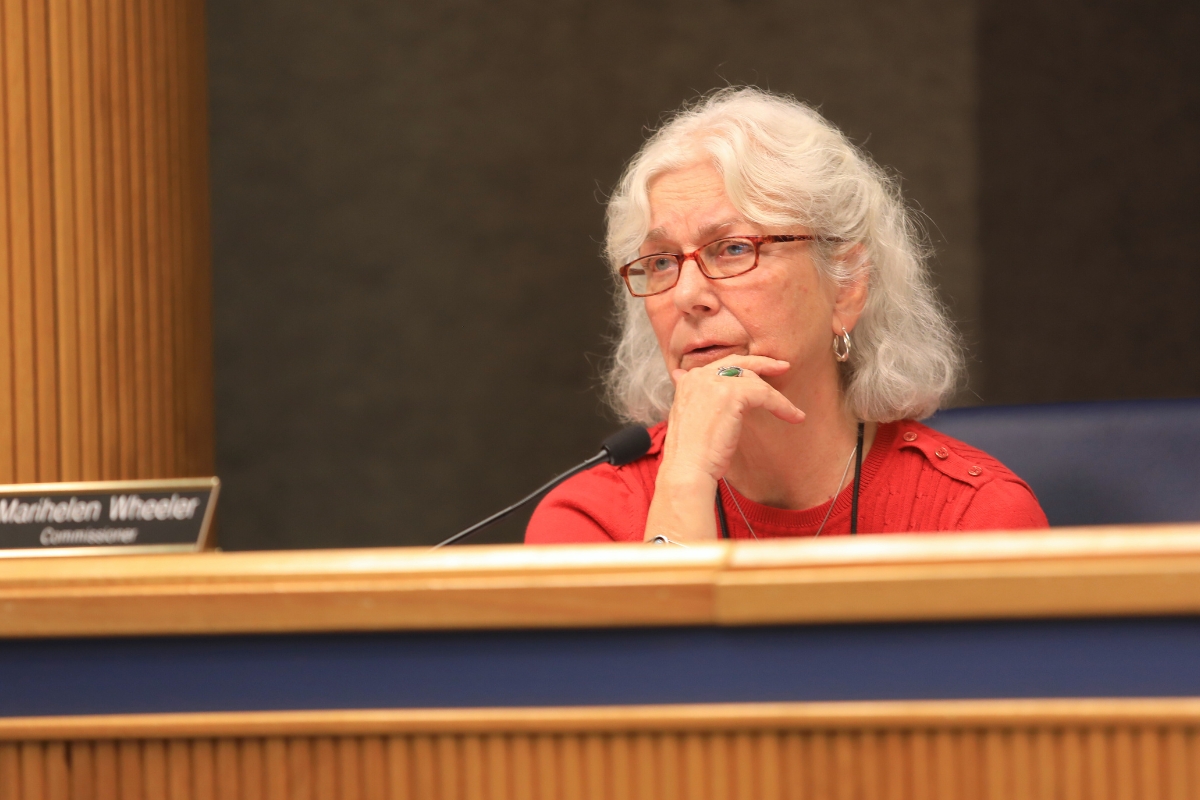
 ├── Motion 1: Comm. Marihelen Wheeler moves to approve RFP as-is to preserve timeline
 ├── Pushback: Comm. Chuck Chestnut criticizes "last-minute governance" pressure
 ├── Compromise: Prizzia offers substitute motion to realign RFP with Housing First
 └── Vote: Motion passes UNANIMOUSLY after staff confirms Oct 1 deadline is safe
1. The Consent Agenda Extraction
On Tuesday afternoon, the Alachua County Commission prepared to pass a standard consent agenda comprising 25 administrative items. Item 14—a $350,000 renewal allocation for homeless street outreach—was expected to pass without comment.
However, Commissioner Anna Prizzia halted the vote, pulling the item for separate public discussion after reviewing the underlying procurement documents released by the county’s designated administrative entity, the TaskForce for Ending Homelessness.
2. Uncovering the Policy Shift
Prizzia brought attention to the text of the active RFP published by the TaskForce to subcontract street outreach teams. While county backup materials described standard "housing-focused street outreach and permanent housing services," the published RFP explicitly solicited operators utilizing "treatment or recovery-based" approaches. Furthermore, the RFP required bidding organizations to demonstrate adherence to the Trump administration’s 2026 Five-Step Encampment Response Framework.
Prizzia argued that this language signaled an unauthorized departure from Alachua County’s adopted policy, which prioritizes immediate, unconditional placement in permanent housing over mandatory clinical treatment or sobriety preconditions.
3. Testimony from the Frontlines
The commission invited commentary from key institutional stakeholders, exposing sharp ideological divides:
- Joe Jackson, board attorney for GRACE Marketplace (the region’s primary low-barrier homeless shelter), delivered a scathing critique of the procurement document. Jackson categorized the RFP as a administrative "bait-and-switch," noting that while the front section referenced housing models, the operational criteria favored recovery-first contractors. He argued that the RFP was "antithetical to the National Alliance approach to street outreach" and emphasized that as the funding body, the BOCC must maintain strict control over policy direction.
- Jacob Torner, Vice President of Programs for the TaskForce for Ending Homelessness, countered that operational practices on the ground would remain housing-centered. However, he acknowledged that the RFP draft incorporated broader federal service definitions.
4. Administrative Defense and the Federal Fine Line
Claudia Tuck, Director of Alachua County Community Support Services, offered a candid defense of county staff, describing the intense regulatory tightrope her department must navigate.
Tuck, who personally spearheaded the adoption of the Housing First model in Alachua County, explained that the federal government—which provides over $1 million annually in local homeless and housing assistance—has altered its evaluation rubrics under HUD guidance. Federal scoring metrics now scrutinize how local Continuums of Care integrate treatment options and encampment management frameworks into their broader portfolio.
"We have to make those other services available to align with what the federal government… is saying," Tuck testified. "So what we’re trying to do is walk that fine line in the middle… I’m the strongest advocate of housing first. I’m the one that brought it here. So, this is tough for all of us. This is not an easy day, but they’re looking at everything."
5. Procedural Friction and the Final Compromise
The debate shifted to practical timelines. The county’s existing street outreach contract was set to expire on September 30. A full delay or cancellation of the RFP risked creating an outreach coverage gap on October 1.
- Commissioner Marihelen Wheeler initially moved to accept staff’s original recommendation, approving the $350,000 allocation under the existing RFP to ensure uninterrupted service delivery, citing trust in staff’s management.
- Commissioner Chuck Chestnut seconded Wheeler’s motion but expressed sharp frustration over being forced to make policy decisions under threat of service disruption. Chestnut condemned the recurring pattern of high-stakes contracts appearing on agendas near execution deadlines.
Recognizing the board’s desire to uphold local housing policy without jeopardizing operations, Prizzia crafted a substitute motion. The motion directed staff to work immediately with the TaskForce to modify the active RFP language, stripping out mandatory compliance with treatment-first frameworks and re-centering the solicitation explicitly on Housing First principles.
County Procurement Director TJ White assured the board that procurement workflows would be adjusted, and Chair Ken Cornell confirmed with Tuck and Torner that the modification could be executed without delaying the October 1 start date or returning to the board for another multi-week review cycle. The substitute motion passed unanimously.
Supporting Context & Metrics
The Core Ideological Rift: Housing First vs. Treatment-First
The clash in Alachua County mirrors a national conflict over the administration of public homeless services:
┌─────────────────────────────────────────────────────────────────────────┐
│                           HOUSING FIRST MODEL                           │
├─────────────────────────────────────────────────────────────────────────┤
│ • Permanent housing provided immediately without preconditions         │
│ • Treatment, sobriety, or service compliance are optional               │
│ • Core Philosophy: Stability in housing is prerequisite for recovery    │
│ • Local Application: Alachua County 67-unit motel conversions           │
└─────────────────────────────────────────────────────────────────────────┘
                                   VS
┌─────────────────────────────────────────────────────────────────────────┐
│                   TREATMENT-FIRST / RECOVERY MODEL                      │
├─────────────────────────────────────────────────────────────────────────┤
│ • Housing contingent upon clinical compliance, treatment, or sobriety    │
│ • Aligned with Trump Admin 2026 Five-Step Encampment Response Framework │
│ • Core Philosophy: Behavioral stabilization must precede housing       │
│ • Federal Context: Drives federal HUD scoring and grant allocations      │
└─────────────────────────────────────────────────────────────────────────┘
Alachua County has invested heavily in the Housing First model over recent years. Most notably, the county acquired and renovated two local motels, converting them into 67 units of permanent supportive housing. These units operate on a low-barrier basis, meaning residents are provided stable shelter regardless of active substance use or mental health conditions, paired with voluntary support services.
Conversely, the national policy shift initiated under the Trump administration advocates for recovery-based interventions, law enforcement coordination during encampment clearings, and mandatory treatment linkages—frameworks formalized in the 2026 Five-Step Encampment Response guidelines.

Financial and Operational Impact
| Metric / Parameter | Value / Detail | Significance |
|---|---|---|
| Local Outreach Allocation | $350,000 | Year 3 funding allocated directly from Alachua County general funds. |
| Federal CoC Grant Exposure | > $1,000,000 | Annual federal funding vulnerable to HUD policy scoring shifts. |
| County Permanent Supportive Housing | 67 Units | Created via two converted motel properties adhering to Housing First. |
| Existing Outreach Expiration | September 30 | Strict operational deadline requiring immediate procurement resolution. |
| New Contract Execution | October 1 | Start date for the subcontracted street outreach team. |
Procurement Bottlenecks and Governance Pressure
A central issue during the commission’s deliberation was the timing of contract presentations. TJ White, Alachua County Procurement Director, acknowledged that launching an RFP process in August for an October 1 contract start date creates an acute window of operational risk.
When intermediary non-profits (such as the TaskForce for Ending Homelessness) manage subcontracts on behalf of the county, late-stage commission reviews severely constrain elected officials’ ability to modify policy criteria without triggering lapse-of-service gaps. White noted that procurement staff will attempt to pull RFP release windows forward by several months in future cycles to insulate policy oversight from logistical deadlines.
Official Statements
Commission Oversight & Local Autonomy
"The RFP, as it’s drafted, contains section after section that refers to seeking a recovery-based or treatment-based approach, which in fact is favored by the Trump administration and is antithetical to the National Alliance approach to street outreach."
— Joe Jackson, Board Attorney for GRACE Marketplace"I have no problem threading the needle and allowing treatment-first operators to apply, but the RFP isn’t worded that way. It specifically solicits those treatment-first operators at the expense of our housing-first commitment."
— Anna Prizzia, Alachua County Commissioner
Administrative Realities & Federal Compliance
"We’re applying through the continuum of care for federal funding, drawing it down… Anything that we do locally, the federal government has made it clear that they will be looking at communities and how they’re handling their services. The federal government has changed. I’m the strongest advocate of housing first… but they’re looking at everything."
— Claudia Tuck, Director of Alachua County Community Support Services
Governance and Administrative Friction
"It’s just not right to do this kind of stuff here at this last minute. To me, it’s just not right. You know, I’m getting kind of fed up with this. It’s been happening a lot in our community."
— Chuck Chestnut, Alachua County Commissioner
Future Outlook
The immediate resolution of Tuesday’s BOCC meeting allows Alachua County to preserve its $350,000 street outreach program without interruption on October 1. Staff and representatives from the TaskForce for Ending Homelessness will scrub the active RFP of mandate-heavy treatment language, bringing the solicitation back into compliance with local Housing First directives while attempting to preserve enough operational flexibility to satisfy federal evaluators.
However, this systemic compromise highlights a larger challenge for local municipalities across Florida and the nation:
- Sustained Funding Friction: As federal HUD directives increasingly mandate alignment with treatment-first protocols and active encampment enforcement strategies, local jurisdictions committed to low-barrier Housing First policies will face mounting pressure when applying for federal Continuum of Care grants.
- Re-engineering Procurement Timelines: Alachua County’s procurement office must institutionalize earlier RFP development cycles. Pushing procurement windows forward by 90 to 120 days will give county commissioners the lead time necessary to inspect public solicitations and resolve ideological disputes long before contract expiration dates arrive.
- Local vs. Federal Financial Independence: To preserve absolute policy autonomy over housing models like the 67-unit supportive motel housing network, county commissions may ultimately need to evaluate the degree to which local tax revenues can insulate critical social safety-net programs from shifting federal mandates.

0 Comments