

Executive Overview
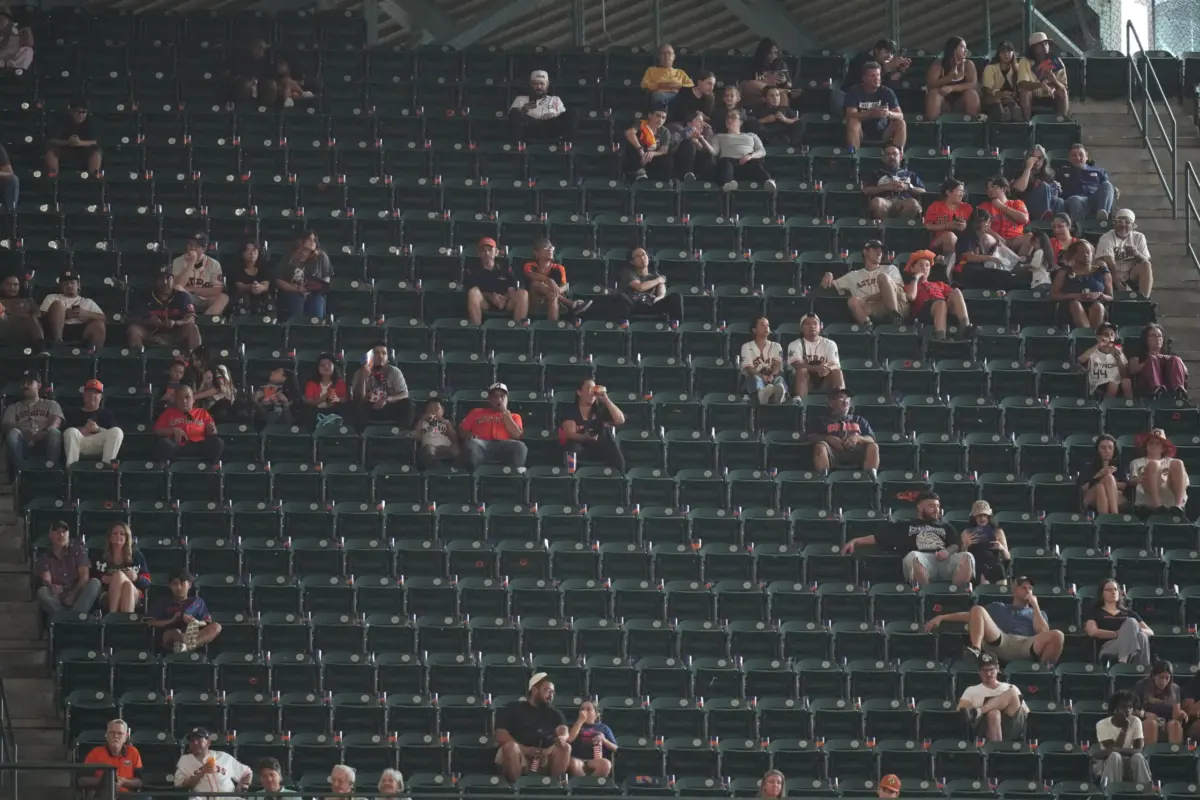
HOUSTON — In a surreal scene that starkly contrasted with a decade of raucous October baseball in Texas, Daikin Park bore a surprisingly hollowed-out appearance on Tuesday afternoon. Large swaths of vacant seats, particularly blanketing the upper decks, stood out as right-hander AJ Blumbaugh threw the game’s first pitch at 4:10 p.m. for Game 1 of the American League Wild Card Series.
The Houston Astros, who made Major League Baseball history by punching their postseason ticket despite finishing the regular season with an uninspiring 81-81 record, found themselves greeted by an ambient hush rather than the deafening roar usually reserved for autumn baseball. While the lower and middle bowls saw moderate attendance as fans trickled in past the early start time, the optics of the stadium told a complex story of a fanbase grappling with historic mediocrity, awkward scheduling, and a lingering sense of sports fatigue.
This postseason appearance marks a return to the playoffs for Houston after a one-year absence, following an uncharacteristic year out of the mix. Yet, the path to October was unlike any seen before in a full-length MLB campaign. The Astros became the very first division winner in baseball history to secure a postseason berth with a record at or below the .500 mark.
For an organization that built a perennial powerhouse—reaching seven consecutive American League Championship Series from 2017 to 2023 and capturing World Series titles in 2017 and 2022—the muted atmosphere served as a jarring wake-up call. It raised questions about the shifting psychology of a sophisticated sports market when faced with a compromised product, even if that product still managed to cross the regular-season finish line first in a historically weak American League West.
Detailed Chronology of a Strange Opening Day
The prelude to Game 1 of the 2026 AL Wild Card Series lacked the frantic, electric energy that has typically defined October in Space City. Long before the first pitch, the usual tailgating fervor and congested concourses were noticeably subdued.
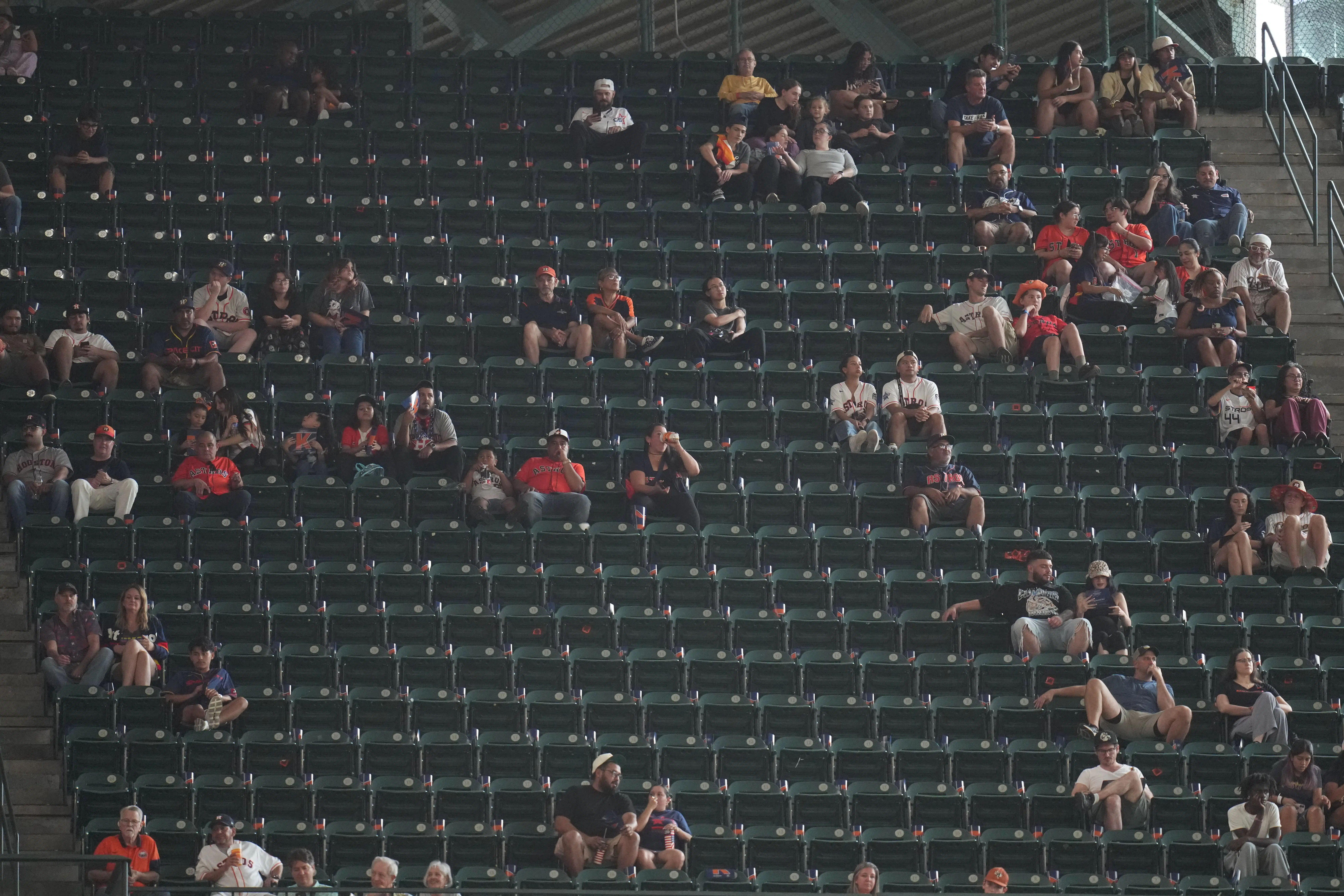
By the time the game got underway at 4:10 p.m. local time on a Tuesday, the visual reality on television and inside the park was unmistakable. The upper deck featured vast expanses of uninterrupted plastic orange and gray, untouched by fans. While the lower bowl and mezzanine levels eventually filled out to a more respectable density as the game progressed into the middle innings, the initial impression was cast: playoff baseball in Houston was experiencing an unprecedented lukewarm reception.
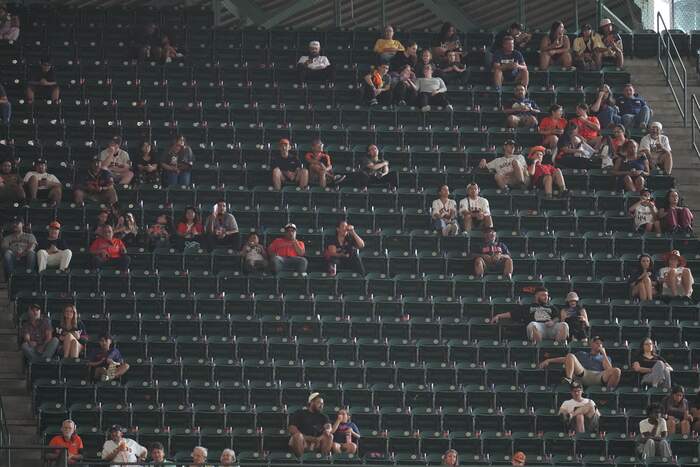
The opening moments of the contest mirrored the strange atmosphere. AJ Blumbaugh, thrust into high-stakes playoff action, delivered the game’s opening strike to a stadium echoing with the sound of scattered applause rather than the earth-shaking vibrations of past Octobers.
Concession stands experienced unusually short lines during the early frames, and the team store saw modest foot traffic compared to the frenzied merchandise rushes of prior championship runs. Even the high-powered executive suites and premium seating sections featured empty cushions—a rare sight for a franchise accustomed to selling out corporate boxes months in advance.
As the game wore on against the Chicago White Sox, the crowd size swelled marginally, but the energy remained subdued. The stark contrast between the packed houses of the 2017–2023 glory years and the cavernous voids of Tuesday afternoon highlighted a stark transition period for a franchise trying to bridge the gap between a fading dynasty and an uncertain, limping present.
Supporting Context & Metrics: How the Astros Reached October
To understand the empty seats at Daikin Park, one must first examine the grueling, injury-plagued road the Astros traveled to reach the postseason. Houston’s path to the 2026 playoffs was an exercise in survival rather than dominance.
The Historic .500 Division Title
Finishing the 162-game regular season with an exact 81-81 record, the Astros managed to capture their division crown largely due to a collective regression across the rest of the American League West. It marks the first time in Major League Baseball history—excluding the pandemic-shortened 2020 season—that a team has advanced to the postseason with a record of .500 or worse.
Regular Season Attendance vs. Postseason Reality
During the 162-game marathon, the Astros averaged 30,519 fans per game, placing them 14th overall in Major League Baseball attendance. While a respectable middle-of-the-pack figure, it represented a noticeable cooling trend compared to the peak years of their dynasty, when Daikin Park (formerly Minute Maid Park) operated at or near 100% capacity on a nightly basis.
A Decade of Exhaustion and Attrition
The psychological toll of sustained excellence cannot be overstated. From 2017 to 2023, Houston baseball fans enjoyed an unprecedented golden era:
- Seven consecutive ALCS appearances (2017–2023)
- Four American League Pennants (2017, 2019, 2021, 2022)
- Two World Series Championships (2017, 2022)
However, the 2024 and 2025 campaigns brought significant roster turnover, mounting injuries to key pitching and hitting cornerstones, and a visible fatigue within the fanbase. Missing the postseason entirely in 2025 broke a remarkable streak of consistency, leaving fans bewildered. When the team limped across the finish line at 81-81 in 2026, the reaction from the local ticket-buying public was not unbridled jubilation, but rather cautious—and sometimes apathetic—hesitation.
Official Statements and Leadership Perspectives
Behind closed doors, the optics of a half-empty ballpark during the postseason did not go unnoticed by baseball’s power brokers. Prior to Tuesday’s opening pitch, Houston Astros owner Jim Crane was spotted in deep conversation with MLB Commissioner Rob Manfred near the field, with discussions reportedly touching on the health of the franchise, regional television markets, and the structural integrity of the expanded postseason format.
While neither executive addressed the sparse crowd directly in formal press conferences, league insiders have long debated the unintended consequences of rewarding mediocre division winners with automatic playoff hosting duties.
"When you hand a postseason spot and a home game to a team that didn’t win a single game more than they lost, you test the loyalty and economic goodwill of your consumer base," noted one high-ranking baseball operations executive who spoke on the condition of anonymity. "Fans are smart. They know the difference between an elite juggernaut and a team that simply backed into the tournament because their division collapsed."
Nevertheless, Astros manager and front-office personnel have consistently praised the resilient core of players who fought through relentless injuries to keep the streak alive. Reaching the postseason for the ninth time in 10 years is, by any historical metric, an organizational triumph—even if the regular-season win column failed to reflect the traditional grandeur of past Houston rosters.
Future Outlook: A Turning Point for the Franchise
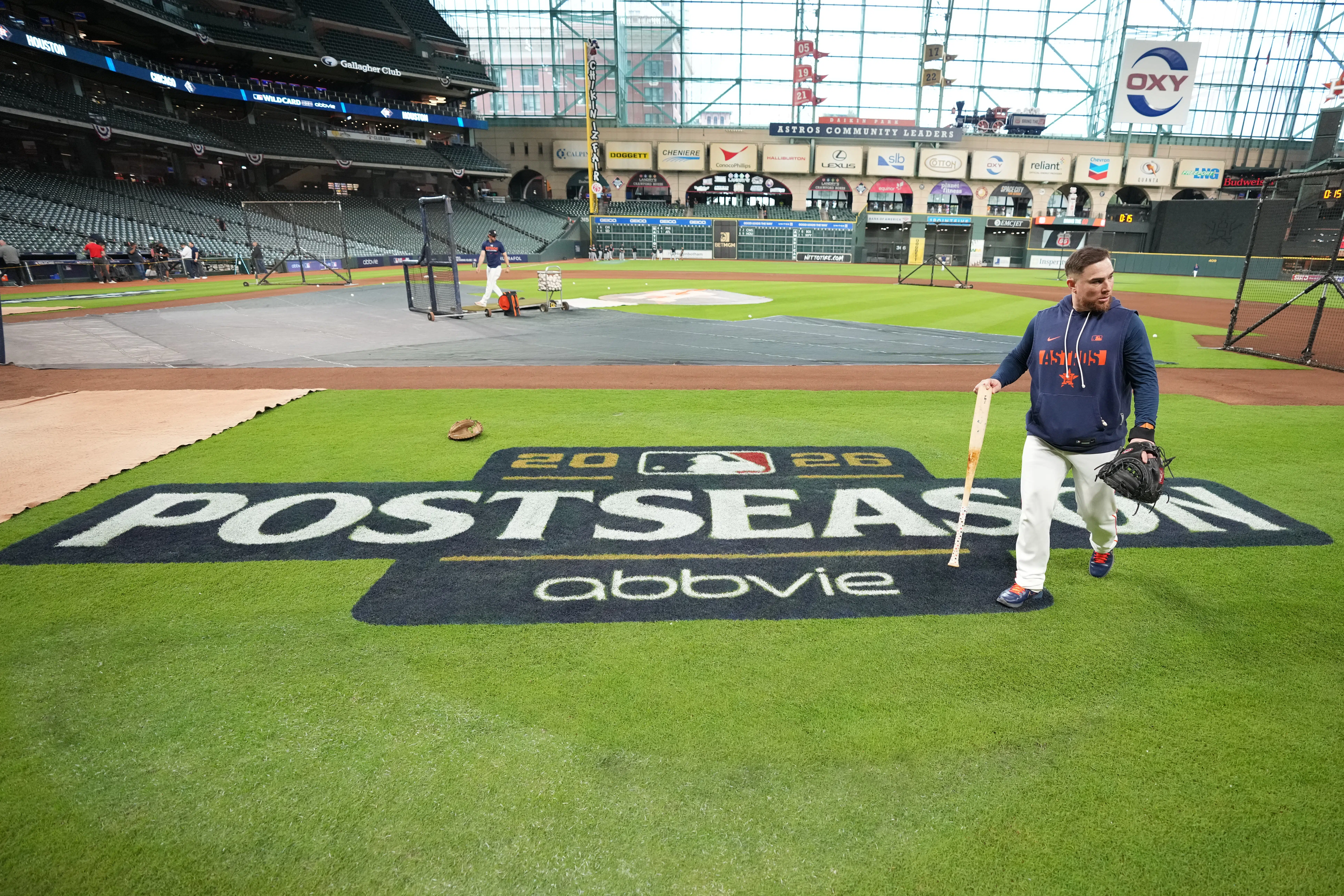
The surreal scenes of Tuesday afternoon at Daikin Park may well serve as a watershed moment for the Houston Astros organization. As baseball continues to evaluate its playoff format, wild-card structures, and the value proposition of regular-season performance, the events in Houston highlight a growing disconnect between expanded postseason accessibility and fan enthusiasm.
Looking ahead, the Astros face a critical offseason regardless of how deep their run into the 2026 postseason extends. The current roster is aging, core contributors are nearing the twilight of their prime years, and the farm system must inject fresh, dynamic talent to recapture the imagination of a market that has been spoiled by greatness.
If an 81-81 division winner is the new normal for a transitional era in Houston, the franchise will need to work doubly hard to rekindle the intense, sold-out atmosphere that once made Daikin Park one of the most feared venues in all of professional sports. For now, the players must block out the empty seats in the upper deck, lock in on the diamond, and prove that a team with a .500 pedigree can still conjure October magic.

0 Comments