

Executive Overview
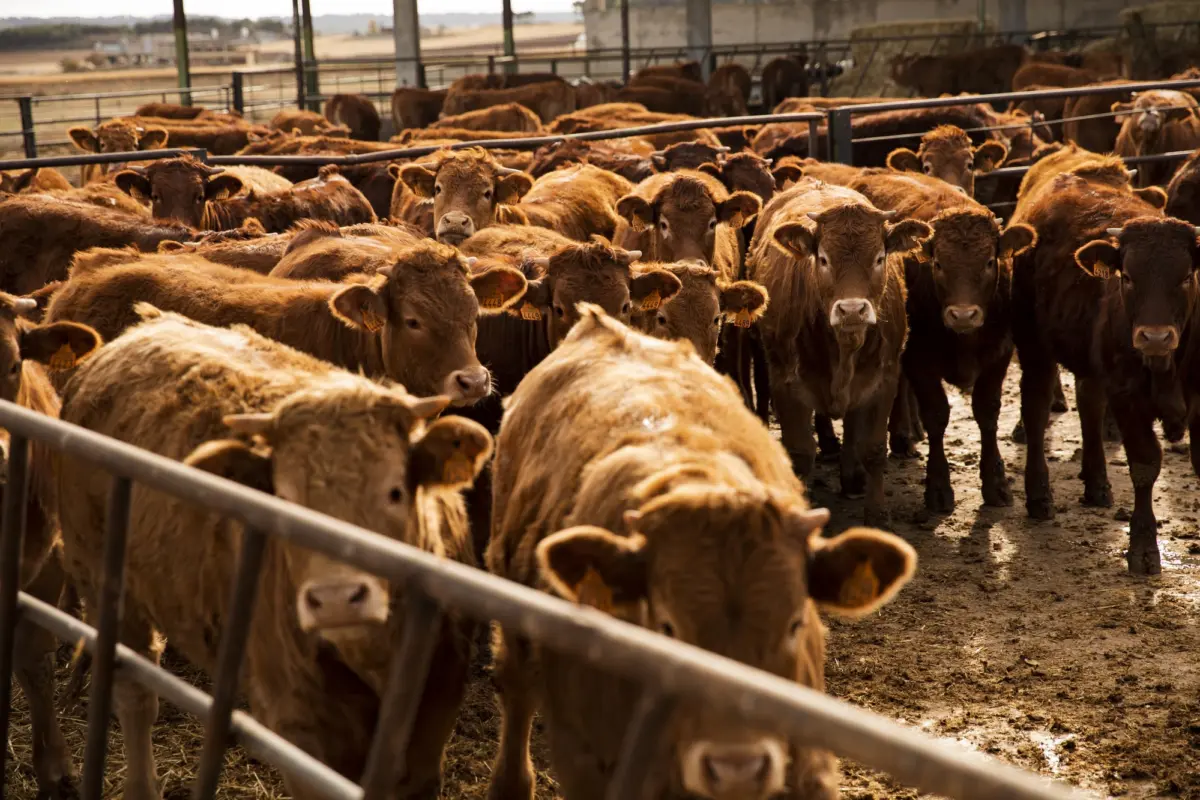
In a significant development for the North American agricultural supply chain, agricultural authorities have cleared the way for the reopening of a vital southern port of entry for live cattle originating from Mexico. Scheduled to resume operations this week, the Santa Teresa, New Mexico port of entry marks a critical milestone in the phased, highly scrutinized restoration of livestock trade across the U.S.–Mexico border.
This strategic reopening is not merely a logistical adjustment; it represents a carefully orchestrated balance between economic necessity and intense biosecurity vigilance. The resumption of cattle flows is governed by stringent New World Screwworm (NWS) Protection Protocols, a framework designed to shield domestic livestock industries from catastrophic parasitic infestations while steadily alleviating supply pressures for U.S. feedlots and meatpackers.
According to USDA Chief Economist Justin Benavidez, the reopening is unfolding through a measured, incremental approach. For the first month of operation, authorities are prioritizing rigorous compliance with the screwworm protocol while safely processing initial shipments. As inspection teams fine-tune operational capacities, the volume of cattle moving northward is slated to increase on a weekly basis, signaling a stabilizing trend for a critical agricultural sector that has long relied on cross-border integration.
Detailed Chronology: The Road to Reopening
The path to welcoming Mexican live cattle back through the Santa Teresa port has been defined by proactive containment strategies, regulatory diplomacy, and exhaustive risk assessments. Understanding the gravity of this reopening requires examining the timeline of biosecurity challenges that necessitated border restrictions in the first place.
The Threat of the New World Screwworm (Cochliomyia hominivorax)
The New World Screwworm is a devastating parasitic fly whose larvae feed on the living tissue of warm-blooded animals. Historically, this pest caused staggering economic losses to the livestock industries of North and Central America before being eradicated from the United States and Mexico through decades of sterile insect technique (SIT) programs managed cooperatively by the USDA and foreign agricultural partners.
However, the continuous threat of re-emergence in Central America and parts of South America requires constant surveillance. When regulatory bodies detect potential exposure risks or suspect vector movements near trade corridors, immediate safeguards are triggered. These safeguards often include temporary suspensions or deep reviews of livestock import protocols at southern ports of entry to prevent the establishment of the parasite in domestic herds.
Phased Resumption and Protocol Integration
The reopening of Santa Teresa does not represent a sudden return to pre-restriction volumes. Instead, it is the culmination of weeks—and in some cases months—of interagency coordination between the USDA’s Animal and Plant Health Inspection Service (APHIS), Mexican agricultural authorities (such as SENASICA), and regional livestock associations.
- Initial Risk Assessment & Biosecurity Audits: Before any port reopens, veterinary medical officers conduct comprehensive evaluations of inspection facilities, quarantine pens, and dipping vats on both sides of the border.
- Implementation of Enhanced NWS Protocols: Cattle presented for export must undergo exhaustive physical inspections by accredited veterinarians. Every animal is scrutinized for signs of myiasis (flystrike or parasitic wounds), treated prophylactically where mandated, and documented rigorously to ensure full traceability.
- The First-Month Ramp-Up Phase: As outlined by Chief Economist Justin Benavidez, the initial 30 days serve as a operational proving ground. Flow rates are intentionally kept manageable to ensure that inspection infrastructure is not overwhelmed, allowing veterinary teams to establish a seamless, repeatable rhythm.
- Iterative Volume Expansion: Following the successful completion of the initial stabilization phase, border processing capacities are adjusted upward week by week, safely integrating higher volumes of feeder cattle into the American livestock pipeline.
Supporting Context & Metrics: The Economic Importance of Cross-Border Cattle Trade
To fully grasp why the reopening of Santa Teresa is making headlines across agricultural circles, one must examine the deeply integrated nature of the North American cattle market.
The Feedlot-Ranch Pipeline
The United States cattle industry operates on a cyclical, highly specialized pipeline divided largely into cow-calf operations, backgrounding/stocker operations, and commercial feedlots. Mexican feeder cattle—frequently steers and heifers exported at lighter weights—play a vital role in this continuum.
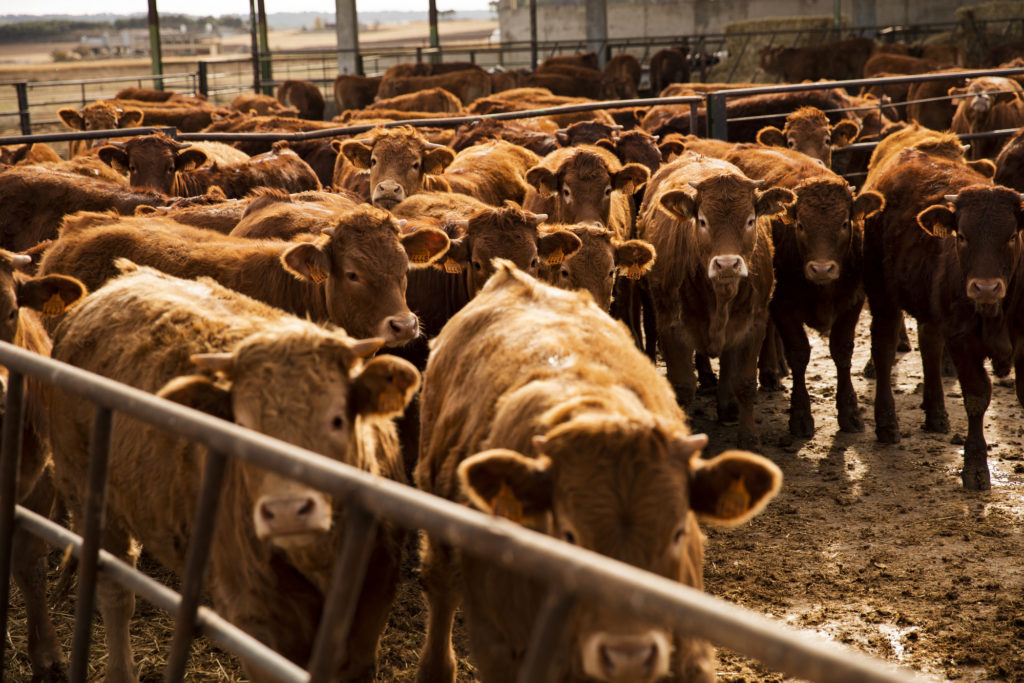
- Filling Feedlot Capacity: U.S. feedlots, particularly in the Southwest and Southern Plains, rely on a steady supply of incoming feeder cattle to maintain optimal operational efficiencies. Empty pens translate to higher overhead costs per head for packing plants and feedlot operators.
- Complementary Production Cycles: Importing feeder cattle helps balance seasonal fluctuations in domestic calf crops, stabilizing beef supplies and consumer prices over the long term.
Economic Impact on Regional Economies
Border states like New Mexico, Texas, and Arizona experience direct economic multiplier effects from the cross-border livestock trade. Beyond the direct sale value of the animals, active ports of entry support a robust ecosystem of:
- Accredited border veterinarians and animal health technicians.
- Specialized livestock trucking and logistics enterprises.
- Local feed, water, and holding facility operators.
- Custom brokers and regulatory compliance specialists.
When a port like Santa Teresa experiences restrictions or temporary closures, the friction ripples outward, increasing transportation costs as shipments are diverted to alternative, potentially congested ports of entry. Consequently, the gradual normalization of traffic at Santa Teresa promises immediate relief in logistical efficiency and transport expenditure.
Official Statements and Industry Insights
The reopening has drawn favorable commentary from agricultural economists and industry analysts who view the development as a testament to the resilience of bilateral agricultural cooperation.
USDA Perspective: Managing Flow and Safety
Highlighting the mechanics of the reopening, USDA Chief Economist Justin Benavidez emphasized both the caution and optimism guiding the initiative.
"USDA will open the Santa Teresa, New Mexico port of entry," stated Benavidez. "For the first month of opening, getting the New World Screwworm Protocol in place, moving cattle through, I know that the flow rate is slightly increasing every single week. So, this is a positive story to getting cattle back into the system."
This statement underscores the federal government’s dual commitment: protecting the national herd from foreign animal diseases while ensuring that international trade channels remain as fluid and predictable as biosecurity parameters allow.
The Role of Veterinary Vigilance
Behind the economic headlines lies a massive network of field veterinarians and regulatory officers. Industry experts have repeatedly stressed that the long-term success of trade resumptions depends heavily on grassroots reporting and strict adherence to inspection mandates. Whether dealing with routine export checks or specialized surveillance for screwworm myiasis, the vigilance of producers and veterinarians on both sides of the international boundary remains the first and most effective line of defense.
Future Outlook: What Lies Ahead for Southern Livestock Entry
As the Santa Teresa port of entry enters its critical first month of scaled operations, stakeholders across the livestock sector are looking toward the horizon with cautious optimism.
Monitoring and Adaptation
The immediate priority for the coming weeks is the flawless execution of the New World Screwworm Protection Protocols. Agricultural officials will closely monitor:
- Processing Times: Ensuring that enhanced inspections do not create excessive wait times or animal welfare concerns at holding yards.
- Health Surveillance: Maintaining zero tolerance for pest incursions through continuous post-import tracking and random veterinary spot-checks.
- Volume Scalability: Gradually increasing weekly quotas to match pre-restriction throughput levels without compromising biosecurity integrity.
Long-Term Resilience in North American Trade
The temporary adjustments and subsequent reopening of Santa Teresa highlight an overarching reality of modern agriculture: biosecurity and trade are inextricably linked. As supply chains become more sophisticated, the mechanisms governing animal health are also evolving.
By successfully implementing rigorous protocols while keeping trade arteries open, the U.S. and Mexican agricultural sectors are demonstrating a shared capacity to manage biological risks cooperatively. For cattle producers, feedlot operators, and consumers alike, the reopening of Santa Teresa is a welcome sign of stability, pointing toward a secure, well-regulated, and increasingly robust future for cross-border livestock commerce.

0 Comments