

Executive Overview
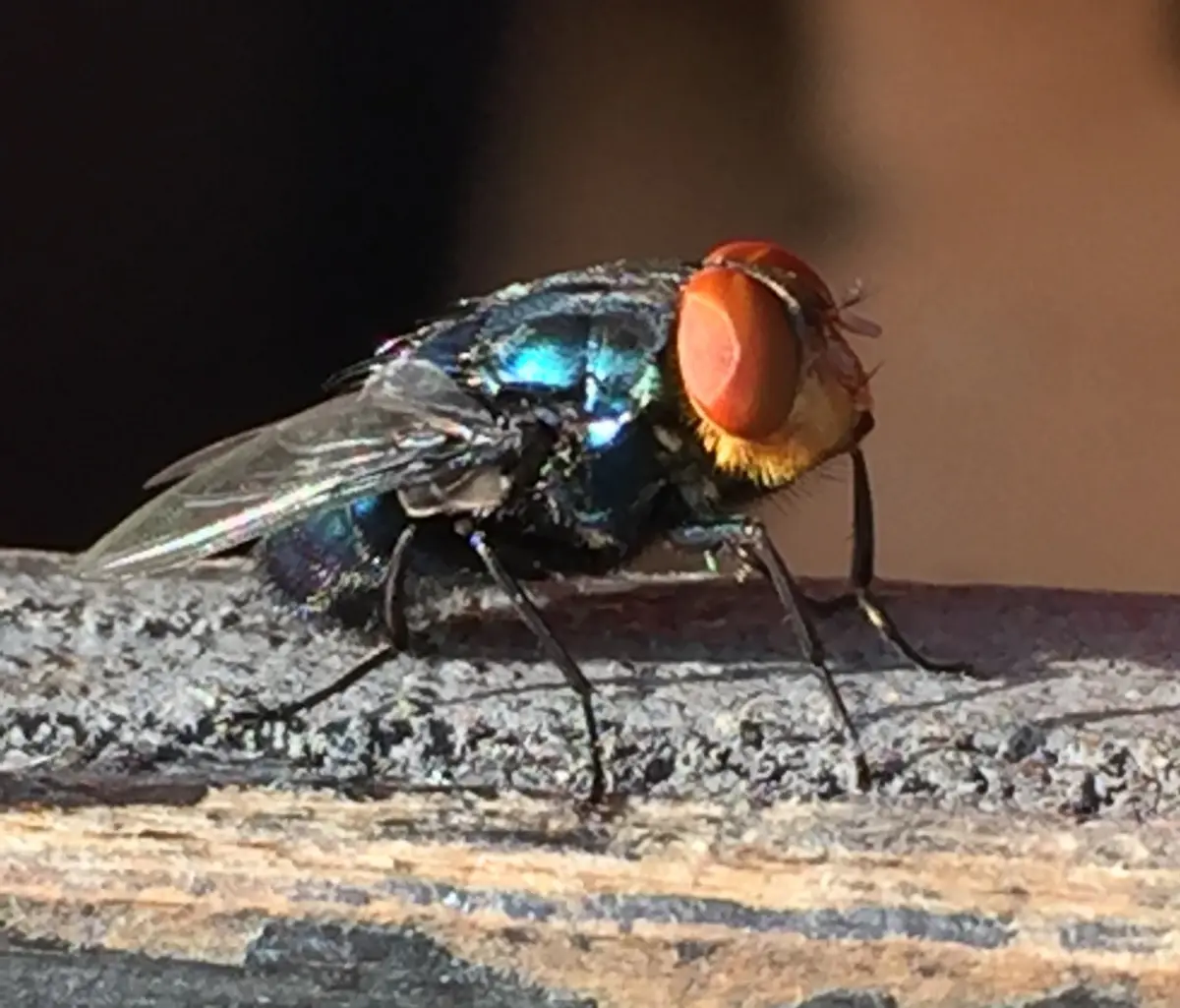
The reopening of southern ports of entry to live cattle imports from Mexico has sparked vital discussions across the agricultural sector regarding the biosecurity measures protecting American livestock. At the center of these discussions is the persistent threat of the New World Screwworm (Cochliomyia hominivorax), a devastating parasitic fly capable of inflicting catastrophic economic and biological damage on the livestock industry.
To shed light on the federal government’s defensive posture, Dr. Alan Huddleston, the Chief Veterinary Officer for the United States Department of Agriculture (USDA), recently detailed the rigorous protocols, inspection procedures, and emergency response mechanisms deployed at ports of entry. According to Dr. Huddleston, federal authorities maintain a zero-tolerance policy. Any detection of the New World Screwworm during border inspections triggers immediate, sweeping countermeasures, including the rejection of contaminated shipments, the temporary shutdown of affected facilities, and comprehensive sanitation protocols designed to safeguard the domestic cattle supply.
This report examines the operational frameworks governing cross-border livestock trade, the biology and historical context of the screwworm, the economic stakes for American agriculture, and the multi-layered surveillance systems deployed by the USDA’s Animal and Plant Health Inspection Service (APHIS).
Detailed Chronology: The Path to Reopened Borders and Increased Vigilance
Historical Eradication and the Continental Barrier
The battle against the New World Screwworm spans nearly a century. In the mid-20th century, the parasite wreaked havoc on livestock throughout the United States, Central America, and parts of South America, causing hundreds of millions of dollars in annual losses. The development of the Screwworm Eradication Program—pioneered by USDA entomologists Edward F. Knipling and Raymond C. Bushland in the 1950s—revolutionized pest control. By utilizing the sterile insect technique (SIT), which involves releasing millions of sterilized male screwworm flies into the wild to mate with native females without producing offspring, the U.S. successfully eradicated the pest from its territory by the early 1980s.
To maintain this freedom from the parasite, a biological barrier zone was established and maintained cooperatively with Mexico and Central American nations, pushing the permanent sterile fly barrier further south into Central America. However, maintaining this protective shield requires constant vigilance, international cooperation, and strict regulatory enforcement at every international border crossing.
Modern Trade Realities and Border Reopenings
Cross-border trade between the United States and Mexico represents a cornerstone of the North American cattle industry, supplying feedlots and bolstering domestic meat production. Periodically, trade pathways face temporary suspensions following epidemiological alerts or confirmed detections of screwworm activity in regions south of the established containment zone.
When southern ports of entry are cleared for reopening following a suspension, agricultural stakeholders naturally question the reliability of the safeguard systems. The transition from restricted access to resumed trade demands absolute confidence in APHIS inspection facilities. Dr. Huddleston’s recent briefings underscore that the reopening of ports does not signal a relaxation of standards; rather, it introduces a heightened phase of surveillance where every incoming herd undergoes rigorous scrutiny.
Official Statements and Operational Protocols
The USDA Response Framework
When asked about the exact protocols executed if the New World Screwworm is detected during routine import processing, Dr. Huddleston provided a clear and uncompromising sequence of events.
"That lot of animals is refused entry into the United States," Dr. Huddleston explained.
The enforcement mechanism, however, extends far beyond merely turning away a single infected animal. The discovery of the parasite triggers a comprehensive facility lockdown and an epidemiological trace-back investigation.
"If New World Screwworm is found on an animal when it is entering the APHIS inspection facility, all of the exports would be halted, the animals would be returned to their farms of origin, and this port would close down while we did a full cleaning and then assured that we have disinfested the premises, if that were to happen," Dr. Huddleston elaborated.
Step-by-Step Action Plan Upon Detection
- Immediate Rejection: The specific shipment containing the infested animal is barred from crossing the border.
- Export Halt: All live cattle exports passing through the specific facility or corridor are temporarily paused to prevent concurrent breaches.
- Repatriation: The affected lot of animals is sent back to their original farms of origin in Mexico under strict regulatory oversight.
- Facility Shutdown: The port of entry inspection facility is immediately closed to incoming trade.
- Sanitation and Disinfestation: USDA-APHIS personnel conduct intensive cleaning, vector eradication, and premises disinfestation to ensure no residual flies or larvae remain.
- Re-Certification: The port remains closed until veterinary authorities verify that the facility is completely free of risk and ready to resume safe inspections.
Supporting Context & Metrics: The Threat of Cochliomyia hominivorax
Understanding the Parasite
To appreciate the severity of USDA protocols, one must understand the biology of the New World Screwworm. Unlike typical blowflies that feed on dead tissue, Cochliomyia hominivorax targets living warm-blooded animals.
- The Infestation Process: Female flies are attracted to any existing wound, scratch, tick bite, or even the navel of a newborn animal. They lay eggs at the edge of the wound.
- Tissue Destruction: Upon hatching, the larvae (screwworms) burrow directly into the living flesh, feeding on tissue and bodily fluids. This creates a deep, pocketed wound that continually enlarges.
- Secondary Complications: Beyond the direct damage caused by larval feeding, the open wounds make the animal highly susceptible to secondary bacterial infections, myiasis, and opportunistic predators. Left untreated, a severe screwworm infestation can be fatal to livestock within 7 to 10 days.
Economic Stakes for the U.S. Livestock Industry
The re-establishment of the New World Screwworm in the United States would carry staggering economic consequences. Conservative economic models estimate that a widespread outbreak would cost the American livestock industry billions of dollars in:
- Direct livestock mortality and reduced weight gains.
- Increased labor costs associated with intensive herd inspection, treatment, and containment.
- Soaring veterinary expenses for treatments, larvicides, and wound management.
- International trade embargoes, as trading partners would likely ban U.S. beef and live cattle exports to prevent the parasite from spreading to their own herds.
Given these high stakes, the strict protocols outlined by Dr. Huddleston are not viewed by industry experts as overreach, but rather as essential insurance policies for the entire agricultural economy.
Industry Perspectives and Regional Collaboration
Producer Awareness and Reporting
Federal oversight alone cannot guarantee biosecurity; the cooperation of producers, veterinarians, and livestock handlers is equally critical. In regions with significant livestock populations—such as the Southeast and the southern border states—agricultural boards and extension offices actively promote educational campaigns.
Programs spearheaded by organizations like the Florida Cattle Enhancement Board and various regional cattlemen’s associations emphasize the importance of early detection and immediate reporting. Researchers and state veterinarians frequently remind producers to inspect livestock regularly for unusual wounds, persistent drainage, or signs of larval infestation. Prompt reporting allows state and federal agencies to trace potential vectors before local populations of native or stray flies can interact with imported carriers.
Technological and Logistical Advancements in Inspection
Modern APHIS inspection facilities are equipped with advanced diagnostic tools and veterinary infrastructure designed to handle high volumes of livestock without compromising safety. Veterinarians inspect animals for external parasites, open lesions, and behavioral indicators of distress.
Furthermore, ongoing international coordination between the USDA and Mexican agricultural authorities (such as SENASICA) ensures that pre-export quarantines, treatments, and certifications are administered before animals even reach the U.S. border. This tiered defense strategy—starting at the farm of origin in Mexico and culminating at the federal inspection port in the U.S.—significantly reduces the probability of an infected animal ever reaching the border facility.
Future Outlook
As global trade patterns evolve and climate conditions shift, maintaining robust biosecurity protocols will remain a paramount priority for the United States Department of Agriculture. The successful containment of animal diseases depends on transparency, strict enforcement, and proactive communication between federal authorities and agricultural stakeholders.
Dr. Huddleston’s recent clarifications serve as an important reassurance to the American livestock sector. By outlining a decisive, zero-tolerance policy that mandates immediate shipment rejections, port closures, and exhaustive sanitation procedures, the USDA demonstrates its commitment to preventing the resurgence of the New World Screwworm.
Moving forward, sustained investment in border inspection infrastructure, ongoing international partnerships for sterile fly production, and continuous education within the producer community will remain the cornerstones of America’s defense against this formidable agricultural threat.

0 Comments