

Executive Overview
Nearly two years after an 18-year-old Newberry resident lost his life during a routine hunting excursion in southwest Gainesville, the tragedy continues to cast a long, painful shadow over his family and the surrounding community. Malachi Lancaster died on December 8, 2024, under circumstances that state wildlife officials have officially categorized as a tragic accident. However, for his mother, Sophie Lancaster, the official narrative provided by investigators offers no comfort, no genuine accountability, and, above all, no closure.
The core of the dispute centers on conflicting conclusions regarding the mechanics of the fatal incident. According to reports issued by the Florida Fish and Wildlife Conservation Commission (FWC), Malachi Lancaster was navigating heavy brush alongside a companion off Williston Road when the trigger of the rifle he was carrying caught on surrounding vegetation, causing it to discharge fatally. Yet, Sophie Lancaster vehemently rejects this finding, raising profound questions about physical evidence, chain of custody, and the timeline of events. Specifically, she challenges the assumption that her son was the final person to physically handle the weapon before the fatal shot was fired.
This skepticism is further compounded by a puzzling discrepancy within official documentation: while the FWC report formally ruled the event an accidental death, Malachi’s official death certificate lists the manner of death as "undetermined." This bureaucratic and forensic contradiction has galvanized a grieving family to take matters into their own hands, transforming them into reluctant private investigators of their own son’s demise.
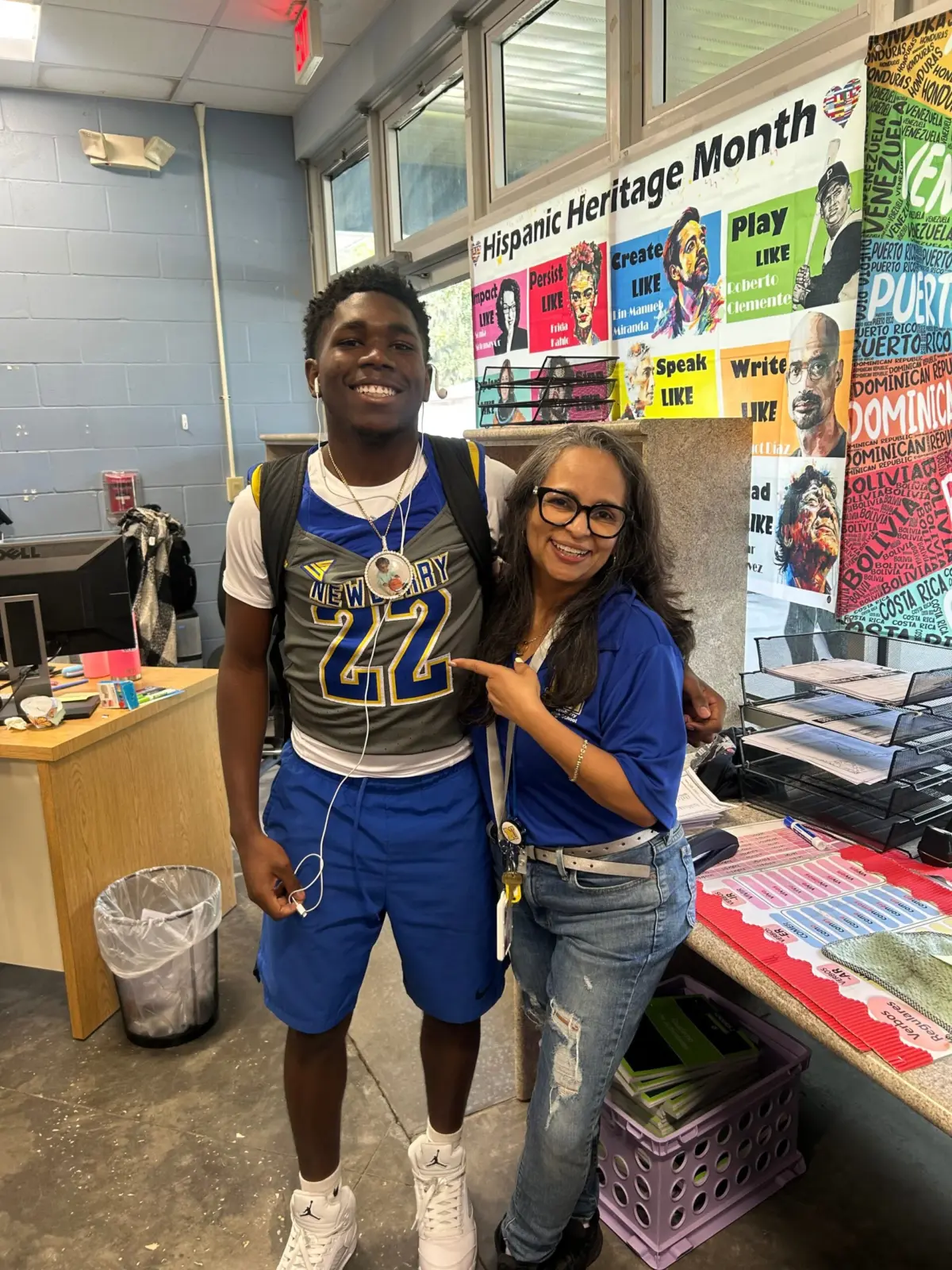
In response to the perceived failures of local and state oversight, the Lancaster family, alongside local advocates, has launched a broader public campaign. An online petition is rapidly gaining traction, demanding that the Florida Department of Law Enforcement (FDLE) step in, review the case files, and conduct an independent inquiry. As the community rallies behind the family—symbolized by gestures like Malachi’s cousin wearing his No. 22 Newberry High School football jersey on the gridiron—the pressure mounts on state authorities to re-examine the evidence. This report provides a detailed examination of the chronology of events, the mounting questions surrounding the official investigation, the broader implications for hunting safety and forensic standards in Florida, and the ongoing quest for absolute transparency.
Detailed Chronology of the Incident and Investigation
December 8, 2024: The Fateful Hunt in Southwest Gainesville
The morning of December 8, 2024, began like countless other weekend outings for young outdoor enthusiasts in Alachua County. Malachi Lancaster, an 18-year-old resident of Newberry, Florida, set out on a hunting trip in a wooded, semi-rural expanse located in southwest Gainesville, near the heavily traveled Williston Road corridor. He was not alone; he was accompanied by a friend and fellow hunter.
At the time, the area presented typical late-autumn hunting conditions: dense foliage, tangled brush, and uneven terrain. What was intended to be a routine day in the outdoors, however, transformed into an unimaginable nightmare. Sometime during the excursion, a single gunshot rang out. Malachi sustained a catastrophic, fatal injury. Emergency services were notified, but first responders arrived to find that the young man had already succumbed to his wound.
Initial Response and FWC Investigation
Because the incident occurred in a wilderness setting involving firearms and wildlife activities, jurisdiction over the primary field investigation fell to the Florida Fish and Wildlife Conservation Commission (FWC). FWC investigators, alongside local law enforcement personnel, secured the scene, interviewed the surviving companion, collected forensic evidence, and seized the firearm involved in the incident.
For weeks, family members and friends awaited answers as forensic pathologists, ballistics experts, and wildlife officers pieced together the sequence of events. In early 2025, the FWC released its preliminary findings, which were later solidified in comprehensive reports. According to the state’s official determination, the shooting was classified as a tragic, freak accident. Investigators concluded that Malachi was holding the rifle while maneuvering through heavy, tangled brush. In this scenario, a protruding branch or thicket snagged the trigger mechanism of the firearm, exerting enough tension to trip the sear and cause the weapon to discharge while pointed at or near the victim.
The Conflict of Conclusions: FWC Report vs. Death Certificate
While the FWC’s administrative and investigative conclusion pointed definitively toward an accidental discharge caused by environmental snagging, subsequent official documentation introduced critical ambiguities. When Malachi Lancaster’s official death certificate was finalized and issued, the medical examiner or certifying official designated the manner of death not as an accident, but as undetermined.
In forensic pathology and legal terms, an "undetermined" manner of death is utilized when available information regarding the circumstances of death is insufficient to definitively classify it as natural, accidental, suicide, or homicide. This specific classification requires clear, convincing evidence pointing to one category; when doubts remain, medical examiners default to "undetermined."
For Sophie Lancaster, this classification was not a minor administrative footnote—it was a glaring validation of her deepest fears. It signaled that the medical and forensic community could not reconcile the physical evidence with a simple, straightforward narrative of an accidental self-inflicted shooting. The divergence between the FWC’s "accidental" finding and the death certificate’s "undetermined" status became the foundational catalyst for the family’s refusal to accept the closure offered by the state.
Supporting Context, Metrics, and Forensic Questions
The Family’s Doubts and Forensic Inconsistencies
Sophie Lancaster’s public statements reveal a profound distrust of the investigative process, which she argues fell short from the initial municipal response all the way to state-level conclusions. Her primary contention challenges the core assumption of the FWC report: that Malachi was the sole handler of the rifle immediately prior to the shot.
In complex firearms investigations, determining the precise sequence of handling requires rigorous forensic testing, including:
- Touch DNA Analysis: Swabbing surfaces of the firearm—such as the stock, grip, trigger guard, and trigger—to isolate and profile multiple contributors of skin cells.
- Latent Print Recovery: Examining smooth and textured surfaces on the weapon for usable friction ridge details.
- Trajectory and Ballistics Reconstruction: Analyzing the angle of entry, bullet path, clothing fiber transfer, and powder stippling or residue to corroborate or refute the physical posture of the victim at the moment of discharge.
While law enforcement standard operating procedures dictate that these tests be performed, the specific details regarding whether comprehensive touch DNA was cross-referenced against all individuals present at the scene have become a central point of contention for the Lancaster family. Sophie Lancaster has publicly asserted her disbelief that her son was the last person to touch the rifle, introducing the harrowing possibility of alternate scenarios that she feels were inadequately explored by wildlife officers accustomed to investigating wildlife violations rather than complex suspicious deaths.
The Burden of Self-Investigation
The emotional toll of losing an 18-year-old son is immense; compounding that grief with the burden of acting as an independent detective is a cruelty no family should endure. In her public remarks, Sophie Lancaster articulated this agonizing reality:
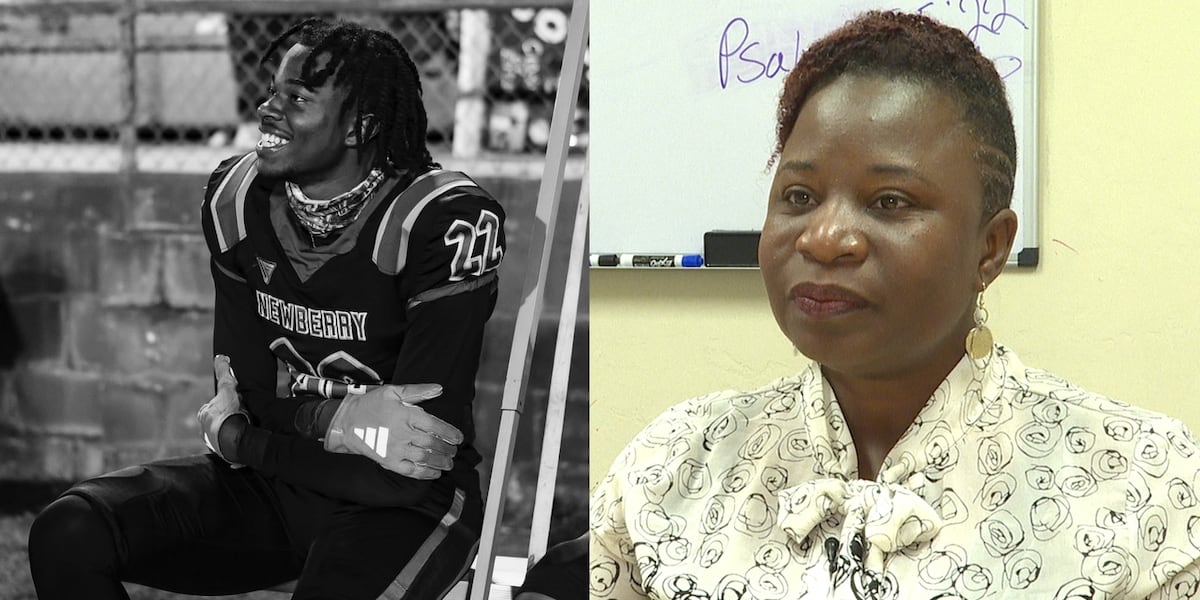
"I have a focus on the system that has failed my family from the local level to the state level… Now you have to step into being an investigator yourself."
This sentiment echoes a broader pattern seen in controversial forensic cases nationwide, where grieving families, unsatisfied with closed-door administrative conclusions, feel compelled to scrutinize police reports, consult independent ballistics experts, and lobby public officials for transparency. The Lancaster family’s experience highlights systemic gaps in how non-criminal investigative findings are communicated to families, leaving them feeling alienated, dismissed, and stranded in a perpetual state of uncertainty.
Official Statements and Community Response
The Voice of the Family: Seeking Truth Over Convenience
Throughout the ordeal, Sophie Lancaster has maintained a dignified yet relentless pursuit of transparency. Her motivation is rooted not just in personal grief, but in a broader philosophical commitment to her son’s dignity and the integrity of the justice system.
"The truth does matter, and Malachi definitely 100% mattered," Sophie Lancaster stated during a recent interview.
She has described the FWC’s handling of the case as leaving her family in a vacuum of unanswered questions, robbing them of the psychological closure necessary to begin the long-term healing process. By speaking out, she hopes to compel higher-level state authorities to review the case file with fresh eyes, unburdened by any institutional bias to uphold the initial field determination.
Community Solidarity and Grassroots Mobilization
The impact of Malachi Lancaster’s death extends far beyond his immediate household, deeply affecting the close-knit community of Newberry and the wider Alachua County area. Friends, classmates, and sympathetic citizens have rallied around the family in profound ways.
A visible tribute to Malachi’s memory can be seen on Friday nights at Newberry High School football games. Malachi’s cousin, Elijah, proudly dons the No. 22 jersey previously worn by Malachi, turning every snap and tackle into a moving tribute to his fallen relative. This athletic tribute serves as an emotional touchstone for students and faculty who remember Malachi as a vibrant young man with a promising future.
Digital spaces have also become a battleground for awareness and support. Sophie Lancaster noted that she first became aware of independent community efforts when she observed strangers posting slogans like "Justice for Malachi" across social media platforms. While initially arising organically without direct family coordination, these digital footprints demonstrated the sheer resonance of the case.
The Push for an FDLE Review and the Change.org Petition
Capitalizing on this grassroots momentum, supporters and family members have escalated their advocacy from digital posts to formal action. A petition hosted on Change.org—titled "Justice for Malachi Lancaster: Demand FDLE Reopen His Case"—is currently circulating widely across Florida and beyond.
The petition calls directly upon the Florida Department of Law Enforcement (FDLE)—the state’s premier investigative agency with vastly broader jurisdictional scope, specialized forensic resources, and investigative independence compared to the FWC—to step in, pull the case files, and conduct an independent review of the evidence.
Local media outlets, including WCJB TV20, have reached out directly to the FDLE to inquire whether the state agency intends to formally accept the petition’s request and initiate a review. As of publication, official responses from the FDLE regarding a potential reopening or secondary review of the case remain pending.
Future Outlook: What Lies Ahead for the Lancaster Case?
The Legal and Administrative Pathways
As public pressure intensifies through the circulation of the petition and continued media coverage, several potential pathways lie ahead for the Lancaster family’s quest for answers:
- Administrative Review by FDLE: If public outcry reaches a critical threshold and state legislators or executive officials take notice, the FDLE may choose to conduct a preliminary file review. This involves an internal assessment of the FWC’s investigative notes, ballistics reports, and medical examiner findings to determine whether investigative oversights occurred that warrant a formal state inquiry.
- Independent Forensic Consultation: Lacking a voluntary reopening by state agencies, families in similar positions frequently turn to private, retainer-based forensic pathologists, independent crime scene reconstructionists, and legal counsel. An independent expert review of the autopsy photographs, weapon mechanics, and scene diagrams could provide the concrete data needed to formally petition the courts or the state attorney’s office for further action.
- Legislative Advocacy: Families dealing with disputed investigative findings often lobby state lawmakers to reform how hunting accidents and undetermined deaths are handled, pushing for mandatory independent multi-agency reviews whenever a fatality occurs under ambiguous field conditions.
The Enduring Legacy of Malachi Lancaster
Ultimately, the fight led by Sophie Lancaster is about more than a single firearm, a disputed woodland trail in southwest Gainesville, or a contradictory phrase on a death certificate. It is about accountability, transparency, and the fundamental right of a family to know the unvarnished truth of how their child drew his last breath.
As the petition continues to gather signatures and community members keep Malachi’s memory alive—whether through the No. 22 jersey on the football field or conversations across Alachua County—the demand for answers refuses to fade. The ball now rests in the court of state authorities: will the Florida Department of Law Enforcement heed the calls of a grieving mother and a mobilized community to shine an independent light on the case, or will the questions surrounding Malachi Lancaster’s final moments remain permanently unanswered?
For Sophie Lancaster and her family, the answer will determine whether true peace can ever be attained.

0 Comments