

TALLAHASSEE, Fla. — In the landscape of contemporary higher education, transfer students have historically navigated a gauntlet of administrative hurdles, credit evaluations, and systemic friction. Often viewed as temporary visitors rather than core constituents of a university community, these students have faced disproportionately lower graduation rates and extended timelines for earning a degree.
However, a quiet revolution is taking place in Florida’s capital.
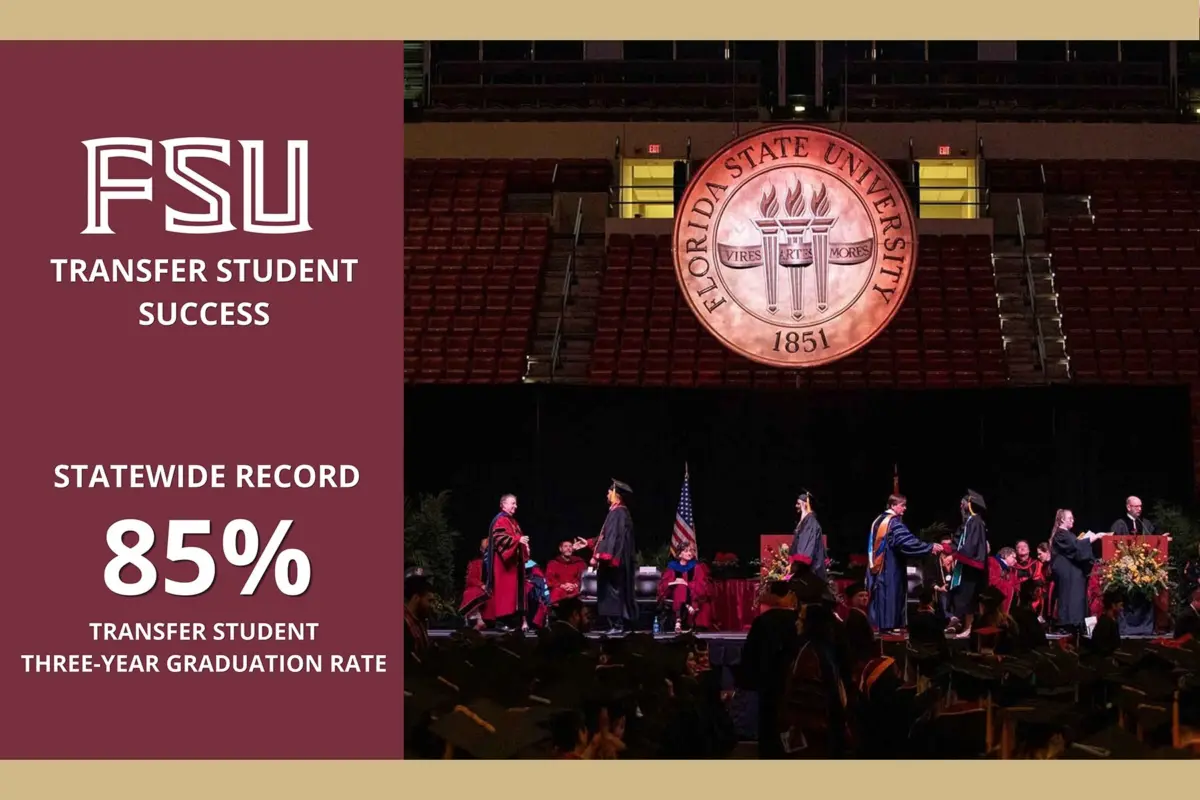
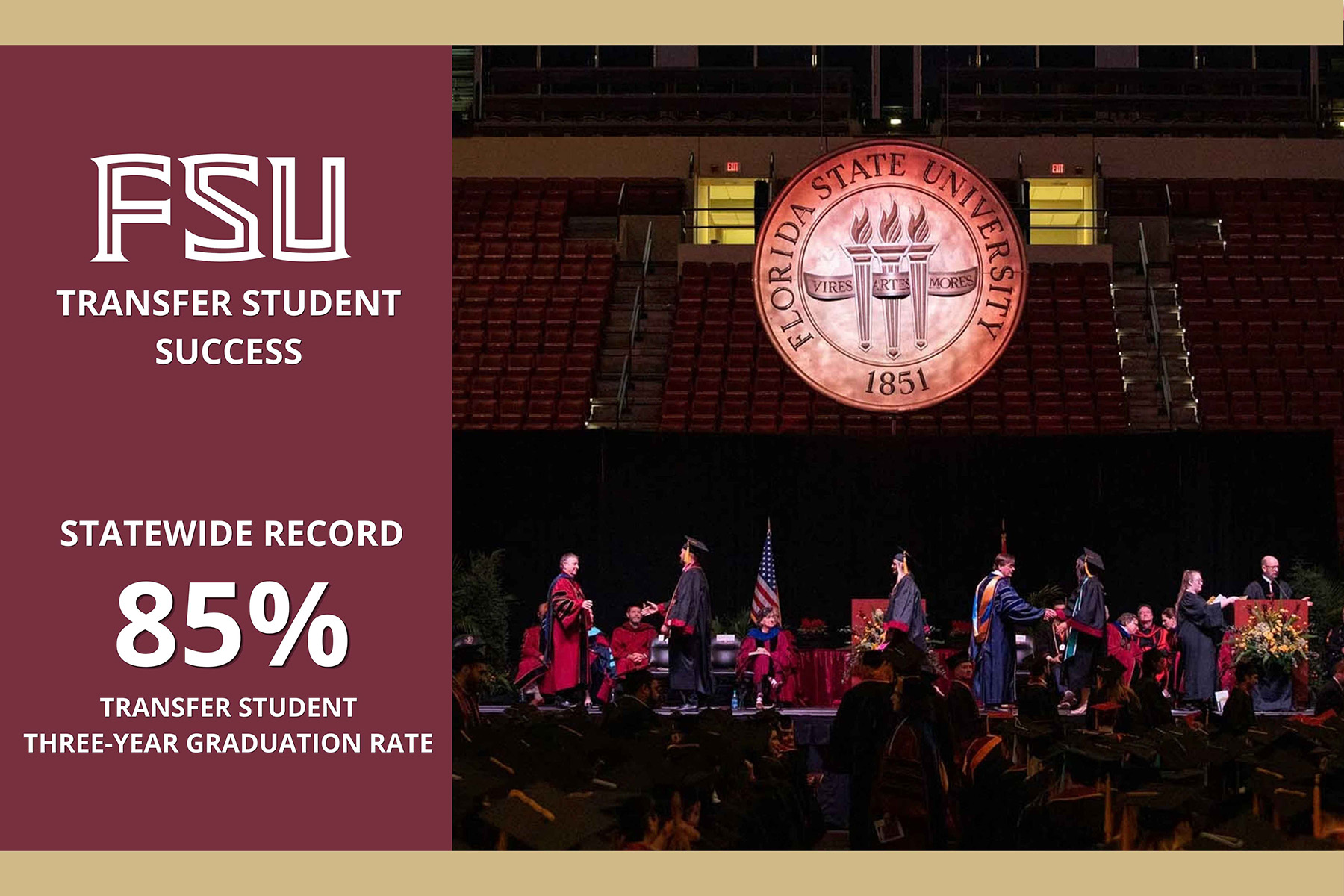
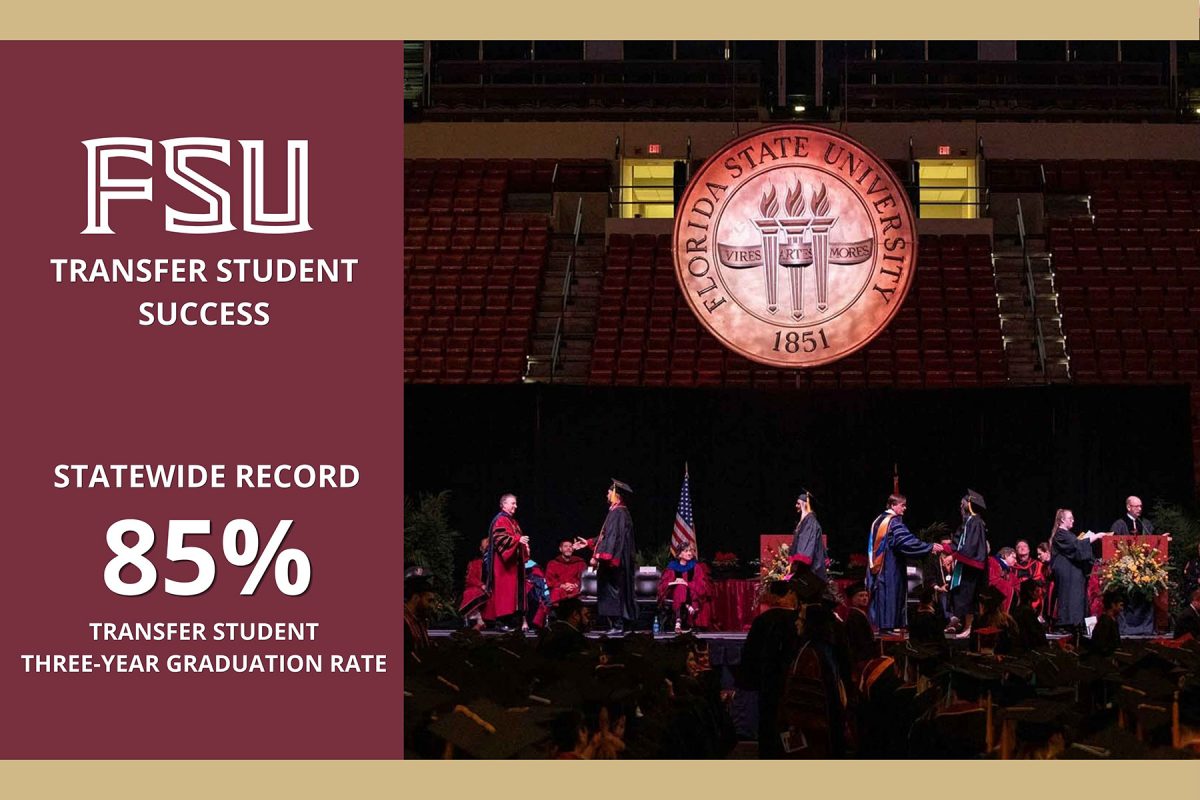
Florida State University (FSU) has officially shattered state and national benchmarks, recording an unprecedented 85% three-year graduation rate for students entering the institution with an Associate in Arts (A.A.) degree from another institution. This remarkable milestone—achieved for the Fall 2026 cohort—not only outpaces every other institution within Florida’s robust state university system, but it also vaults FSU to the vanguard of national conversations surrounding institutional support, student mobility, and educational equity.
This achievement does not represent an isolated statistical anomaly. Rather, it is the cumulative result of a deliberate, multi-year institutional overhaul spearheaded by FSU’s Transfer Student Success (TSS) department, bolstered by strategic policy interventions, and championed by faculty and staff who view transfer students not as administrative challenges, but as vital catalysts for campus vibrancy.
As higher education faces growing scrutiny over access, affordability, and return on investment, FSU’s holistic model offers a compelling masterclass in how major research institutions can systematically dismantle barriers and build pathways to ensure that every student—regardless of where their academic journey began—crosses the finish line.
Executive Overview: Breaking Records and Raising the Bar
The numbers tell a compelling story of upward momentum. FSU’s new 85% three-year graduation rate marks a steep and steady climb from previous years, building directly upon the impressive 80% transfer graduation rate recorded the prior year. With transfer students comprising approximately 25% of FSU’s total undergraduate population, this demographic is far from a peripheral group; they are a foundational pillar of the university’s academic community.
This soaring success rate has not gone unnoticed by the wider academic establishment. Alongside these institutional metrics, two key leaders within FSU’s Transfer Student Success ecosystem—Assistant Dean for Undergraduate Studies Heather R. Bishop and TSS Director Robin Haggins—have earned prestigious national accolades from the National Resource Center for The First-Year Experience and Students in Transition.
These national recognitions underscore a broader institutional philosophy: that student success is not merely a byproduct of individual student grit, but the direct result of intentional administrative design, robust peer-led networks, and proactive academic coaching.
Detailed Chronology: The Evolution of FSU’s Transfer Infrastructure
To understand how FSU reached this historic milestone, it is necessary to examine the deliberate trajectory of the university’s programmatic and cultural evolution over recent years. FSU’s ascent as a national leader in transfer student outcomes was not accidental; it was engineered through a series of progressive, calculated milestones.
Laying the Groundwork: Specialized Advising and Support
Long before securing an 85% graduation rate, FSU recognized that the traditional orientation model—often designed exclusively for traditional, first-time-in-college (FTIC) freshmen—was fundamentally inadequate for transfer students. Transfer students arrive with accumulated college credits, established academic habits, and often a pressing timeline to complete their degrees without incurring excess credit hours or financial strain.
In response, FSU established the Transfer Student Success (TSS) department to serve as a centralized hub. TSS began offering specialized academic advising tailored specifically to the unique needs of transfer populations, bridging the gap between external institutions—particularly Florida College System (FCS) community colleges—and FSU’s rigorous upper-division degree tracks.
Expanding Honors and Leadership Pathways (2024–2025)
The university’s commitment to integration accelerated significantly in April 2024, when FSU officially launched a dedicated chapter of the Tau Sigma National Honor Society. Designed exclusively to recognize and promote the academic excellence and involvement of transfer students, Tau Sigma provided these scholars with immediate institutional recognition, leadership opportunities, and a built-in peer network.
Building on this momentum, FSU pushed deeper into student engagement in October 2025 by hosting its inaugural Transfer Student Leadership Summit. Held in conjunction with National Transfer Student Week, the summit served as a platform to celebrate transfer student research, showcase leadership initiatives, and foster a profound sense of community. By moving beyond mere academic retention and focusing actively on student empowerment, FSU began creating an environment where transfer students felt seen, valued, and positioned for leadership.
National Validation and the 2026 Milestone
The culmination of these multi-year efforts materialized with the release of the Fall 2026 data, confirming the record-breaking 85% three-year graduation rate. This triumph coincided with the announcement that Assistant Dean Heather R. Bishop and TSS Director Robin Haggins had captured two of the nation’s highest honors in student transition advocacy: the Bonita C. Jacobs Transfer Impact Award and the Outstanding Transfer Champion Award, respectively.
Both leaders are scheduled to receive their formal national recognitions at the National Resource Center’s upcoming Transfer Student Experience conference in Charlotte, North Carolina, slated for late June to early July 2027.
Supporting Context & Metrics: Analyzing the Transfer Landscape
To contextualize FSU’s 85% graduation rate, one must examine the broader systemic challenges that transfer students encounter across the American higher education landscape. Nationally, transfer students frequently experience "credit loss"—a phenomenon where credits earned at a community college do not cleanly transfer toward a four-year degree program, forcing students to retake courses, accumulate debt, and delay graduation.
The Florida State University Advantage
FSU has systematically neutralized these systemic friction points through several strategic mechanisms:
- Seamless Articulation Agreements: Capitalizing on Florida’s robust statewide articulation system, FSU maintains deeply integrated partnerships with the Florida College System. This ensures that students earning an Associate in Arts (A.A.) degree from a Florida state college face a predictable, transparent path toward upper-division placement.
- Proactive Inter-Institutional Liaison Work: Leaders like Assistant Dean Heather Bishop serve as direct conduits between FSU and external state colleges, continuously monitoring and refining policy frameworks to eliminate bureaucratic roadblocks.
- Targeted Peer-Led Initiatives: FSU recognized that academic advising alone is insufficient; students also require psychological and social integration. By deploying innovative peer mentoring networks, FSU creates immediate touchpoints of belonging that mitigate transfer shock.
- Holistic Co-Curricular Engagement: Through specialized networking events, career-readiness workshops, and honor societies like Tau Sigma, FSU ensures that transfer students have equal access to the high-impact practices—such as undergraduate research and internships—that typically drive post-graduate career success.
When these structural supports are combined, the data reflects an undeniable reality: when institutions invest heavily in transfer infrastructure, transfer students perform at levels equal to or exceeding their traditional freshman-entry peers.
Official Statements: Voices of Leadership
The human element behind these institutional metrics remains central to FSU’s ethos. University leaders emphasize that the record-breaking graduation rate is fundamentally a reflection of FSU’s core values.
DeOnte Brown, Dean of Undergraduate Studies at FSU, reflected on the profound significance of the milestone:
"This record reflects who we are as a university: a community committed to ensuring every student has the support and opportunities to thrive. It demonstrates that when FSU invests in transfer students and creates pathways for their success, they achieve at the highest level."
Brown also underscored the complementary strengths of the award-winning leadership team driving these initiatives:
"Heather and Robin represent two essential dimensions of exceptional transfer student support: strengthening the institutional systems that serve students and making a direct difference in students’ lives. FSU’s transfer students bring tremendous experiences, perspectives, and aspirations to our university, and we’re proud to provide resources designed with their success in mind."
Heather R. Bishop, Assistant Dean for Undergraduate Studies—recipient of the Bonita C. Jacobs Transfer Impact Award—pointed directly to the emotional and social needs of incoming students:

"I have learned that what many transfer students yearn for is a sense of community. We have been successful in creating such a community through our innovative peer-led initiatives, and I believe it is a major factor in our transfer student success."
Robin Haggins, Director of Transfer Student Success and recipient of the Outstanding Transfer Champion Award, highlighted that traditional metrics of success must extend beyond the graduation stage:
"For me, the greatest measure of our success is not just a student’s graduation—it is seeing students gain confidence, find their voice, build community, and recognize that they belong here."
Future Outlook: Setting a New National Benchmark
As FSU celebrates its historic 85% graduation rate and prepares for the upcoming national recognition of its student success leaders in mid-2027, the university shows no signs of resting on its laurels.
The success of the Transfer Student Success department has established a new operational blueprint for public research universities across the United States. As community college enrollments fluctuate and the demand for flexible, upwardly mobile higher education pathways intensifies, universities will face mounting pressure to replicate FSU’s results.
Looking forward, FSU aims to deepen its integration of transfer students into high-impact learning experiences, expand its digital and peer-mentoring frameworks, and continue refining university-level policies to ensure absolute equity in degree progression. By treating transfer students not as an administrative afterthought, but as an essential engine of intellectual capital, Florida State University has redefined what is possible in American higher education—proving that with vision, empathy, and structural alignment, student success knows no single starting point.
To learn more about how Florida State University fosters the academic and professional success of its transfer students, visit the official FSU Transfer Student Success website.

0 Comments