

Executive Overview
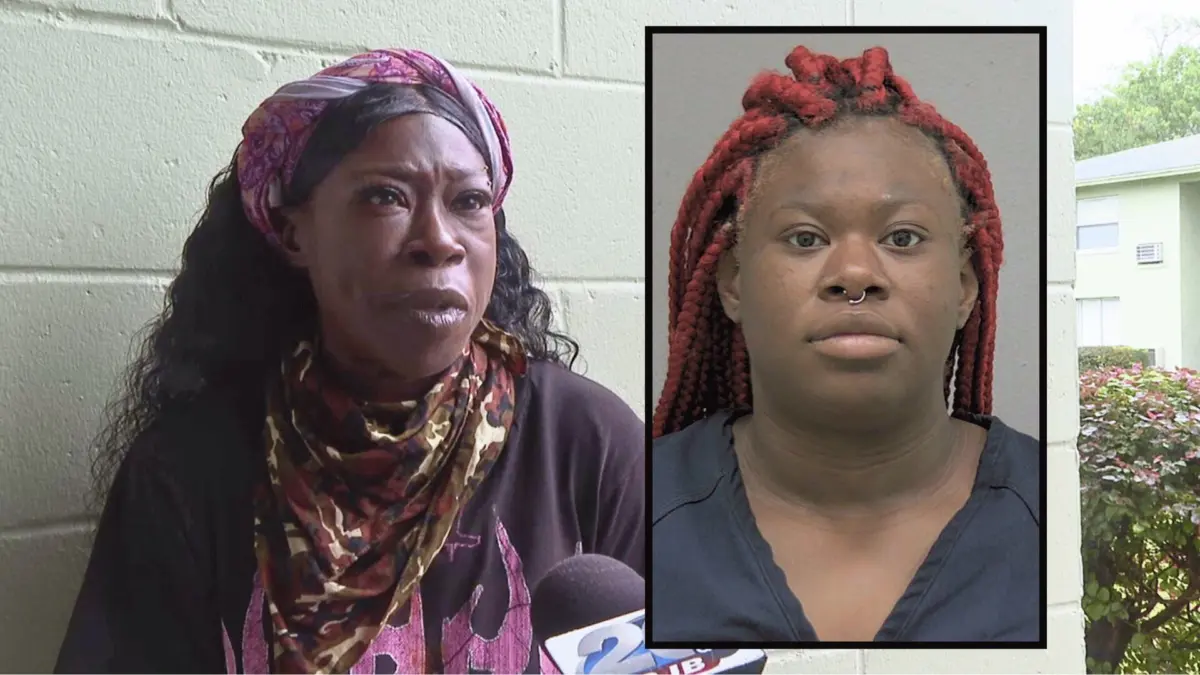
In a case that has sent shockwaves through the Gainesville community, the arrest of 24-year-old Juanisha Johnson has exposed a harrowing intersection of severe pediatric trauma, alleged maternal neglect, and acute socioeconomic instability. On October 5, 2026, Gainesville Police Department (GPD) officers arrested Johnson after her two-month-old infant was admitted to the Pediatric Intensive Care Unit (ICU) at UF Health Shands Children’s Hospital. The infant was diagnosed with a traumatic brain injury (TBI) and multiple fractured ribs—injuries highly indicative of physical abuse—alongside severe symptoms of medical neglect, including delayed treatment for oral bleeding and nutritional deprivation.
While the infant remains in stable but critical condition, Johnson’s two-year-old daughter was also found to have sustained unexplained bruises and abrasions. Johnson currently faces multiple felony charges of child neglect, both with and without great bodily harm.
This investigative report delves into the timeline of the incident, the medical realities of non-accidental trauma in infants, the systemic challenges of maternal homelessness that preceded the crisis, and the legal and familial battles now unfolding. Through exclusive insights from the children’s maternal grandmother, Juanita Smith, we examine a family in crisis, the complexities of child protective investigations, and the critical structural gaps that fail vulnerable young mothers and their children before tragedy strikes.
Detailed Chronology
The events leading to Juanisha Johnson’s arrest paint a distressing picture of delayed medical intervention and hidden suffering. The timeline established by Gainesville Police Department investigators and medical staff outlines a critical window during which the two-month-old infant’s life hung in the balance.
[Infant exhibits acute distress: oral bleeding, refusal to eat]
                          │
                          ▼ (Delay of several hours)
[Arrives at UF Health Shands Children's Hospital]
                          │
                          ▼
[Immediate ICU admission: Traumatic Brain Injury & fractured ribs diagnosed]
                          │
                          ▼
[GPD notifies DCF; physical exam of 2-year-old sibling reveals bruising]
                          │
                          ▼
[Juanisha Johnson arrested on multiple felony child neglect charges]
The Onset of Symptoms and Delayed Response
According to GPD arrest affidavits, the emergency began hours before the infant arrived at the hospital. On the day of the incident, the two-month-old boy exhibited severe signs of physical distress, including bleeding from the mouth and a complete refusal to eat. Despite these clear indicators of an acute medical crisis, investigators assert that Johnson delayed seeking emergency medical attention for several hours.
During this delay, the infant’s condition deteriorated. The child was staying with Johnson at a friend’s residence in Gainesville, where Johnson had sought temporary shelter due to ongoing housing instability.
Admission to UF Health Shands Children’s Hospital
When the infant finally arrived at UF Health Shands Children’s Hospital, pediatric emergency physicians immediately recognized the severity of his condition. The baby was rushed to the Pediatric ICU, where diagnostic imaging revealed:
- A traumatic brain injury (TBI), characterized by an active intracranial hemorrhage (brain bleed).
- Multiple healing and acute rib fractures.
- Signs of systemic physical neglect.
Recognizing these injuries as classic indicators of non-accidental trauma (NAT), hospital staff immediately triggered a multi-agency protocol, notifying the Florida Department of Children and Families (DCF) and the Gainesville Police Department.
The Investigation and Arrest
GPD officers and DCF investigators arrived at the hospital to assess the situation. Upon examining Johnson’s second child, a two-year-old girl who was also present, investigators discovered visible bruises and scrapes across her body.
During interviews, a witness came forward to allege that they had previously observed behavior consistent with physical abuse by Johnson toward her children. Although Johnson has not yet been formally charged with direct physical child abuse, the evidence of prolonged medical delay in the face of life-threatening injuries provided sufficient probable cause for her immediate arrest. Johnson was booked into the Alachua County Jail on charges of child neglect with great bodily harm (a second-degree felony) and child neglect without great bodily harm (a third-degree felony).
Supporting Context & Metrics
To fully comprehend the gravity of this case, it must be analyzed through two distinct lenses: the medical diagnostics of infant trauma and the socioeconomic realities of maternal homelessness in Florida.
Medical Insights: Non-Accidental Trauma (NAT) in Infants
In pediatric medicine, certain injuries carry an extremely high specificity for abuse or severe physical neglect. For a non-ambulatory infant (such as a two-month-old), the presence of a brain bleed and rib fractures is rarely accidental.
| Injury Type | Common Mechanism in Infants | Medical Significance & Risks |
|---|---|---|
| Intracranial Hemorrhage (Brain Bleed) | High-velocity rotational forces (e.g., Shaken Baby Syndrome/Abusive Head Trauma) or blunt force impact. | Can lead to permanent cognitive deficits, cerebral palsy, blindness, developmental delays, or death. |
| Rib Fractures | Violent thoracic compression (squeezing of the chest), often by an adult hand. | Highly specific to non-accidental trauma; rarely caused by accidental drops or CPR. |
| Delayed Medical Care (Neglect) | Failure to seek immediate help due to fear of legal consequences or lack of awareness. | Exacerbates primary brain injuries due to prolonged hypoxia, shock, or untreated internal bleeding. |
According to the American Academy of Pediatrics (AAP), abusive head trauma (AHT) is the leading cause of death from physical abuse in infants. The biomechanics of an infant’s body—specifically a large head-to-body ratio and weak neck muscles—make them highly susceptible to severe intracranial injury from shaking or impact, even without external signs of trauma to the skull.
Systemic Context: Homelessness and Maternal Vulnerability
The grandmother of the children, Juanita Smith, revealed that Juanisha Johnson was experiencing chronic homelessness at the time of her arrest. This detail highlights a critical systemic vulnerability.
[Housing Instability / Homelessness] ──► [Extreme Maternal Stress & Isolation]
                                                    │
                                                    ▼
[Delayed Medical Care] ◄── [Fear of Child Removal & Institutional Distrust]
Research from the National Center on Family Homelessness indicates that:
- Maternal Stress: Homeless mothers experience rates of post-traumatic stress disorder (PTSD), depression, and severe anxiety at triple the rate of the general female population.
- Social Isolation: Lacking stable housing often forces mothers to rely on temporary, unstable social networks (staying at "friends’ houses"), exposing children to unvetted environments and reducing the mother’s access to maternal support systems.
- Barriers to Healthcare: Homeless families face significant barriers to accessing routine pediatric care, which often prevents early detection of developmental issues, parental coping struggles, or domestic instability.
In Alachua County, the shortage of affordable housing and emergency shelter space for families with young children remains a critical issue, often leaving young, single mothers with few safe options.
Official Statements
The fallout from the arrest has left family members searching for answers and grappling with a system they find difficult to navigate.
The Maternal Grandmother’s Perspective
Speaking to local news outlet WCJB TV20, Juanita Smith, the maternal grandmother of the children, expressed her deep anguish and her belief that her daughter did not actively harm the children. However, she acknowledged the severe struggles Johnson faced.
"I hate what’s really going on right now for the simple fact, I know my daughter struggled, I know what she was dealing with, I don’t kind of know the people she was surrounded by… My heart dropped because I felt something was going to happen then," Smith said.
Smith also expressed profound frustration with the lack of communication from both the medical facility and law enforcement regarding her grandson’s current status.
"I even called the hospital last night with Pediacare. Nobody’s given me no information; I don’t know what the strict situation is with it. But I’m gonna try to do a visitation with my daughter and see where we go from there," Smith added.
When asked about the future care of her grandchildren, Smith advocated for stability, stating she believes the most secure placement for the children during this crisis would be with their paternal grandparents.
Law Enforcement and Prosecution Stance
The Gainesville Police Department has maintained a strict stance on the charges, emphasizing that the failure to seek immediate medical care for an infant suffering from a brain bleed constitutes a severe and illegal deprivation of necessary care.
While the State Attorney’s Office for the Eighth Judicial Circuit reviews the initial neglect charges, prosecutors are reportedly working closely with medical examiners and pediatric specialists at UF Health Shands to determine if the physical injuries themselves can be legally linked directly to Johnson, which could result in additional charges of aggravated child abuse.
Future Outlook
As the criminal case against Juanisha Johnson moves forward, several legal, medical, and social outcomes remain to be determined.
Legal Trajectory
Johnson remains in custody, with her bond and release conditions subject to strict court oversight. In Florida, Child Neglect with Great Bodily Harm is classified as a second-degree felony, carrying a maximum penalty of up to 15 years in state prison. If investigators find definitive evidence linking Johnson directly to the physical infliction of the rib fractures or brain trauma, the charges could be upgraded to Aggravated Child Abuse, a first-degree felony carrying up to 30 years in prison.
Custody and Child Welfare Intervention
The Department of Children and Families (DCF) has initiated a parallel dependency investigation. The immediate priority is the safety and placement of the two children.
- The Infant’s Placement: Once medically cleared for discharge—which could take weeks or months depending on neurological complications—the infant will likely be placed in therapeutic foster care or with approved relatives, such as the paternal grandparents suggested by Juanita Smith.
- The Sibling’s Placement: The two-year-old daughter is currently under protective supervision, with DCF evaluating potential temporary guardians who can provide a stable, trauma-informed environment.
Long-Term Medical Prognosis
The recovery pathway for the two-month-old infant remains highly uncertain. Intracranial bleeding in infants can lead to long-term neurological challenges, including developmental delays, seizure disorders, and cognitive impairments. The speed of his stabilization in the UF Health Shands Pediatric ICU is a positive sign, but comprehensive developmental assessments will be required for years to come to evaluate the full impact of the traumatic brain injury.
This case stands as a stark reminder of the urgent need for targeted intervention programs that support homeless, young mothers before familial crises escalate to the level of severe physical trauma and criminal prosecution.

0 Comments