

Executive Overview
They are soft, colorful, immensely satisfying to squeeze, and ubiquitous in American playrooms. Known colloquially as "squishies," these sensory toys have captured the imaginations of children and the pockets of parents seeking affordable, tactile distractions. However, beneath their whimsical, cartoonish exteriors lies a mounting safety crisis that has drawn the attention of federal regulators and consumer advocacy groups alike.
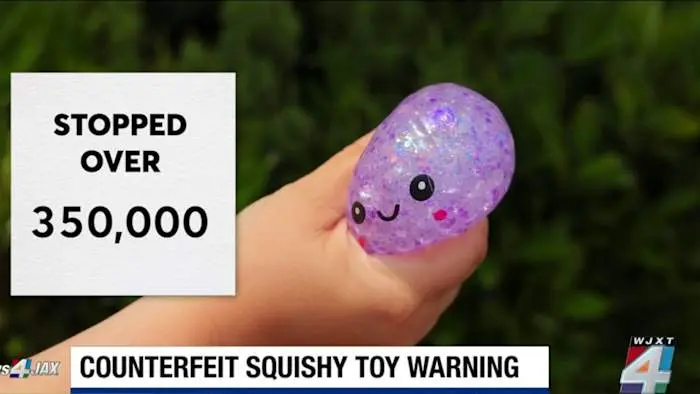
On August 5, the U.S. Consumer Product Safety Commission (CPSC) issued a sweeping public warning regarding counterfeit and non-compliant squishy toys entering the domestic market. According to federal officials, these illicit products fail to meet rigorous U.S. toy safety standards and pose severe health risks to children. The scale of the threat is immense: the CPSC revealed it has intercepted and seized more than 350,000 hazardous squishy toys at U.S. ports of entry.
Despite these aggressive border enforcement measures, a significant volume of unregulated inventory continues to slip through the cracks, proliferating across third-party e-commerce platforms, social media marketplaces, and discount retail stores.
The federal warning vindicates months of investigative work by Consumer Reports (CR), which previously exposed a pattern of disturbing incident reports filed by parents on the government’s public safety database, SaferProducts.gov. These reports detailed harrowing accounts of children suffering chemical burns, severe skin irritation, and respiratory distress after gel-filled sensory toys ruptured during normal play.
Crucially, safety experts warn that the risk is not confined solely to cheap counterfeits; design vulnerabilities and hazardous chemical formulations have also been detected in name-brand products purchased from mainstream, reputable retailers. Adding to the danger is a viral social media trend encouraging children to microwave these toys, a practice that transforming a tactile plaything into a pressurized thermal hazard.
Detailed Chronology
The current regulatory crackdown is the culmination of a multi-month sequence of consumer complaints, independent laboratory testing, and coordinated federal intervention.
[Early 2026] Parents file complaints on SaferProducts.gov regarding chemical burns from ruptured squishy toys.
       │
       ▼
[Mid-2026] Consumer Reports launches an independent investigation, purchasing and testing various gel-filled toys.
       │
       ▼
[June/July 2026] Lab results reveal highly acidic pH levels in toy gels, capable of causing severe skin irritation.
       │
       ▼
[August 5, 2026] CPSC issues a formal warning and announces the seizure of over 350,000 non-compliant toys at U.S. ports.
       │
       ▼
[Present] Federal authorities and safety advocates warn of ongoing risks from online marketplaces and viral social media challenges.
Phase 1: The Grassroots Alarms (Early 2026)
The alarm was first raised by parents and pediatricians who noticed unusual dermatological injuries in children. Reports began accumulating on SaferProducts.gov—the CPSC’s public database where consumers can log product safety incidents.
In several filings, parents described toys rupturing under ordinary physical pressure, spilling a thick, sticky, and highly irritating gel onto children’s hands, arms, and faces. In the most severe cases, children developed red, blistered skin resembling chemical burns, prompting medical evaluations and emergency room visits.
Phase 2: The Consumer Reports Investigation (Mid-2026)
Intrigued by the spike in database reports, safety experts at Consumer Reports launched an independent investigation. The organization purchased an array of gel-filled squishy toys from various retail environments, including major national brick-and-mortar chains, discount stores, and prominent online marketplaces.
CR’s technical team conducted rigorous laboratory analyses of the liquid and gel contents inside the toys. The findings were highly concerning:
- Acidic Formulations: Lab testing revealed that the liquid inside at least one tested toy possessed an highly acidic pH level, comparable to the acidity of lemon juice or concentrated vinegar.
- Dermatological Impact: While such acidity is safe for ingestion in small dietary quantities, prolonged dermal contact with a trapped acidic substance can rapidly compromise the delicate skin barrier of a child, leading to severe chemical dermatitis and irritation.
- Permeability Concerns: The outer membranes of many cheap toys were found to be dangerously thin, susceptible to degradation from friction, warmth, and repeated squeezing.
Phase 3: Federal Intervention and Port Seizures (August 5, 2026)
Armed with consumer complaints and mounting scientific evidence, the CPSC escalated its enforcement posture. On August 5, the commission issued a formal public health warning.
Working in tandem with U.S. Customs and Border Protection (CBP), the CPSC’s import surveillance division successfully blocked over 350,000 non-compliant squishy toys from entering the country. These shipments, primarily originating from overseas manufacturers with opaque supply chains, were flagged for violating the Federal Hazardous Substances Act and ASTM F963 (the standard consumer safety specification for toy safety).
Supporting Context & Metrics
To fully comprehend the scope of the squishy toy hazard, it is necessary to examine the convergence of chemical safety issues, global supply chain vulnerabilities, and digital youth culture.
The Chemistry of Dermal Irritation
The human skin barrier, particularly in pediatric populations, is highly sensitive to fluctuations in pH. Healthy skin maintains a slightly acidic, protective "acid mantle" with a pH of approximately 5.5.
| Substance | Approximate pH Level | Dermal Risk to Children |
|---|---|---|
| Neutral Water | 7.0 | None (Safe) |
| Healthy Pediatric Skin | 5.5 | Baseline (Normal) |
| Acidic Toy Gel (Tested) | 2.5 – 3.0 | High (Chemical irritation, redness, blistering upon prolonged contact) |
| Lemon Juice / Vinegar | 2.0 – 3.0 | High (Corrosive to eyes, highly irritating to broken or sensitive skin) |
When a toy ruptures and releases a gel with a pH of 3.0 or lower, it can cause immediate chemical irritation. If a child continues to play with the broken toy, or if the gel is trapped against the skin (for example, under a sleeve or inside a clenched fist), the risk of localized chemical burns increases exponentially.
The E-Commerce and Counterfeit Pipeline
The modern retail landscape complicates the enforcement of toy safety. While the CPSC can successfully seize large-scale commercial shipments at major ports, it faces a logistical bottleneck when dealing with direct-to-consumer shipments sent via international mail.
[Overseas Manufacturer] ──(Direct Shipping)──► [International Mail Hubs] ──► [U.S. Consumer]
       │                                                                        ▲
       ▼ (Bulk Commercial Cargo)                                                │
[U.S. Ports of Entry] ──(CPSC/CBP Interception: 350,000+ Seized)                │
       │                                                                        │
       └─► [Unregulated Online Marketplaces & Social Media Shops] ──────────────┘
Unregulated manufacturers frequently exploit third-party seller accounts on major e-commerce platforms and emerging social media shopping apps. By shipping individual packages directly to consumers, these sellers bypass bulk customs inspections, allowing hazardous, unvetted toys to land directly in American homes.
The Viral Microwave Hazard: A New Dimension of Risk
The physical safety risk of squishy toys has been amplified by viral social media trends. On platforms popular with children, such as TikTok and YouTube, influencers and users have posted videos encouraging kids to place their squishy toys into household microwaves. The stated goal is often to make the toys "super-sized," softer, or to watch them expand.
Safety experts warn that this practice is incredibly dangerous:
- Thermodynamic Pressure: Heating the liquid or gel inside a sealed polyurethane or thermoplastic rubber shell causes the contents to expand rapidly, building high internal pressure.
- Explosive Rupture: The toy can explode inside or immediately upon removal from the microwave.
- Thermal Adhesion: The heated gel inside these toys is formulated to be viscous and sticky. When it bursts, it acts like a hot, adhesive gel, clinging to pediatric skin and causing severe, deep-tissue thermal burns that are difficult to wash off quickly.
Official Statements
The gravity of the situation has prompted strong statements from regulatory leaders and consumer advocacy executives, highlighting the systemic challenges of the modern toy market.
The Consumer Product Safety Commission (CPSC) emphasized the statutory obligations of importers and online platforms in their August 5 brief:
"Our import surveillance team is working tirelessly to intercept these hazardous products before they reach store shelves and online carts. However, we urge consumers to remain vigilant. Counterfeit and non-compliant toys do not undergo the rigorous testing required by U.S. law. They bypass critical safety checks for heavy metals, choking hazards, and chemical toxicity, posing direct and serious risks to our most vulnerable citizens—our children."
Consumer Reports’ Safety Experts highlighted that the issue transcends simple counterfeiting, pointing to systemic design flaws across the industry:
"While the CPSC’s focus on counterfeits is an important step, our investigation reveals a more complex reality. Parents cannot simply rely on brand names or premium price tags to guarantee safety. Some of the incidents reported to the government involved name-brand products purchased at major, household-name retail chains. The fundamental design of utilizing highly acidic, unbuffered gel formulations inside thin, easily ruptured plastic membranes is a product hazard that the toy industry as a whole must address."
Future Outlook & Consumer Guidance
As federal agencies continue to police ports and monitor digital marketplaces, the burden of immediate safety falls largely on parents and caregivers. Protecting children from the hidden dangers of sensory toys requires proactive consumer habits and systemic regulatory reforms.
Immediate Actionable Advice for Parents
To protect children from the hidden dangers of gel-filled sensory toys, parents and caregivers should implement the following safety protocols:
- Age Restrictions: Do not purchase or provide gel-filled squishy toys to infants, toddlers, or children who still put objects in their mouths.
- Pre-Play Inspections: Regularly inspect all sensory toys for structural weaknesses. Squeeze the toy under bright light to check for micro-tears, thinning walls, or slow leaks. If any wear is detected, discard the toy immediately.
- Establish strict rules against modification: Explicitly instruct children never to cut, puncture, or heat squishy toys. Emphasize that microwaving these products is highly dangerous and can cause severe, painful burns.
- Emergency Response Protocol: If a gel-filled toy ruptures and the contents contact a child’s skin or eyes:
- Immediately flush the affected area with copious amounts of cool, running water for at least 15 minutes.
- Remove any contaminated clothing.
- Wash the skin thoroughly with mild soap and water.
- If redness, blistering, pain, or irritation persists, seek medical attention immediately.
- Retain the packaging (if safe to do so) and report the incident to the CPSC at SaferProducts.gov.
The Path Forward: Regulatory and Industry Reform
Looking ahead, the toy safety landscape must evolve to address the realities of globalized e-commerce. Consumer advocacy groups are calling for several systemic changes:
- Stricter E-Commerce Accountability: There is growing bipartisan support in Congress for legislative measures, such as the proposed SHOP SAFE Act, which would hold third-party e-commerce platforms liable for personal injuries caused by counterfeit goods sold on their platforms if they fail to implement strict vetting procedures.
- Standardized Gel Formulations: Industry standards groups, such as ASTM International, are being urged to revise toy safety standards to mandate that any liquid or gel enclosed within a squeeze toy must maintain a neutral, non-irritating pH level (between 6.0 and 8.0) and be formulated with non-toxic, food-grade ingredients.
- Enhanced Border Detection: The CPSC is advocating for increased funding to expand its import surveillance presence at high-volume international mail facilities, allowing inspectors to better intercept hazardous direct-to-consumer shipments.
Ultimately, while sensory play remains an important part of childhood development, the materials used to facilitate it must not come at the expense of a child’s physical safety. Until systemic changes are realized, a watchful eye and cautious purchasing decisions remain a parent’s best defense.

0 Comments