

Executive Overview
In a sweeping administrative maneuver that has sent shockwaves through both law enforcement agencies and civil liberties groups, the state of Florida has initiated a aggressive rollback of automated surveillance technologies on its public roadways. Following a decisive directive from the Florida Department of Transportation (FDOT) revoking permits for Automated License Plate Readers (LPRs) on state-maintained roads, a rare and powerful bipartisan consensus has emerged at the highest levels of Sunshine State politics.
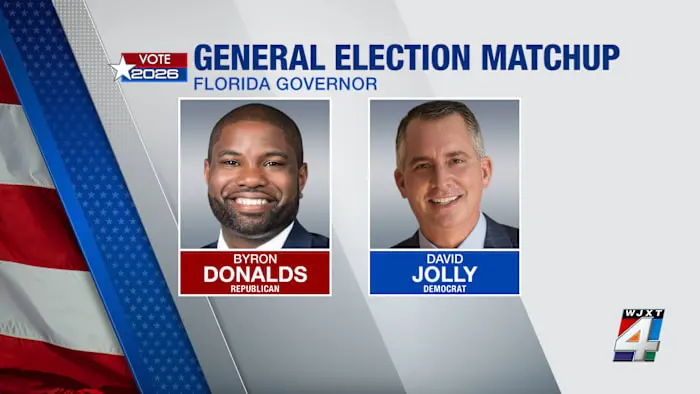
Outgoing Governor Ron DeSantis, who has increasingly aligned his legacy with digital privacy advocacy, has issued a stark warning against Florida devolving into a "digital AI surveillance state." In an extraordinary display of political alignment in an otherwise deeply polarized state, both candidates vying to succeed him in the November 2026 gubernatorial election—Republican Representative Byron Donalds and Democratic former Representative David Jolly—have voiced strong agreement with the administration’s crackdown.
This developing policy shift represents a critical national flashpoint. It pits the operational habits of modern law enforcement, which have grown heavily reliant on private-public surveillance networks like Flock Safety, against a rising tide of constitutional conservatism and progressive civil rights advocacy. As municipalities across Florida scramble to comply with the state’s sudden regulatory pivot, the debate has moved beyond mere traffic monitoring to encompass the fundamental limits of artificial intelligence, state-sponsored tracking, and the preservation of the Fourth Amendment in the 21st century.
Detailed Chronology: The Road to the LPR Ban
[August 2026: FDOT Issues Directive] ──> [JSO & Local Agencies Disable LPRs] ──> [DeSantis Demands Legislative Action] ──> [Gubernatorial Candidates Align on Policy]The current policy crisis began with an abrupt administrative order from the Florida Department of Transportation. The directive targeted the widespread, often unregulated deployment of LPR systems installed along state-controlled highways and right-of-ways.
The August 31 Directive
On Monday, August 31, 2026, FDOT officially revoked existing permits and licensing agreements that allowed local law enforcement agencies and private contractors to operate LPR cameras on state roads. The administrative order was immediate, forcing local police departments and sheriffs’ offices to rapidly reassess their investigative toolkits.
Immediate Local Fallout
The impact of the FDOT order was felt instantaneously across Florida’s metropolitan areas. In Jacksonville, the Jacksonville Sheriff’s Office (JSO)—one of the state’s largest law enforcement agencies—announced it was immediately terminating its use of LPR systems on state roads to comply with the state’s mandate.
Similar scrambles occurred in county commissions and police headquarters statewide. For years, local governments had quietly expanded these camera networks, often utilizing municipal budgets or federal grants to blanket high-traffic corridors with automated tracking tech. The sudden withdrawal of state permission has left many of these systems dark, sparking a complex logistical debate over where local jurisdiction ends and state authority begins.
The Legislative Impasse
The executive crackdown by the DeSantis administration follows a period of legislative frustration. During the previous legislative session, Governor DeSantis championed a sweeping "AI Bill of Rights" designed to establish strict guardrails around automated data collection, algorithmic profiling, and public surveillance.
While the Florida Senate demonstrated overwhelming support for the measure—passing it with a near-unanimous 39-1 vote—the legislation ultimately stalled in the Florida House of Representatives. House leadership declined to bring the bill to the floor, drawing sharp criticism from the governor, who accused recalcitrant lawmakers of being "totally dismissive of the need to protect everyday citizens."
Supporting Context & Metrics: The Mechanics of Modern Surveillance
To understand the intensity of the political backlash, it is necessary to examine the technology at the center of the storm. License plate readers are no longer simple optical character recognition cameras; they are nodes in highly integrated, artificially intelligent tracking networks.
How Modern LPR Networks Operate
Unlike traditional traffic cameras, which record video locally or require manual review, modern LPR systems (such as those pioneered by technology firm Flock Safety) utilize machine learning algorithms to capture a "vehicle fingerprint."
[Camera Captures Image] ──> [AI Extracts Plate, Make, Model, Color, Damage] ──> [Time & GPS Stamped] ──> [Cross-Referenced with Hot Lists] ──> [Data Retained in Shared Cloud Database]These systems do not just read alphanumeric characters on a license plate; they catalog:
- Vehicle make, model, and color.
- Unique identifying features, such as bumper stickers, roof racks, or body damage.
- The precise time, date, and GPS coordinates of the vehicle’s passage.
This data is instantly uploaded to cloud-based databases shared across multiple jurisdictions. Law enforcement officers can set up "hot lists" that trigger real-time alerts whenever a targeted vehicle passes a camera. However, the systems also continuously log the movements of millions of innocent motorists, creating a searchable, historical map of public travel.
The Scale of Deployment and the Privacy Debate
Civil liberties advocates, including the American Civil Liberties Union (ACLU), have long warned that the unchecked proliferation of these devices constitutes a form of warrantless mass surveillance.
| Metric / Feature | Standard LPR Systems | State-Regulated Toll Systems (Toll-by-Plate) |
|---|---|---|
| Primary Purpose | Criminal investigation & vehicle tracking | Revenue collection & toll enforcement |
| Data Retention Period | Often 30 days to several years (varying by agency) | Strictly limited to billing cycle resolution |
| Third-Party Sharing | Broadly shared across local, state, and federal databases | Restricted; legally shielded from non-billing use |
| Searchability | Searchable by vehicle characteristics, location, and time | Non-searchable for general investigative profiling |
The core of the legal argument against LPRs rests on the Fourth Amendment, which protects citizens against unreasonable searches and seizures. Opponents argue that while a motorist has a lowered expectation of privacy on a public road, the aggregate, long-term tracking of their movements reveals intimate details of their life—such as visits to doctors, political rallies, religious services, or private residences—without judicial oversight.
The New Hampshire Model
In formulating his opposition to broad-based LPR networks, Governor DeSantis has pointed to New Hampshire as a national model. New Hampshire state law (RSA 236:130) imposes some of the nation’s strictest limits on license plate readers. Under the New Hampshire framework:
- Strict Prohibition: LPRs are generally prohibited on public ways.
- Narrow Exemptions: Exceptions are carved out strictly for toll collection or specifically authorized, time-limited law enforcement operations.
- Rapid Deletion: Any data captured must be purged almost immediately if it does not match a specific, pre-existing database of wanted vehicles.
Official Statements: Political Unity in a Divided State
The bipartisan consensus emerging in Florida’s gubernatorial race is a rare political phenomenon, indicating that digital privacy has evolved into a potent cross-partisan issue.
                  ┌──────────────────────────────┐
                  │   Gov. Ron DeSantis (R)      │
                  │   "Not the government's      │
                  │    damn business."           │
                  └──────────────┬───────────────┘
                                 │
         ┌───────────────────────┴───────────────────────┐
         ▼                                               ▼
┌──────────────────────────────┐                ┌──────────────────────────────┐
│    Byron Donalds (R)         │                │     David Jolly (D)          │
│ "We will not turn into a     │                │ "It's now time to call       │
│  surveillance state."        │                │  a special session."         │
└──────────────────────────────┘                └──────────────────────────────┘
Governor Ron DeSantis (R)
Governor DeSantis framed his opposition to the technology as a defense of fundamental human agency and personal liberty.
"To go into a situation where you have computers that are not under human control and could potentially do things to harm people, that’s a huge, huge threat and risk," DeSantis warned, highlighting the dangers of autonomous AI systems.
The governor also shared a revealing personal anecdote regarding his own privacy practices since taking office, noting that he deliberately avoids using text messages or emails for sensitive communications to prevent them from becoming public records or digital footprints.
"It’s really none of the government’s damn business if you’re doing that," DeSantis said, referring to the routine, daily travel of private citizens. "We need targeted tools for law enforcement focused on criminals, not broad systems that sweep up just everyday citizens."
Representative Byron Donalds (R)
The Republican nominee to succeed DeSantis, Congressman Byron Donalds, aligned himself closely with both the governor’s actions and constitutional principles, balancing his strong pro-law enforcement platform with libertarian-leaning privacy defense.
"The Fourth Amendment is not up for debate in Florida," Donalds said in an official statement. "Public safety is paramount, and I’m proud to be endorsed by 58 Florida sheriffs, but we will not turn into a surveillance state, and we will protect our citizens’ privacy."
Former Representative David Jolly (D)
The Democratic nominee, David Jolly, matched Donalds’ urgency, pushing for immediate legislative intervention rather than relying solely on administrative orders that could be reversed by future administrations.
"It’s now time for Gov. DeSantis to call a special session on LPRs and Flock cameras," Jolly declared. "Executive actions are important; getting this right and in law is most important."
Down-Ballot Implications
The political debate is also reverberating through other key races in the state. In the highly contested Florida Senate race, candidates Ashley Moody (R) and Angie Nixon (D) are being pressed for their positions on LPR deployments and the proposed "AI Bill of Rights." As local law enforcement agencies lobby lawmakers to preserve their investigative tools, the legislative stances of incoming state senators will be critical in shaping the final statutory language.
Future Outlook: The Imminent Legislative Showdown
As Florida marches toward the November 2026 election, the future of automated surveillance in the state hangs in a delicate balance. The intersection of administrative actions, local police operations, and upcoming legislative sessions points to several critical developments on the horizon.
The Push for a Special Legislative Session
With Democratic nominee David Jolly calling for an immediate special session, pressure is mounting on legislative leadership to return to Tallahassee before the general election. If Governor DeSantis accedes to this demand, lawmakers could draft a comprehensive regulatory framework for LPRs, potentially modeling it after New Hampshire’s strict privacy laws. This would codify the FDOT directive into state statute, shielding it from future legal challenges or administrative reversals.
Law Enforcement Adaptations and Compromises
Local law enforcement agencies are facing an immediate operational deficit. Deprived of LPR capabilities on state roads, police departments are expected to:
- Relocate Cameras: Shift existing LPR assets to municipal or county-controlled roads not subject to FDOT jurisdiction, creating a fragmented patchwork of surveillance.
- Lobby for "Safe Harbors": Petition the legislature for compromise measures, such as reducing data retention periods to 24 hours or restricting database access exclusively to active, felony-level investigations.
- Rely on Private Networks: Increasingly access private residential or commercial LPR networks (such as neighborhood HOA camera systems) that bypass state-road restrictions entirely.
National Precedent and Industry Repercussions
Florida’s aggressive stance is likely to serve as a bellwether for other states. If a major, fast-growing state like Florida successfully curtails the expansion of private-public surveillance networks, it could disrupt the business models of major tech defense contractors. Furthermore, it demonstrates a potent political reality: in the modern political era, digital privacy is a unifying issue capable of bridging deep partisan divides.
Whether through an emergency special session or the upcoming 2027 legislative term, Florida is poised to write a new chapter in the balance between technological policing and the constitutional right to be left alone.

0 Comments