The John F. Kennedy Center for the Performing Arts, long celebrated as a crown jewel of American cultural life and a living memorial to the nation’s 35th president, has become the ground zero of a bitter, multi-front war involving whistleblower allegations, federal judges, congressional investigators, and the White House.
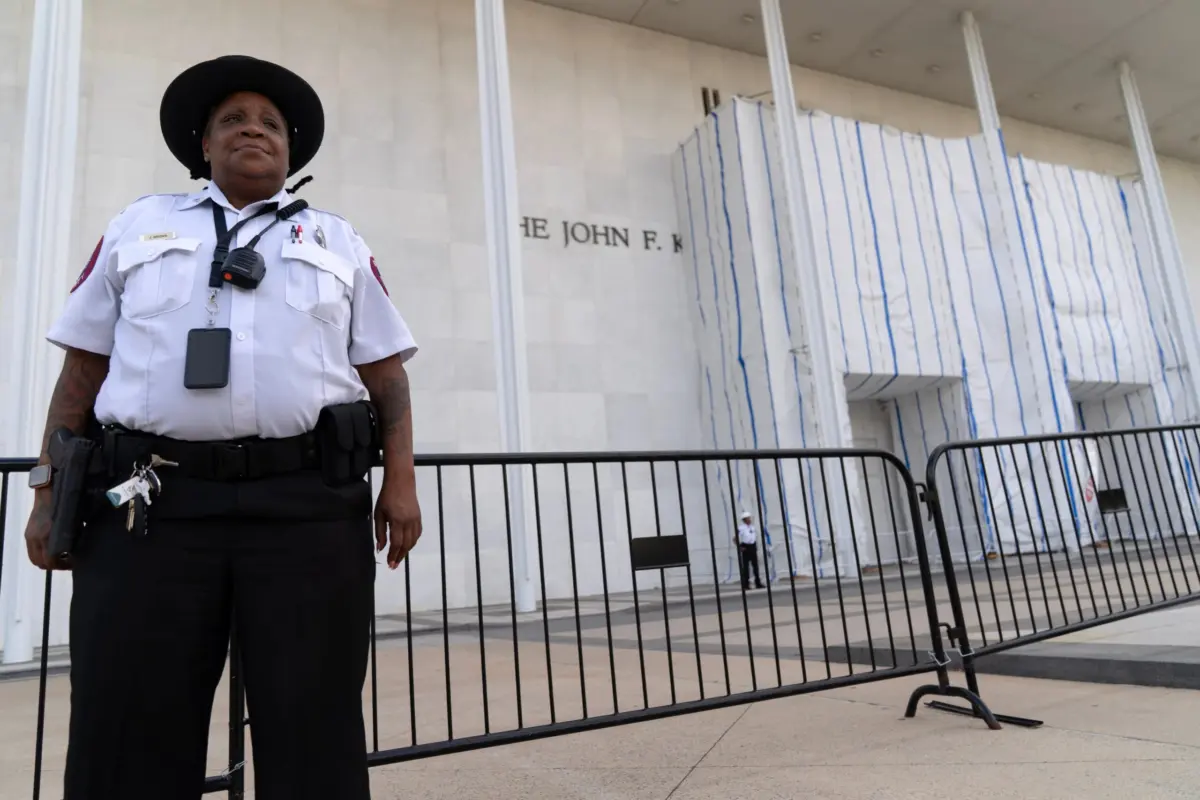
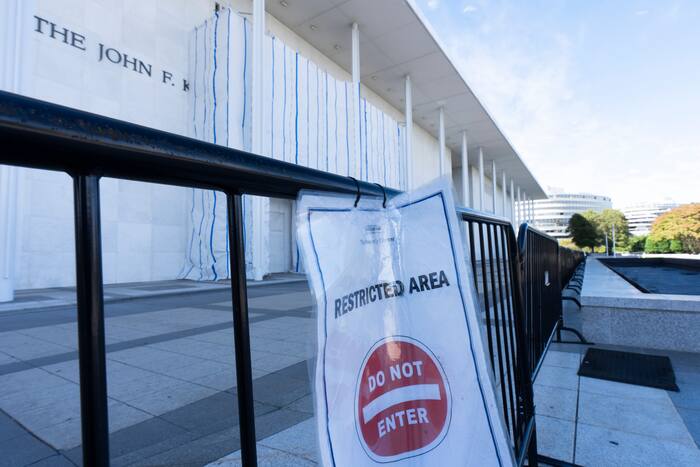
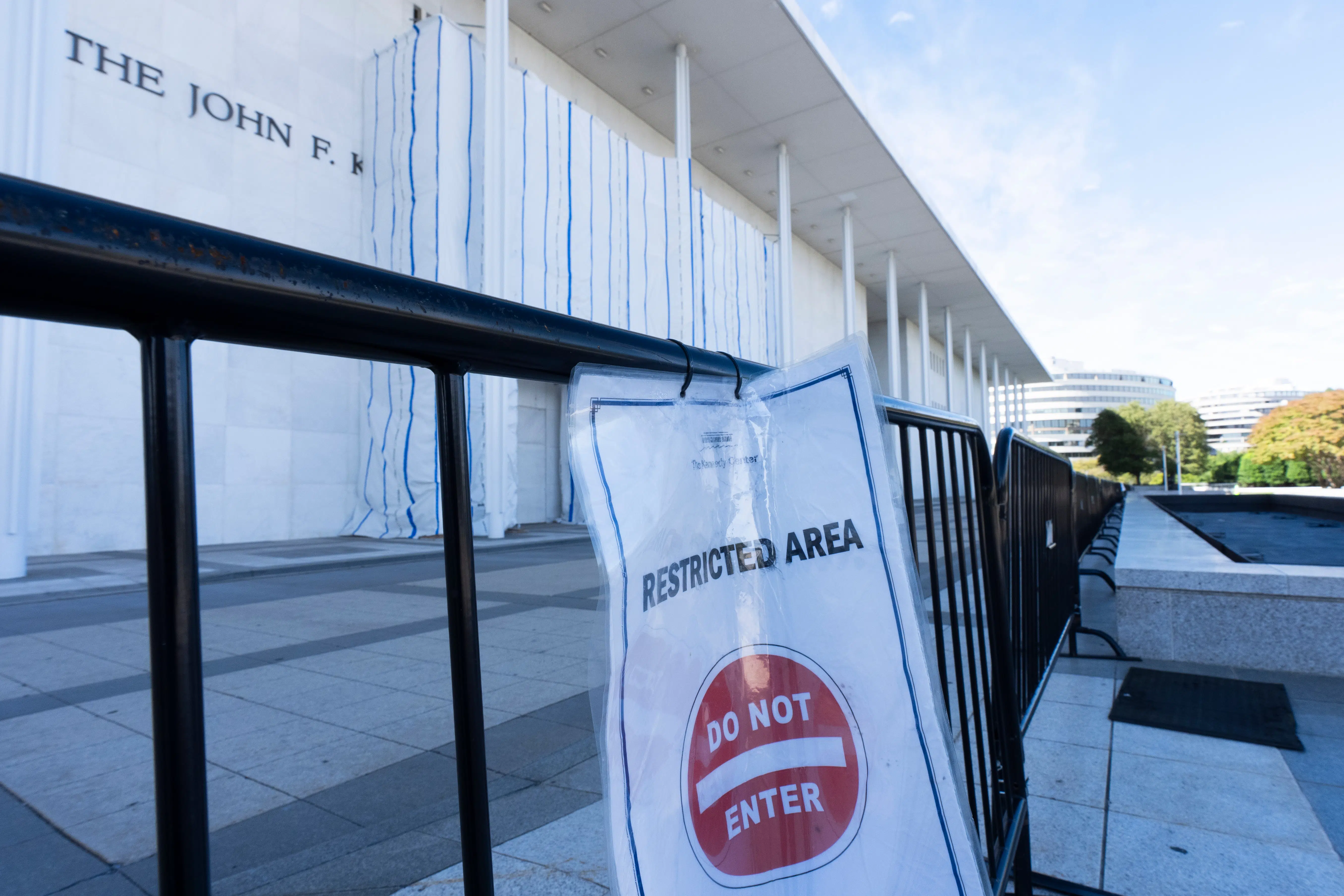
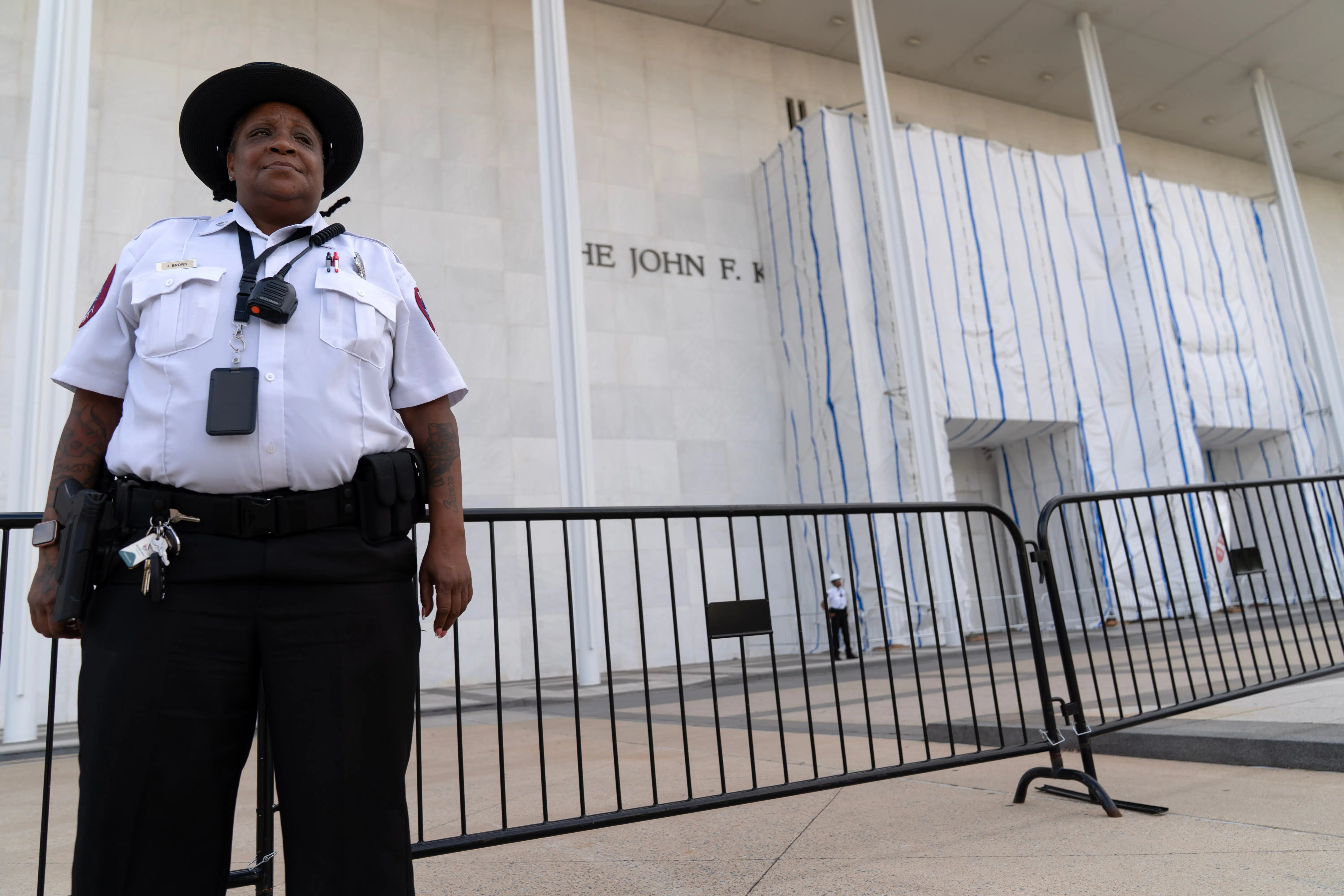
In late September 2026, the venue sat empty, cordoned off by chain-link fences and plastered with "Do Not Enter" signs. While the center’s leadership claims the indefinite closure was an emergency measure forced by sudden, catastrophic structural failures, a devastating whistleblower disclosure has shattered this narrative.
A group of former employees, represented by prominent whistleblower attorney David Seide, has formally petitioned Congress, alleging that Kennedy Center executives manufactured a public safety crisis to justify an abrupt shutdown. The whistleblowers assert that the building’s structural issues—including roof canopy degradation and water infiltration—were well-understood for years. Furthermore, they claim that the center’s Executive Director and Chief Operating Officer, Matt Floca, actively halted a fully funded, pre-approved remediation plan in April 2026, despite having $257 million in federal taxpayer funds earmarked specifically for these repairs.
The unfolding scandal has intensified scrutiny of President Donald Trump’s second-term efforts to reshape the cultural and physical landscape of Washington, D.C. Having successfully installed a loyalist majority on the Kennedy Center’s governing board, the administration has repeatedly targeted the institution. This has included a highly controversial, legally rebuffed attempt to brand the building with Trump’s own name, and public threats to demolish the mid-century modern masterpiece altogether.
As U.S. District Judge Christopher Cooper intervenes to block unauthorized alterations to the structure, and Senate investigators probe allegations of financial mismanagement and cronyism, the fate of the Kennedy Center hangs in a precarious balance between structural decay and partisan warfare.
Detailed Chronology
The current crisis at the Kennedy Center is the culmination of a years-long struggle over funding, administrative control, and the politicization of federal monuments. Below is the sequence of events that transformed a routine maintenance challenge into a constitutional and cultural standoff:
[2024] Matt Floca joins as VP of Facilities; structural assessments identify chronic roof leaks.
  │
[Summer 2025] President Trump signs spending bill earmarking $257M for Kennedy Center repairs.
  │
[April 2026] Floca halts the active, funded roof remediation design process.
  │
[Summer 2026] Board attempts to install "Trump" signage; blocked by federal court.
  │
[Sept 17, 2026] Board abruptly closes the Center indefinitely, citing "acute safety risks."
  │
[Sept 18, 2026] Protests erupt outside fenced-off venue; Judge Cooper issues a 30-day notice injunction.
  │
[Sept 24, 2026] Whistleblower letter sent to Congress; Sen. Whitehouse launches formal inquiry.
  │
[Sept 25, 2026] Court-mandated deadline for Kennedy Center leadership to file status report on repairs.
1. The Funding Influx and Administrative Shift (2024–2025)
In 2024, Matt Floca was hired as the Vice President of Facilities at the Kennedy Center, inheriting a backlog of deferred maintenance typical of aging mid-century federal concrete structures. Recognizing the need for extensive repairs, particularly regarding the building’s expansive roof terrace and exterior marble cladding, the center lobbied Congress for emergency capital.
In the summer of 2025, President Trump signed a sweeping tax cut and spending package. Embedded within the legislation was a massive $257 million earmark dedicated exclusively to the physical rehabilitation of the Kennedy Center. With funding secured, engineers and contractors began drafting comprehensive plans to address chronic water leaks along the terrace canopy.
2. The April Halt and Internal Friction (April 2026)
According to congressional correspondence, by early 2026, a concrete remediation and roofing plan was finalized and ready for execution. However, in April 2026, Floca—who had by then been promoted to Executive Director and Chief Operating Officer—abruptly ordered all work on the terrace canopy design to stop. This decision reportedly blindsided facilities staff and engineering consultants, who warned that delaying the project would invite further water damage and compromise the structural integrity of the ceiling below.
3. The Naming Rights Standoff and Indefinite Closure (August–September 2026)
Simultaneously, the Trump-aligned governing board attempted a dramatic rebranding of the facility. Over the objections of preservationists and congressional Democrats, the board mounted large-format lettering of President Trump’s name onto the building’s facade.
Following a lawsuit, U.S. District Judge Christopher Cooper ruled that the addition of the signage violated federal law governing national memorials and ordered its immediate removal. Hours after the court’s ruling, the board convened an emergency session and voted to close the entire performing arts complex indefinitely, citing "acute public safety risks" from a newly discovered partial ceiling collapse and a deteriorating roof canopy.
4. Public Backlash and the Whistleblower Bombshell (Mid-to-Late September 2026)
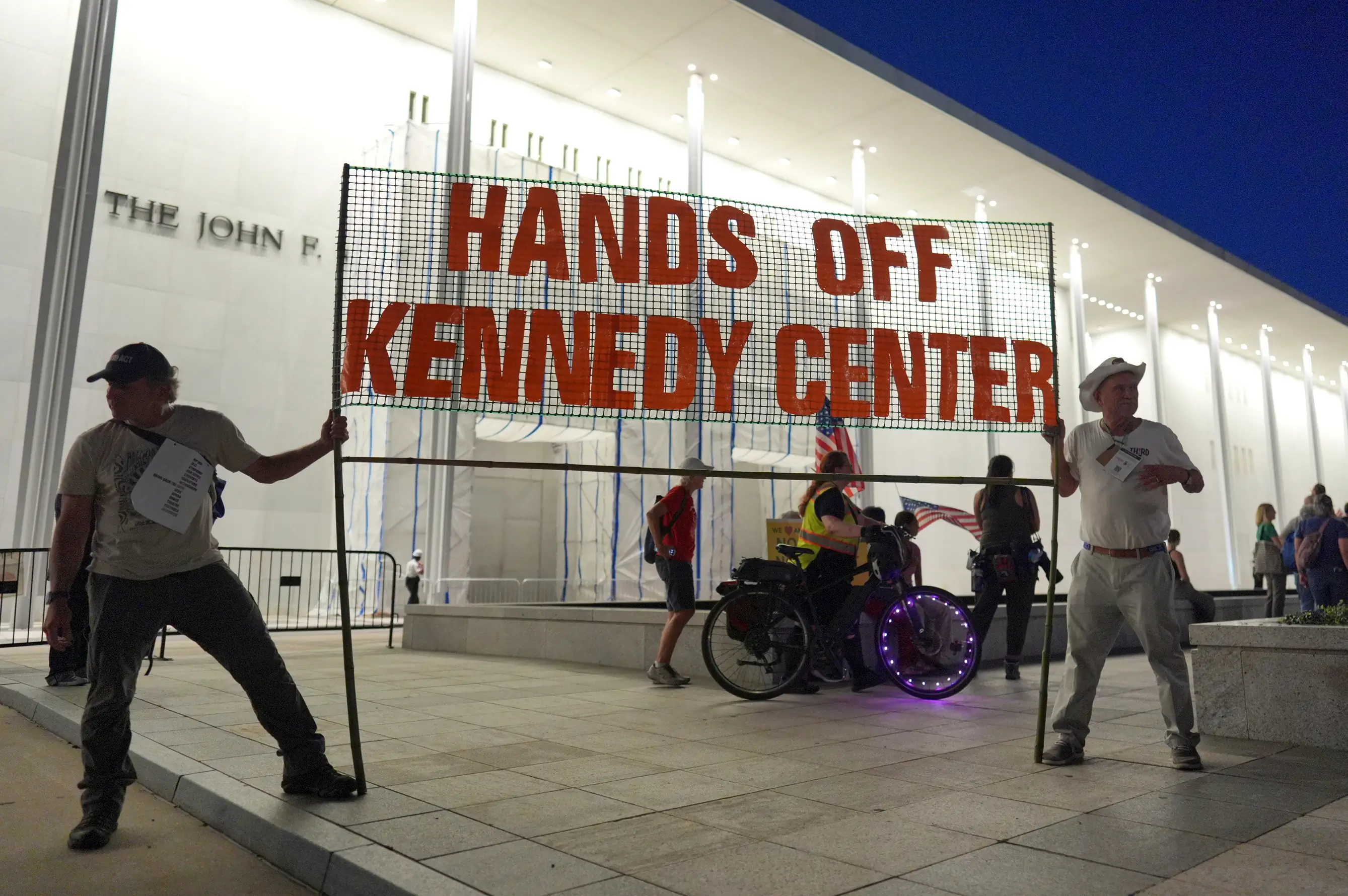
By mid-September, heavy security fencing was erected around the Potomac waterfront site, prompting daily protests from local arts advocates and preservationists. On September 24, 2026, the crisis escalated dramatically when attorney David Seide submitted a formal whistleblower disclosure to the Senate Committee on Environment and Public Works.
The letter asserted that the "acute" safety hazards cited by Floca to justify the shutdown were well-known to management for over a year and were directly exacerbated by Floca’s decision to halt the repair plans six months prior.
Supporting Context & Metrics
To understand the scale of the controversy, it is necessary to examine both the financial dimensions of the dispute and the unique architectural vulnerabilities of the Kennedy Center.
The $257 Million Question
The core of the congressional investigation centers on the allocation and utilization of the $257 million federal appropriation. Whistleblowers allege that instead of deploying these funds to address the known structural vulnerabilities, the Kennedy Center’s executive leadership "hoarded" the money.
Critics, including Senate Democrats, suggest that the funds may have been diverted or held back to paint a picture of an unsalvageable facility, thereby lending credence to President Trump’s public assertions that the building is a "disaster" that should be demolished and replaced with a classical-style monument.
Architectural Vulnerabilities of the Stone Masterpiece
Designed by legendary architect Edward Durell Stone and opened in 1971, the Kennedy Center is a massive modernist structure clad in Carrara marble. Located directly on the banks of the Potomac River, the building is subjected to high humidity, seasonal thermal expansion, and moisture infiltration.
The Roof Terrace Canopy: The expansive flat roof terrace is designed to offer panoramic views of Washington, D.C. However, flat roofs in humid riverfront environments require continuous waterproofing maintenance.
The Infiltration Cycle: Untreated leaks in the canopy allow water to seep into the structural concrete and steel supports. Over time, this leads to spalling (cracking and chipping of concrete) and rusts the internal rebar, eventually causing the plaster ceilings below to fail.
The Demolition Threat: President Trump has repeatedly criticized mid-century modernist architecture, advocating instead for classical, neoclassical, and federal-style public buildings. His threats to demolish the Kennedy Center align with his broader executive orders aimed at mandating classical design for federal buildings in the nation’s capital.
Official Statements and Conflicting Narratives
The dispute has produced starkly contrasting accounts from the center’s leadership, whistleblower advocates, and congressional investigators.
The Whistleblower Accusation
In his letter to Congress, whistleblower attorney David Seide laid the blame for the building’s current state directly at the feet of the Chief Operating Officer:
"More than one year ago, Mr. Floca had requested and received the needed funds to remediate the New Problems he references. Yet six months ago – with the funds in hand – he stopped the remediation process from moving forward. The ‘acute’ issues cited to justify locking the public out of this historic venue are the direct result of deliberate administrative inaction."
Matt Floca’s Defense
In a written statement released through a Kennedy Center spokesperson, Matt Floca vehemently denied the allegations of negligence and politically motivated delay, framing his actions as responsible fiscal management:
"The Kennedy Center has known for years that the roof overhang leaked. What we did not know until this summer was how far the damage had spread inside it. Rather than halting design plans in April, we reassigned the work to a more comprehensive plan because the contractor’s quote for the initial plans was nearly three times the expected cost. That was a change in the approach to procuring and delivering the work, not a determination that the work was unnecessary."
Congressional Scrutiny
Senator Sheldon Whitehouse (D-RI), the ranking Democrat on the Senate Committee on Environment and Public Works, has launched a formal inquiry into the matter. Following his receipt of the whistleblower documents, Whitehouse issued a scathing assessment of the center’s current board and executive team:
"My initial investigation into misconduct at the Center focused on cronyism and corruption, with documents demonstrating considerable excessive and self-serving spending under President Trump’s chairmanship. The documents that I attach today seem to reveal deeper financial mismanagement. Leadership appears to have hoarded congressionally appropriated funding for repairs while blaming previous leadership for the state of decay."
Future Outlook
The conflict surrounding the Kennedy Center is rapidly heading toward a legal and political climax. The immediate future of the institution will be dictated by judicial mandates, congressional oversight, and the physical reality of the building’s condition.
Judicial Guardrails
U.S. District Judge Christopher Cooper has emerged as a critical check on the actions of the Trump-aligned board. Under his current judicial order, the Kennedy Center’s leadership is legally restricted from taking any irreversible actions. Most notably:
The 30-Day Notice Rule: The board must provide at least 30 days’ public and judicial notice before making any major physical alterations to the building, effectively neutralizing any attempts at a surprise demolition or unauthorized structural remodeling.
The Status Report Mandate: The court-ordered deadline requires the center to file an exhaustive engineering and financial report detail the exact nature of the "emergency" repairs and the timeline for reopening.
Congressional Battles Ahead
With Senator Whitehouse leading the charge, the Senate Committee on Environment and Public Works is expected to demand transcribed interviews with Matt Floca and other board members. Investigators will seek to trace every dollar of the $257 million appropriation to determine if funds were intentionally withheld to force a shutdown.
The Heritage and Cultural Cost
As the legal and political battles rage in courtrooms and congressional chambers, the true losers remain the public and the American arts community. The indefinite closure of the Kennedy Center has disrupted the seasons of the National Symphony Orchestra, the Washington National Opera, and countless theatrical productions.
Whether the historic Potomac landmark will be repaired and reopened, or remain a boarded-up casualty of Washington’s hyper-partisan landscape, depends on which narrative triumphs: the administration’s claim of an unsalvageable structural emergency, or the whistleblowers’ warning of a manufactured crisis designed to erase a monument to a president of a bygone era.



0 Comments