

Executive Overview
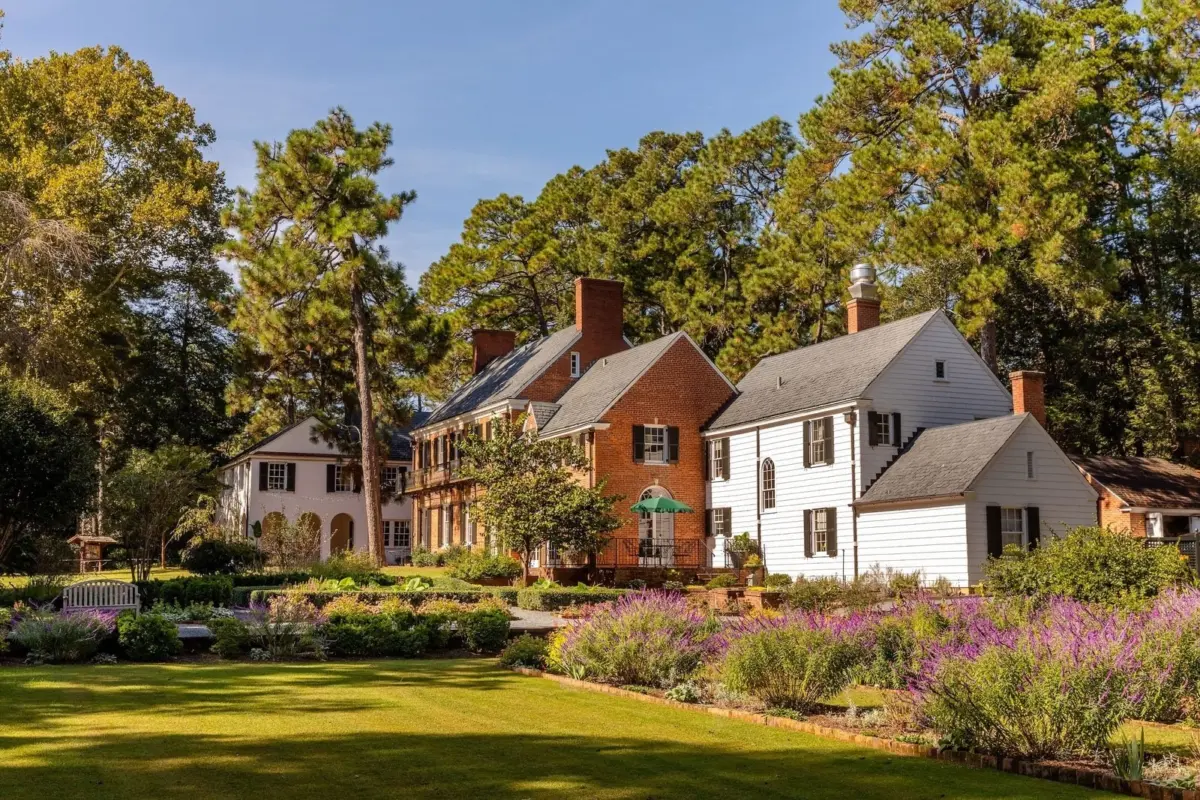
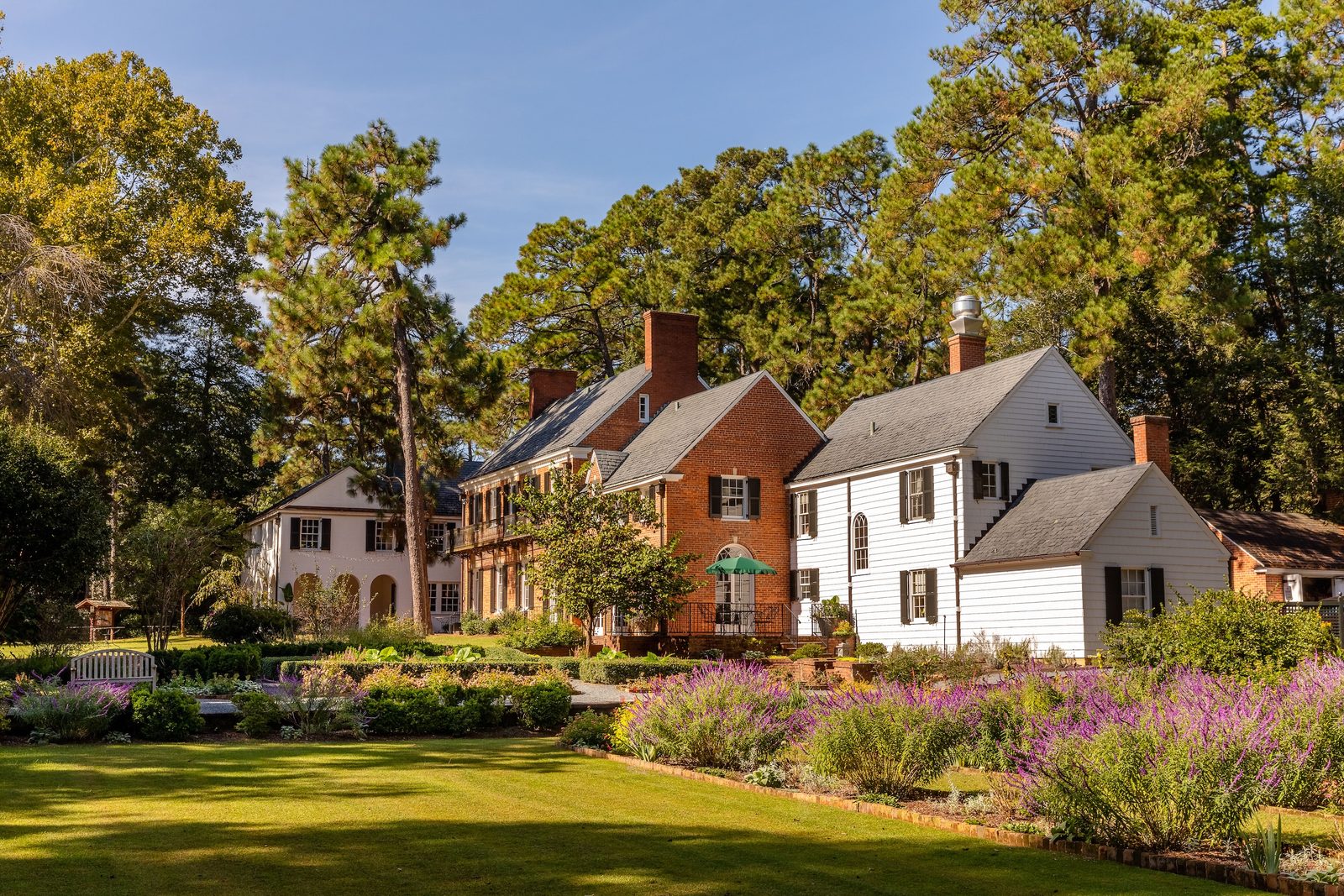
In the heart of Southern Pines, North Carolina, history is not merely preserved behind glass; it is lived, breathed, and practiced daily. At the Weymouth Center for the Arts & Humanities—a century-old Georgian-style and Colonial Revival estate—the boundary between past and present dissolves seamlessly. On any given weekday, staff and visitors gather around the same long banquet table where literary titans like James Boyd, F. Scott Fitzgerald, and Paul Green once debated politics and prose. Just outside, amateur gardeners trade tips among vibrant flowerbeds, equestrians train in the estate’s original stables, and writers-in-residence retreat to quiet rooms to hone their craft.
Yet, for all the profound cultural electricity that courses through Weymouth and the surrounding town of Southern Pines, one foundational figure remains conspicuously absent from the monuments, roadside markers, and brass plaques: Katharine Lamont Boyd.
Alongside her husband, acclaimed novelist James Boyd, Katharine helped build the physical, intellectual, and moral infrastructure of this storybook North Carolina community. They transformed Weymouth into what former White House Secretary Jonathan Daniels famously dubbed the "springboard for the Southern literary renaissance." But while James’s legacy is memorialized across town lines—anchored by a highway historical marker and institutional tributes—Katharine deliberately engineered her own anonymity.
For nearly a quarter-century, she ran the local newspaper, spearheaded sweeping regional arts initiatives, financed the education of underprivileged youth through anonymous cashier’s checks, and fiercely defended civil liberties in her editorials. Yet she did so hiding behind the institutional veil of "Mrs. James Boyd." This investigative retrospective explores how Katharine Boyd became the architect of a town that forgot her name, examining her quiet radicalism, her enduring institutional impact, and the personal resonance she holds for a community still shaped by her unseen hands.
Detailed Chronology: The Evolution of Weymouth and The Pilot
To understand the scope of Katharine Boyd’s influence, one must trace the timeline of Weymouth and its surrounding Sandhills region—a narrative defined by cultural patronage, media stewardship, and quiet civic resilience.
- 1922: James and Katharine Boyd construct Weymouth, a sprawling estate nestled within a thousand acres of pristine longleaf pine forest in Southern Pines. Born into industrial fortunes (James’s grandfather amassed wealth in iron and coal; Katharine’s father in tobacco and railroads), the couple chose to invest their capital into cultural and community enrichment rather than personal aggrandizement.
- The 1920s–1930s: Weymouth quickly becomes an idyllic sanctuary for the American literati. Here, James Boyd writes his seminal Revolutionary War novel, Drums. The estate plays host to F. Scott Fitzgerald, Thomas Wolfe (who famously crawled through a midnight ballroom window to sleep on a sofa), Paul Green, and other luminaries, cementing the property’s status as a crucible for Southern letters. Katharine plays an integral, though often uncredited, role in this literary output, serving as James’s primary editor, transcribing his dictations, and shaping his prose.
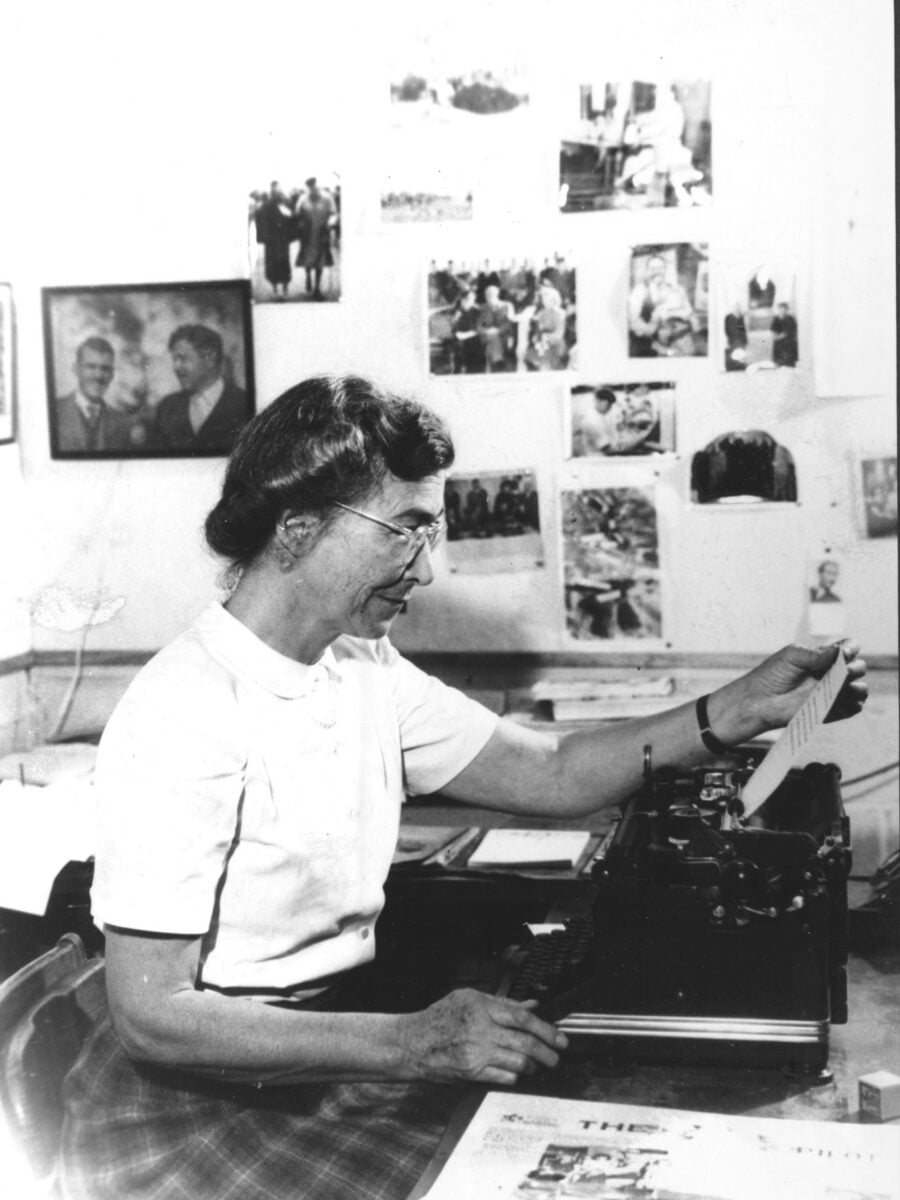
- 1944: Following the death of James Boyd, Katharine steps directly into the public sphere—sort of. She assumes the role of editor and publisher of The Pilot, Southern Pines’ historic local newspaper. Despite holding absolute editorial control, she eschews personal credit, routinely listing herself in the colophon simply as "Mrs. James Boyd."
- 1944–1968: Over her 24-year tenure at The Pilot, Katharine uses the newspaper as a moral compass for the region. She refuses to temper her editorials to appease conservative or commercial interests. In 1944, she publishes a scathing denunciation of postwar Republican ambitions and big-business influence, warning of "imperialistic tendencies… that are straws in an evil wind."
- The Mid-1950s: In the wake of the landmark Brown v. Board of Education Supreme Court ruling, Southern legislators draft the infamous Southern Manifesto to resist desegregation. Katharine condemns the document outright in her column, publicly praising her congressman, Harold Cooley, for courageously refusing to sign it, weathering substantial subscriber backlash without flinching.
- Pre-1968 (Land Conservation Initiatives): Prior to her passing, Katharine executes a series of transformative land gifts. She deeds four hundred acres of the Boyd family’s longleaf pine forest to the state of North Carolina, establishing Weymouth Woods—the state’s first designated natural area and one of the oldest surviving longleaf pine ecosystems. She simultaneously allocates fifteen acres for the creation of Penick Village, a premier continuous-care retirement community.
- 1968 and Beyond: Katharine steps down from The Pilot, leaving behind an indelible institutional footprint. Over the ensuing decades, the Boyd home evolves into the Weymouth Center for the Arts & Humanities, eventually housing the North Carolina Poetry Society and the North Carolina Literary Hall of Fame.
Supporting Context & Metrics: The Scale of Unseen Impact
Quantifying Katharine Boyd’s legacy presents a unique journalistic challenge because her defining characteristic was stealth. Where historical figures often amplify their achievements through self-promotion, Katharine systematically deflected recognition.
Financial and Philanthropic Footprint
- Land Conservation: Through direct land transfers, Katharine permanently protected over 400 acres of rare longleaf pine habitat (Weymouth Woods) and dedicated 15 acres to elder care infrastructure (Penick Village). In an era of rampant real estate development across the American South, this preemptive conservation preserved vital ecological corridors.
- The Arts Ecosystem: Her philanthropic reach extended far beyond Southern Pines, providing crucial early-stage and sustaining capital to statewide cultural institutions, including the North Carolina Symphony, the North Carolina School of the Arts, and the American Ballet Theatre.
- Anonymous Humanitarian Aid: Secondhand accounts from former The Pilot employees and local historians reveal a sprawling network of covert charity. Katharine regularly instructed staff members to deliver anonymous cashier’s checks to local families facing eviction, food insecurity, or medical crises. Furthermore, historical anecdotes suggest she personally underwrote the college tuition for dozens of underprivileged students throughout the Sandhills region, stipulating that her name never be attached to the transactions.
Journalistic Metrics
- Tenure: 24 years at the helm of The Pilot (1944–1968), a remarkably long and stable publishing run that steered the community through the seismic social shifts of the mid-20th century, including World War II, the Cold War, and the Civil Rights Movement.
- Editorial Independence: Across nearly a quarter-century of publication, her byline remained obscured as "Mrs. James Boyd," subverting the cult of personality typical of mid-century publishers in favor of institutional integrity and moral advocacy.
Official Statements and Archival Reflections
The duality of Katharine Boyd’s public influence and private self-effacement has long fascinated historians, local writers, and cultural preservationists who manage the estate today.
Reflecting on the literary genesis of the property, former White House Secretary Jonathan Daniels observed:
"The springboard for the Southern literary renaissance was Weymouth… a place where creative minds found not just a physical roof, but an intellectual sanctuary that challenged the boundaries of Southern thought."
While Daniels and contemporaneous literary figures frequently lauded the estate, they routinely centered their praise on James Boyd, overlooking the administrative, editorial, and financial machinery operated by Katharine that kept the sanctuary solvent and intellectually vibrant.
Local chroniclers and modern cultural essayists, such as touring storyteller and North Carolina native Liz Z. Pardue, note the profound psychological footprint Katharine left on generations of local youth:
"She sat on the board of the local hospital where my two sisters were born, and I first fell in love with North Carolina folklore by reading ghost story anthologies at the library she funded. Growing up, I rode my bike with friends in Weymouth Woods… and played in piano competitions at the Weymouth Center, where I nervously waited with other contestants in James’s study, never realizing the importance of the estate where I was biting my nails."
Pardue’s reflections encapsulate the central irony of Katharine Boyd’s existence: her fingerprints are utterly inescapable across Southern Pines—from healthcare facilities and public libraries to nature preserves and youth programs—yet her personal narrative was deliberately written out of the local folklore she helped inspire.
Future Outlook: Preserving the Estate and Reclaiming the Narrative
As the Weymouth Center for the Arts & Humanities enters its second century of operation, its role as a living cultural hub remains secure, but its historical interpretation is undergoing a necessary evolution.
Institutional Accessibility and Modern Stewardship
Today, the Weymouth Center operates as an open-access public resource. The historic Boyd House is open to visitors Monday through Friday, while its surrounding gardens, lawns, and the adjacent Weymouth Woods State Park remain open daily from sunrise to sunset. The estate continues to host its prestigious writers-in-residency program, offering contemporary Southern scribes a monastic, distraction-free environment to generate new literature—maintaining the exact creative tradition established a century ago by James and Katharine.
The Push for Historical Rectification
Looking forward, local historians, archivists, and feminist scholars are actively working to re-center Katharine Boyd’s contributions in public-facing exhibits at the Weymouth Center and The Pilot. Recognizing that her self-erasure was a product of a patriarchal era that often commodified women as mere helpmeets to male literary geniuses, current preservation efforts aim to decouple her legacy from total reliance on her husband’s name.
Plans are underway to expand archival displays dedicated to her 24-year editorial tenure at The Pilot, highlighting her courageous editorials against the Southern Manifesto and her vast, uncredited philanthropic network. By unearthing these records, cultural stewards are ensuring that future generations of Sandhills residents do not just enjoy the physical infrastructure Katharine built—the forests, the newspapers, the elder-care villages, and the arts centers—but finally learn to name and honor the woman who quietly engineered them.

0 Comments