

Executive Overview
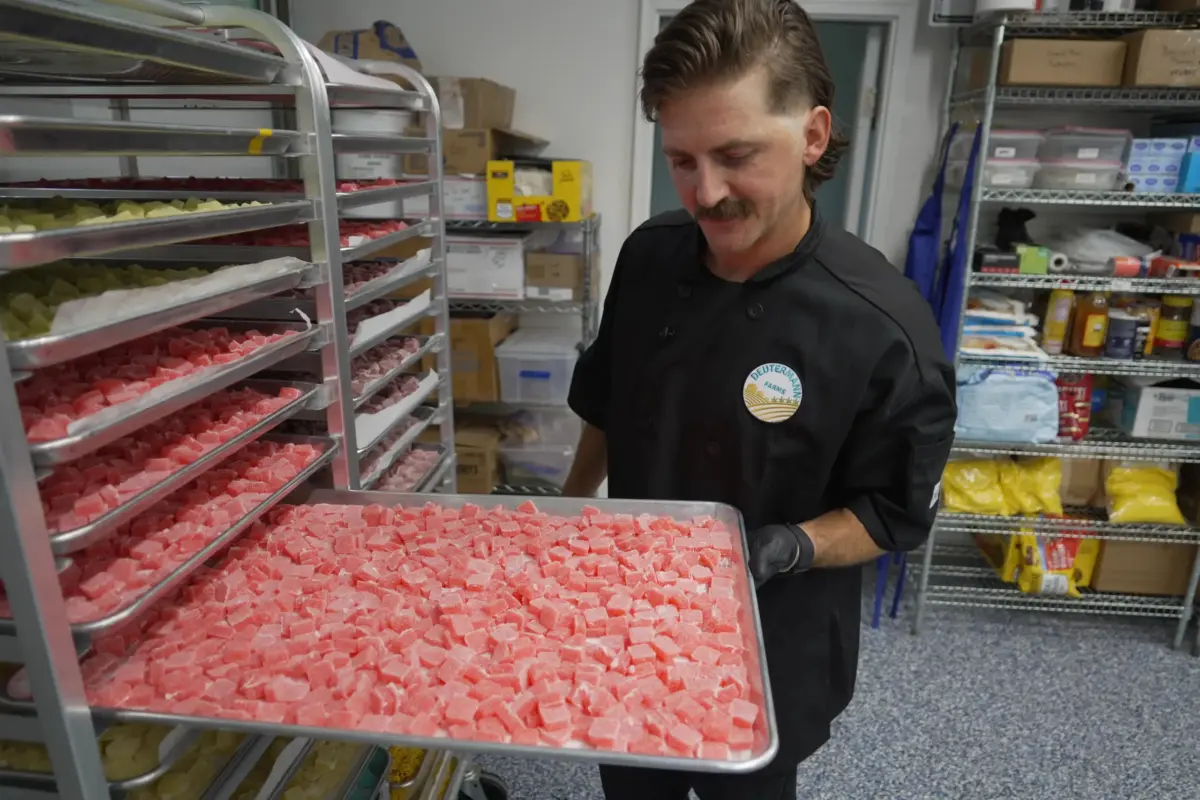
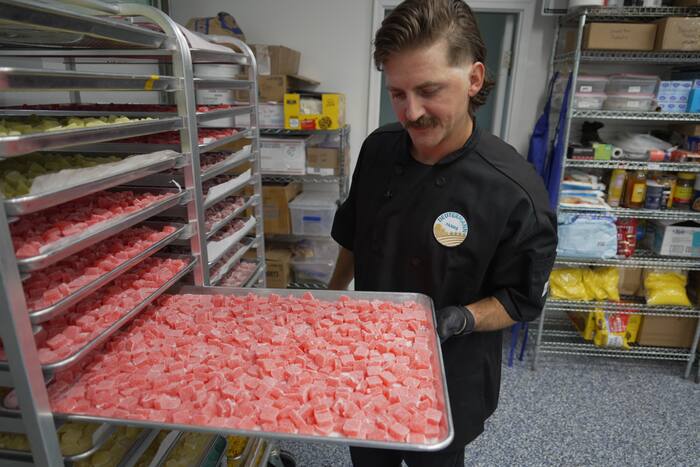
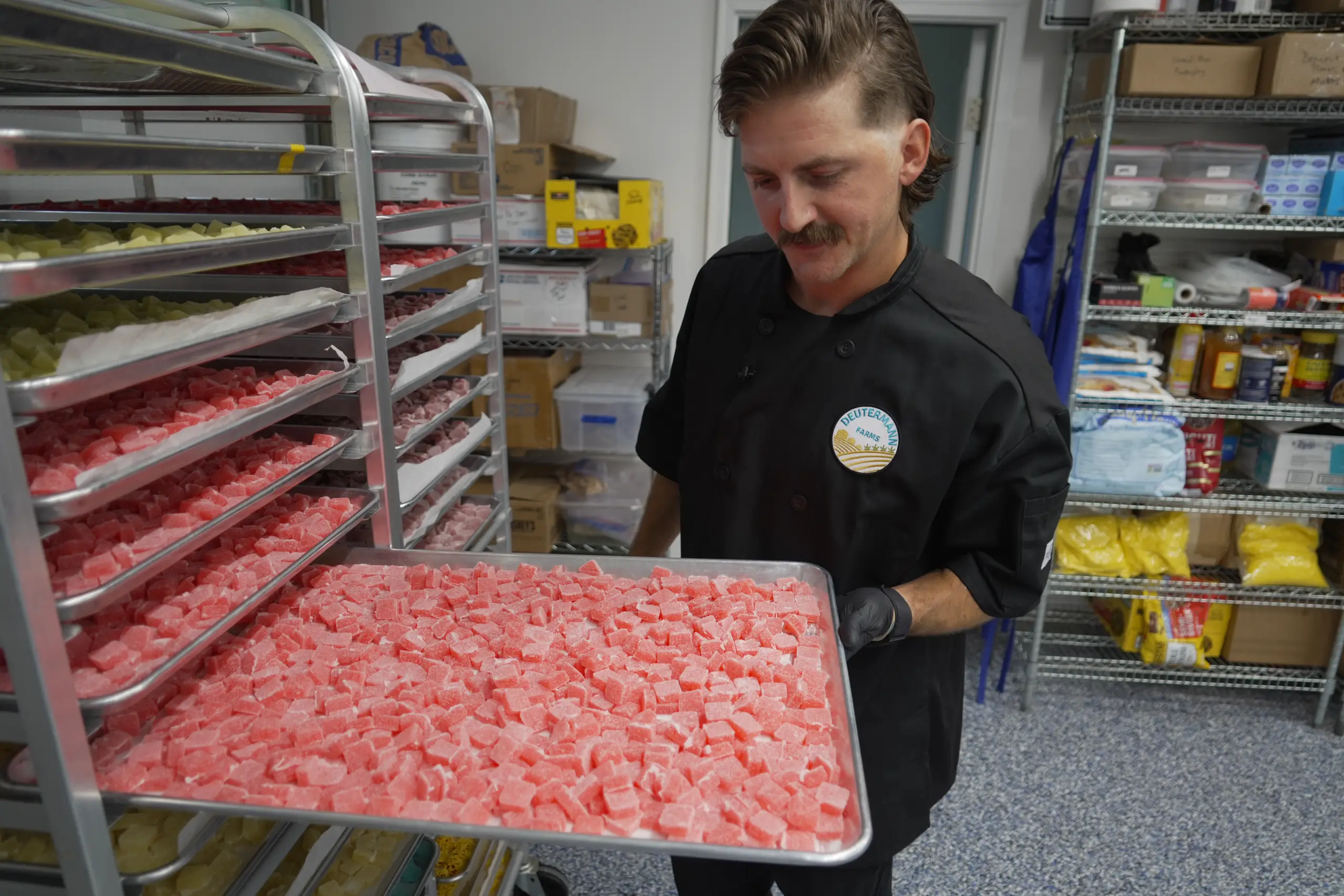
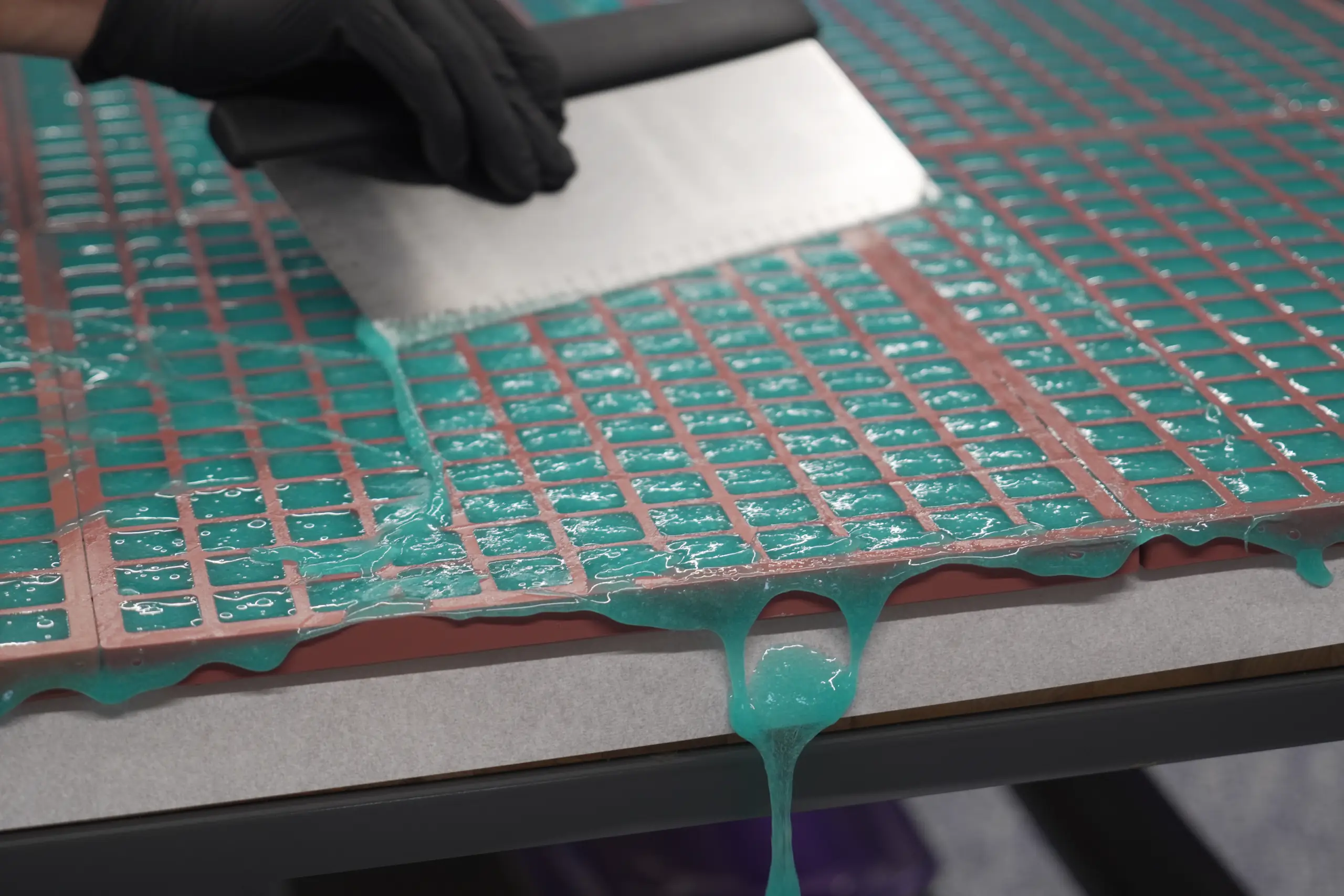
In a brightly lit commercial kitchen just outside Raleigh, North Carolina, Nicholas Hohns meticulously spreads a vibrant, blue-green viscous liquid into a precision-gridded mold. This mixture will soon set into potent THC gummies—artfully crafted confections infused with the primary psychoactive compound derived from the cannabis plant. For Hohns and thousands of other entrepreneurs across the United States, this hands-on labor represents the culmination of years of relentless entrepreneurial grind. However, it is an enterprise that may soon be entirely dismantled.
America’s thriving, multibillion-dollar market for impairing hemp-derived products—ranging from crisp THC seltzers stocked on shelves at major retailers like Target to premium smokable hemp flowers—faces potential total annihilation. This existential threat stems from congressional action designed to close a consequential legislative loophole that inadvertently allowed the industry to flourish nationwide.
While industry advocates, small-business owners, and allied trade groups are fiercely lobbying to salvage their livelihoods, the clock is ticking. A short-term government-funding measure recently signed into law extended the implementation deadline for the sweeping federal "hemp THC ban," pushing the effective date from mid-November to December 11. This brief legislative reprieve has bought stakeholders precious weeks to convince lawmakers to pivot away from a catastrophic ban and toward a comprehensive, regulated marketplace. Yet, for producers like Hohns, the psychological toll is immense.
"It’s such a weird spot to be in," Hohns reflects, surveying his production facility. "You worked 100 hours a week for the past four years, and, yeah, you made some money. But now you might have nothing to show for it."
Detailed Chronology: How the Loophole Opened and Closed
To understand how the American marketplace became saturated with intoxicating hemp products, one must look back to the origins of modern agricultural legislation and the unintended consequences of federal policymaking.
The 2018 Farm Bill and the Definition of Hemp
Historically, marijuana and hemp have been recognized as two distinct varieties of the exact same botanical species: Cannabis sativa. While marijuana has been selectively cultivated for centuries to maximize psychoactive tetrahydrocannabinol (THC) levels in its flowering buds, industrial hemp has traditionally been harvested for its robust stalks, fibrous stems, and seeds used for textiles, paper, building materials, and nutritional wellness products. For generations of American farmers, the prevailing philosophy was summed up by the folksy industry motto: "Rope, not dope."
Seeking to revitalize the agricultural sector and provide American farmers with a lucrative, high-yield cash crop, former Kentucky Republican Senator Mitch McConnell championed the legalization of industrial hemp. His efforts culminated in the passage of the landmark 2018 Farm Bill, which federalized hemp production by legally separating it from Schedule I controlled substances.
However, the statutory definition embedded within the legislation proved to be its undoing. The 2018 Farm Bill defined legal hemp as the Cannabis sativa L. plant, or any part of it, with a delta-9 THC concentration of no more than 0.3% on a dry-weight basis. Lawmakers intended this threshold to apply strictly to non-impairing agricultural commodities. Instead, it created an enormous, unintended chemical loophole.
Exploitation of the Loophole
Because the statutory limit applied exclusively to delta-9 THC by dry weight, savvy chemists and entrepreneurs realized that massive, bulky consumer products—such as heavy gummy candies, oversized chocolate bars, infused beverages, and snack chips—could easily incorporate significant quantities of THC while remaining well below the 0.3% concentration limit.
Furthermore, the loophole sparked explosive innovation in synthetic and semi-synthetic derivatives. Manufacturers began synthesizing delta-8 THC, delta-10 THC, and other novel cannabinoids from legally sourced CBD extracted from hemp. Concurrently, other operators began marketing raw, unprocessed cannabis flower under the technicality that the plant’s THC existed primarily as tetrahydrocannabinolic acid (THC-A), which only converts into intoxicating delta-9 THC when exposed to heat or burned.
Unregulated, laboratory-untested, and often aggressively marketed products flooded the American commercial landscape. Within years, intoxicating hemp derivatives appeared not only in specialized dispensaries but ubiquitously on the shelves of gas stations, neighborhood convenience stores, and mainstream retail outlets—frequently accessible to minors due to a glaring lack of age-verification standards.
State Retaliation and Federal Intervention
Alarmed by the proliferation of unregulated intoxicants that routinely bypassed state-level recreational marijuana prohibitions and undercut heavily taxed, state-regulated cannabis markets, dozens of state legislatures rushed to enact their own emergency bans or strict regulatory frameworks.
Recognizing the regulatory vacuum he had inadvertently created six years prior, Senator Mitch McConnell finally engineered a legislative fix. Late last year, during high-stakes negotiations to avert a prolonged federal shutdown, McConnell successfully inserted a rigorous hemp THC restriction into the final appropriations package. The stringent measure effectively caps total THC content in hemp-derived products at an infinitesimal 0.4 milligrams per container—a threshold so low that it effectively criminalizes the vast majority of existing commercial edibles and beverages.
Supporting Context & Metrics: Economic Fallout and Market Impact
The impending federal restrictions carry catastrophic implications for an industry that has grown exponentially over a remarkably short timeframe. According to a comprehensive market analysis released last month by Whitney Economics, a premier economic research firm specializing in the cannabis sector, the federal ban threatens to wipe out billions in commercial value.
Key Economic Indicators
- Revenue Destruction: The proposed ban threatens to slash retail revenues across the United States by an estimated $28.3 billion.
- Job Displacement: Approximately 225,000 jobs—spanning agricultural cultivation, chemical extraction, product manufacturing, logistics, and retail sales—hang in the balance.
- Tax Revenue Losses: State and local governments face a combined potential loss of $2.1 billion in annual sales tax revenues.
The Human Cost on Small Businesses
For mid-sized enterprises, the 0.4-milligram container limit spells certain doom. Eric Zipperle and Jim Higdon, co-owners of Kentucky-based Cornbread Hemp, have built a thriving enterprise over recent years. Their company currently employs 105 workers, distributes hemp-infused beverages across 18 states, and projected a robust $65 million in gross revenue for the year.
Yet, Zipperle is blunt about the reality of the impending deadline: "If it goes through in December, this place is toast—it’s gone."
Jonathan Miller, general counsel for the prominent industry advocacy group U.S. Hemp Roundtable, points out that the federal cap is so restrictive that it would inadvertently ban non-impairing topical products, such as therapeutic CBD lotions and balms, which rely on trace cannabinoids for localized relief.
The crisis has already forced many business owners to shutter operations entirely. In Sheboygan, Wisconsin, Matt Swanson—co-founder of cannabis beverage producer Drinkin’ Buds—was forced to mothball production lines. Facing insurmountable market uncertainty, Swanson officially removed himself from his own company’s payroll, pivoting immediately to active job-hunting in traditional employment sectors.

Official Statements and Industry Perspectives
The impending showdown over the December 11 deadline has created unusual political alignments, pitting aggrieved small-business owners, alcohol distributors, and public health advocates against one another in a fierce lobbying war on Capitol Hill.
The Hemp Industry’s Counter-Proposal
Desperate to survive, organized factions within the hemp industry are actively lobbying lawmakers to abandon the crippling 0.4-milligram limit in favor of sensible, uniform federal regulation. Their proposed framework includes:
- Strict Age Restrictions: Banning the sale of all intoxicating hemp-derived products to individuals under 21 years of age.
- Package Potency Caps: Establishing reasonable milligram limits per package (such as a 5-milligram or 10-milligram cap per serving) to ensure consumer safety and responsible adult consumption.
- Import Bans: Outlawing the importation of unregulated, foreign-synthesized cannabis compounds of dubious chemical origin.
Allies of the Hemp Industry
Surprisingly, the hemp sector has found a powerful corporate ally in mainstream alcohol retailers, including giants like Total Wine & More. As consumer preferences shift away from traditional alcohol toward healthier social alternatives, sales of cannabis-infused seltzers have provided a vital revenue buffer, offsetting declining alcohol sales among younger demographic cohorts.
Opponents and Skeptics
Conversely, public health organizations and traditional anti-drug advocates maintain that the intoxicating hemp market has long posed a severe, unmitigated danger to public safety, particularly among adolescents.
"I have sympathy for people losing their jobs, but I also have sympathy for the many, many more people whose lives are affected by this," argues Kevin Sabet, Chief Executive Officer of Smart Approaches to Marijuana (SAM), a leading anti-legalization advocacy group.
Meanwhile, the heavily regulated state-legal marijuana industry views the intoxicating hemp market as an unfair, predatory competitor that successfully evaded millions of dollars in licensing fees, regulatory compliance costs, and excise taxes. Cory Harris, a prominent lobbyist representing state-licensed cannabis operators, suggests that the panic surrounding the federal ban is largely exaggerated.
While acknowledging that a federal ban would effectively terminate interstate commerce for popular items like THC seltzers and high-potency gummies, Harris notes that adaptable businesses might find refuge within domestic, state-regulated frameworks. For instance, producers could potentially pivot to selling their THC beverages exclusively within the borders of the states where they are manufactured, provided local legislatures establish formal legal hemp programs.
"If you go from having virtually no rules to suddenly having an awful lot of rules, that’s a buzzkill," Harris remarks candidly. "Welcome to our world. But if you establish your whole business within a legally questionable loophole, that’s just sort of the risk you take."
Future Outlook: The Road Ahead for Producers and Consumers
As the December 11 deadline rapidly approaches, the fate of America’s hemp-derived cannabinoid market hangs in a delicate balance.
For entrepreneurs like Nicholas Hohns, the psychological fatigue of operating within a perpetual legislative gray area is reaching a breaking point. Hohns initially entered the market over four years ago after losing his livelihood as a personal trainer during the disruptions of the COVID-19 pandemic. Operating out of North Carolina—a state that has stubbornly resisted legalizing either medical or recreational marijuana—Hohns recognized the fleeting nature of his venture early on.
"When I started seeing THC edibles being sold… I was like, I got 18 months to two years to make money in this industry," Hohns recalls. "No way is the government just going to sit here and let us do this when this was supposed to be for fiber, plastics, building materials, rope."
Anticipating inevitable regulatory crackdowns, Hohns deliberately kept his capital expenditures low, avoiding massive long-term debts. As the shadow of federal prohibition looms larger, he is already contemplating contingency plans—exploring commercial pivots into non-cannabis functional wellness products, such as manufacturing alternative performance supplements like creatine gummies.
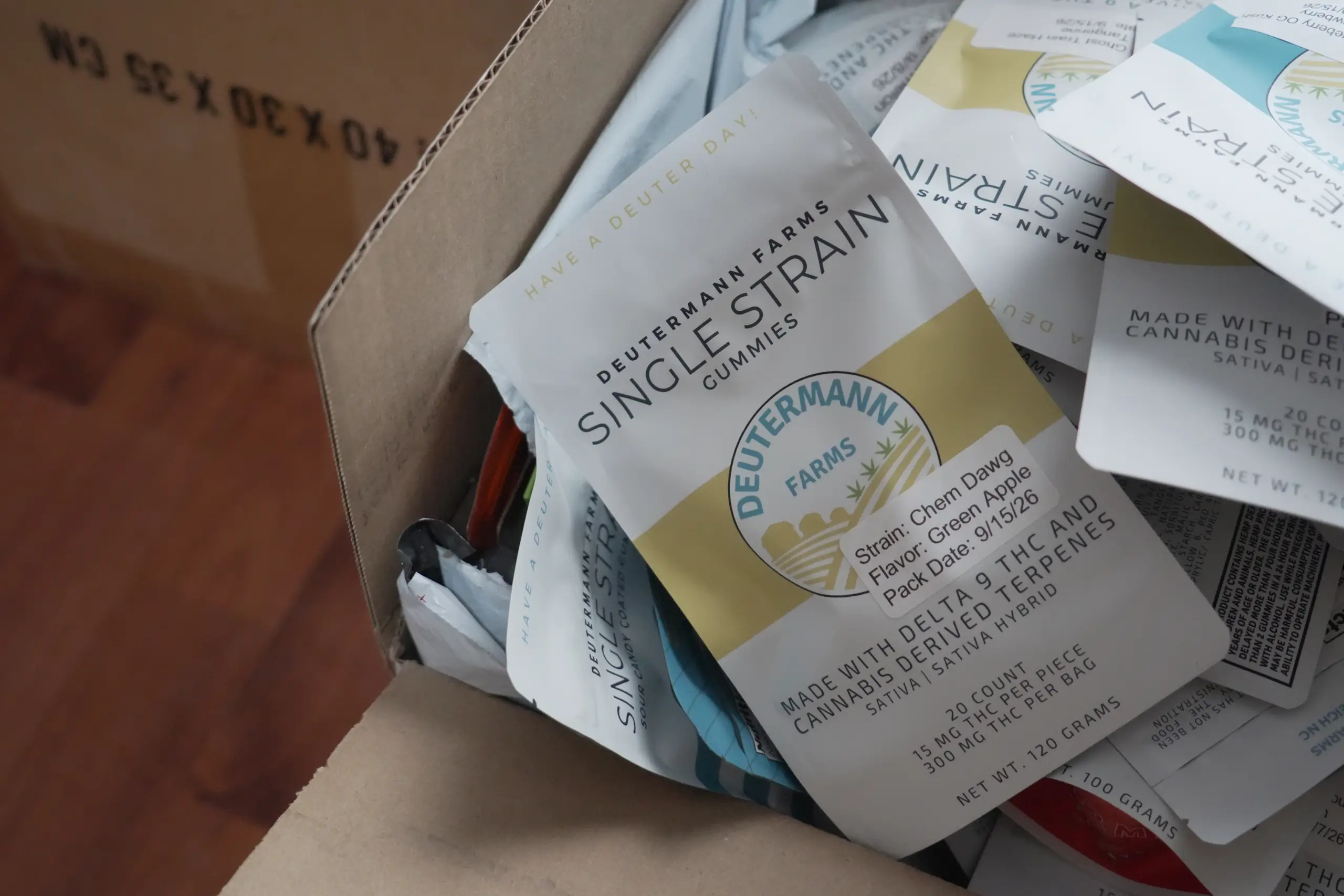
Whether Congress chooses to grant the industry a permanent legislative reprieve through structured federal oversight, or whether it ultimately pulls the plug on the multibillion-dollar experiment, the landscape of American cannabis is on the verge of a profound and permanent transformation. For thousands of workers and hundreds of independent business owners, the next few weeks will determine whether their American dream endures or dissolves completely into regulatory history.

0 Comments