

Executive Overview
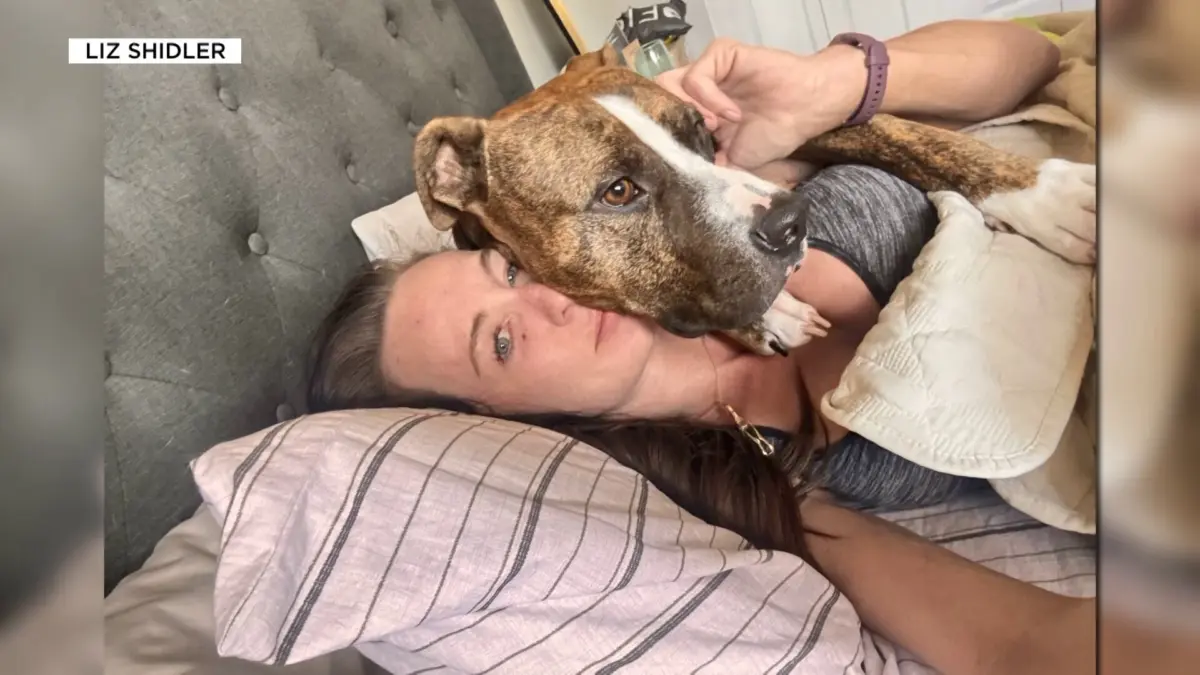
In the landscape of animal welfare, the foster system is widely celebrated as a crucial bridge between crowded municipal shelters and permanent, loving homes. However, a catastrophic incident in Tempe, Arizona, has cast a harsh light on the systemic vulnerabilities of this network. Liz Shidler, an experienced foster volunteer with nearly five years of incident-free service, was brutally mauled by a dog named Benny—an animal she had taken into her home to save from a county euthanasia list.
The attack, which occurred in July, left Shidler fighting for her life. She suffered a severed artery, lost three units of blood, and narrowly avoided the amputation of her left arm. Months after the incident, Shidler remains severely disabled, unable to perform basic daily tasks or use her arms, relying entirely on a live-in caregiver.
This tragedy raises urgent questions about the operational protocols of municipal shelters, the screening processes of private rescue organizations, and the physical safety of the volunteers who form the backbone of the "no-kill" movement. As municipal shelters across the United States face unprecedented overcrowding, the pressure to transfer high-risk or medically complex animals to private foster networks has never been higher. Shidler’s story serves as a stark warning of what can happen when compassion overrides caution, exposing the potential dangers inherent in the unregulated pipeline of animal rescue.
Detailed Chronology: From Death Row to a Near-Fatal Struggle
To understand how a routine foster placement escalated into a life-threatening crisis, it is necessary to examine the timeline of Benny’s journey through the Maricopa County animal rescue system.
[Jan 13] Stray Intake at MCACC -> [Jan 22] Transferred to Desert Dog Project -> [June] Placed with Liz Shidler -> [July 8] The AttackThe Intake and Transfer
On January 13, a stray dog later named Benny was brought to the Maricopa County Animal Care and Control (MCACC) facility. Due to undisclosed medical concerns and the persistent overcrowding plaguing the county shelter, Benny was quickly placed on the euthanasia list.
On January 22, Benny’s life was spared when he was transferred to the Desert Dog Project, a local non-profit rescue organization operating as one of MCACC’s "New Hope" partners. These partner organizations routinely pull animals from county euthanasia lists to rehabilitate and rehome them. According to MCACC officials, Benny did not exhibit any concerning behavioral warning signs during his brief stay at the county facility; his placement on the euthanasia list was attributed primarily to medical issues.
The Placement
Following his transfer, Benny spent several months under the care of the Desert Dog Project. In June, he was placed in the Tempe home of Liz Shidler. Shidler, who had fostered numerous dogs over a five-year period without a single safety issue, agreed to take Benny in on what was intended to be a temporary basis.
"It was supposed to be temporary," Shidler recalled. "And yeah, unfortunately, it was just too much."
The July 8 Attack
The fragile peace of the household shattered on the morning of July 8. Shidler was letting Benny and her three personal dogs into the backyard when Benny suddenly and without warning lunged at one of the other dogs.
Recognizing the immediate danger to her pet, Shidler intervened. She managed to grab Benny and drag him toward a spare bedroom to isolate him. It was inside the bedroom that the situation escalated from a dog fight into a life-threatening assault on Shidler herself.
Benny turned on Shidler, latching his jaws onto her left arm. What followed was a prolonged, agonizing struggle that Shidler described as lasting what felt like hours. The dog refused to release his grip, tearing through muscle, tissue, and a major artery.
"I actually almost lost my left arm. I lost three units of blood due to an artery tear, and then calling 911 was hard because my blood kept cutting off the phone call."
— Liz Shidler
The severity of the blood loss created a terrifying hurdle during her attempt to summon emergency services. As Shidler tried to dial 911 on her smartphone, the sheer volume of blood pooling on her hands and screen disrupted the device’s capacitive touch sensor, repeatedly disconnecting and interfering with the emergency call.
Eventually, emergency responders arrived at the scene. Shidler was rushed to a local trauma center, where she underwent emergency vascular and reconstructive surgery. She remained hospitalized for four days, during which surgeons fought successfully to save her arm, though the long-term prognosis for her mobility remains grim.
Supporting Context & Metrics: The Crisis of Shelter Overcrowding and Volunteer Safety
Shidler’s near-fatal encounter is not an isolated anomaly, but rather a symptom of a broader crisis gripping animal shelter systems nationwide. To understand the dynamics at play, it is essential to examine the operational pressures facing municipal facilities and private rescues.
The "New Hope" Pipeline and Liability Shift
Municipal shelters like Maricopa County Animal Care and Control are frequently forced to operate at or above maximum capacity. To maintain high "live-release rates"—a key metric for modern shelters striving for "no-kill" status—municipalities rely heavily on "New Hope" partner programs.
| Program Element | Municipal Shelter (MCACC) | New Hope Partner (Private Rescue) |
|---|---|---|
| Primary Role | Public intake, stray holding, initial medical/behavioral screening. | Long-term rehabilitation, fostering, and adoption placement. |
| Liability Status | Transferred to partner upon signing of pull agreement. | Assumes liability for the animal’s behavior and care. |
| Funding Source | Government tax dollars, public budgets. | Private donations, adoption fees, out-of-pocket volunteer funds. |
While this system successfully saves thousands of animals annually, it also shifts the burden of care, rehabilitation, and physical liability from taxpayer-funded government agencies to private, often underfunded, volunteer-run non-profits.
Behavioral vs. Medical Evaluations
MCACC stated that Benny showed "no concerning signs" behaviorally while in county custody. However, canine behavior experts warn that shelter environments are highly stressful, often causing traumatized dogs to shut down behaviorally (a state known as "learned helplessness"). A dog that appears passive or calm in a shelter kennel may exhibit severe resource guarding, territorial aggression, or predatory behavior once it decompresses in a home environment.
Furthermore, private rescue groups often lack the resources to employ certified veterinary behaviorists to conduct rigorous, multi-scenario temperament testing before placing animals with foster volunteers. This leaves fosters like Shidler to perform the highly dangerous work of behavioral assessment in real-time, within their own homes, alongside their own family members and pets.
Official Statements and Responses
In the wake of the attack, the organizations involved have addressed the incident, highlighting the delicate balance between public safety and animal rescue advocacy.
Maricopa County Animal Care and Control (MCACC)
In an official statement, MCACC confirmed Benny’s history within their facility, emphasizing that the dog was flagged for euthanasia due to medical concerns rather than behavioral aggression:
"The canine was brought to our facility as a stray on January 13 and was subsequently scheduled for euthanasia due to compounding medical issues. On January 22, he was transferred to one of our New Hope partners for specialized care. During his time in our custody, the dog did not exhibit behavioral red flags that would indicate a danger to the public or handlers."
Liz Shidler: A Warning to the Rescue Community
Despite the severity of her injuries, Shidler’s response is remarkably devoid of bitterness toward the rescue community. Instead, she is utilizing her platform to advocate for stricter safety boundaries and more rigorous questioning by foster volunteers.
"We forget our boundaries when we think with our heart, and that leads to this stuff, and I don’t want that to happen," Shidler stated. She emphasized that her goal is not to discourage people from fostering animals—which she still views as a noble and necessary endeavor—but to dismantle the romanticized view of rescue work that can blind volunteers to the physical risks involved.
Future Outlook: Recovery, Reform, and the Foster System’s Crossroads
Shidler’s Road to Recovery
For Liz Shidler, the immediate future is defined by physical rehabilitation and financial strain. Months after the July 8 attack, she remains unable to use her arms. She is entirely dependent on a friend who works from home to assist her with basic daily needs, from dressing to personal hygiene.
"I can’t even put my hair in a ponytail," Shidler said. "I can’t do anything."
The long-term neurological and muscular damage to her left arm will require extensive physical therapy, and the possibility of future reconstructive surgeries remains on the table. To offset the mounting medical bills and the cost of daily care, a GoFundMe campaign has been established by her supporters.
Liz Shidler Recovery Fund:
- Goal: Assist with ongoing medical rehabilitation, specialized physical therapy, and daily living expenses.
- Current Status: Active and supported by local community members.
The Call for Policy Reform in Animal Welfare
Shidler’s experience has ignited a quiet but persistent conversation within the animal welfare sector regarding the safety protocols governing foster placements. Industry critics and volunteer advocates are calling for several key reforms:
- Mandatory Behavioral Disclosures: Legislation or administrative rules requiring municipal shelters and private rescues to provide comprehensive, written behavioral and medical histories to fosters, including any documented incidents of dog-on-dog aggression.
- Standardized Safety Equipment and Training: Requiring rescue groups to provide foster volunteers with safety equipment (such as slip leads, break sticks, and air horns) and mandatory training on how to safely break up dog fights.
- Liability and Medical Insurance for Fosters: Establishing dedicated insurance funds within rescue groups to cover the medical expenses of volunteers injured in the line of duty, reducing the reliance on crowdfunding campaigns like GoFundMe.
As municipal shelters continue to navigate the challenges of overcrowding, the relationship between shelters, rescue groups, and foster volunteers must evolve. If the animal rescue movement is to remain sustainable, the safety of the humans opening their homes to vulnerable animals must be prioritized alongside the welfare of the animals themselves. For Liz Shidler, that realization came at an incredibly high price—one she hopes other volunteers will never have to pay.

0 Comments