

Executive Overview
For decades, the invisible toll of collision sports has remained shrouded in a medical mystery. While millions worldwide thrill to the bone-crunching hits of football, the ultimate price of those impacts—Chronic Traumatic Encephalopathy (CTE)—has historically been a posthumous verdict. Diagnosing this degenerative brain disease required opening the skull of a deceased athlete, examining the microscopic accumulation of hyperphosphorylated tau protein, and looking backward at a life cut short by cognitive decline, memory loss, and erratic, sometimes violent behavior.
Today, that paradigm is trembling on the brink of obsolescence.
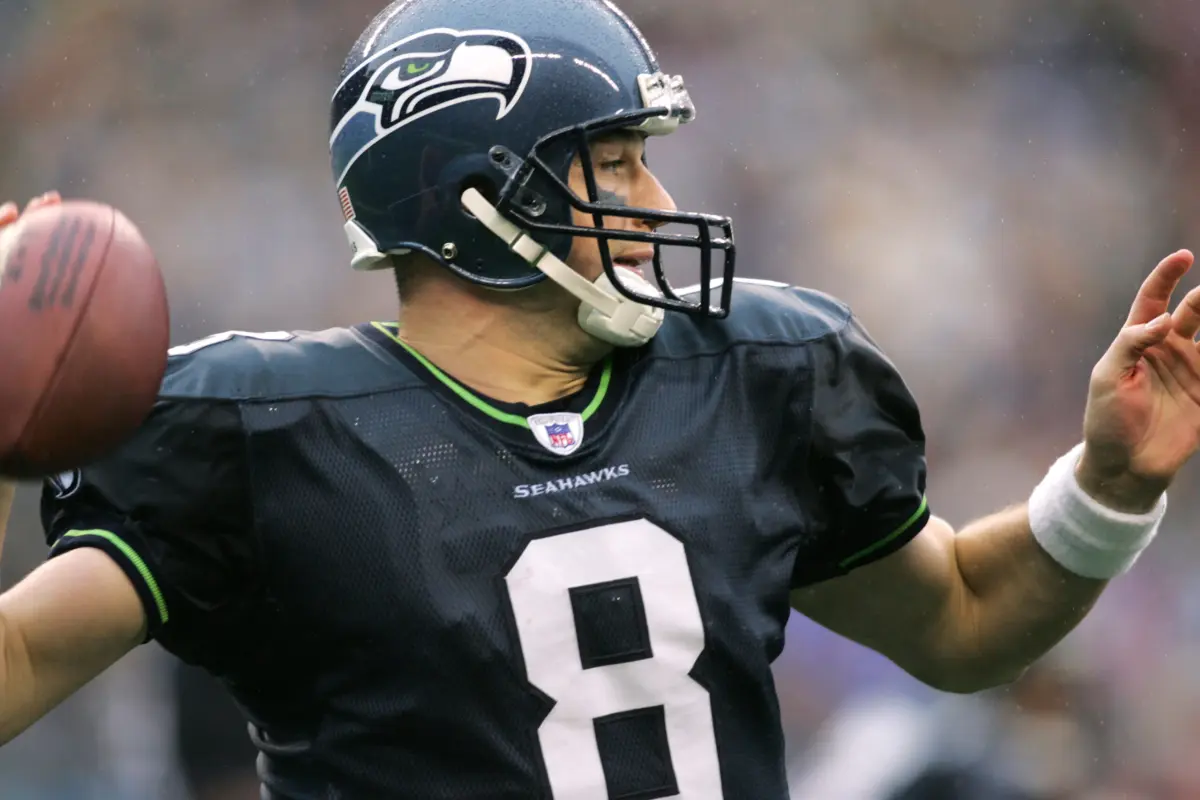
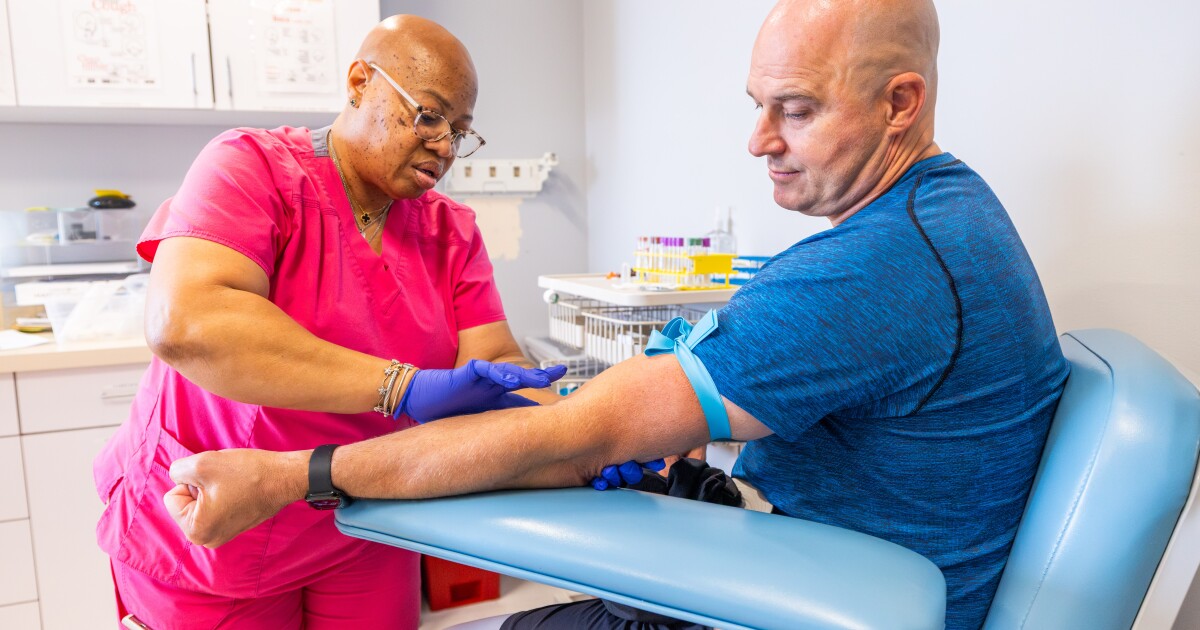
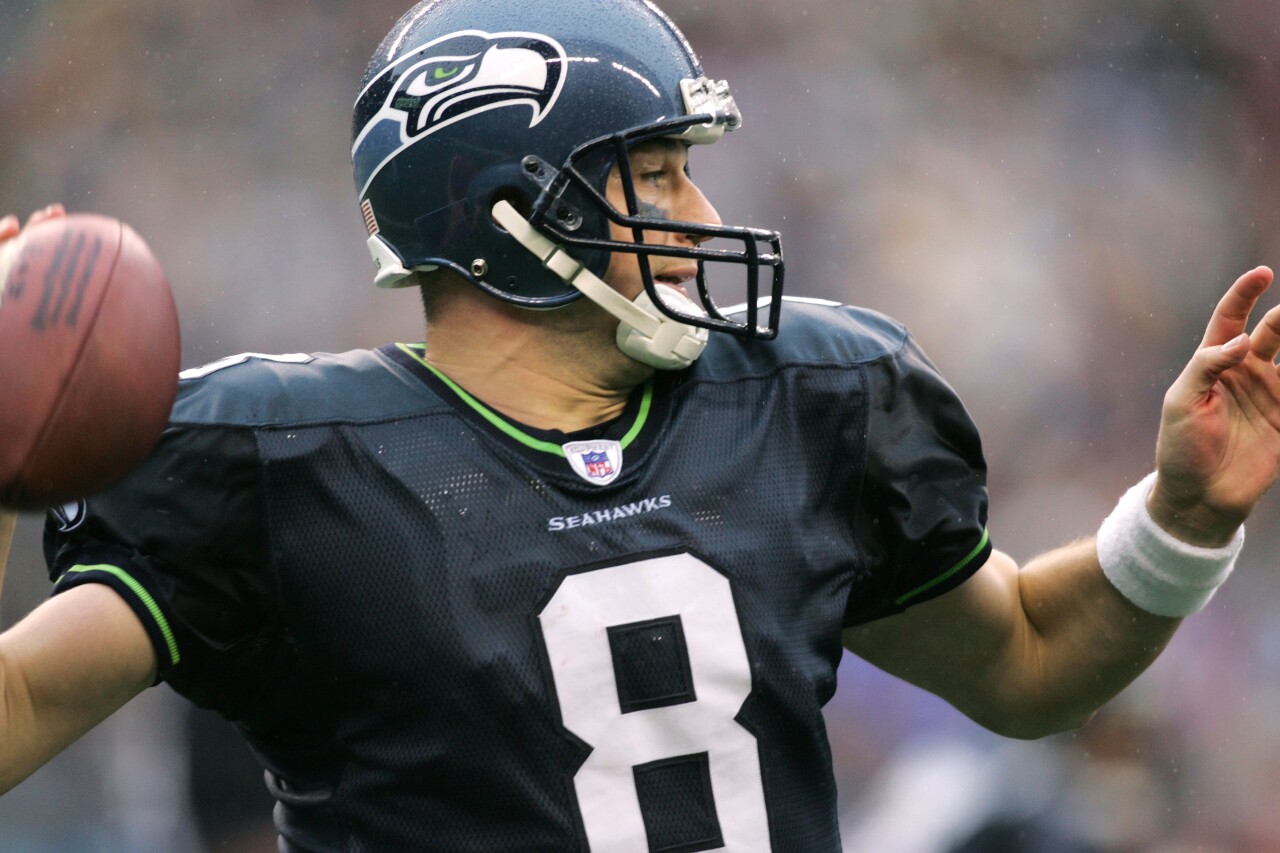
In a quiet medical examination room at Boston University, former NFL star quarterback Matt Hasselbeck recently sat through two days of exhaustive neurological testing, having his blood drawn, his brain scanned via advanced MRI, and his neural pathways mapped with PET tracers. Hasselbeck, who emerged from a 17-year professional career, four years at Boston College, and a lifetime of sports relatively healthy, is not suffering from acute neurodegeneration. Instead, the 50-year-old father of three is volunteering as part of a vanguard of healthy former athletes striving to crack one of modern medicine’s hardest codes: diagnosing CTE in the living.
Supported by a landmark $15 million grant awarded in 2025 by the National Institutes of Health (NIH), a multi-institutional research initiative is racing to find the specific biological markers that separate CTE from other neurodegenerative conditions like Alzheimer’s disease. Featuring sites in Boston, California, Arizona, Texas, and Florida, this sweeping study is enlisting hundreds of former collegiate and professional football players—alongside control groups of Alzheimer’s patients who never played contact sports—to map the brain’s responses during life and, ultimately, secure pledges for brain donation after death.
If researchers succeed, the breakthrough could revolutionize sports medicine, paving the way for early detection, targeted clinical trials, and life-altering treatments that have transformed the landscape of other cognitive illnesses.
Detailed Chronology: The Evolution of Football’s Head Trauma Crisis
To understand the urgency of the current clinical trials at Boston University and its partner sites, one must trace the timeline of how football’s relationship with head trauma transformed from a culture of silence to a public health emergency.
The Era of Silence (Pre-2000s)
For generations, the football gridiron operated under a code of absolute toughness. Concussions were routinely dismissed as "dings," "bell-ringers," or mild inconveniences. Players were conditioned—and financially incentivized—to shake off collisions and return to the field immediately.
Matt Hasselbeck’s own exposure to head trauma highlights this generational reality. Long before he ever stepped onto an NFL field for the Green Bay Packers, Seattle Seahawks, Tennessee Titans, or Indianapolis Colts, Hasselbeck had already sustained three concussions before college: one in youth football, another on a basketball court, and a third while goofing off on ice skates. During his professional career—which spanned from 1998 to 2015—the cultural expectation in locker rooms was uniform. If a player took a devastating hit to the head, the only socially acceptable response was a firm, "I’m good."
The Post-Mortem Breakthrough (2002–2010s)
The veil began to lift in 2002 when forensic pathologist Dr. Bennet Omalu examined the brain of legendary Pittsburgh Steelers center Mike Webster. Omalu discovered abnormal accumulations of tau protein, coining the term Chronic Traumatic Encephalopathy as it related to American football.
Over the ensuing decade, the list of high-profile post-mortem diagnoses grew with terrifying consistency. Hall of Fame linebacker Junior Seau, iconic quarterback Ken Stabler, and former New England Patriots tight end Aaron Hernandez were all posthumously diagnosed with CTE. These revelations placed the NFL, the NCAA, and youth sports organizations under an intense, unyielding cultural and legal spotlight. The sport that served as America’s premier pastime was suddenly forced to reckon with its darkest byproduct.
Cultural Shifts in the Locker Room (Mid-2010s to 2020s)
As public awareness surged, the internal culture of football began to bend. Hasselbeck notes a profound ideological shift during his final seasons in the mid-2010s. By the end of his career, players were markedly more honest about potential concussions, shedding the dangerous bravado of previous decades.
Rules committees altered targeting and defenseless-player penalties, while independent neurologists were installed on sidelines. Yet, a glaring limitation remained: doctors could suspect CTE in living patients based on symptoms, but they could never definitively prove it until the player had passed away.
The Modern Frontier (2025–Present)
The launch of the NIH-sponsored multi-site study marks the current chapter in this historical timeline. With millions in federal backing, researchers are no longer content with merely cataloging damage after the fact. They are actively mapping the living brain, combining fluid biomarkers from blood draws with advanced imaging to build a diagnostic bridge that could mirror the historical breakthroughs achieved in Alzheimer’s disease research.
Supporting Context & Metrics: Unraveling CTE vs. Alzheimer’s
The scientific hurdles facing researchers like Michael Alosco, co-director of clinical research at the Boston University CTE Center, and Nicholas Ashton, a principal investigator at the Arizona research site, are immense.
The Diagnostic Overlap
At first glance, Alzheimer’s disease and CTE share striking clinical features. Both are degenerative brain diseases that damage regions regulating behavior, emotional control, and cognition. Patients suffering from either condition can exhibit:
- Progressive memory loss
- Severe depression and anxiety
- Volatile and violent mood swings
- Executive dysfunction and cognitive fog
However, the underlying pathologies are fundamentally distinct. While Alzheimer’s is characterized by the accumulation of amyloid-beta plaques and tau tangles in specific distribution patterns, CTE features a unique deposition of tau protein clustered around the small blood vessels deep within the brain’s sulci (its folds).
"We’ve applied what we’ve known worked for Alzheimer’s disease, but we’ve learned it does not work for CTE," explains Dr. Alosco. "We’ve really got to push discovery efforts and find the marker that’s specific to the protein of CTE versus Alzheimer’s because they’re different."
The Power of Numbers
The primary reason Alzheimer’s research sits generations ahead of CTE research is scale. Alzheimer’s has been rigorously studied for decades, backed by a massive repository of longitudinal data collected from living patients who ultimately donated their brains for scientific validation.
CTE research, by comparison, has lacked this crucial longitudinal bridge. Until recently, researchers possessed a wealth of post-mortem brains but very little tracking data from when those individuals were alive, functioning, and showing early symptoms.
Demographics of the Study
The current NIH-backed initiative aims to close this gap by recruiting two distinct cohorts:

- Athletes: Former professional and collegiate football players who have subjected their brains to years of repetitive head impacts.
- Controls: Individuals diagnosed with Alzheimer’s disease who have never played contact or collision sports and have zero history of repetitive head trauma.
This comparative methodology allows researchers to isolate the unique molecular signatures of impact-induced neurodegeneration from age-related cognitive decline.
Official Statements and Personal Testimonies
The human element of this scientific crusade is vividly embodied by the volunteers who step forward to undergo grueling examinations and pledge their brains to science.
Matt Hasselbeck: Standing Up for His Teammates
For Matt Hasselbeck, volunteering at Boston University was an act of solidarity with the men who shared the field with him—particularly those who absorbed the punishing blocks and special teams collisions that quarterbacks rarely endure.
"They need guys like me—they need people who are feeling good to step up to the plate and volunteer," Hasselbeck said. "I played quarterback, so I didn’t take some of the hits that a lot of my teammates took. But the guys who were blocking for me, or playing special teams, or trying to get the ball back for me on defense, I wanted to do something. They had my back, so in a way I’d like to have their back."
Hasselbeck described the diagnostic battery—which included reciting the alphabet backward, counting backward from 100 by sevens, providing blood samples, undergoing high-resolution brain MRIs, and receiving PET scans with safe radioactive tracers—as a humbling and eye-opening experience.
"I’ve got a healthy respect for people who are dealing with serious brain trauma, whether it’s tumors or cancer," Hasselbeck reflected. "I walked in there feeling completely healthy and you still get a little anxious when you’re doing a brain scan, an MRI. You come out and you’re looking at your brain."
Bryan Savage: Navigating Midlife Uncertainty
Volunteers in the study extend far beyond the glittering halls of the NFL. Bryan Savage, a 56-year-old resident of Maryland and a former linebacker at NCAA Division III Union College in Schenectady, New York, made the journey to Boston to participate and committed to donating his brain.
Savage, who has navigated diagnoses of depression and ADHD in recent years, noted the psychological toll of wondering whether his mental shifts were ordinary aging, a midlife crisis, or the delayed echo of gridiron collisions.
"I was interested because of some of the things that I’ve gone through physically and mentally," Savage said. "You wonder if it’s just getting older, a midlife crisis or if it’s related to any brain trauma I might have had playing football."
Finding out that his brain scans appeared normal for a man in his mid-50s brought Savage immense relief, prompting him to encourage former teammates who are struggling with unexplained apathy and depression to seek out research opportunities.
"I’ll talk to some of my former friends and they’re going through a lot of the same things," Savage noted. "They’ll say—’Why do I feel like this? I’ve never been depressed. Things that I used to be passionate about I don’t care about anymore.’"
Leading Researchers on the Horizon
The scientific leadership coordinating these multi-state efforts expresses growing optimism that the mist surrounding CTE diagnostics is finally beginning to clear.
"The more people involved, the more information we get and the closer we get to an answer," said Dr. Nicholas Ashton, principal investigator at the Phoenix research site. "Treatments exploded with Alzheimer’s once we were able to accurately diagnose. We’re trying to get to the same spot with CTE."
Dr. Alosco echoes this sentiment, emphasizing that the finish line for reliable living diagnostics is closer than many realize.
"I’m really hopeful about detecting CTE—I don’t think that’s too distant," Alosco said. "Once we can accurately diagnose, that’s when we can start some treatment trials."
Future Outlook: A Safer Game and a Clearer Path Forward
As the multi-site NIH study scales up to incorporate hundreds of participants across California, Arizona, Texas, Florida, and Massachusetts, the broader sports world stands at a critical crossroads.
For decades, organizations like the NFL and the NFL Players Association have faced intense scrutiny over player safety. While rule changes, stricter concussion protocols, and improved helmet technologies have fundamentally altered how the game is played on Sundays, Saturdays, and Fridays, the shadow of historical damage has lingered over retired generations.
The work being done by researchers at Boston University and the courage shown by volunteers like Matt Hasselbeck and Bryan Savage point toward a profound cultural and medical evolution. If scientists can successfully isolate the fluid and imaging biomarkers unique to CTE, the medical community will unlock the ability to diagnose the disease in living patients.
That diagnostic milestone will change everything. It will transition CTE management from a tragic post-mortem post-script into a manageable, treatable medical condition. For the millions who love football—and the athletes who put their bodies on the line to play it—the relentless march toward a living diagnosis offers a powerful beacon of hope for the future.

0 Comments