
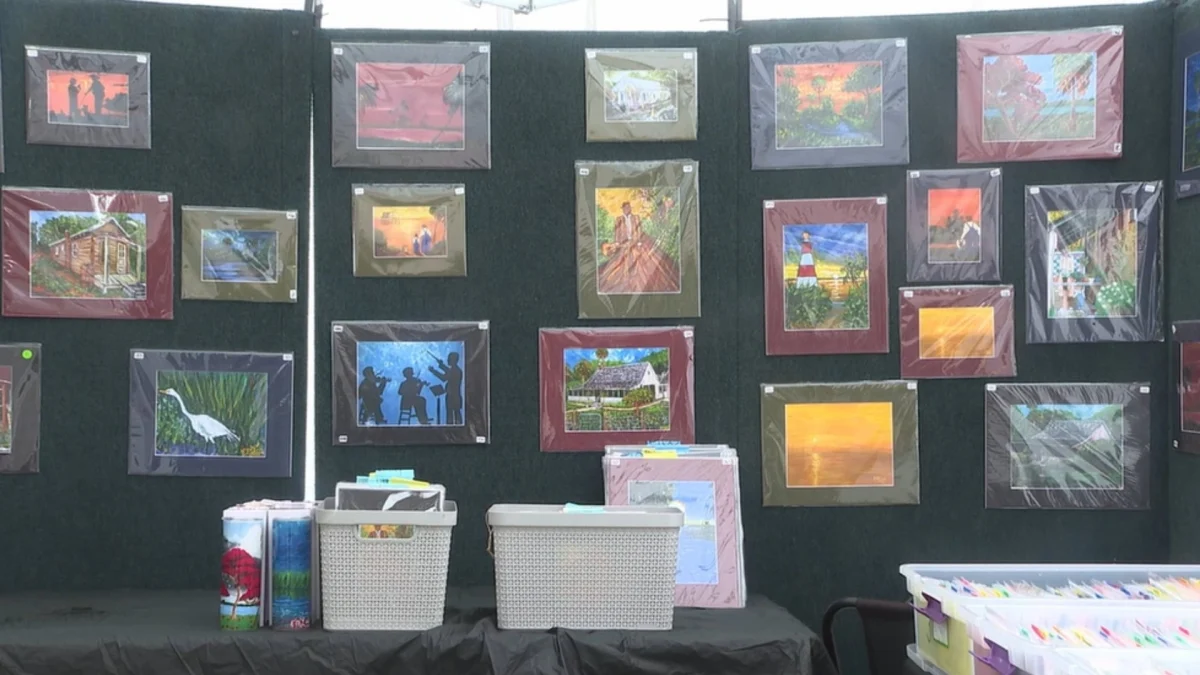

GAINESVILLE, Fla. — Under the canopy of Spanish moss and the dappled autumn sunlight of North Central Florida, a quiet but powerful economic and cultural engine roared to life. The 41st annual Thornebrook Art Festival returned to Gainesville, transforming the quiet, winding wooden boardwalks of the Shoppes at Thornebrook into a bustling open-air gallery.
For over four decades, this festival has served as more than just a weekend market; it stands as a critical barometer for the regional creative economy, a sanctuary for independent micro-entrepreneurs, and a premier cultural touchstone for Alachua County. This year’s iteration proved to be a masterclass in community-centric event curation, balancing the preservation of traditional craft with the commercial realities of a shifting retail landscape.
Executive Overview: Art as an Economic and Social Anchor
In an era dominated by digital marketplaces and algorithmic consumerism, the physical art festival remains a vital counterweight. The 41st Thornebrook Art Festival, held over a vibrant autumn weekend, brought together 80 fine artists, six musical acts, and six gourmet food trucks. This curated ecosystem drew thousands of visitors, ranging from lifelong collectors to curious families, all looking to reconnect with the tangible, human element of creation.
====================================================================
                  41st THORNEBROOK ART FESTIVAL BY THE NUMBERS
====================================================================
[🎨 Artists: 80] ----> [🎵 Musicians: 6] ----> [🍔 Food Trucks: 6]
====================================================================
        Primary Mediums: Paintings, Pottery, Jewelry, Photography
        Venue: The Shoppes at Thornebrook, Gainesville, FL
====================================================================
For Gainesville—a city often defined by the academic and athletic footprint of the University of Florida—events like Thornebrook highlight a diverse, permanent resident community that values cultural enrichment, localized commerce, and sustainable artistic careers. The festival acts as an essential incubator for regional talent, allowing artists to bypass traditional gallery gatekeepers and build direct, lasting relationships with patrons.
The economic implications are substantial. Beyond the immediate transaction of art sales, the festival generates significant spillover economic activity for surrounding brick-and-mortar retailers, hospitality services, and local culinary businesses, underscoring the intrinsic link between cultural investments and regional economic vitality.
Detailed Chronology: Anatomy of a Two-Day Cultural Showcase
The execution of a festival of this scale requires precise logistical orchestration, transforming a retail plaza into a high-density cultural exhibition overnight.
   FRIDAY EVENING               SATURDAY MORNING               SUNDAY AFTERNOON
[Logistical Load-in]  ===>  [Opening Bell & Exhibition]  ===>  [Peak Sales & Closing]
  * Booth construction        * Acoustic music begins          * High collector turnout
  * Security sweeps           * Food truck service starts      * Artist networking
The Prelude: Logistical Load-In and Spatial Transformation
The preparation began long before the first patron arrived. On the eve of the festival, the tree-lined avenues of the Shoppes at Thornebrook were closed to standard vehicular traffic. Organizers and volunteers executed a meticulous load-in schedule, managing the arrival of 80 artists transporting delicate ceramics, large-scale oil canvases, and intricate, high-value jewelry.
By sunrise on Saturday, the plaza had been successfully reimagined. White display tents lined the walkways, positioned strategically to maximize foot traffic flow while preserving the natural aesthetic appeal of the venue’s courtyards and water features.
Day One: The Convergence of Community and Commerce
Saturday morning commenced with an immediate influx of early-morning collectors—enthusiasts who traditionally attend the opening hours of art festivals to secure prime pieces before the general public arrives.
- The Sonic Environment: As the gates officially opened, the first of six scheduled musical acts took the stage. The curated live music was intentionally acoustic and ambient, designed to complement rather than overpower the conversations between artists and patrons.
- Culinary Integration: By midday, the six food trucks stationed along the periphery of the festival began experiencing peak demand. Offering a diverse range of artisanal culinary options, these mobile kitchens transformed the event from a transactional shopping trip into a multi-hour, sensory experience.
- The Social Dynamic: Families, students, and retirees mingled along the boardwalks. Children participated in interactive demonstrations, while seasoned collectors engaged in deep-dive discussions with painters and sculptors regarding technique, inspiration, and material sourcing.
Day Two: Sustaining Momentum and Cultivating Networks
Sunday brought a shift in tone. While Saturday was characterized by high-energy exploration and initial sales, Sunday evolved into a day of thoughtful acquisition and community networking.
Artists reported deep engagement with visitors who had spent the previous evening contemplating purchases. By the time the festival concluded on Sunday evening, the event had successfully facilitated thousands of micro-transactions, injecting vital capital directly into the hands of working creatives and solidifying Thornebrook’s reputation as a highly lucrative stop on the regional art circuit.
Supporting Context & Metrics: The Mechanics of Creative Place-Making
To fully appreciate the significance of the Thornebrook Art Festival, one must analyze the broader ecosystem of "creative place-making"—the practice of leveraging arts and culture to foster community connection and drive local economic growth.
Medium Diversification and Artist Demographics
A critical factor in the enduring success of the Thornebrook Art Festival is its strict curatorial balance. Rather than saturating the market with a single popular style, the selection committee ensured a balanced representation of diverse mediums:
| Medium | Percentage of Exhibition | Target Audience Demographic |
|---|---|---|
| Fine Painting & Acrylics | 30% | Homeowners, Corporate Collectors |
| Handcrafted Jewelry | 25% | Gift Buyers, Fashion Enthusiasts |
| Pottery & Functional Ceramics | 20% | Culinary Enthusiasts, Daily-use Collectors |
| Fine Art Photography | 15% | Nature Lovers, Modern Interior Designers |
| Sculpture & Mixed Media | 10% | Specialized Collectors, Landscape Designers |
This strategic diversification ensures that the festival remains accessible to buyers of all financial levels. A college student might purchase a $25 handmade ceramic mug, while an established collector might invest several thousand dollars in an original oil painting, yet both participate equally in the cultural economy.
The Venue as a Strategic Asset
The choice of the Shoppes at Thornebrook as a permanent home for the festival is highly strategic. Unlike standard, flat-asphalt parking lot venues, Thornebrook offers a park-like setting characterized by wooden decks, mature trees, and intimate courtyards. This architecture encourages slow, deliberate exploration—a behavioral pattern that directly correlates with increased dwell time and higher sales per capita.
Official Statements: The Voice of the Community
The true impact of the Thornebrook Art Festival is best expressed by those who organize, execute, and participate in its preservation.
Sarah Kunkler, the Thornebrook Event Coordinator, emphasized the profound societal value of creating physical spaces for creative expression and community gathering:
"I think just bringing everybody together and allowing people to have a space to express themselves with their art. Like I mentioned, there’s a ton of different stuff out here and just being able to have a space where you can express yourself and also to find some stuff that you might enjoy buying."
Kunkler’s words point to a deeper sociological truth: in a highly fragmented world, public art festivals serve as vital social third places—environments outside of home and work where citizens can gather, converse, and find common ground.
The Artist Perspective
For the participating artists, the festival represents a critical financial lifeline. A local ceramicist, speaking anonymously on the value of the event, remarked:
"Many people don’t realize that for independent artists, festivals like Thornebrook represent our primary source of income. It takes months of solitary work in a studio to prepare for a weekend like this. When the community comes out, buys our work, and asks about our process, it validates our labor and allows us to keep creating for another year."
Future Outlook: Navigating Challenges and Embracing Evolution
As the Thornebrook Art Festival looks toward its 42nd year and beyond, the organizers face a rapidly evolving landscape. To maintain its status as a premier regional event, the festival must proactively address several emerging trends and structural challenges.
                      EMERGING TRENDS FOR FUTURE ITERATIONS

        [Digital Integration]       [Environmental Sustainability]
        Hybrid online galleries,    Zero-waste food vendors,
        contactless payment tech.   eco-conscious art mediums.
                                          /
                                         /
                   🚀 [Thornebrook 2027+]
                  /
                 /
       [Generational Shifts]        [Economic Resilience]
       Attracting younger buyers    Adapting booth fee structures
       with experiential art.       to support emerging talent.
1. Digital Integration and Hybrid Models
While the tactile experience of physical art is irreplaceable, future iterations of the festival will likely need to incorporate sophisticated digital layers. This could include:
- Interactive Digital Catalogs: Allowing patrons to preview artist portfolios and booth locations via mobile applications before arriving.
- Virtual Exhibitions: Keeping the festival marketplace alive digitally for a week following the physical event, allowing buyers to complete transactions they may have hesitated on during the weekend.
2. Attracting and Cultivating the Next Generation
As the core demographic of traditional art collectors ages, organizers must implement targeted strategies to attract younger generations. This involves:
- Expanding Interactive Zones: Creating spaces where millennials and Gen Z attendees can participate in hands-on art-making workshops.
- Showcasing Emerging Mediums: Intentionally reserving booth spaces for digital artists, high-concept mixed-media creators, and sustainable, upcycled art forms that resonate deeply with younger consumers.
3. Economic and Environmental Sustainability
In an era of rising logistical costs and supply chain fluctuations, maintaining a low barrier to entry for local artists is paramount. Organizers must continue to seek corporate sponsorships and municipal grants to keep booth fees affordable, ensuring that the festival remains a platform for diverse creative voices rather than just established commercial entities.
Additionally, future festivals will likely place a higher emphasis on environmental sustainability, encouraging zero-waste initiatives among food vendors and promoting eco-friendly practices among participating artists.
Conclusion: The Enduring Legacy of Thornebrook
The 41st annual Thornebrook Art Festival proved once again that art is not a luxury, but an essential component of a healthy, resilient community. By providing a platform where creative expression meets local commerce, the event reinforces the social fabric of Gainesville and North Central Florida.
As the tents are packed away and the quiet returns to the Shoppes at Thornebrook, the impact of the weekend will continue to ripple through the community—in the homes adorned with new artwork, in the sustained livelihoods of 80 local creators, and in the shared memories of a community that gathered to celebrate the enduring power of human craft.

0 Comments