

Executive Overview
In the quiet, rural expanses of Oconee County, South Carolina, a series of disturbing animal crimes has shattered the peace of the local agricultural community and ignited a broader conversation about juvenile delinquency, rural security, and animal welfare legislation. Over the course of several months, residents in the Salem area have reported a chilling pattern of livestock theft, mutilation, and senseless killings. The crisis reached a heartbreaking climax with the discovery of the body of "Feather," a beloved 20-year-old horse belonging to local resident Kim Lusk, who had already suffered the theft of her three goats earlier in the year.
The investigation by the Oconee County Sheriff’s Office has culminated in the arrest of a 14-year-old male suspect. The teenager now faces a battery of serious charges, including the ill-treatment of animals, malicious injury to animals, and livestock theft. Currently detained at the South Carolina Department of Juvenile Justice (DJJ) facility in Columbia, the youth’s arrest has brought a temporary sense of relief to the area, yet it has left behind a trail of profound emotional devastation and systemic questions.
This investigative report examines the chronology of these tragic events, analyzes the legal and psychological frameworks surrounding juvenile animal cruelty, explores the unique security challenges faced by rural homeowners, and projects the long-term implications of this case for the Oconee County community.
Detailed Chronology
The pattern of criminal activity targeting Salem’s livestock did not emerge overnight; rather, it escalated over several months, leaving local property owners increasingly anxious and vulnerable.
[April 2026] ------------------> [Sept 18, 2026] -------------> [Sept late, 2026]
Three goats stolen               Investigation begins;         Feather (20-year-old horse)
from Kim Lusk's property.        14-year-old suspect accused   found shot and killed;
                                 of killing a separate goat.   suspect charged and sent to DJJ.
The Initial Disappearances (April 2026)
The ordeal for Kim Lusk began in the spring of 2026. In April, three of her cherished goats mysteriously vanished from her property. At the time, rural livestock thefts, while deeply distressing, were often attributed to opportunistic thieves or, occasionally, wild predators. Lusk searched her property and reached out to neighbors, but the animals were never recovered. This initial incident planted a seed of unease in the Salem community, hinting at a predatory presence targeting local farms.
The Escalation and the September 18 Incident
The situation shifted from suspected livestock theft to active, violent cruelty in mid-September. On September 18, 2026, deputies from the Oconee County Sheriff’s Office responded to a call regarding the brutal killing of a goat on a property in the Salem area. The nature of the animal’s death immediately raised red flags for investigators, pointing to intentional, malicious violence rather than a predatory attack.
Through rapid field intelligence and community tips, sheriff’s deputies identified a 14-year-old local youth as the primary suspect. As the investigation unfolded, deputies began connecting the dots between this singular incident and a series of other unresolved cases involving dead, mutilated, or missing animals across the Salem corridor.
The Death of Feather
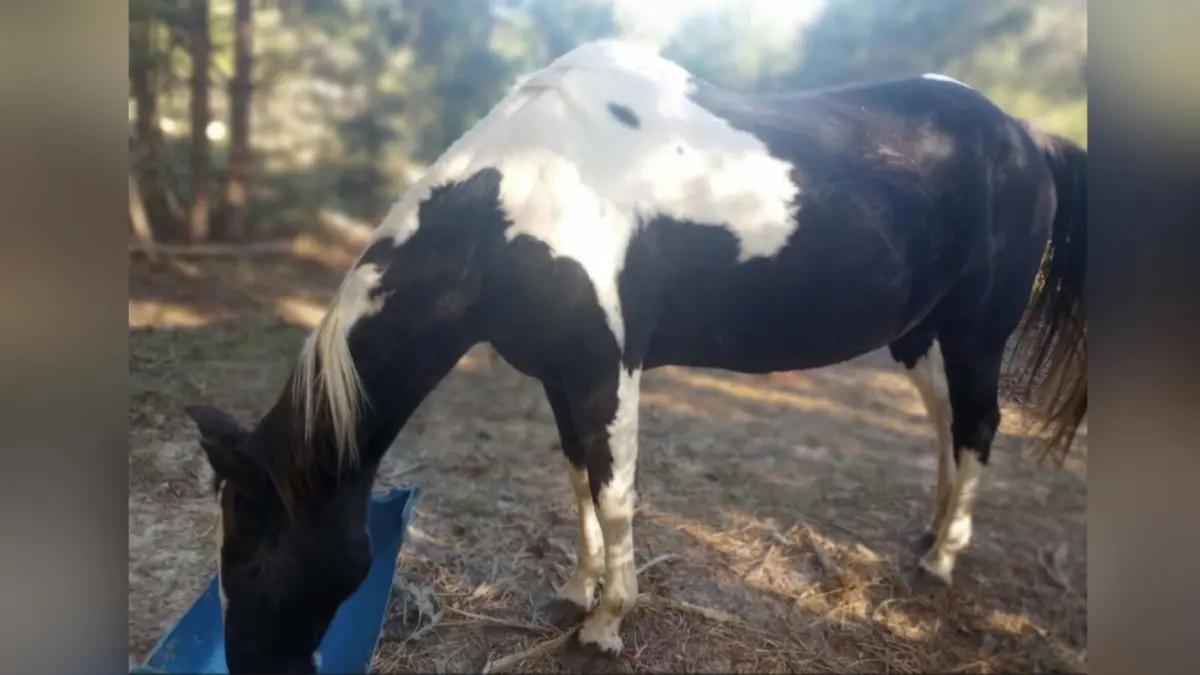
While investigators were building their case against the teenager, tragedy struck the Lusk property once again. Feather, Lusk’s companion horse of two decades, was found dead in her pasture. An examination revealed that the senior horse had been shot and killed.
For Lusk, the loss of Feather was not merely a financial blow or a property loss; it was the execution of a family member. At 20 years old, Feather had been a constant, gentle presence on the property, representing decades of shared memories. The senselessness of shooting a defenseless horse in its own pasture galvanized community outrage and intensified the pressure on local law enforcement to secure a swift arrest.
Arrest and Detention
Following the discovery of Feather and the accumulation of forensic and circumstantial evidence linking the juvenile to multiple crime scenes, the Oconee County Sheriff’s Office officially charged the 14-year-old. Given the severity of the offenses and the threat posed to community safety and property, the suspect was transported to the South Carolina Department of Juvenile Justice in Columbia, where he remains held pending formal family court proceedings.
Supporting Context & Metrics
To fully comprehend the gravity of the Salem animal killings, it is necessary to examine the legal definitions governing these crimes in South Carolina, the psychological dimensions of juvenile animal abuse, and the geographic realities of Oconee County.
South Carolina Legal Framework
Under South Carolina law, crimes against animals are prosecuted with varying degrees of severity based on intent, the value of the livestock, and the nature of the cruelty. The charges leveled against the 14-year-old suspect carry significant legal weight:
| Charge | South Carolina Code Reference | Legal Definition & Implications |
|---|---|---|
| Ill-Treatment of Animals | S.C. Code § 47-1-40 | Covers acts of torture, torment, needless mutilation, or cruel killing. Depending on the severity (torture vs. deprivation), it can be prosecuted as a misdemeanor or a felony. |
| Malicious Injury to Animals | S.C. Code § 16-11-510 | Involves the willful and malicious killing, maiming, or wounding of another person’s livestock or domestic animals. |
| Stealing Livestock | S.C. Code § 16-13-50 | Specifically addresses the theft of horses, cattle, goats, swine, or sheep. In South Carolina, livestock theft is treated as a serious felony due to the agricultural heritage of the state. |
Because the suspect is 14 years old, these charges will be processed through the family court system. However, the severity of the charges—particularly those involving firearms and the systematic targeting of multiple properties—allows prosecutors to advocate for intensive rehabilitative detention and structured psychological intervention.
The Psychological Link: Animal Abuse and Juvenile Delinquency
Criminologists and forensic psychologists have long recognized the "Link"—the established correlation between animal cruelty and subsequent interpersonal violence. According to research published by the Association of Prosecuting Attorneys and the Humane Society of the United States:
- Precursor Behavior: Acts of intentional animal abuse, particularly in adolescents, are frequently early indicators of deep-seated psychological distress, conduct disorder, or a predisposition toward violent behavior.
- The Macdonald Triad: Historically, animal cruelty in childhood has been studied as one of three behavioral markers (alongside enuresis and pyromania) associated with violent antisocial tendencies in adulthood.
- Family Dynamics: Studies show that juveniles who abuse animals are frequently exposed to domestic violence, neglect, or abuse within their own homes, projecting their feelings of powerlessness onto vulnerable creatures.
The systematic nature of the crimes in Salem—progressing from the quiet theft of goats in April to the active firearm execution of a horse in September—suggests a dangerous escalation path that necessitated immediate law enforcement intervention to prevent potential harm to human targets.
Rural Security Vulnerabilities
Oconee County, nestled in the foothills of the Blue Ridge Mountains, is characterized by vast, heavily wooded properties, rolling pastures, and low population density. While these attributes offer residents privacy and natural beauty, they also present distinct security challenges:
[Remote Agricultural Properties]
       │
       ├─► Lack of Natural Surveillance (isolated pastures far from main roads)
       ├─► Minimal Technological Footprint (limited Wi-Fi coverage for security cameras)
       ├─► Delayed Emergency Response Times (large deputy patrol sectors)
       └─► Vulnerable Livestock (defenseless animals kept in open fields)
For property owners like Kim Lusk, securing hundreds of yards of fencing against an intruder determined to cause harm is an almost impossible task without expensive, specialized infrastructure.
Official Statements
The emotional toll of the incident has reverberated through the statements of those closest to the case, highlighting the profound grief of the victim and the clinical focus of the justice system.
Kim Lusk: A Voice of Grief and Faith
Speaking to reporters, Kim Lusk expressed the crushing sense of disbelief that has enveloped her home since the discovery of Feather’s body. Her words reflect the unique bond that rural landowners share with their animals, viewing them not as disposable assets, but as sentient companions.
"It’s just unreal. It’s just you’re crushed, crushed inside. It just feels like you can hardly believe it."
Lusk emphasized that while she is relying on her spiritual faith to navigate the aftermath of the tragedy, the scars left by these acts of violence will remain permanently.
"With God’s help I will get through it, but I won’t get over it. It’s like a death in my family."
When asked about the future and the possibility of accepting new animals to fill the void left by her stolen goats and deceased horse, Lusk expressed a sentiment common among grieving animal owners:
"I just try to think of Feather running wild and free. I’ve had offers wanting to give me little goats, but I can’t replace them."
Law Enforcement and Institutional Response
The Oconee County Sheriff’s Office has maintained a methodical approach to the ongoing investigation. In their public disclosures, officials confirmed that the arrest of the 14-year-old on September 18 was the catalyst that allowed them to begin closing several outstanding files related to dead or missing animals in the Salem area.
While juvenile privacy laws restrict the sheriff’s office from releasing the name or specific background details of the suspect, investigators have urged Salem residents to remain vigilant and to report any prior, undocumented incidents of animal loss or property trespassing. The Department of Juvenile Justice has declined to comment on the specifics of the youth’s detention, citing standard protocols regarding active juvenile cases.
Future Outlook
As Oconee County looks toward recovery, the community faces a dual path of legal resolution and neighborhood healing.
The Legal Path for the Juvenile Suspect
The proceedings within the South Carolina family court system will focus heavily on assessment and intervention. Unlike the adult criminal justice system, which prioritizes punitive sentencing, the juvenile system is legally mandated to emphasize rehabilitation where possible.
The court will likely order a comprehensive psychological and psychiatric evaluation of the 14-year-old to determine the root causes of the violent behavior. Depending on the findings, potential outcomes could range from long-term commitment to a secured juvenile correctional facility to intensive residential therapy and probation. For the community, the primary concern remains ensuring that the youth does not return to the Salem area without strict supervision and successful behavioral rehabilitation.
Community Mobilization and Security Enhancements
In response to the killings, Salem residents are taking proactive steps to fortify their properties. Local agricultural cooperatives and neighborhood watch groups have begun discussing strategies to mitigate the vulnerabilities inherent in rural farming:
- Solar-Powered Cellular Trail Cameras: Because traditional security cameras require robust Wi-Fi networks, many landowners are installing cellular trail cameras along remote fence lines. These devices operate on mobile networks and send instant photo alerts to owners’ smartphones when motion is detected.
- Livestock Guardian Animals: The introduction of specialized guardian animals, such as Anatolian Shepherds, Great Pyrenees, or guard donkeys, can act as a powerful deterrent against human intruders and wild predators alike.
- The "Salem Watch" Initiative: Neighbors are establishing communication networks to share real-time reports of suspicious vehicles, unfamiliar individuals walking along rural roads, or unusual noises during the night.
The Long Journey of Healing
For Kim Lusk and others affected by these senseless acts, the physical security of their properties is only one part of the recovery process. The psychological impact of having one’s home violated and one’s animals targeted leaves a lasting sense of vulnerability.
The outpouring of support from the Oconee County community—offering replacement livestock, assisting with property repairs, and providing emotional comfort—demonstrates the resilience of this rural enclave. While the memories of Feather and the stolen goats will always carry a tinge of sorrow, the collective resolve of Salem’s residents ensures that the community will not be defined by the actions of a single delinquent, but rather by their shared commitment to protecting their animals, their land, and each other.

0 Comments