

Executive Overview
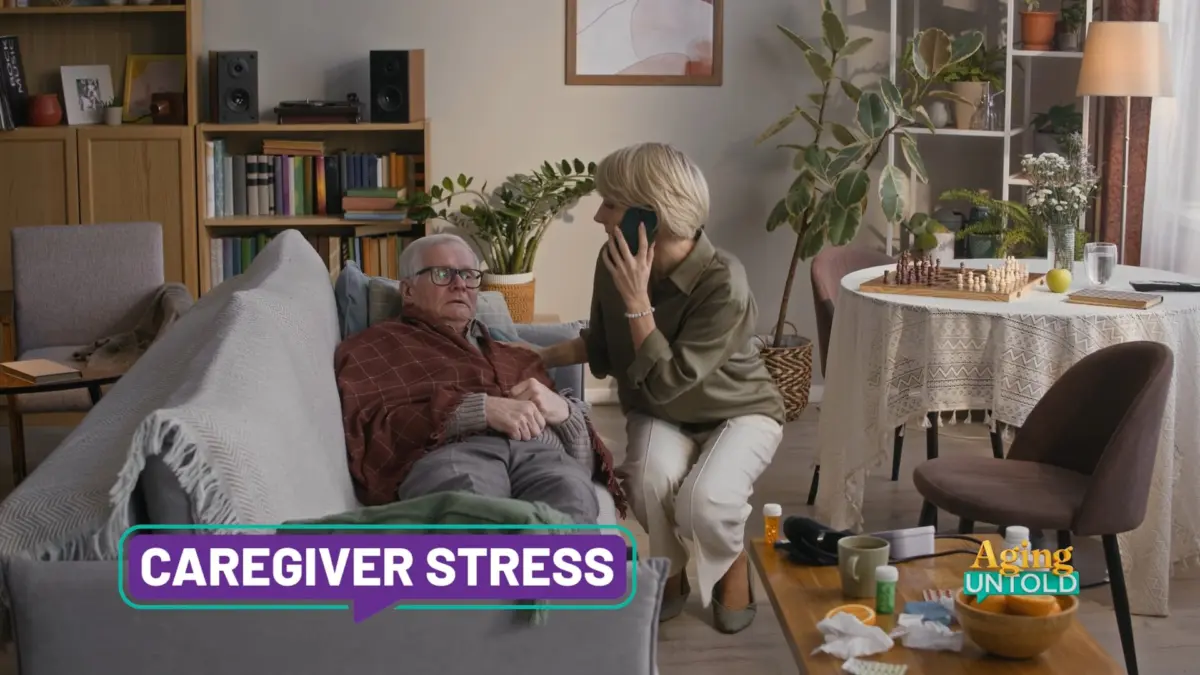
Caregiving is traditionally heralded as one of the ultimate acts of love, familial devotion, and moral duty. Yet, beneath the surface of this noble endeavor lies a compounding public health crisis. Millions of unpaid family caregivers find themselves trapped in a grueling cycle of physical exertion, sleep deprivation, emotional isolation, and chronic stress. Over time, this unrelenting pressure erodes the caregiver’s mental and physical health, fractures familial relationships, and, paradoxically, compromises the safety and quality of care delivered to the care recipient.
According to a panel of eldercare experts convened by Aging Untold, the prevailing cultural narrative—which demands self-sacrificing, 24/7 hands-on care—is not only unsustainable but dangerous. When caregiver stress goes unmanaged, the consequences can be catastrophic, occasionally resulting in the caregiver predeceasing the patient.
This investigative report examines the clinical and emotional realities of caregiver burnout, traces the systematic progression of this crisis, evaluates the empirical metrics of caregiver deterioration, and presents expert-backed strategies for transitioning from unsustainable martyrdom to a healthier, leverage-based advocacy model.
Detailed Chronology: The Progressive Descent into Burnout
The transition from a healthy family member to an exhausted, clinically burnt-out caregiver does not occur overnight. It is a slow, insidious process that typically unfolds across five distinct phases.
[Phase 1: The Duty Initiation] ──> [Phase 2: Chronic Stress & Isolation] ──> [Phase 3: Physiological Dysregulation] ──> [Phase 4: The Crisis Point] ──> [Phase 5: The Post-Decision Transition]Phase 1: The Duty Initiation
The journey almost always begins with an acute health event (such as a stroke, fall, or dementia diagnosis) or a gradual decline in a loved one’s independence. Driven by love, marital vows, or societal expectations, a spouse or adult child steps into the caregiving role. At this stage, optimism is relatively high, and the caregiver believes their personal stamina can compensate for the demands of the role.
Phase 2: Chronic Stress and Social Isolation
As the care recipient’s needs intensify, the caregiver’s personal life begins to contract. Social engagements are canceled, professional responsibilities are compromised, and sleep becomes fragmented. The caregiver begins to experience the erasure of their own identity, as their daily existence becomes entirely defined by schedules, medication management, and physical labor.
Phase 3: Physiological Dysregulation
With no reprieve, the caregiver’s central nervous system becomes locked in a continuous "fight-or-flight" response. Cortisol and adrenaline levels remain permanently elevated. The caregiver experiences persistent fatigue, irritability, weakened immune function, and a loss of emotional bandwidth. This is the stage where the caregiver’s body begins to experience structural damage from the chronic stress response.
Phase 4: The Crisis Point (The "Lit Match")
At this critical juncture, the caregiver is operating on empty. The daily demands of care exceed the caregiver’s physical and emotional capacities. Feelings of hopelessness set in, occasionally manifesting in passive suicidal ideation—such as wishing to die in one’s sleep as the only perceived escape from the burden. At this stage, the risk of elder neglect or caregiver hospitalization skyrockets.
Phase 5: The Post-Decision Transition and "Buyer’s Remorse"
If the caregiver chooses to step back—whether by hiring in-home help, utilizing respite care, or moving their loved one to an assisted living community—they do not immediately find peace. Instead, they enter a highly volatile emotional phase marked by intense guilt, self-doubt, and what experts call "buyer’s remorse," constantly cycling between relief and the devastating feeling that they have failed their loved one.
Supporting Context & Metrics: The Heavy Toll of Unpaid Labor
To understand the scale of this crisis, one must look at the empirical data surrounding family caregiving in the United States.
| Metric Category | Statistical Reality | Impact & Implications |
|---|---|---|
| Prevalence | Approximately 53 million Americans provide unpaid care annually. | Nearly 1 in 5 adults are engaged in unpaid family caregiving, representing a massive shadow workforce. |
| Mortality Risk | Caregivers aged 66–96 who experience caregiving-related stress have a 63% higher mortality rate than non-caregivers in the same age bracket. | Chronic stress is a literal killer; caregivers frequently die before the person they are caring for. |
| Physical Health | Over 40% of family caregivers report high levels of physical strain, with chronic conditions (hypertension, heart disease) worsening during their caregiving tenure. | The physical labor of transferring, bathing, and lifting patients causes permanent musculoskeletal damage. |
| Economic Impact | The estimated economic value of unpaid caregiving in the U.S. is $600 billion annually. | Family caregivers sacrifice personal career progression, retirement savings, and social security contributions to provide free healthcare. |
| Mental Health | Up to 70% of caregivers meet the clinical criteria for depression, with anxiety and sleep disorders highly prevalent. | The mental health toll is exacerbated by the progressive loss of the loved one’s cognitive faculties, particularly in dementia cases. |
Official Statements & Expert Insights
To dissect the psychological traps of caregiving and offer viable pathways to recovery, Aging Untold gathered insights from leading gerontologists, physicians, and aging experts.
The Right to Pivot and the Reality of "Buyer’s Remorse"
Amy O’Rourke, a seasoned aging expert, emphasizes that acknowledging the desire to quit is a normal, healthy cognitive step, rather than a moral failure.
"The first thing I would say is, it’s OK if you’re even deliberating quitting. And it’s very understandable," O’Rourke stated. "If you’re really, really tired, you’re not sleeping, everybody’s making you mad, and you’re getting burnt out—the first thing I would do is do whatever you need to do to get unburned out. Don’t make a decision in the middle of that stress."
O’Rourke urges caregivers to lower their nervous system’s arousal threshold before mapping out long-term plans. However, she warns that taking a step back will inevitably trigger a psychological backlash.
"Be fully prepared for what I call buyer’s remorse," O’Rourke warned. "You make the decision and then you regret it, and you’re back and forth. ‘I’m a bad daughter.’ ‘I couldn’t do it.’ So there’s some back-and-forth emotions. I’ve had clients do this and they end up quitting. And then I have others—they got the rest they needed, and then they went back and did it differently."
The Illusion of Burnout Prevention
Sam Cradduck, a gerontologist, challenges the conventional medical advice given to families, arguing that telling caregivers "not to burn out" without offering them tangible, structural help is an exercise in futility.
"We often love to tell caregivers, ‘don’t let yourself get burnt out.’ But listen, guys—the match is lit, the kindling’s sitting there, and there’s literally gasoline on it," Cradduck remarked. "And there’s not oftentimes water in the area to put the fire out. We fail to tell people how not to burn out."
To extinguish this fire, Cradduck advocates for the aggressive utilization of respite care. For patients who qualify for hospice, Medicare covers short-term inpatient respite care.
"If your loved one has reached the stage of hospice, hospice respite care is part of that program," Cradduck explained. "You can have your loved one, if they’re in the home, transported to a community for a week to 10 days. And they can do this every quarter. It can give you that reset and that break."
O’Rourke added that respite care is not exclusive to end-of-life scenarios. "If they’re not terminal, communities have respite care. Home health has respite care too. I love the idea of just saying, temporarily, ‘I’m taking a leave of absence.’"
Love Does Not Equal Clinical Competency
One of the most insidious psychological barriers caregivers face is the belief that love should equip them with the physical stamina and medical knowledge required for complex care. Dr. Rhea Rogers, a board-certified physician, refutes this notion.
"Being a caregiver takes away from your identity over time," Dr. Rogers observed. "One of the hardships is understanding that love doesn’t mean ability. When you recognize that you’re at a crossroad, I think that’s really empowering, because if you continue to do what you know is not working out, you’re going to take it out on your body physically as well. And then the resentment comes in, and then that fight-or-flight—you’re stuck in this mode and you just can’t heal. It becomes detrimental to both parties."
The Ultimate Tragedy of Caregiver Martyrdom
Katherine Ambrose, an aging well coach, highlights the dark, unspoken thoughts of severely overwhelmed caregivers.
"Sometimes caregivers don’t outlive the person they’re caring for," Ambrose warned. "That’s sad when people are so overwhelmed that they may hope that they just pass away in their sleep, and that’s the way they see the burden being lifted."
Ambrose urges family members to step in and actively rescue primary caregivers who are unable to ask for help due to internalized guilt or cognitive fatigue.
"Maybe mom needs even more than just, ‘Mom, we’re ready to support you when you’re ready,’" Ambrose said. "Maybe she needs to be rescued… But here’s the deal: Caregiving doesn’t have to be 24/7 hands-on. It can be advocacy and still being the spouse, still being the mom, still being the daughter."
Future Outlook: Moving Toward Sustainable Caregiving Models
As the global population ages, the current model of relying on unpaid, untrained family members to act as primary medical and physical caregivers is reaching its breaking point. To prevent systemic collapse, a multi-faceted approach combining systemic leverage, policy reform, and cultural shifts is required.
1. The Strategy of "Leverage"
Katherine Ambrose proposes that sustainable caregiving relies on leverage, which she defines as three distinct pillars:
- Systems: Establishing structured schedules, automated medication dispensers, and professional care coordination.
- People: Actively building a care team that includes home health aides, social workers, community volunteers, and family members.
- Tools: Utilizing assistive technologies, such as patient lifts, smart-home monitoring devices, and specialized medical equipment to reduce physical strain.
                  ┌──────────────────────┐
                  │ SUSTAINABLE CARE     │
                  └──────────┬───────────┘
                             │
         ┌───────────────────┼───────────────────┐
         ▼                   ▼                   ▼
  ┌─────────────┐     ┌─────────────┐     ┌─────────────┐
  │   SYSTEMS   │     │   PEOPLE    │     │    TOOLS    │
  │ (Schedules, │     │(Home Aides, │     │ (Assistive  │
  │ Automation, │     │ Physicians, │     │ Technology, │
  │ Care Plans) │     │ Volunteers) │     │ Lifts, IoT) │
  └─────────────┘     └─────────────┘     └─────────────┘
By transitioning from a "do-it-all" worker to an "advocate and manager," a family member can preserve their relationship with their loved one without sacrificing their own health.
2. Policy and Healthcare Integration
To prevent caregiver mortality, healthcare systems must begin treating the caregiver as a secondary patient. This means:
- Mandatory Caregiver Assessments: Hospitals and primary care clinics should routinely screen family caregivers for depression, sleep deprivation, and physical strain.
- Expanded Respite Care Subsidies: State and federal programs must lower the financial barriers to respite care, making short-term residential stays accessible to non-terminal patients.
- Paid Family Leave Policies: Expanding legislative protections and financial compensation for family members who must take temporary leaves of absence to manage care transitions.
3. De-Stigmatizing the Decision to Step Back
Perhaps the most crucial shift is cultural. Society must stop equating institutional care or professional home care placement with abandonment. As Sam Cradduck notes, fulfilling marital or filial duty does not require physical martyrdom.
"I say you can still live those out as the spouse and not be the one that’s doing all the work," Cradduck concluded. "Give yourself permission. This is the hardest job you will ever do."

0 Comments