While Kentucky bourbon has long held the undisputed spotlight in the global American whiskey conversation, Tennessee maintains a distilling heritage just as deep, proud, and historically significant. The line dividing the two states’ signature spirits is often a matter of semantics and legal technicalities. As the old adage goes, “All bourbon is whiskey, but not all whiskey is bourbon.” To that, spirits historians add a distinct corollary: all Tennessee whiskey is legally a subset of bourbon, but not all bourbon can claim the mantle of Tennessee whiskey.
Codified by state law in 2013, the legal definition of “Tennessee Whiskey” adopts all federal criteria for bourbon—requiring a mash bill of at least 51 percent corn, aging in new charred oak barrels, and a bottling strength of no less than 80 proof—while layering on two strict geographical and procedural mandates. First, the spirit must be manufactured and aged entirely within the state of Tennessee. Second, it must undergo a specialized filtration step known as the Lincoln County Process, where the raw distillate is steeped through sugar maple charcoal prior to barrel maturation.
For the better part of four decades following World War II, this intricate landscape was dominated by just two corporate mainstays: Jack Daniel’s and George Dickel. Today, however, the landscape has exploded. Dozens of craft and heritage distilleries operate across the state, ranging from multi-generational revivals to innovative micro-distillers testing the boundaries of traditional flavor profiles. Recent tastings of the state’s finest bottles reveal an astonishing range of mellow yet rich flavor dimensions, deeply tied to the storied past of the brands that produce them. Below is an authoritative guide to five standout bottles defining the contemporary Tennessee whiskey renaissance.
Detailed Chronology: The Evolution of Tennessee Whiskey
To truly understand the liquid in the glass, one must trace the timeline of how Tennessee established its preeminence on the American spirits map—from its 19th-century boom to its near-total annihilation by Prohibition, and its triumphant modern resurrection.
The 19th-Century Golden Age
Long before the 20th-century consolidation, Tennessee was a patchwork of localized agricultural distilling. In the late 1800s, counties like Robertson—just north of Nashville—rivaled or even surpassed the output of traditional distilling hubs.
1866: Domenico Canale begins bottling his house-branded Old Dominick whiskey along the bustling river ports of Memphis, transforming the city into a powerhouse of whiskey trade.
Post-Civil War Era: The Lincoln County Process is formally refined and popularized in south-central Tennessee, using sugar maple charcoal to strip raw distillates of harsh fusel oils while imparting a signature smoothness.
The 1870s: German-born immigrant and Nashville grocer Charles Nelson acquires the Green Brier Distillery, rapidly scaling it into the largest commercial whiskey producer in the entire state.
1888: Another German-born grocer, George Dickel, acquires a controlling interest in the Cascade Distillery in Tullahoma, laying the groundwork for a legendary regional house style that includes chilling the spirit before charcoal mellowing.
The Dark Years of Prohibition and Corporate Consolidation
Tennessee was an early adopter of temperance laws, effectively shutting down its thriving distilling industry a decade before the federal Volstead Act took effect in 1920.
Early 20th Century: State prohibition laws silence operations like Green Brier and Cascade. Rickhouses are dismantled, brands are mothballed, and generations of localized distilling knowledge are driven underground or lost.
Post-Prohibition to the 1950s: While Jack Daniel’s managed a fragile return in Lynchburg, the George Dickel name and historic recipes were acquired by spirits giant Schenley. In the 1950s, Schenley successfully rebuilt the Tullahoma facility, keeping the Dickel legacy alive through decades of shifting consumer tastes.
1945–1980s: A monotonous era for the state’s spirits industry. For nearly forty years, only Jack Daniel’s and George Dickel kept the flame alive as the sole commercial whiskey distilleries operating within Tennessee’s borders.
The Modern Craft Revival
2011: The great-great-great grandsons of Charles Nelson, Charlie and Andy Nelson, officially revive the long-dormant Green Brier brand in Nashville, bridging a century-long gap.
2013: The Tennessee state legislature passes a historic law officially codifying the legal definition of "Tennessee Whiskey," safeguarding the Lincoln County Process and state-bound aging requirements.
2017: Old Dominick makes its triumphant return to Memphis, firing up its brand-new downtown stills nearly 150 years after its founding.
Present Day: Dozens of diverse distilleries operate across the Volunteer State, experimenting with alternative grains, non-traditional charcoals, and extended aging profiles that push the boundaries of southern whiskey.
Supporting Context & Metrics: The Anatomy of the Five Standouts
A close examination of the bottles driving today’s market reveals the technical craftsmanship and flavor engineering behind modern Tennessee whiskey.
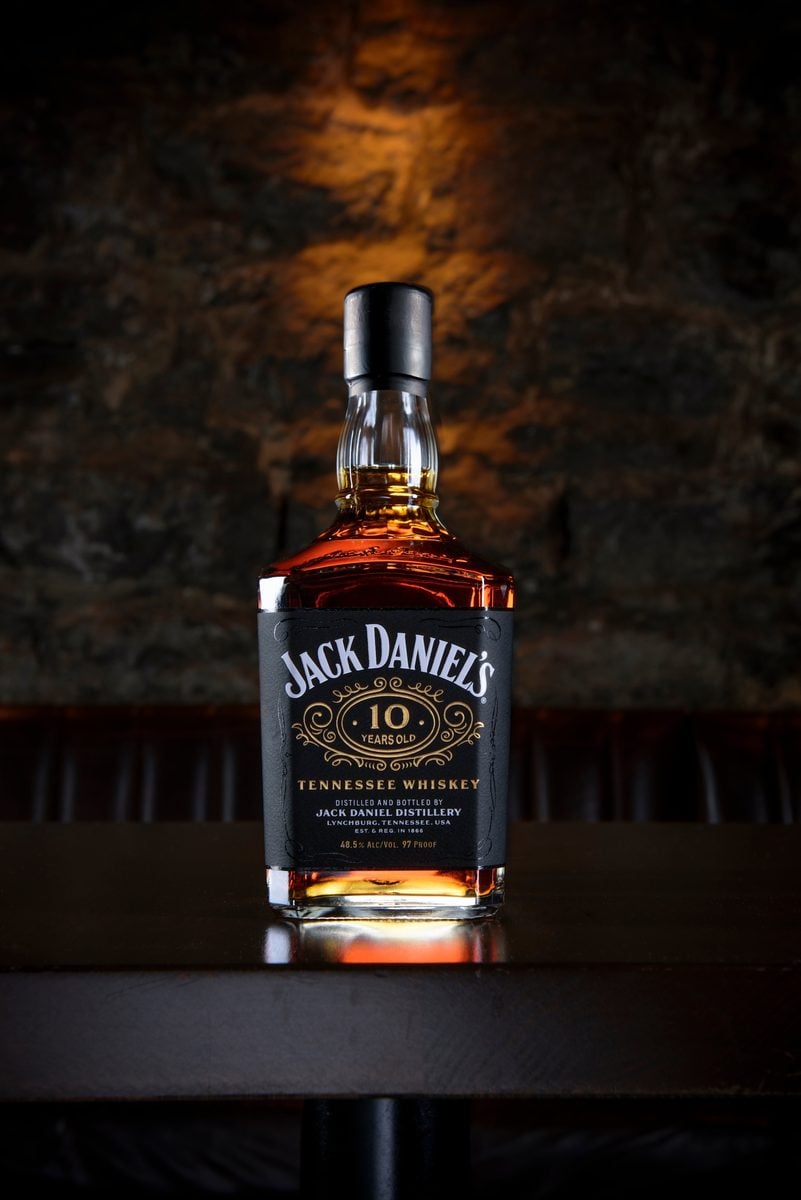
1. Jack Daniel’s 10-Year-Old Tennessee Whiskey ($90)
The Heritage: Moving far beyond the ubiquitous black-labeled Old No. 7, Master Distiller Chris Fletcher and his team have unlocked deep reserves within the colossal rickhouses of Lynchburg. Launched in 2021 as part of an annual Aged Series, this release marked the first time in over a century that the distillery formally released whiskey aged a decade or more (now expanded to 12- and 14-year iterations).
The Specifications: Shares the iconic Old No. 7 mash bill—80 percent corn, 8 percent rye, and 12 percent malted barley. Bottled at a robust 97 proof.
Tasting Notes: Despite its higher proof, extended maturation yields a remarkably soft and mellow profile. Expect subtle raisin on the nose, sweet cherry on the palate, and a lingering, warming finish laden with oak spice.
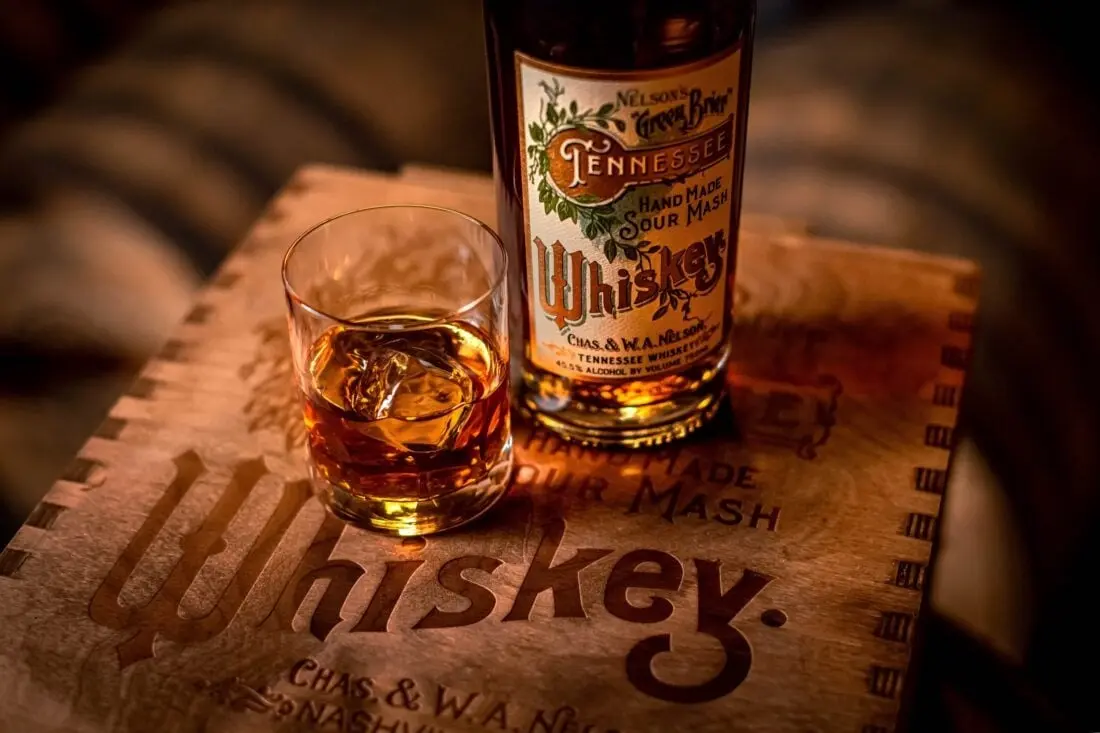
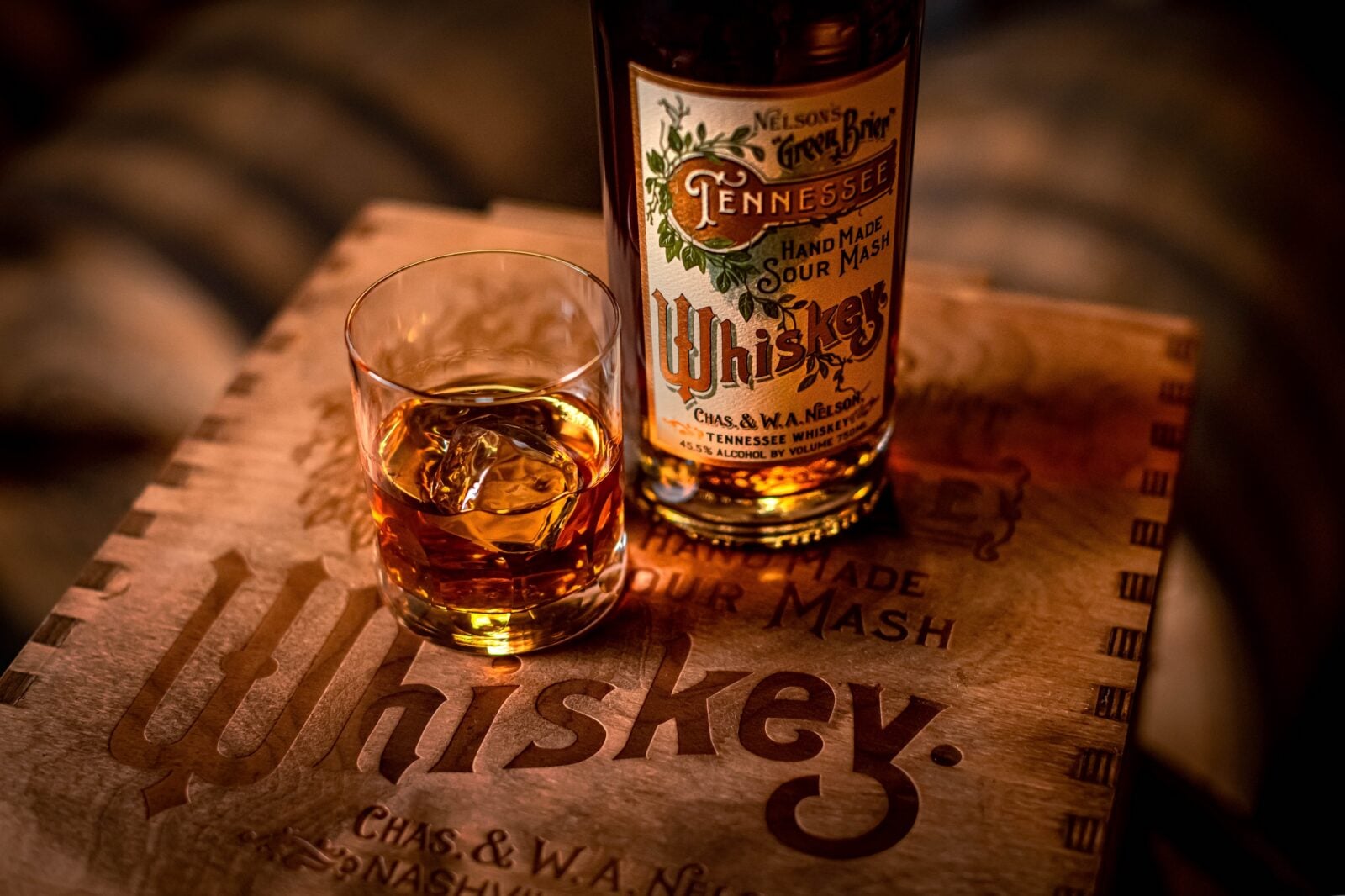
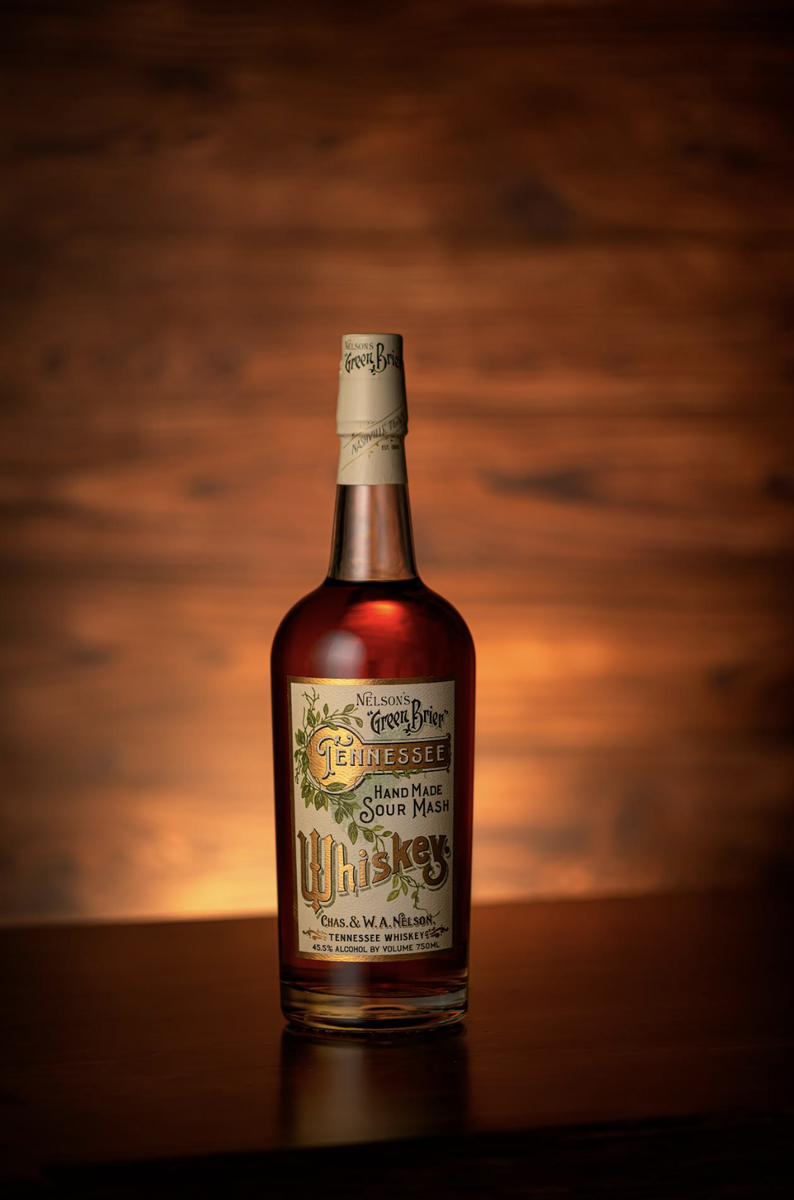
2. Nelson’s Green Brier Tennessee Whiskey ($35)
The Heritage: While Robertson County historically rivaled Lincoln County for volume in the 19th century, Charles Nelson’s original enterprise was an absolute titan before Prohibition forced its closure. Revived by his direct descendants in 2011, the modern iteration honors the founder’s distinct historical approach.
The Specifications: Unlike the brand’s un-charcoal-filtered Nelson Bros. bourbons, the Green Brier Tennessee Whiskey strictly follows the historic house recipe. It swaps traditional rye for wheat as the secondary grain, filtering through sugar maple charcoal before barreling. Bottled at 91 proof.
Tasting Notes: A vibrant, highly accessible expression that captures the spirit of classic sour mash. It introduces delicate touches of vanilla and sweet maple to the palate.
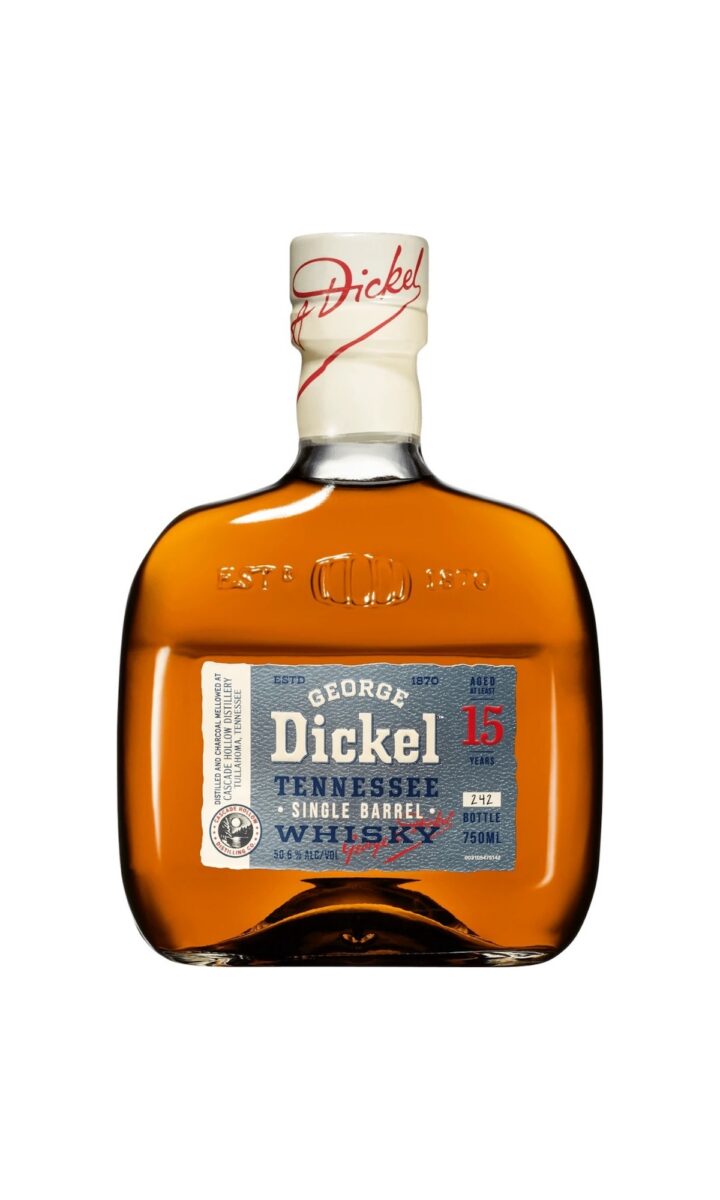
3. George Dickel 15-Year-Old Single Barrel Tennessee Whisky ($70)
The Heritage: Tracing its lineage back to the 1888 acquisition of the Cascade Distillery in Tullahoma by German immigrant George Dickel, this brand utilizes a signature procedural twist: chilling the distillate down to 40 degrees Fahrenheit prior to its charcoal mellowing.
The Specifications: Built on a mash bill of 84 percent corn, 8 percent rye, and 8 percent malted barley. Because these are single-barrel releases, proof varies naturally from bottle to bottle, ranging from a mellow 80 to a stout 104 proof.
Tasting Notes: While younger chill-filtered bottlings can occasionally suppress sweet profiles, the 15-year aging process allows complex, nuanced notes to flourish. Even at higher proofs, the extended maturation smooths the bite. Adding a few drops of water unlocks rich, layered notes of vibrant orange peel and dark cherry.
4. Old Dominick Bonded Tennessee Whiskey ($60)
The Heritage: Born from Memphis’s historic role as a river-trade shipping hub rather than a rural distilling site, D. Canale & Co. (founded by Domenico Canale in 1866) has returned to its roots. Great-great-grandsons Chris and Alex Canale brought production back home with the opening of their downtown Memphis distillery.
The Specifications: Crafted from a mash bill of 75 percent corn, 13 percent rye, and 12 percent malted barley. The Bottled-in-Bond expression meets strict federal guidelines for age (at least 4 years) and proof (exactly 100 proof), while adhering to Tennessee’s geographic and filtering requirements.
Tasting Notes: A structural step up from the flagship 85-proof offering. The bonded expression delivers rich aromas of sweet caramel, followed by dense raisin and caramel on the tongue, rounding out with a satisfying kick of cinnamon on the finish.
5. Peg Leg Porker Tennessee Straight Bourbon Whiskey ($45)
The Heritage: Founded by Carey Bringle, renowned pitmaster and owner of Nashville’s Peg Leg Porker Barbecue, this brand brilliantly bridges the gap between southern barbecue culture and craft distillation.
The Specifications: While older 8- and 12-year editions exist, the flagship expression is aged between four and six years and bottled at 90 proof. Crucially, Bringle subverts the standard Lincoln County playbook by utilizing hickory charcoal made from the very wood used to fire his restaurant’s barbecue pits.
Tasting Notes: Playfully dubbed the "Carey Bringle process," this unique filtration method yields a mellow bourbon with sweet notes of apple pie and cinnamon on the nose and palate. A faint, pleasing whisper of hickory smoke emerges on the finish—an aromatic profile practically custom-built to pair with a platter of dry-rubbed ribs.
Official Statements & Industry Perspectives
The contemporary revival of Tennessee whiskey is not merely a commercial boom; it is a meticulous preservation of historical craftsmanship balanced against modern innovation. Industry leaders emphasize that the state’s strict legal definition of Tennessee Whiskey—enshrined in 2013—serves as both a quality control mechanism and a badge of regional authenticity.
"When whiskey drinkers think Jack Daniel’s, they immediately envision the iconic black label… but master distillers have some seriously good juice tucked away in those massive rickhouses."
— Robert F. Moss, Spirits Historian and Author
On the craft side, distillers view the state’s parameters as a launching pad rather than a creative restriction. Speaking on his unique approach to wood-charcoal finishing, pitmaster and distiller Carey Bringle notes with characteristic candor:
"We don’t use the Lincoln County Process. We use the Carey Bringle process."
Similarly, the resurgence of multi-generational brands like Nelson’s Green Brier and Old Dominick underscores a broader industry commitment to ancestral continuity. Descendants of 19th-century European immigrants and Italian traders are dusting off ledgers from the 1860s and 70s, proving that modern consumers have an insatiable appetite for authentic heritage narratives paired with exceptional liquid execution.
Future Outlook
As the American whiskey market matures beyond the initial craft-distilling gold rush of the 2010s, Tennessee’s distilling sector is entering a phase of refined specialization. The race is no longer simply about opening new doors or flooding shelves with young, un-aged spirits; rather, it is about long-term maturation, barrel-program depth, and localized experimentation.
Expansion of Aged Inventories: As demonstrated by Jack Daniel’s ongoing Aged Series (featuring 10, 12, and 14-year releases) and George Dickel’s stellar single-barrel programs, consumer demand for well-aged Tennessee whiskey is skyrocketing. Distilleries that laid down stock a decade ago are now reaping the rewards, positioning Tennessee to compete directly with older, ultra-premium Kentucky bourbon portfolios.
Innovative Grain and Charcoal Variations: While sugar maple charcoal remains the cornerstone of the traditional Lincoln County Process, craft distillers are increasingly following Peg Leg Porker’s lead by exploring localized, non-traditional finishes—ranging from alternative woods to customized mash bills that step away from standard high-corn or high-rye ratios.
Experiential Tourism: The cultural footprint of Tennessee whiskey continues to merge with the state’s legendary culinary and musical tourism. From downtown Memphis revive-distilleries to Nashville’s barbecue-and-bourbon fusions, distillery visitor centers are evolving into immersive cultural hubs, drawing millions of enthusiasts eager to taste history firsthand.
Ultimately, whether poured neat, splashed with water, or paired with slow-smoked barbecue, Tennessee whiskey stands as a testament to resilience, craft, and regional pride—proving that the Volunteer State’s distilling future is just as bright and storied as its storied past.



0 Comments