KATHMANDU, Nepal — In the shadow of the majestic Himalayas, a catastrophe of harrowing proportions unfolded on Sunday, September 27, 2026. A massive, weather-triggered avalanche swept through a staging base camp on Mount Himlung—a towering 7,126-meter (23,380-foot) peak nestled in north-central Nepal—swallowing at least a dozen people and leaving two confirmed dead. As rescue operations stretch into their second day, emergency response teams are locked in a desperate race against time, punishing terrain, and relentless meteorological conditions to locate a dozen climbers still unaccounted for.
The tragedy struck during the opening weeks of Nepal’s lucrative and highly anticipated autumn climbing season. Entirely comprised of Nepali nationals, the victims and missing individuals were not foreign tourists, but elite local climbing professionals, guides, and support staff. They were stationed at base camp to establish routes, secure lines, and prepare the mountain infrastructure ahead of the arrival of international expedition clients.
This devastating incident did not occur in a vacuum. It was the catastrophic centerpiece of a nationwide meteorological assault that saw torrential rains unleash widespread flooding and catastrophic landslides across multiple districts. According to Nepal’s national disaster management agency, extreme weather systems between Thursday and Sunday claimed at least 21 additional lives across the country, leaving another five missing. Coming on the heels of historic, catastrophic flooding in August that devastated entire villages, claimed over 1,400 lives, and left nearly 6,000 missing, this latest disaster underscores the escalating vulnerability of Himalayan communities to extreme, climate-driven weather anomalies.
Detailed Chronology: The Disaster at Mount Himlung
Sunday, September 27: The Strike of the White Death
The morning of September 27 began with mounting concern across north-central Nepal. For days, continuous, heavy rainfall had saturated the mountainous terrain of the Manang district. Rivers swelled dangerously, and smaller landslides began blocking vital arteries connecting remote mountain communities.
High up on the icy slopes of Mount Himlung, an advance crew of Nepali climbing professionals was hard at work. Positioned strategically at a base camp, the team was undertaking the grueling pre-season preparations required before international mountaineers arrived for the autumn window. These preparations include checking equipment, testing oxygen systems, and forging safe pathways through the shifting labyrinth of icefalls and snowfields.
Around midday, weather conditions deteriorated sharply. Unbeknownst to the climbers, a combination of prolonged heavy precipitation and destabilized upper snowpacks triggered a sudden, ferocious avalanche. Without warning, a colossal wall of snow, ice, and rock broke loose from the higher elevations, roaring down the mountain face and engulfing the base camp in a matter of seconds.
The wall of debris buried tents, supplies, and personnel under tons of dense, compacted snow. Because the camp was isolated and local communication infrastructure was compromised by the concurrent storms, initial reports of the disaster trickled out slowly to regional authorities in the Manang district and the capital, Kathmandu.
Immediate Response and the Rescue Operations
By Sunday afternoon, distress signals prompted a rapid-response mobilization. However, blinding snowfall and high-altitude winds initially grounded rescue helicopters, forcing ground teams to navigate treacherous, flooded trails on foot.
As weather windows briefly parted, the Ministry of Culture, Tourism and Civil Aviation—coordinating with private expedition companies and the Nepal Army—launched an intensive aerial and ground rescue operation. By nightfall on Sunday and extending through Monday, rescue personnel successfully extracted 10 survivors from the disaster zone. Many of the survivors suffered from varying degrees of hypothermia, trauma, and altitude-related ailments, and were immediately airlifted to safety.
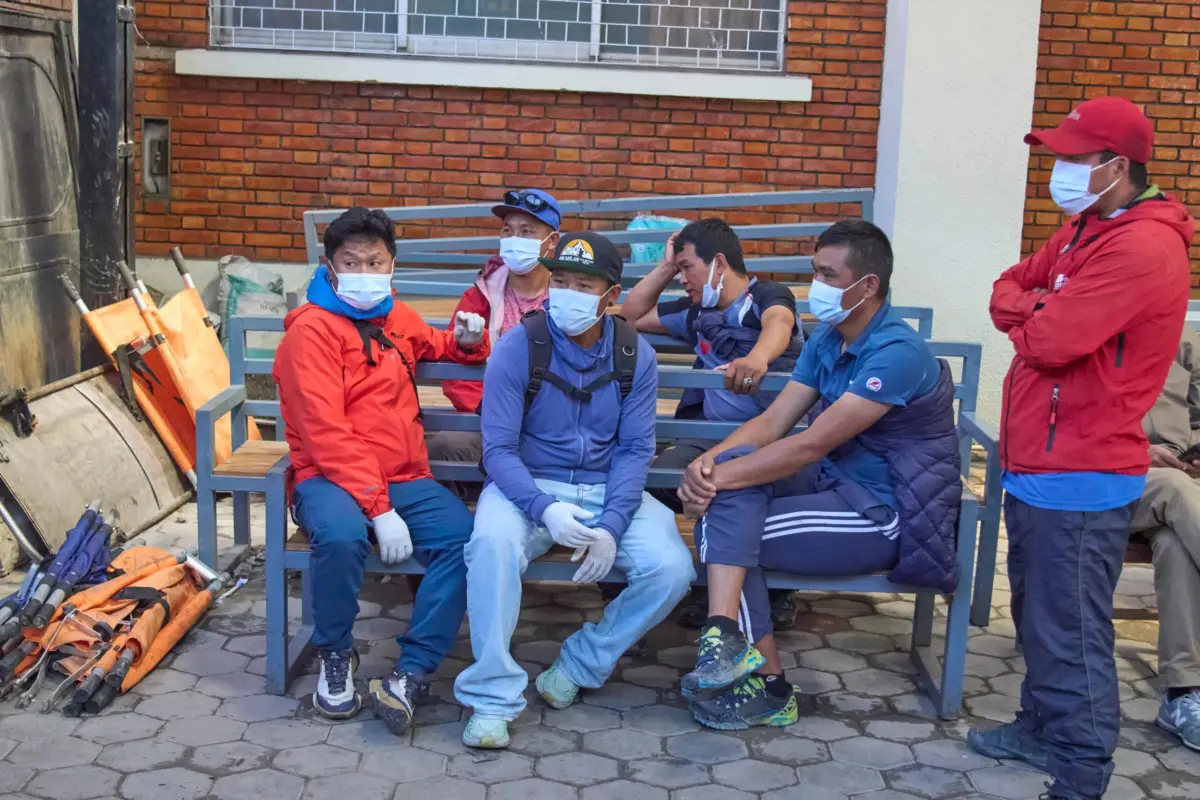
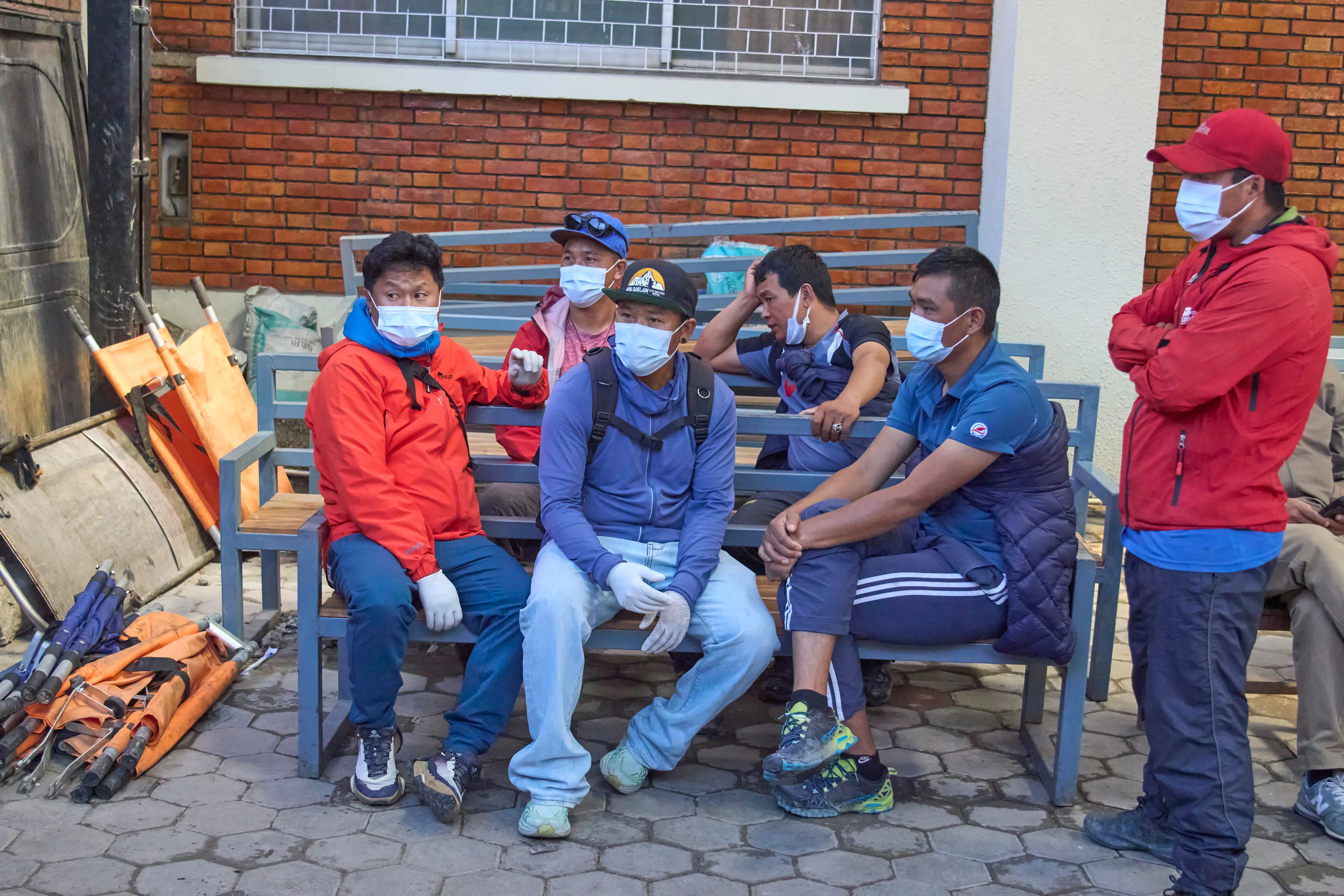
Despite the harrowing conditions, recovery teams managed to locate two deceased climbers on Monday. Their remains were loaded onto specialized army helicopters and transported directly to Kathmandu airport before being transferred to the Tribhuvan University Teaching Hospital morgue. There, a grief-stricken gathering of family members, friends, and colleagues converged to identify the dead, bearing a silent, agonizing witness to the dangers inherent in the mountain tourism industry.
As of Monday evening, rescue coordinators confirmed that search operations for the remaining dozen missing climbers would continue uninterrupted, pending safe flying conditions for aerial spotters and ground teams equipped with avalanche probes and thermal-imaging gear.
Supporting Context & Metrics: A Country Gripped by Crisis
The Broader Meteorological Event
The Himlung avalanche was not an isolated meteorological accident; it was the apex disaster of a nationwide severe weather system that battered Nepal over a four-day span in late September 2026.
Data released by Nepal’s disaster management agency paints a grim picture of the widespread destruction:
National Casualties: Between Thursday, September 24, and Sunday, September 27, at least 21 individuals lost their lives in various rain-induced incidents outside of the Himlung disaster.
Missing Persons: An additional five people remain unaccounted for nationwide following flash floods and sudden mudslides.
Regional Impact: The Manang district, home to Mount Himlung, experienced severe infrastructure paralysis. Sustained downpours triggered widespread flooding of local rivers, washing away suspension bridges, cutting off rural access roads, and trapping hundreds of trekkers and residents.
The Looming Shadow of the August Catastrophe
This week’s tragedies strike a nerve in a nation still actively mourning and struggling to rebuild from an unprecedented climate-induced disaster just weeks prior. In August 2026, Nepal suffered historic, catastrophic flooding and massive landslides that swept away entire rural settlements.
The human toll of the August disaster remains a gaping wound in the national psyche:
Confirmed Fatalities: Over 1,400 people lost their lives in the span of a few days.
Missing Populations: Nearly 6,000 individuals remain missing, many presumed swept away by swollen, debris-laden torrents or buried deep beneath mudslides.
Economic and Infrastructural Loss: Billions of rupees in agricultural yield, livestock, housing, and vital hydroelectric infrastructure were obliterated, straining government resources and leaving tens of thousands of families displaced in makeshift relief camps.
The compounding nature of these disasters—moving swiftly from lowland riverine floods to high-altitude avalanches—has placed an immense burden on Nepal’s search-and-rescue infrastructure, medical system, and disaster response agencies.
Official Statements and Institutional Responses
In the wake of the tragedy, government officials, industry leaders, and humanitarian organizations have issued statements addressing the mounting crisis and the safety of outdoor personnel in the Himalayas.
An official spokesperson for Nepal’s Ministry of Home Affairs expressed profound grief over the loss of life:
"Our hearts go out to the families of the brave Nepali professionals who lost their lives while preparing the paths that others tread. These individuals are the absolute backbone of our mountain economy. The government is sparing no effort, utilizing all available military and civilian assets, to search for those still missing and provide immediate medical care to the survivors."
The Trekking Agencies’ Association of Nepal (TAAN) released a joint statement calling for heightened vigilance and a reevaluation of early-warning protocols for high-altitude workers:
"The timing of this unseasonal and extreme weather pattern has caught the mountaineering community off guard. While commercial climbing brings vital economic lifeblood to our mountain communities, the safety of our guides, porters, and support staff must remain paramount. We are urging all expedition operators to exercise extreme caution, monitor real-time meteorological advisories, and delay base camp setups until weather systems definitively stabilize."
At the Tribhuvan University Teaching Hospital in Kathmandu, where families gathered outside the morgue on Monday, representatives from local climbing associations offered counseling and logistical support to the grieving relatives. Out of respect for the families’ privacy, no formal public statements were issued by the grieving relatives, though their silent presence underscored the heavy human cost borne primarily by local mountain communities.
Future Outlook: Navigating Risk in a Changing Himalayan Climate
The Changing Face of Himalayan Seasons
For decades, Nepal’s climbing calendar has operated on a predictable rhythm: the spring season (April to May) offers stable windows after winter, while the autumn season (September to November) provides clear skies and crisp air following the monsoon rains.
However, climate scientists and veteran mountaineers warn that global climate change is fundamentally disrupting these historic patterns. The traditional "monsoon withdrawal" period—historically expected by mid-September—is becoming increasingly erratic, prolonged, and violent. Warmer global temperatures are leading to higher atmospheric moisture levels, which in turn translate into heavier, unseasonal rainfall at lower altitudes and massive, unpredictable snow dumps on high-altitude peaks like Himlung.
Structural Reforms and Future Preparations
As Nepal looks toward the remainder of the autumn 2026 season and prepares for future years, experts argue that fundamental shifts are urgently required:
Upgraded Meteorological Monitoring: Expanding real-time, high-altitude weather radar and forecasting stations specifically tailored to remote climbing hubs will be critical in providing advance warnings to base camps.
Enhanced Safety Protocols for Support Staff: Historically, foreign clients receive extensive safety briefings, but local staff—who often spend weeks longer on the mountain during pre-season setups—frequently face high exposure without equivalent institutional safeguards. Industry watchdogs are calling for mandatory satellite communication devices, avalanche air-bags, and emergency beacon deployment for all advance base camp crews.
Climate Resilience and Infrastructure: With consecutive extreme weather events in August and September 2026, the Nepali government is facing mounting pressure from international aid bodies to accelerate long-term climate adaptation strategies, reinforce hillside settlements, and improve early-warning evacuation routes for vulnerable mountain districts like Manang.
For now, however, the immediate focus remains singular: finding the dozen missing souls lost in the white wilderness of Mount Himlung, and comforting the families who wait anxiously in Kathmandu for news from the roof of the world.




0 Comments