

Executive Overview
When major meteorological events—such as hurricanes, tropical storms, and severe nor’easters—make landfall, human communities naturally mobilize for immediate rescue, infrastructure assessment, and structural repair. However, a parallel crisis unfolds simultaneously across the natural landscape. Severe weather fundamentally alters habitats, inundating floodplains, uprooting ancient canopies, and obliterating the micro-habitats that countless terrestrial and avian species rely upon for survival.
In the aftermath of these catastrophic weather events, residents across affected regions often find themselves sharing shrinking patches of dry land with displaced wildlife. From venomous snakes swept into suburban swimming pools to alligators navigating newly formed residential canals and disoriented wading birds seeking refuge on urban rooftops, the intersection of human and animal populations increases exponentially following a storm.
According to authoritative advisories issued by conservation agencies such as the Florida Fish and Wildlife Conservation Commission (FWC), the post-storm period represents a critical window of vulnerability for both human residents and local fauna. As floodwaters recede and communities begin the arduous process of recovery, emergency management officials stress that respecting the boundaries of displaced wildlife is paramount. Animals driven from their natural ranges are frequently stressed, injured, or exhausted, making unpredictable behavior far more likely.
This investigative report examines the ecological mechanisms driving post-storm wildlife displacement, outlines the critical safety protocols established by wildlife authorities, analyzes the broader metrics of human-wildlife conflict during environmental disasters, and explores the long-term outlook for regional ecosystems striving to recover from compounding weather extremes.
Detailed Chronology: The Ecological Ripple Effect of a Major Storm
To fully understand why wildlife appears in unprecedented numbers and locations following a severe storm, one must examine the chronological progression of a natural disaster from an ecological perspective. The impact on regional fauna does not begin when the storm makes landfall; rather, it follows a distinct, multi-stage timeline of disruption, acute crisis, and protracted recovery.
Phase 1: Pre-Landfall Behavioral Shifts (The Barometric Trigger)
Long before meteorologists issue evacuation orders, wild animals exhibit acute sensitivities to dropping barometric pressure and shifting wind currents. Many avian species, mammals, and reptiles possess internal biological barometers that register severe meteorological changes hours or even days in advance.
- Avian Dispersal: Birds often attempt to flee the projected path of a severe storm, flying inland or seeking deep subterranean cavities and dense thickets.
- Terrestrial Scramble: Mammals such as white-tailed deer, feral hogs, and smaller rodents begin moving toward higher ground well before the first bands of heavy rain arrive.
Phase 2: Acute Impact and Inundation (The Struggle for Immediate Survival)
When the storm strikes, the primary threat to wildlife shifts from wind damage to catastrophic flooding and storm surge.
- Subterranean Flooding: Burrowing animals—including gopher tortoises, armadillos, and various species of rodents and snakes—face immediate peril as rising waters fill their underground chambers. Many are forced to abandon their burrows mid-storm, exposing them to fierce winds, flying debris, and turbulent floodwaters.
- Arboreal Displacement: Arboreal species, such as squirrels, raccoons, and tree-dwelling snakes, find themselves marooned as forest canopies thrash violently or snap entirely under the pressure of hurricane-force winds.
Phase 3: The Post-Storm Emergence (The High-Conflict Window)
Within hours to days following the passage of a major storm, the immediate danger of wind and rain subsides, giving way to widespread flooding, downed power lines, and structural wreckage. This is the precise juncture highlighted by wildlife management agencies as the highest-risk period for human-wildlife encounters.
- The Search for Dry Ground: Displaced animals swim or drift on debris rafts to the nearest elevated surfaces. In coastal and low-lying regions, this frequently translates to residential neighborhoods, paved roadways, commercial parking lots, and human structures.
- Exhaustion and Starvation: Surviving animals emerge from the storm physically exhausted, often hypothermic, and entirely cut off from their traditional food sources. Foraging grounds are buried under layers of silt, debris, and standing water, driving wildlife closer to human habitations in search of accessible calories.
Supporting Context & Metrics: Analyzing the Scope of Post-Disaster Displacement
Quantifying the exact impact of a major storm on local wildlife populations remains one of the most complex challenges facing modern conservation science. Unlike human populations, which can be accounted for through census data, emergency shelters, and insurance claims, wildlife populations are inherently fluid, making precise mortality and displacement metrics difficult to track in real time. However, historical data from past severe weather events offers profound insights into the scale of these ecological disruptions.
The Mechanics of Habitat Fragmentation
When a hurricane or severe flood sweeps through an ecosystem, it acts as a violent agent of habitat fragmentation.
- Vegetative Destruction: Saltwater intrusion—pushed inland by storm surges—burns freshwater marshes, kills non-salt-tolerant vegetation, and poisons aquatic nurseries. This decimates the base of the local food web, impacting everything from macroinvertebrates to apex predators.
- Nesting Failures: For seasonal nesting species, such as sea turtles and ground-nesting shorebirds, a late-season storm can completely wipe out an entire reproductive cycle. Storm surges wash away nests, while heavy erosion alters beach topography, disorienting hatchlings for years to come.
Statistical Trends in Human-Wildlife Incidents
Wildlife agencies consistently report a dramatic spike in calls for service following severe weather events. While exact figures fluctuate depending on the intensity of the storm and the population density of the affected zone, historical metrics indicate clear patterns:
- Call Volume Surges: Emergency dispatchers and wildlife hotlines frequently experience a 200% to 400% increase in calls regarding "nuisance" or displaced wildlife during the two weeks following a major hurricane.
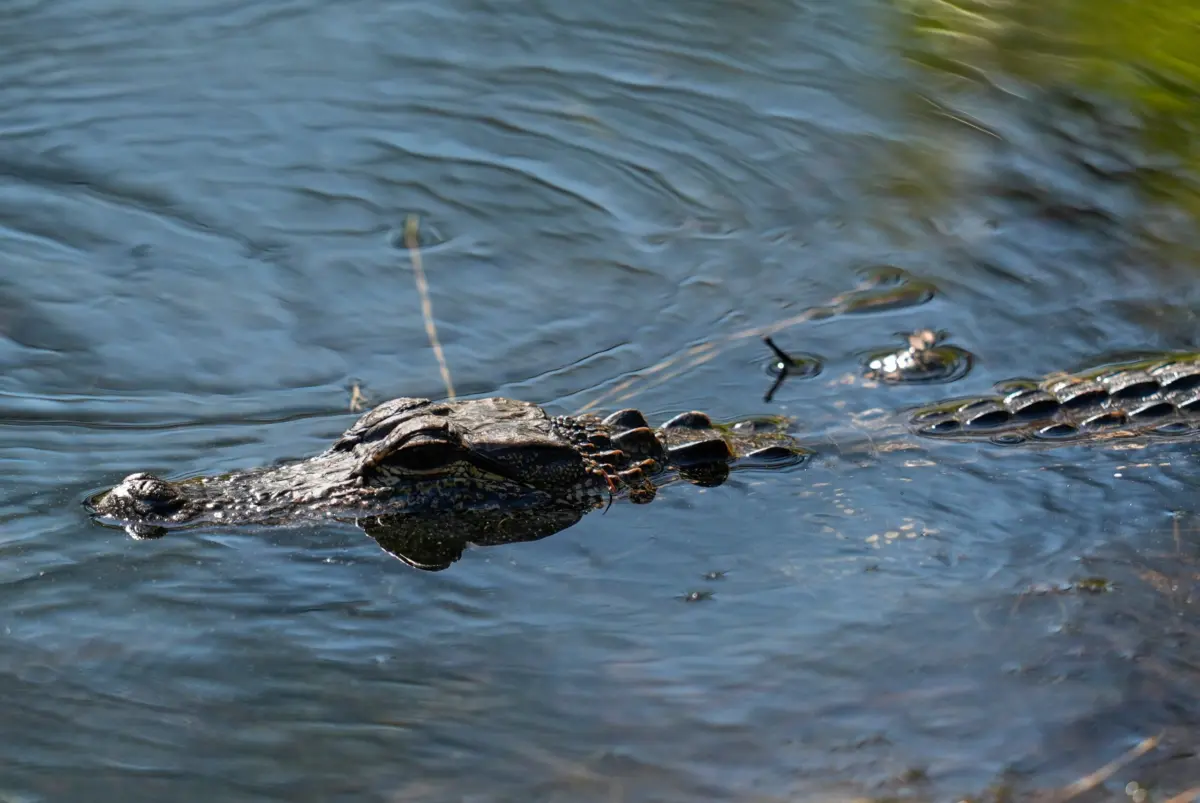
- Reptilian Encounters: Alligators and snakes account for the vast majority of large-animal calls in southern wetland states. Displaced from natural swamps and retention ponds connected by overflowing drainage systems, these reptiles routinely end up in residential swimming pools, garages, and flooded roadways.
- Orphaned Wildlife: Young animals—particularly nestling birds, infant raccoons, and dependent fawns—suffer disproportionately high mortality rates during storms. When parents are separated from their young amid rising floodwaters, the number of orphaned animals requiring intensive rehabilitation surges.
Official Guidelines and Best Practices: What Conservation Authorities Advise
In the face of widespread ecological disruption, conservation organizations emphasize that human intervention should be measured, cautious, and deferential to the natural instincts of wild creatures. The Florida Fish and Wildlife Conservation Commission (FWC), alongside national counterparts, has established a rigorous framework of protocols for residents encountering wildlife in storm-affected areas.
1. Maintain a Safe Distance
The foundational rule of post-storm wildlife management is simple yet frequently ignored: give animals space.
- Stressed animals are far more likely to defend themselves if approached. A wild animal cornered by floodwaters or stranded on a patch of dry concrete views humans not as rescuers, but as predatory threats.
- Residents are urged to keep a wide berth—at least several car lengths—from large wildlife such as alligators, bears, and wading birds, and to prevent domestic pets from roaming off-leash in areas where wildlife may be hiding.
2. Never Feed Displaced Wildlife
During and after a storm, well-meaning citizens often attempt to feed starving or stranded animals. Conservation experts strongly discourage this practice for several critical reasons:
- Nutritional Harm: Human foods (bread, processed snacks, table scraps) can cause severe digestive distress or long-term nutritional deficiencies in wild animals.
- Habituation: Feeding wild animals teaches them to associate humans and human habitations with food sources. Once a storm recovery period ends, habituated animals frequently become permanent "nuisance" wildlife, ultimately leading to conflict, property damage, or the necessity of euthanization.
3. Securing Property and Preventing Trapping
As residents return to inspect storm-damaged properties, they inadvertently create inviting shelters for displaced wildlife looking for dry refuge.
- Inspect Before Repair: Before clearing brush piles, entering crawlspaces, or repairing damaged siding, homeowners should thoroughly inspect these areas for nesting or sheltering animals. Raccoons, opossums, and snakes frequently seek out dark, dry cavities inside compromised structures.
- Secure Trash and Attractants: With natural food sources scarce, unsecured garbage cans, fallen fruit, and outdoor pet food bowls act as beacons for hungry wildlife. Keeping all waste securely locked in animal-proof containers minimizes the likelihood of unwanted wildlife lingering around residential properties.
4. When to Call Professionals
Citizens should never attempt to capture, handle, or relocate dangerous wildlife, venomous snakes, or large predators themselves.
- Trained wildlife officers, animal control personnel, and licensed rehabilitators possess the specialized safety equipment and handling techniques required to manage stressed animals safely.
- If a resident encounters an injured, entangled, or truly trapped animal that poses no immediate aggressive threat, they should contact local wildlife hotlines or regional FWC offices for guidance rather than taking matters into their own hands.
Future Outlook: Building Ecological Resilience in an Era of Extreme Weather
As regional climate patterns shift and meteorological data indicates an increasing frequency and intensity of severe weather events, conservation scientists, urban planners, and wildlife managers are looking toward the horizon. The challenges posed by post-storm wildlife displacement are not isolated incidents; they represent a recurring reality of modern environmental management.
Integrating Wildlife Corridors into Disaster Recovery
Historically, post-storm infrastructure rebuilding focused exclusively on human utility—paving roads faster, shoring up seawalls, and clearing debris into massive landfills without regard for ecological connectivity. Modern conservation frameworks, however, advocate for a more holistic approach:
- Nature-Based Infrastructure: Restoring natural wetlands, expanding living shorelines, and preserving upland buffer zones do not merely protect human communities by absorbing storm surge and floodwaters; they also provide critical refugia for native wildlife during disasters.
- Wildlife-Friendly Infrastructure: Designing bridges, culverts, and drainage systems with dedicated dry-passages allows terrestrial animals to navigate flood-prone zones safely without being forced onto dangerous vehicular roadways.
The Evolving Role of Wildlife Rehabilitation Networks
The organizations tasked with healing and releasing storm-impacted wildlife are facing unprecedented operational pressures.
- Capacity Building: Funding and expanding regional wildlife rehabilitation centers is vital. These facilities act as the frontline emergency rooms for injured, orphaned, and oil-slicked or debris-tangled animals following major storms.
- Public Education Campaigns: Proactive community outreach—such as the digital resources, advisories, and instructional videos provided by agencies like the FWC—plays an indispensable role in shaping public behavior. By educating residents on what to expect before a storm hits, agencies can drastically reduce unnecessary human-wildlife conflicts, prevent animal injuries, and foster a culture of coexistence during times of crisis.
Conclusion
Major storms test the resilience of both human and natural communities alike. While the immediate aftermath of a disaster naturally rivets public attention on structural repairs and human recovery, the silent struggle of local wildlife cannot be ignored. By respecting the boundaries of displaced animals, adhering to expert conservation guidelines, and investing in resilient, ecologically conscious infrastructure, society can navigate the turbulent wake of severe weather while safeguarding the rich biodiversity that defines our natural landscapes.

0 Comments