

Executive Overview
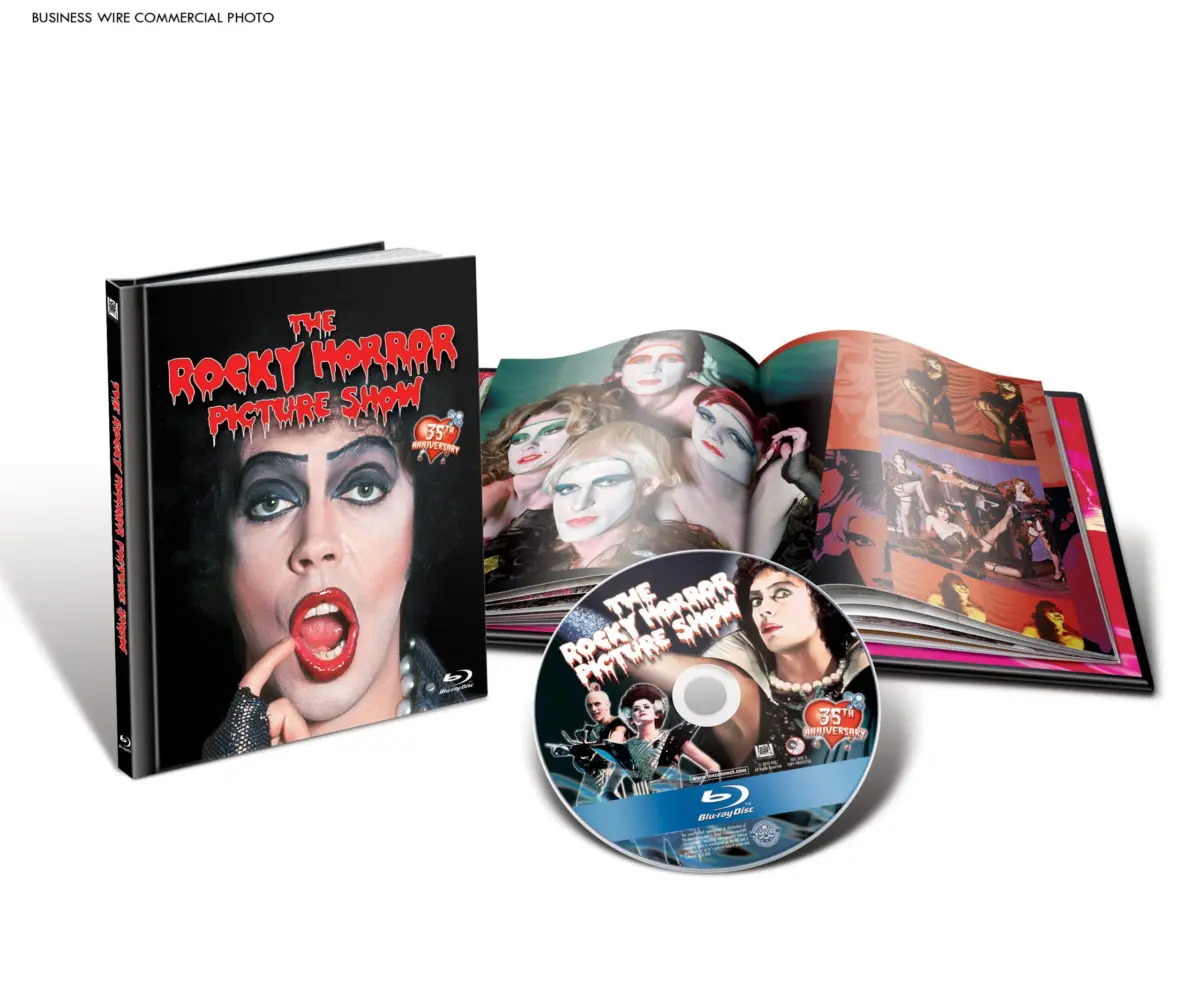
The entertainment world is in mourning following the passing of Tim Curry, the mercurial, brilliantly eccentric British actor and singer whose career spanned over five decades across stage, screen, and voice acting. Curry, immortalized in global pop culture for his tour-de-force performance as the "sweet transvestite from transsexual Transylvania," Dr. Frank-N-Furter, in the 1975 cult classic The Rocky Horror Picture Show, died at the age of 80. TMZ was first to report the news, which was subsequently confirmed by major entertainment outlets including Variety.
Throughout a prolific career defined by magnetic villainy, razor-sharp wit, and an inimitable vocal prowess, Curry carved out a unique space in cinematic history. He effortlessly transitioned from high-concept musical theater to terrifying horror, broad comedy, and complex voice-over work. Whether terrorizing children as the demonic shape-shifter Pennywise the Clown in the 1990 television adaptation of Stephen King’s IT, playing the neurotic concierge Mr. Hector in Home Alone 2: Lost in New York, or bringing grandiloquent menace to animated masterworks, Curry’s presence was always larger than life.
His death marks the end of an era for character acting. Curry did not merely play characters; he inhabited them completely, wrapping them in theatricality, sophistication, and a deliciously subversive edge. As tributes pour in from fellow actors, directors, and millions of devoted fans worldwide, this retrospective examines the extraordinary life, towering legacy, and enduring cultural impact of a true icon of stage and screen.
Detailed Chronology: From Cheshire Stages to Global Stardom
Early Life and Theatrical Beginnings (1946–1973)
Born Timothy James Curry on April 19, 1946, in Grappenhall, Cheshire, England, Curry showed an early affinity for the performing arts. The son of a Methodist chaplain and a school secretary, Curry developed a rich singing voice and a keen ear for dialects during his youth. He was educated at various boarding schools before attending the University of Birmingham, where he graduated with a degree in Drama and English in 1968.
Curry’s professional acting career began in earnest on the London stage. He quickly established himself as a versatile theatrical talent, making his West End debut in the seminal 1968 musical Hair. This foundational role introduced him to the countercultural energy that would come to define his early career. Following Hair, Curry joined the prestigious Royal Shakespeare Company, where he honed his classical acting chops, performing in productions that tested the breadth of his dramatic range.
The Phenomenon of The Rocky Horror Picture Show (1973–1975)
The defining moment of Curry’s career arrived in 1973 when he was cast in a modest theatrical production at the Royal Court Theatre Upstairs: The Rocky Horror Show, written by Richard O’Brien and directed by Jim Sharman. Curry played Dr. Frank-N-Furter, a mad scientist draped in corsets, fishnets, and heavy makeup.
The stage production was an immediate sensation, blending glam rock, science fiction pastiche, and camp theatricality. When the production was adapted for the screen in 1975 as The Rocky Horror Picture Show, directed by Jim Sharman, Curry reprised his role for international audiences. Though initially a commercial and critical disappointment upon release, the film found its footing in the midnight movie circuit, eventually evolving into the longest-running theatrical release in cinematic history.
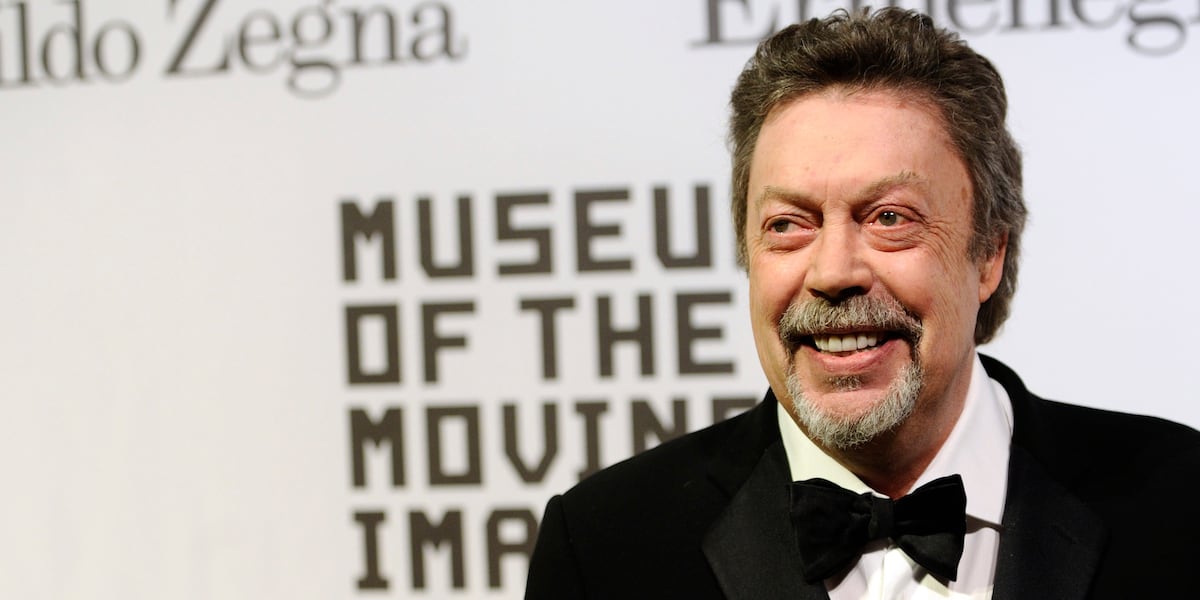
Curry’s performance as Frank-N-Furter remains a masterclass in screen magnetism. He brought humanity, vulnerability, and terrifying allure to a character that could have easily devolved into mere caricature. The role established Curry as a champion of the marginalized and a pioneer of gender-bending performance art long before it entered the mainstream cultural lexicon.
Expanding Horizons: Film, Television, and Broadway (1978–1999)
Rather than being typecast by his breakout role, Curry embarked on a remarkably diverse cinematic journey. In 1980, he starred as the tragic protagonist Wolfgang Amadeus Mozart in the Broadway production of Amadeus, earning critical acclaim for his intense, psychologically complex portrayal.
The 1980s proved to be a golden era for Curry’s cinematic villainy. In 1985, he starred alongside Tom Cruise and Mia Sara as the Lord of Darkness in Ridley Scott’s visually stunning dark fantasy film Legend. Buried under hours of heavy prosthetics designed by Rob Bottin, Curry delivered a performance of Shakespearean magnitude. That same year, he showcased his comedic genius as the butler Wadsworth in the cinematic board-game adaptation Clue (1985), executing a breathless, farcical denouement that remains a masterclass in physical comedy and pacing.
As the decade turned, Curry cemented his place in horror history by taking on the role of Pennywise the Dancing Clown in the 1990 two-part miniseries adaptation of Stephen King’s IT. Fearless, sadistic, and utterly mesmerizing, Curry’s portrayal traumatized an entire generation of television viewers, proving that his talents extended far beyond musical camp.
Throughout the 1990s, Curry remained a ubiquitous presence in high-profile Hollywood features. He played the scheming Cardinal Richelieu in Disney’s The Musketeers (1993), the eccentric computer genius Gomez Addams lookalike (though playing private security in other contexts) in various projects, and the unforgettable, exasperated hotel concierge Mr. Hector in Home Alone 2: Lost in New York (1992), where his comedic timing opposite Macaulay Culkin became legendary.
A Master of Voice Acting and Later Years (2000–2026)
In addition to his live-action work, Curry carved out an extraordinarily prolific career in voice acting, lending his distinct, velvety baritone to hundreds of animated series and video games. Notable voice roles include Nigel Thornberry in Nickelodeon’s hit series The Wild Thornberrys, Emperor Palpatine in Star Wars: The Clone Wars, and Captain Hook in Jake and the Never Land Pirates. His voice work earned him widespread acclaim and an Emmy Award nomination.
In July 2013, Curry suffered a major stroke, which significantly slowed his public appearances and necessitated the use of a wheelchair. Despite this health setback, Curry remained resilient. In his later years, he continued to participate in virtual conventions, voice-over projects, and celebratory retrospectives of The Rocky Horror Picture Show, greeted always by adoring waves of fans.
Supporting Context & Metrics: The Scale of Curry’s Legacy
To understand the magnitude of Tim Curry’s impact on entertainment, one must examine the metrics and cultural footprint of his most enduring works:
- Box Office and Longevity: The Rocky Horror Picture Show has grossed over $140 million worldwide against a modest budget of $1.4 million. More importantly, its persistent weekly midnight screenings across the globe for nearly five decades represent an unprecedented sociological phenomenon in cinema history.
- Award Nominations and Honors: Curry’s theatrical brilliance was recognized with three Tony Award nominations: Best Actor in a Play for Amadeus (1981), Best Actor in a Musical for My Favorite Year (1993), and Spamalot (2005). He also earned two Daytime Emmy nominations for his voice work.
- Filmography Depth: Across his career, Curry amassed over 200 screen credits, spanning blockbuster live-action features, indie dramas, prestige television, direct-to-video animations, and AAA video game voice acting.
Official Statements and Industry Tributes
Following the confirmation of his passing, Hollywood directors, co-stars, and cultural figures shared heartfelt tributes honoring Curry’s genius, warmth, and artistic fearlessness.
"Tim Curry was a force of nature, a brilliant intellect, and one of the kindest souls I have ever had the privilege of working with. He brought characters to life with a vibrancy that belonged to another dimension. The world is a much duller place without his electric light." — Colleague and Industry Tribute
"From the stages of the West End to the streets of Derry, Maine, Tim walked among us as a titan of performance. He taught a generation that being different wasn’t just acceptable—it was magnificent." — Retrospective Statement from the Screen Actors Guild
Fans around the globe have begun gathering at independent cinemas hosting midnight screenings of The Rocky Horror Picture Show, raising flashlights, singing "Time Warp," and mourning the loss of an artist who gave them permission to celebrate their own eccentricities.
Future Outlook: Preserving a Timeless Legacy
As the entertainment industry processes the loss of Tim Curry, discussions have already begun regarding institutional retrospectives, museum exhibitions, and archival preservation of his extensive theatrical and cinematic contributions. Film societies and repertory cinemas are planning worldwide tributes, ensuring that future generations will continue to experience the electrifying artistry of a man who redefined what it meant to command a stage.
Tim Curry leaves behind a legacy that transcends traditional definitions of stardom. He was an actor’s actor, a singer’s singer, and a pop-culture icon whose bold choices forever expanded the boundaries of performance. Though the curtain has fallen, the echo of his inimitable laugh and the brilliance of his creations will resonate across the cultural landscape for generations to come.

0 Comments