

Executive Overview
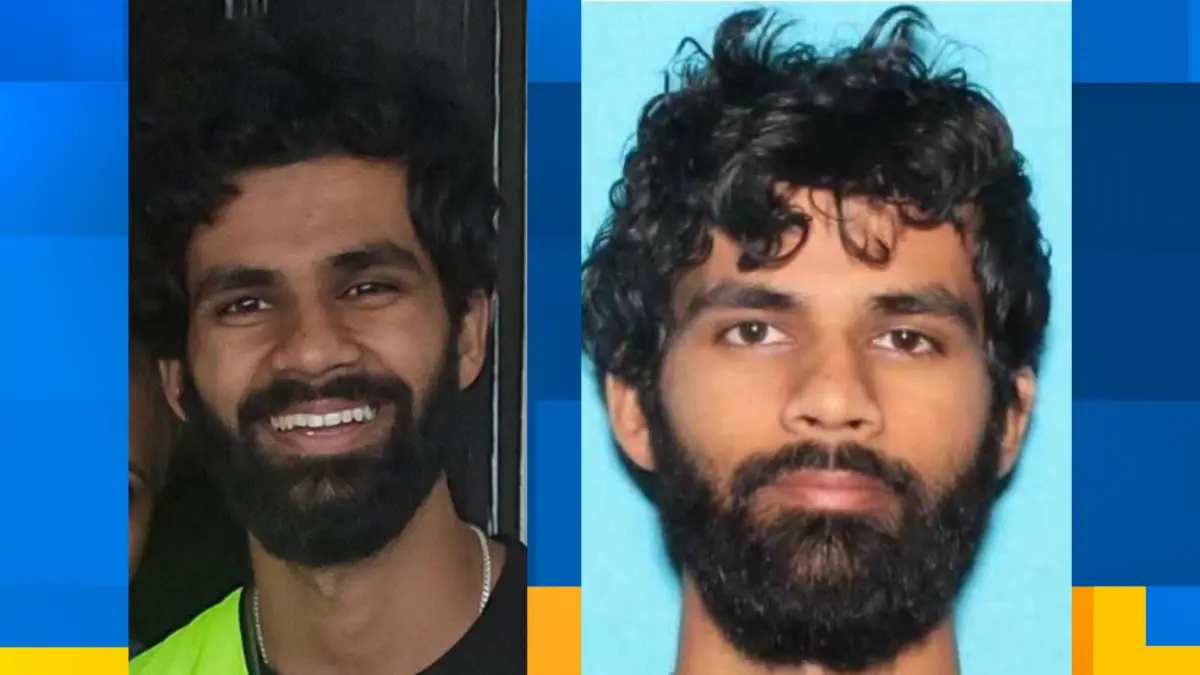
BLOUNT COUNTY, Tenn. — What began as a routine excursion into the natural splendor of the Great Smoky Mountains National Park ultimately culminated in an agonizing, multi-day search and an irreversible tragedy. Sahil Jilani, a 24-year-old resident of Houston, Texas, was found dead in the waters near Abrams Falls after park officials and emergency dive teams launched a comprehensive search operation. His death has left a profound void in the lives of his relatives, who are now mourning a young man characterized by his deep devotion to his family, his generous spirit, and his ambitious dreams for the future.
The incident underscores the inherent risks associated with America’s most-visited national park, where majestic landscapes can conceal perilous conditions within moments. For the Jilani family, the ordeal has been compounded by harrowing questions regarding the initial response times of local authorities, the dangers of cellular communication dead zones in remote wilderness areas, and the deceptive lethality of powerful water currents near scenic waterfalls.
In the wake of this devastating loss, the Jilani family has chosen to channel their grief into advocacy. They are campaigning fiercely to promote wilderness and water safety, urging fellow outdoor enthusiasts to respect warning signs, share detailed travel itineraries, and invest in reliable satellite communication devices when venturing off the grid. Furthermore, the family has launched a public fundraising campaign to help repatriate Sahil’s remains to Texas, cover incurred expenses, and provide medical care for his mother, who was hospitalized following the devastating news.
Detailed Chronology of Events
The sequence of events leading to the discovery of Sahil Jilani’s body spans several tense days of mounting anxiety, frantic communication, and coordinated recovery efforts across Blount County, Tennessee.
The Final Check-In and Disappearance
Sahil Jilani was last seen alive at approximately 8:00 p.m. on a Monday evening at the Riverstone Campground located in Townsend, Tennessee, a gateway community to the sprawling expanse of the Great Smoky Mountains National Park. According to relatives, Jilani was an experienced and mindful traveler, maintaining a consistent pattern of checking in with his family back home in Houston. However, that routine was abruptly broken when his digital footprint vanished.
Jilani’s mobile phone abruptly became untraceable, with his real-time location sharing freezing in an area known to suffer from severe cellular service degradation. Recognizing that something was fundamentally amiss—as Jilani historically never went hours without making contact—his family experienced immediate alarm.
The Search Intensifies
On Tuesday, following a night of agonizing silence, the family attempted to secure assistance. They reached out to park authorities to request a welfare check, noting that Jilani’s mother felt an overwhelming intuition that her son was in grave danger. According to the family, initial requests were met with standard reassurances that hikers frequently lose cellular service within the park’s rugged terrain.
However, as fear escalated and hours continued to tick away without communication, the family’s persistent calls for help prompted a formal tracking operation. On Wednesday, park rangers located Jilani’s unoccupied vehicle parked near the Abrams Falls trailhead—a popular yet challenging destination known for its rugged footpath and deceptively powerful aquatic environment.
The Discovery at Abrams Falls
The search culminated on Thursday when emergency dive teams deployed into the churning waters surrounding Abrams Falls. According to family accounts, divers recovered Jilani’s body from the pool beneath the waterfall. In close proximity to the water’s edge, search teams also discovered his personal belongings, including his mobile phone, keys, and clothing items.
While official forensic and investigative reports from park officials remain pending, preliminary assessments by the grieving family indicate that Jilani likely drowned after becoming trapped in the turbulent, high-velocity currents that characterize the base of the waterfall.
Supporting Context & Metrics
The circumstances surrounding Sahil Jilani’s untimely passing highlight broader safety concerns regarding outdoor recreation in the Great Smoky Mountains National Park and similar federal wilderness areas across the United States.
The Geography of Abrams Falls
Abrams Falls is one of the most popular yet hazardous natural attractions within the Great Smoky Mountains. Situated along Abrams Creek in the Cades Cove region, the waterfall drops roughly 20 feet into a large, deep pool of water. While the short hike to the falls draws thousands of visitors annually, the area has a long history of water-related accidents, drownings, and serious injuries.
Park officials and search-and-rescue teams have repeatedly warned visitors about the severe dangers of swimming or wading near the base of waterfalls. The swirling currents, underwater ledges, and powerful undercurrents created by falling water can easily overwhelm even strong swimmers. Furthermore, slick rocks surrounding the precipice create a constant slip-and-fall hazard that can incapacitate a hiker before they even reach the water.
The Perils of Wilderness Connectivity
Jilani’s case also brings national attention to the critical issue of cellular "dead zones" in remote park environments. The topography of the Great Smoky Mountains—characterized by deep river valleys, dense old-growth forests, and steep ridges—frequently blocks cellular signals, rendering smartphones useless for navigation, emergency calls, or real-time location tracking.
Search-and-rescue experts emphasize that relying solely on cellular devices in the backcountry can prove fatal. When a hiker becomes injured or disoriented in an area without coverage, standard location-sharing apps fail, severely delaying the ability of emergency responders to narrow down search perimeters. This communication vacuum often turns manageable emergency situations into prolonged, life-threatening crises.
Official Statements and Family Tributes
A Sister’s Agonizing Remembrances
The emotional weight of the tragedy has been openly articulated by Jilani’s sister, Asma Jilani Bustamante, who painted a vivid picture of a young man whose life was defined by selflessness, ambition, and deep familial love.
"With heavy hearts, we share the loss of our beloved brother, Sahil Jilani," Bustamante said in an emotional statement. "Sahil was a pure, kind, generous soul who always cared for others. He dreamed of helping Mom retire, taking on her bills and helping Dad with dental procedures. A new uncle, he couldn’t wait to spoil his niece and teach her martial arts and self-defense. His absence leaves an irreplaceable void."
Bustamante also shed light on the agonizing hours leading up to the formal search, detailing the family’s intuition and their early struggles to convince authorities of the urgency of the situation.
"He never went hours without checking in, but his location sharing stopped in a dead zone," Bustamante recounted. "We requested a welfare check from rangers the next day, but were told hikers often lose service. We kept requesting help as our fear grew."
The Toll on the Family
The psychological impact of the tragedy has rippled deeply through the entire household. According to Bustamante, the shock of losing her son proved physically overwhelming for Jilani’s mother, who was subsequently hospitalized due to medical complications arising from grief and trauma. The family is currently managing not only the logistical nightmare of interstate mortuary transport but also acute medical expenses incurred during this period of crisis.
To assist with these mounting financial burdens—including funeral arrangements, the repatriation of Jilani’s remains to Houston, and his mother’s ongoing medical care—the family has established a verified fundraising initiative via GoFundMe, titled "Honoring Sahil Jilani: Family Support & Saving Lives."
Future Outlook: Advocacy, Water Safety, and Legacy
Rather than letting the narrative close with the sorrow of a lost life, the Jilani family is determined to transform their personal heartbreak into a catalyst for public safety awareness. They hope that sharing Sahil’s story will prevent other families from enduring a similar nightmare.
A Mission to Save Lives
In her public addresses, Asma Jilani Bustamante has emerged as an impassioned advocate for wilderness preparedness and situational awareness, particularly among young adults and casual hikers who may underestimate the raw power of nature.
"I am determined to honor Sahil by helping save lives," Bustamante stated. "If his story saves even one life, his memory will continue to protect others. Beauty can turn deadly in an instant. Please heed warning signs, especially where lives have been lost."
Actionable Takeaways for Outdoor Enthusiasts
Drawing from the painful lessons of their ordeal, the Jilani family has outlined a series of practical safety recommendations for anyone planning to explore national parks or remote wilderness trails:
- Detailed Itinerary Sharing: Always inform trusted friends or family members of specific hiking routes, planned check-in times, and expected return windows before heading into the backcountry.
- Respect Natural Hazards: Never ignore posted warning signs near waterfalls, swift rivers, or steep drop-offs. Water conditions can change rapidly, and visible calm can mask lethal undercurrents.
- Invest in Satellite Communication: Recognize the limitations of standard cellular networks in mountainous terrain. Hikers should consider carrying dedicated satellite messengers or personal locator beacons (PLBs) capable of transmitting SOS signals and tracking data via satellite networks regardless of local cell towers.
- Prioritize Caution Over Ego: Outdoor adventurers must cultivate the discipline to turn back when conditions look uncertain or overwhelming. As Bustamante poignantly noted, "An upset or disappointed loved one who turns back from dangerous water is infinitely better than a deceased one."
As official investigations by the National Park Service and local authorities continue to process the final reports regarding the incident, Sahil Jilani’s legacy will endure through the awareness his family is working tirelessly to build—ensuring that his kind soul and untimely death serve as a lasting shield for future explorers.

0 Comments