

Executive Overview
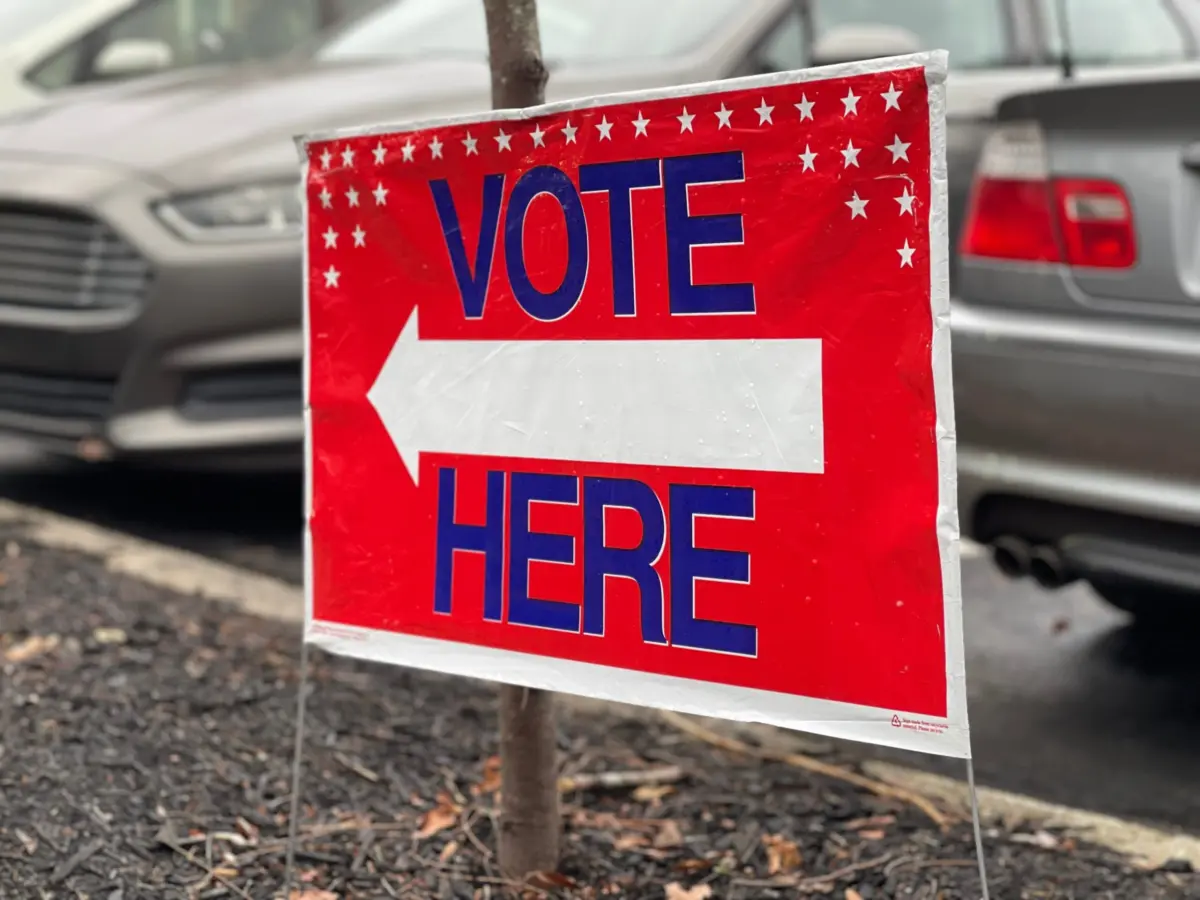
ATLANTA, Ga. — The political spotlight of the nation fixes firmly on Georgia today as early in-person voting officially begins across the state’s 159 counties. Kicking off on Tuesday, October 13, and running straight through Friday, October 30, this critical early voting window gives Georgians nearly three weeks to cast their ballots ahead of Election Day on November 3. The electorate will decide a constellation of powerhouse contests, headlined by a fiercely contested race for the governor’s office and a high-stakes battle for control of a U.S. Senate seat, alongside numerous down-ballot statewide and local races.
With control of key legislative agendas and federal power dynamics hanging in the balance, both major political parties have poured unprecedented resources, ground-game infrastructure, and star power into the Peach State. Recent debates hosted by Atlanta News First have exposed deep ideological rifts between the candidates on the defining issues of the cycle: healthcare accessibility, fiscal policy, inflation, and the cost of living.
Democrat Keisha Lance Bottoms and Republican Rick Jackson are locked in a turbulent fight to succeed term-limited leadership in the governor’s mansion, with healthcare—specifically Medicaid expansion—taking center stage. Meanwhile, incumbent Democratic U.S. Senator Jon Ossoff is locked in a ferocious, no-holds-barred defense of his seat against Republican challenger and sitting U.S. Representative Mike Collins, with both candidates trading heavy blows over the economy, inflation, and foreign policy.
As polls open across the state today, election officials anticipate high turnout throughout the nearly three-week early voting period, which includes mandatory weekend voting opportunities to ensure robust access for all eligible voters.
Detailed Chronology: The Road to the Ballot Box
The path to the October 13 early voting launch has been paved with intense campaigning, millions of dollars in television and digital media advertising, and high-stakes debate stages that have crystallized the choice before Georgia voters.
October 6: The Gubernatorial Showdown
The race for governor shifted into high gear on Monday, October 6, when Democratic nominee Keisha Lance Bottoms and Republican nominee Rick Jackson squared off in a live, statewide televised debate hosted by Atlanta News First. The encounter provided voters with their clearest look yet at two sharply contrasting visions for the state’s economic and social future.
The debate quickly zeroed in on healthcare, revealing both consensus and sharp division over how to address the state’s uninsured population. Bottoms aggressively pushed for immediate, comprehensive Medicaid expansion, framing it as a moral and economic imperative.
“There are 300,000 people in the state who don’t have coverage because we didn’t expand Medicaid,” Bottoms stated during the debate, laying responsibility at the feet of the incumbent administration’s past legislative choices.
Jackson countered by asserting his own commitment to expanding healthcare coverage, but cautioned against a reckless policy shift that could jeopardize existing federal revenue streams.
“I just want to do it in a way that we don’t lose $4.5 billion that we’re currently getting,” Jackson argued, positioning himself as a pragmatic fiscal steward who wants to expand coverage while protecting the state’s broader fiscal health.
October 8: Sparks Fly in the U.S. Senate Debate
Just two days later, on Thursday, October 8, the political temperature rose further as Democratic incumbent U.S. Senator Jon Ossoff and Republican Congressman Mike Collins took the Atlanta News First debate stage for a fiery encounter that laid bare the deep partisan polarization of the federal legislative landscape.
Both candidates acknowledged the intense economic pressure weighing on everyday Georgian families, particularly high consumer prices and inflation. However, they offered diametrically opposed diagnoses and remedies.
The debate quickly turned intensely personal. Collins went on the offensive, attacking Ossoff’s legislative tenure and alignment with the national Democratic agenda.
“My opponent is a radical and he has left our state less safe, more expensive, and worse off,” Collins declared.
Ossoff returned fire, taking aim at Collins’ background, family legacy, and legislative record in Washington.
“This is a Congressman’s son who inherited a seat in Congress who now runs his daddy’s trucking company, who voted seven times for the war in Iran who voted for the tariffs,” Ossoff fired back, seeking to paint his opponent as out of touch with the economic realities of working-class Georgians.
The Launch of Early Voting: October 13
With the rhetorical battles of the debate stage still echoing across the airwaves, the campaign calendar shifts decisively from persuasion to mobilization. Today, October 13, marks the opening bell for early in-person voting.
According to the Georgia Secretary of State’s office, voters will have access to designated early voting locations across their respective counties through October 30. To accommodate working families and busy schedules, the statutory early voting period includes critical weekend access, with polls open on two designated Saturdays during the voting window.
State election officials strongly encourage all registered voters to review their personalized sample ballots by visiting the Georgia Secretary of State’s official website (georgia.gov/view-sample-ballot) before heading to the polls. This preparation aims to streamline the voting process, reduce wait times, and ensure that every voter is fully informed on all contests—from top-of-the-ticket federal races down to localized referendum questions.
Supporting Context & Metrics: The State of Play in Georgia
To understand the gravity of the 2026 midterms in Georgia, one must look at the demographic, economic, and logistical metrics shaping the electorate.
Healthcare and the Uninsured Crisis
At the center of the gubernatorial race is the persistent challenge of healthcare access. Public health policy analysts have long pointed to Georgia as one of a dwindling number of states that has not fully implemented the traditional Affordable Care Act Medicaid expansion.
- The 300,000 Figure: Democratic nominee Keisha Lance Bottoms’ campaign frequently cites the figure of roughly 300,000 low-income working adults who fall into the "coverage gap"—earning too much to qualify for traditional Medicaid under Georgia’s current thresholds, yet earning too little to afford private insurance or secure substantial subsidies on the ACA exchange.
- The $4.5 Billion Question: Republican nominee Rick Jackson’s cautionary stance centers on approximately $4.5 billion in existing federal funding and state-federal cooperative financing structures. Jackson’s policy team argues that any structural expansion must be meticulously negotiated through federal waivers to avoid unintended disruptions to rural hospital funding and existing state healthcare outlays.
Economic Pressures and Voter Sentiment
In the U.S. Senate race between Senator Ossoff and Representative Collins, macroeconomic indicators form the backdrop of every policy argument. While national inflation rates have stabilized compared to their post-pandemic peaks, cumulative price increases in housing, insurance, groceries, and energy continue to squeeze household budgets across the Atlanta metropolitan area and rural Georgia alike.
- Working-Class Anxieties: Polling data heading into the early voting period indicates that cost-of-living concerns rank as the number one issue for independent and swing voters.
- Legislative Records Under Scrutiny: Ossoff’s defense relies heavily on framing himself as an independent voice fighting corporate price gouging and securing federal investments in infrastructure, clean energy manufacturing, and domestic supply chains. Collins’ offensive pivots on blaming federal spending bills passed under Democratic majorities for fueling inflation, while championing traditional conservative economic pillars: deregulation, tax relief, and domestic energy production.
Logistical Framework for Early Voting
Georgia’s voting infrastructure has undergone significant legal and administrative evolution over recent election cycles following the passage of major election reform legislation (such as SB 202).
- Timeline: Early voting runs for 18 days, from Tuesday, October 13, through Friday, October 30.
- Weekend Access: Mandated weekend voting includes designated Saturdays, providing crucial access points for hourly workers and commuters.
- ID Requirements: Voters casting ballots in person must present acceptable photo identification, such as a valid Georgia driver’s license, a state-issued voter identification card, a U.S. passport, or a valid military ID.
- Information Security: The Georgia Secretary of State’s office has emphasized the multi-layered security protocols safeguarding the state’s ballot-marking devices and paper-audit trail systems, urging voters to rely exclusively on official state channels for verified election information.
Official Statements and Campaign Reactions
As the state plunges into the active voting phase, campaign headquarters on both sides have released formal statements rallying their bases and framing the stakes of the next three weeks.
The Democratic Perspective
Campaign strategists for the Democratic ticket emphasize momentum, health equity, and economic protection for working families.
"Today marks the beginning of the end of failed leadership that has left hundreds of thousands of hardworking Georgians without basic healthcare access. Keisha Lance Bottoms has laid out a clear, actionable vision to expand Medicaid, lower costs, and protect our fundamental freedoms. Senator Jon Ossoff has spent every day fighting for Georgia families against corporate greed and out-of-touch politicians like Mike Collins. We urge every voter to make their voice heard early, secure their ballot, and move Georgia forward."
— State Democratic Party Spokesperson
The Republican Perspective
Meanwhile, Republican leadership and campaign teams for Rick Jackson and Congressman Mike Collins are projecting confidence, focusing their messaging on economic stewardship, public safety, and fiscal responsibility.
"Georgians are ready for leadership that respects their hard-earned tax dollars and keeps our communities safe. Rick Jackson has a proven record of economic common sense and is committed to expanding healthcare access without gambling away billions in vital federal funding. In Washington, Congressman Mike Collins has been a relentless fighter against reckless federal spending and radical policies that have driven up the cost of living. The enthusiasm we are seeing on the ground as early voting opens proves that voters want a secure, prosperous Georgia."
— State Republican Party Spokesperson
Future Outlook: The Countdown to November 3
With early voting now underway, the campaigns enter their final, grueling sprint. The metrics established over the next 18 days will largely dictate the strategies deployed in the final weekend before Election Day.
Political analysts will be closely monitoring early voting turnout numbers across key geographic sectors:
- The Metro Atlanta Suburbs: Historically the ultimate battleground of modern Georgia politics, counties such as Gobb, Gwinnett, North Fulton, and Cobb will serve as a bellwether for suburban voter enthusiasm and ticket-splitting behavior.
- Rural and Small-Town Georgia: Republican turnout in Southwest, East, and North Georgia will be meticulously analyzed to measure whether conservative mobilization efforts match or exceed previous midterm cycles.
- The Youth and First-Time Voter Demographics: University towns and urban centers will be focal points for grassroots get-out-the-vote (GOTV) operations aiming to capture younger demographics energized by healthcare and economic messaging.
As ballots are scanned and securely stored across Georgia’s 159 counties over the coming weeks, the state once again cements its status as the nation’s premier political laboratory. The decisions made by voters between now and October 30—culminating on Election Day on November 3—will reverberate far beyond the borders of the Peach State, shaping the balance of power in Washington and the trajectory of state governance for years to come.

0 Comments