

Executive Overview
TOPEKA, Kan. — What was supposed to be a peaceful Labor Day holiday celebration turned into an unimaginable nightmare for a North Topeka family, leaving a community deeply shaken and grieving. A devastating mobile home fire tore through a residential property, claiming the life of a 9-year-old child and leaving multiple family members hospitalized with severe injuries.
The tragedy has left an indelible mark on the capital city of Kansas, prompting widespread grief, an outpouring of community support, and renewed conversations regarding the critical importance of rapid emergency response times and residential fire safety in manufactured housing communities.
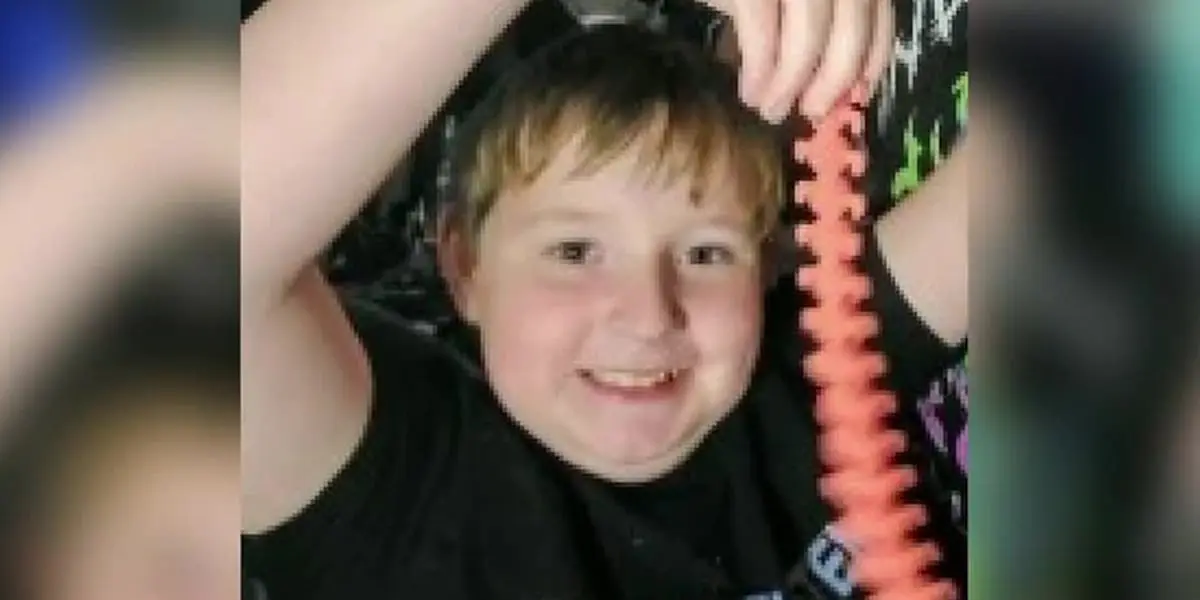
The fast-moving blaze trapped Susan Honea, her husband, and their twin 9-year-old boys inside the burning structure. While heroic, last-minute intervention by quick-thinking neighbors and local law enforcement officers successfully pulled several family members from the burning wreckage, 9-year-old Alex Honea tragically succumbed to the incident. His twin brother, Ben, and their father sustained significant injuries and remain hospitalized, facing a grueling physical and emotional recovery.
As investigators with local fire and safety agencies concluded their preliminary findings—ruling the devastating fire to be entirely accidental—loved ones, first responders, and community advocates are picking up the pieces. This comprehensive report explores the harrowing timeline of the Labor Day disaster, the acts of extraordinary heroism performed by ordinary citizens and police officers, the ongoing medical and emotional struggles of the surviving family members, and the broader implications for mobile home safety across the region.
Detailed Chronology: The Timeline of a Labor Day Nightmare
The sequence of events unfolded rapidly on the afternoon of the holiday, leaving little time for occupants to react to the rapidly escalating danger. While specific minute-by-minute logs from dispatch centers remain part of the ongoing administrative review, witness statements, family accounts, and preliminary emergency response reports piece together a harrowing narrative of survival and loss.
The Outbreak of the Fire
On the afternoon of Labor Day, a sudden and catastrophic fire broke out inside the Honea family’s mobile home in North Topeka. Manufactured homes, by their structural composition and layout, are notoriously vulnerable to rapid fire spread; modern synthetic building materials, combined with close proximity to neighboring properties and open-concept living spaces, can cause fires to reach untenable temperatures within minutes.
At the time the flames ignited, Susan Honea, her husband, and their twin boys—who were nonverbal and had special needs, just weeks away from celebrating their milestone tenth birthday—were inside the residence. Because of their specific developmental needs and the rapid, overwhelming onset of toxic smoke and intense heat, escaping unassisted proved impossible for the children.
Heroic Interventions Before Official Arrival
As thick, black plumes of smoke began billowing from the windows and doors of the mobile home, nearby residents realized something catastrophic was unfolding. Recognizing that professional firefighting units had not yet arrived on the scene, ordinary citizens and local law enforcement took immediate, fearless action.
According to family members and eyewitnesses, at least two Topeka Police Department officers and three local neighbors braved the blinding smoke, intense radiant heat, and structural instability to breach the home. Eyewitness accounts describe desperate cries of "Get my son!" echoing through the neighborhood as bystanders and officers alike put their own lives at risk to locate trapped occupants.
Their coordinated efforts succeeded in extracting several members of the Honea family from the interior before the structure became entirely engulfed. However, despite the heroic efforts of these first-on-the-scene rescuers, the extreme conditions prevented the immediate rescue of young Alex, who perished in the blaze.
Emergency Services Mobilization
When Topeka Fire Department units arrived moments later, crews faced a fully involved structure fire. Firefighters immediately transitioned from rescue operations to aggressive fire suppression and defensive containment to prevent the flames from spreading to adjacent homes in the densely packed mobile home park.
Paramedics and emergency medical technicians (EMTs) immediately set up triage areas, treating the rescued family members and the police officers or neighbors who may have suffered from smoke inhalation or minor injuries during the rescue attempt. Susan Honea, her husband, and their surviving twin, Ben, were rapidly transported via emergency medical services to regional hospitals specializing in trauma and critical care.
Supporting Context & Metrics: The Human and Structural Toll
To fully understand the magnitude of the Topeka tragedy, it is necessary to examine the broader context of residential fires, the specific vulnerabilities of manufactured housing, and the profound personal toll borne by the surviving family members.
The Vulnerability of Manufactured Housing
According to safety data compiled by the National Fire Protection Association (NFPA) and the Federal Emergency Management Agency (FEMA), fires in mobile and manufactured homes present unique, heightened risks compared to traditional site-built single-family residences.
- Rapid Flame Spread: Due to the materials historically used in older or standard mobile home construction, fires can spread up to twice as fast as in modern stick-built homes.
- Evacuation Challenges: Mobile homes typically feature narrow hallways, limited egress points (doors and windows), and single-level layouts that can become blocked by fire or dense smoke within seconds.
- Special Populations: Families with young children, elderly members, or individuals with physical or developmental disabilities face exponentially higher fatality risks during residential fires. In Alex and Ben’s case, their nonverbal status meant they could not verbally call out for help or communicate their location to rescuers navigating blinding smoke.
The Personal Cost and Family Dynamics
For Chelsea Fisher, a cousin of Susan Honea, the news arrived while she was miles away in Kansas City. Describing the agonizing experience of watching live-streamed footage of her family’s home burning on television, Fisher captured the collective helplessness felt by extended family members: "My heart just sank. As a mother, you can’t imagine losing your child."
The psychological trauma is compounded by the physical reality facing the survivors. Both Alex and Ben were preparing to celebrate their tenth birthday later in the month—a milestone that will now be marked by profound grief.
"It’s going to be a long road to recovery ahead of them," Fisher stated, reflecting on the arduous journey facing Ben and his father in the hospital. "Those milestones will be really hard, especially with one here and one gone."
Beyond the catastrophic loss of life and severe injuries, the family faces total displacement. The mobile home is a complete loss, leaving Susan Honea and her surviving family members without shelter, clothing, personal belongings, or keepsakes. Yet, as Fisher emphasizes, material possessions can be replaced; the loss of a child leaves a permanent void. Remembering Alex and his brother, Fisher shared a poignant glimpse into their personalities: "I just remember them just being so smiley and sweet all the time. Just had such sweet personalities."
Official Statements & Community Response
In the wake of the tragedy, local authorities, community leaders, and the public have rallied around the Honea family, offering condolences, resources, and formal updates regarding the investigation.
Investigation Findings
The Topeka Fire Department’s Fire Investigation Division, alongside local law enforcement, launched an immediate and thorough probe into the origin and cause of the Labor Day fire. Following extensive forensic analysis of the burn patterns, electrical systems, and structural remains, officials released a preliminary determination: the fire was entirely accidental.
While the formal investigative report continues to be processed to pinpoint the exact mechanical or household trigger, authorities have confirmed there is no evidence of foul play or criminal negligence involved in the incident.
Law Enforcement and Rescuer Valor
The actions of the Topeka Police Department officers and the three civilian neighbors have drawn widespread praise from city officials and community members alike. In critical incidents where seconds mean the difference between life and death, the willingness of ordinary citizens and frontline officers to step directly into harm’s way exemplifies the highest ideals of community solidarity.
City officials have indicated that formal recognitions or commendations for the heroic rescuers are being considered, though details remain private as the community continues to process the overall grief of the event.
Grassroots Support and Community Resilience
Recognizing the absolute devastation faced by Susan Honea and her surviving family members, community members quickly mobilized to provide financial and material relief.
A verified GoFundMe campaign (titled "Support Susan After House Fire") was established to help shoulder the immense financial burdens associated with emergency medical care, long-term rehabilitation for Ben and his father, funeral and memorial expenses for Alex, and basic living necessities while the family attempts to rebuild their lives.
Local mutual aid networks, charitable organizations, and churches in the North Topeka area have also stepped forward, offering temporary housing leads, clothing donations, and psychological support services for relatives impacted by the trauma.
Future Outlook: Recovery, Safety Advocacy, and Healing
As North Topeka transitions from the immediate shock of the Labor Day tragedy toward a long period of healing, several critical areas of focus emerge for the family, local emergency services, and the broader community.
The Road Ahead for the Honea Family
For Susan Honea, her husband, and their surviving son Ben, the upcoming weeks and months will be defined by intensive physical rehabilitation, psychological counseling, and the painful process of grief management.
- Medical Recovery: Ben and his father face extended hospital stays and subsequent physical therapy to recover from burns, smoke inhalation injuries, and trauma sustained during the fire.
- Grief and Mental Health: Professional trauma-informed counseling will be vital for the parents and surviving sibling as they navigate the profound void left by Alex’s passing, particularly as they approach what would have been the twins’ tenth birthday.
- Housing and Stability: Rebuilding a stable living environment from the ground up will require sustained community partnership and charitable assistance through platforms like the established GoFundMe initiative.
Community Safety and Preparedness Initiatives
Tragedies of this magnitude invariably prompt municipal leaders and fire safety advocates to re-examine public awareness campaigns regarding residential fire safety, particularly within manufactured home communities. Moving forward, local safety coalitions are expected to emphasize several key preventative measures:
- Enhanced Smoke Alarm Audits: Ensuring that every mobile home is equipped with interconnected, long-life lithium battery smoke detectors, including specialized strobe or bed-shaker alarms tailored for residents with sensory or developmental disabilities.
- Comprehensive Escape Planning: Promoting tailored emergency evacuation drills for families with nonverbal or special needs children, establishing clear, pre-planned rescue assignments for parents.
- Community First-Responder Training: Expanding civilian bystander safety education, empowering neighbors with basic fire awareness, safe extraction techniques, and emergency notification protocols.
Conclusion
The mobile home fire in North Topeka on Labor Day stands as a sobering reminder of how fragile life can be and how quickly familiar routines can be shattered by unforeseen disaster. Yet, amidst the profound sorrow of losing 9-year-old Alex Honea—remembered by his family as a remarkably sweet and smiling boy—the actions of the police officers and neighbors who rushed into the flames illustrate the enduring power of human compassion.
As Ben and his father continue their fight for recovery, and as Susan Honea mourns the loss of her child, the Topeka community remains steadfast in its commitment to supporting them through every step of the difficult journey ahead.

0 Comments