

Executive Overview
In an era where educational institutions strive to maintain secure, nurturing environments for adolescents, unexpected incidents can shatter the fragile illusion of campus safety in a matter of seconds. Such was the case on a Tuesday morning at Whites Creek High School in Nashville, Tennessee, when an ordinary school day devolved into a medical emergency. What initially registered as a chaotic disturbance on campus ultimately revealed a deeply alarming physical injury: a student suffered a punctured lung after a hair pick became lodged in his side during school hours.
The incident immediately drew a heavy law enforcement presence to the campus, plunging the student’s family into a nightmare of panic, misinformation, and institutional silence. Speaking out exclusively on the condition of anonymity to protect his family from potential retaliation, the injured boy’s father has brought national attention to a cascading series of failures. These include downplayed initial reports from school administrators, a distressing two-hour information vacuum at the hospital, the predatory proliferation of graphic video footage across social media platforms, and pressing questions regarding classroom supervision.
As Metro Nashville Public Schools (MNPS) and the Metro Nashville Police Department (MNPD) continue to investigate the episode, the family’s harrowing ordeal has sparked a broader, urgent dialogue. Community members, education advocates, and concerned parents are demanding a critical evaluation of campus safety protocols, supervision standards, teacher accountability, and the ways in which modern school districts handle digital trauma dissemination among minors. This comprehensive report examines the timeline of events, the systemic vulnerabilities exposed by the incident, the institutional response, and the pathway toward substantive reform.
Detailed Chronology: From Classroom to Hospital
The Incident and Immediate Campus Response
The sequence of events on Tuesday morning at Whites Creek High School began during standard instructional hours. While the exact classroom environment and the physical proximity of supervising faculty remain central points of contention, investigators have pieced together the immediate mechanics of the injury. According to statements released by school district officials following preliminary assessments, the episode unfolded during what has been characterized as "horseplay."
Instead of remaining a harmless adolescent scuffle or a playful exchange, the interaction escalated dangerously. A hair pick—a grooming tool featuring long, rigid prongs typically fashioned from metal or dense plastic—was thrust into the student’s side. The impact was severe enough to bypass soft tissue and puncture the boy’s lung, transforming a routine school day into a critical medical crisis.
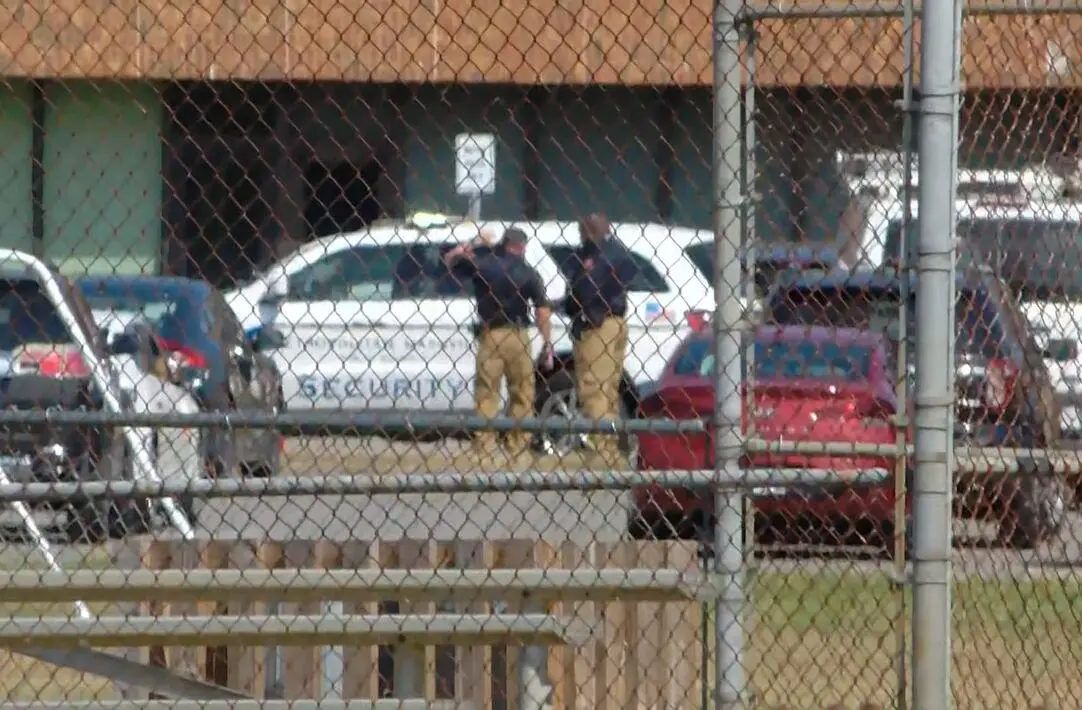
Law enforcement and emergency medical services were swiftly dispatched to the Whites Creek campus following frantic internal calls for assistance. By mid-morning, anxious parents and passing motorists observed a heavy presence of police cruisers and emergency vehicles stationed outside the school grounds, signaling to the community that a serious incident had occurred within the facility’s walls.
The Information Vacuum and Family Agony
While emergency responders converged on Whites Creek High School, the victim’s father remained entirely unaware of the life-threatening nature of his son’s condition. In an era of instant digital communication, the parent’s first inkling of trouble did not come from school administrators, but rather from a push notification broadcasted by local news affiliate WSMV4, alerting the public to police activity at the campus.
Moments after seeing the news alert, the father received a brief phone call from a school official. However, the communication was markedly lacking in transparency or urgency. The school representative informed the father that his son had sustained a "superficial injury" and was being transported to a local hospital for evaluation. Reassured by the terminology—which implies minor scrapes or bruises—the father hurried to the medical facility, anticipating a routine check-up and a quick discharge.
Instead, reality struck with devastating force upon his arrival at the hospital. Left waiting in an information vacuum for over two agonizing hours, the family received no updates from school personnel or medical staff regarding the actual gravity of the situation. When doctors finally briefed the parents, they delivered the harrowing diagnosis: the hair pick had penetrated the chest wall, resulting in a punctured lung requiring intensive medical intervention. The profound dissonance between the school’s characterization of a "superficial injury" and the reality of a collapsed or punctured lung has become a cornerstone of the family’s grievances against the administration.
Supporting Context & Metrics: The Digital Storm and Supervision Gaps
The Virality of Trauma: Social Media and Minors
As the injured student underwent medical evaluation and treatment, a parallel crisis was unfolding online. Unknown individuals present in the classroom at the time of the incident captured the event on mobile devices. While the family sat anxiously in the hospital room, a graphic video depicting the exact moment the hair pick was lodged into the boy’s side began circulating across various social media platforms.
The digital propagation of the footage triggered an immediate firestorm. The video subjected the victim to public humiliation while spawning widespread misinformation, malicious rumors, and hostile finger-pointing among students and community members alike. For the injured boy’s father, the online dissemination of his son’s trauma was an act of profound cruelty.
"Why would anybody share something so traumatic to kids?" the father asked during an interview with local media. This aspect of the crisis highlights an escalating modern challenge for school administrators: the weaponization of smartphones within classrooms. The rapid, unbridled sharing of student violence and accidents not only violates the privacy and dignity of victims but also severely complicates institutional recovery efforts, compounding the psychological harm inflicted on the primary victim and his peers.
Questions of Classroom Management and Teacher Liability
Beyond the immediate medical crisis and the digital fallout, the incident at Whites Creek High School has cast a harsh spotlight on classroom supervision and teacher accountability. MNPS officials have maintained that the incident was accidental, stemming from spontaneous horseplay rather than an intentional, targeted act of malicious violence. However, this distinction offers little comfort to a family whose child suffered a near-fatal injury during hours when the school was legally and morally responsible for his safety and well-being.
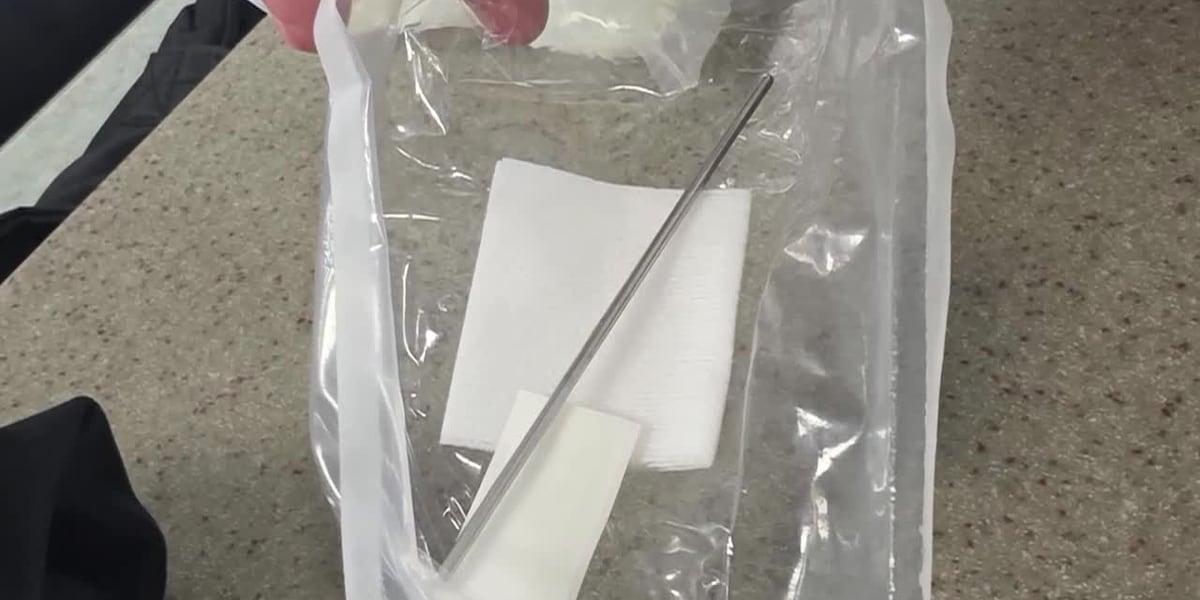
Central to the parents’ outcry is a fundamental question that district officials have thus far failed to answer publicly: Where was the teacher during the incident? High school classrooms during instructional hours are ostensibly governed by adult supervision. The ability of students to engage in dangerous physical horseplay resulting in a penetrating chest trauma implies a significant lapse in classroom management, situational awareness, or proactive intervention.
Legal and educational experts note that while schools are not absolute guarantors of student safety, supervisory staff are expected to maintain an environment reasonably free from foreseeable hazards. The presence of a rigid grooming tool capable of functioning as a projectile or piercing instrument in an unsupervised or poorly monitored physical altercation underscores potential systemic vulnerabilities in how high-risk items are managed within campus environments.
Official Statements and Institutional Responses
Metro Nashville Public Schools (MNPS) Position
In the wake of the incident and the mounting public pressure from the victim’s family, Metro Nashville Public Schools issued formal statements attempting to clarify the district’s stance while balancing legal obligations regarding student privacy.
Initially, school district representatives admitted that the exact circumstances leading up to the trauma were unclear. However, early investigative findings suggested that the event "was not an intentional act of violence," corroborating the theory that the injury occurred during unstructured horseplay among students.
As public scrutiny intensified over the initial description of the injury as "superficial" compared to the medical reality of a punctured lung, MNPS issued a more detailed follow-up statement:
"The information we provided yesterday reflected the initial assessment based on what was known shortly after the incident, while the investigation was still underway. Given the student-specific nature of the matter and our obligations regarding student privacy, we are not able to provide additional details about the circumstances or any actions involving individual students. We will continue to cooperate with MNPD and follow all applicable legal and disciplinary processes."
While citing federal and state privacy laws—such as the Family Educational Rights and Privacy Act (FERPA)—to justify withholding specific disciplinary actions and internal personnel reviews, critics argue that the district’s defensive posture shields administrators and staff from immediate accountability.
Law Enforcement and Legal Processes
The Metro Nashville Police Department (MNPD) launched a parallel investigation into the incident at Whites Creek High School to determine whether criminal charges are warranted. Because the event involved minors and occurred on school property, law enforcement officials have maintained a cautious approach, coordinating closely with MNPS administrators.
Investigators are tasked with evaluating whether the "horseplay" defense holds up under rigorous forensic analysis of the video footage and witness testimonies. In cases of adolescent recklessness resulting in grievous bodily harm, legal thresholds must be met to establish recklessness versus criminal negligence. As of the latest updates, no formal criminal charges have been publicly announced, though the investigation remains active and open.
Future Outlook: The Demand for Systemic Reform
A Family’s Plea for District-Wide Change
Despite the physical trauma, the informational blackout, and the digital revictimization his family endured, the injured boy’s father has chosen to step forward publicly for one primary reason: to demand structural change. By sharing his family’s painful narrative, he hopes to force Metro Nashville Public Schools to re-examine and strengthen its safety measures, emergency communication protocols, and classroom oversight standards.
The family’s advocacy touches upon several vital areas requiring immediate policy review within the district:
- Transparent and Accurate Emergency Communication: School districts must overhaul their parent notification systems. Describing a punctured lung as a "superficial injury" creates a dangerous breach of trust and leaves parents unprepared for the medical realities awaiting them at hospitals. Furthermore, relying on news alerts rather than direct administrative outreach is unacceptable in the digital age.
- Enhanced Classroom Supervision Standards: Administrators must implement stricter guidelines regarding teacher presence and active monitoring during instructional periods. Reducing opportunities for high-risk horseplay requires proactive intervention and a zero-tolerance policy for unchecked physical interactions in classrooms.
- Cyberbullying and Digital Media Policies: School districts need comprehensive frameworks to address the rapid online dissemination of campus violence. Partnering with platform moderators, enforcing stricter device bans during class, and levying severe disciplinary consequences for students who film and upload acts of violence are essential steps in protecting victim dignity.
- Accountability and Restorative Justice: While student privacy laws protect minors, they should not be used as a shield against organizational transparency. Families and communities deserve clear assurances that disciplinary measures have been enacted and that institutional failures—if any occurred—are addressed through professional development and policy enforcement.
The Broader Implications for Nashville Schools
The incident at Whites Creek High School serves as a sobering reminder of the complex safety challenges facing modern American high schools. It highlights the thin line between routine adolescent behavior and catastrophic injury, as well as the fragility of institutional trust when crises are mismanaged.
As Metro Nashville Public Schools navigates the fallout from this event, the true measure of its success will not be found in defensive press statements or cautious legal compliance, but in its willingness to listen to grieving families, acknowledge systemic shortcomings, and enact tangible reforms. For the student recovering from a punctured lung and the parents who fought through an informational fog to find the truth, the ultimate goal is simple: ensuring that no other child walks into a classroom and faces such avoidable peril.

0 Comments